


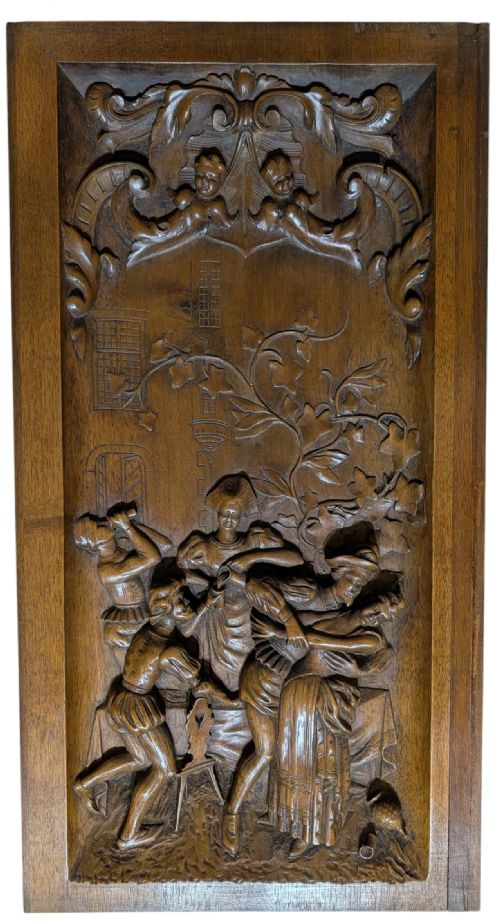
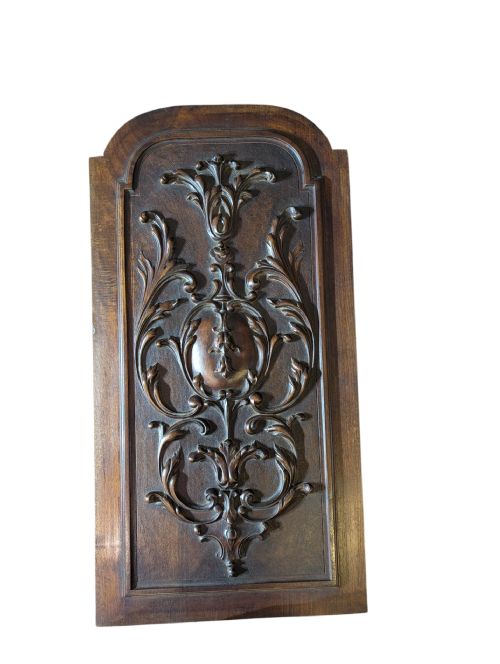


Brown Oak Wood Plaque
A brown oak wood plaque is a substantial carved wall panel or sculptural relief, prized for deep timber tones and historic craftsmanship.
Brown Oak Wood Plaque
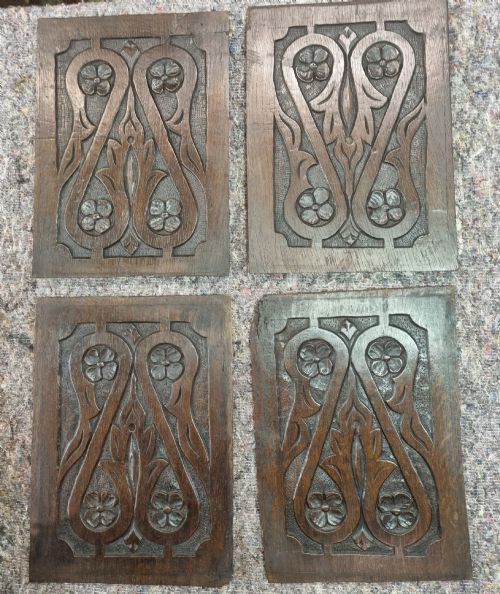
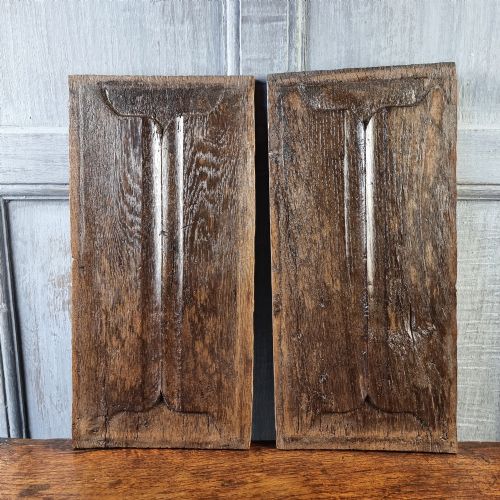
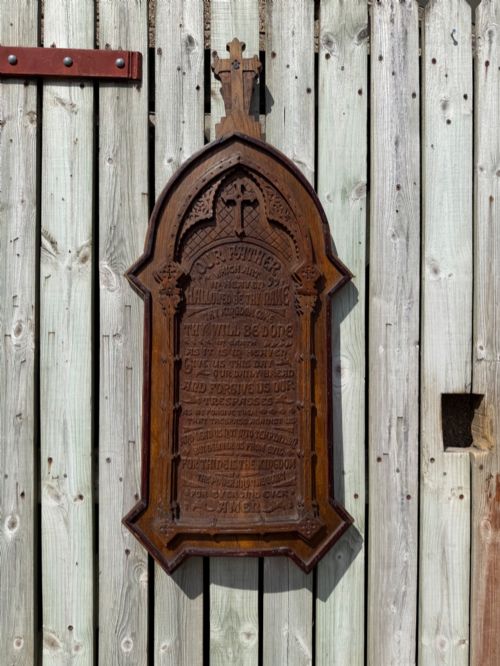
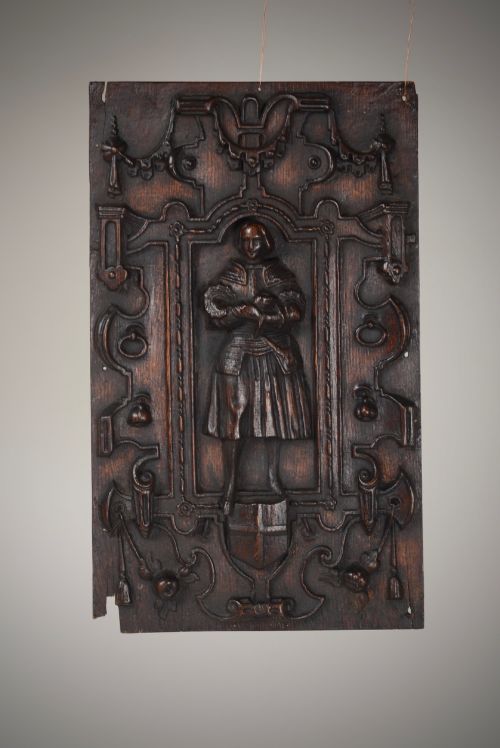
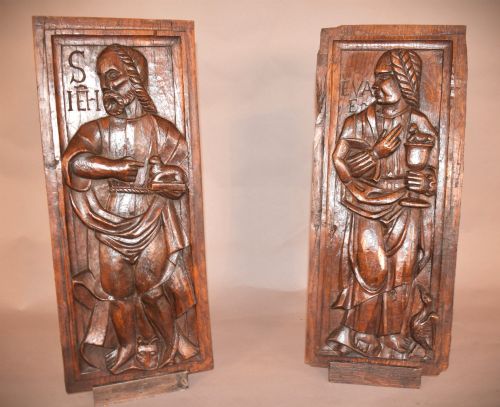
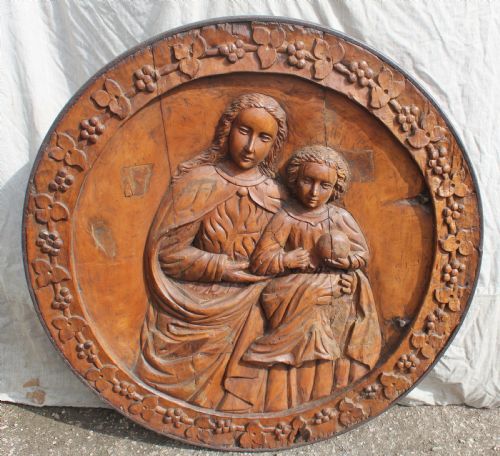
When searching for a brown oak wood plaque, buyers encounter architectural salvage, wall carvings, and figural reliefs dating from the sixteenth century through the Victorian era. These pieces frequently manifest as linenfold panels, armorial plaques, and portrait carvings reflecting Tudor, Gothic Revival, and Baroque design movements.
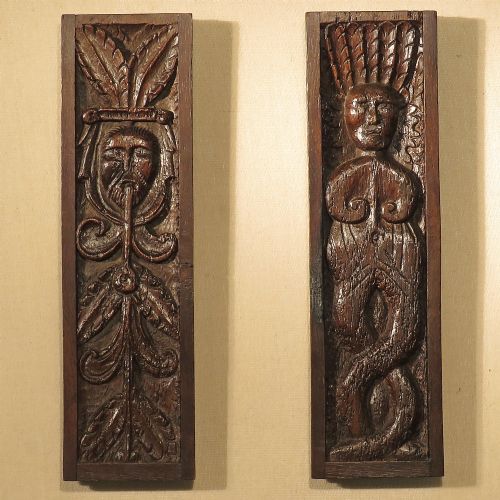
The selections available range from early primitive serpent panels and Flemish religious carvings to nineteenth-century armorial shields and classical scenes. Oak predominates as the primary timber, though walnut, fruitwood, and mixed hardwoods also appear across the centuries.
Materials and Construction
Carvers shaped these panels primarily from solid oak and complementary hardwoods using hand chisels and gouges to achieve deep relief and pierced openwork. Artisans utilised the natural grain and deep brown colour of mature timber to accentuate sculptural details such as acanthus leaves, cherubs, and human figures.
Construction techniques include heavy plank mounting, relief carving directly from single blocks, and integrated framing typical of architectural elements. Secondary materials like metal mountings and paper inserts appear on specific calendar and armorial formats.
Brown Oak Wood Plaque Retail Price Guide 2026
Typical asking prices for brown oak wood plaque among the pieces listed under this phrase on Sellingantiques today, from the lower quarter to the upper quarter. They describe what is for sale here now, not the wider market.
Listings feature oak predominantly, alongside walnut, fruitwood, and mixed hardwoods spanning the sixteenth to the nineteenth centuries.
Assessing Quality and Execution
The distinction between standard examples and superior works lies in the depth of the carving, the crispness of the chisel work, and the anatomical precision of figures such as lions, cherubs, and human portraits. Pierced carving that achieves true spatial separation demonstrates greater technical mastery than shallow surface incision.
The integrity of the timber and the retention of original surface patination significantly influence the standing of a piece. Earlier examples from the sixteenth and seventeenth centuries exhibit distinct tool marks and regional carving characteristics that elevate their desirability.
The Brown Oak Wood Plaque Glossary
- Linenfold
- A style of wood panel carving imitating folded cloth or parchment. It is commonly found on sixteenth-century architectural woodwork.
- Pierced carving
- Openwork technique where the carver cuts entirely through the timber to create negative space. This method creates intricate depth in acanthus leaf designs.
- Armorial
- Relating to heraldry and family crests. These plaques display specific lineage symbols and family coats of arms.
- Green Man
- A sculptural motif consisting of a human face surrounded by or made from leaves and vines. It represents rebirth and is frequently encountered in early wood panels.
Brown Oak Wood Plaque: Frequently Asked Questions
Where were these plaques originally placed?
These carved panels and plaques originated as architectural elements within churches, manor houses, and civic buildings, often integrated into wall panelling, furniture, or overmantels.
Over subsequent centuries, many were salvaged from historic interiors and mounted independently for display as wall art.
How should I hang a heavy wooden plaque?
Due to the substantial weight of dense historic hardwoods, secure wall mounting requires heavy-duty brackets or French cleats screwed directly into structural wall studs.
Avoid relying solely on lightweight picture wire or adhesive hooks, which cannot support deep relief oak carvings.
How can I tell a sixteenth-century panel from a later copy?
Examine the back and edges for hand-tool signatures, adze marks, and timber shrinkage patterns consistent with early forestry practices. Period pieces exhibit authentic wear and colour oxidation that mechanical reproduction cannot replicate.