
Brown Oak Storage Coffer
A brown oak storage coffer is a robust timber chest designed for household security and storage, spanning centuries of vernacular craftsmanship.
Brown Oak Storage Coffer
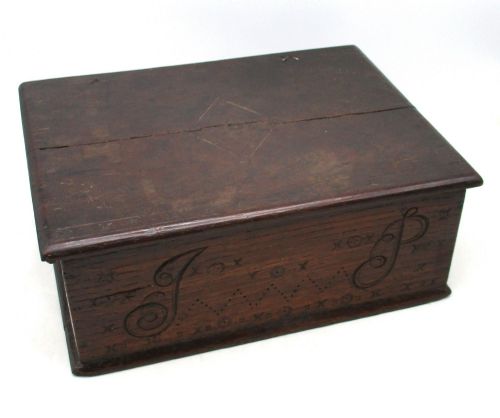
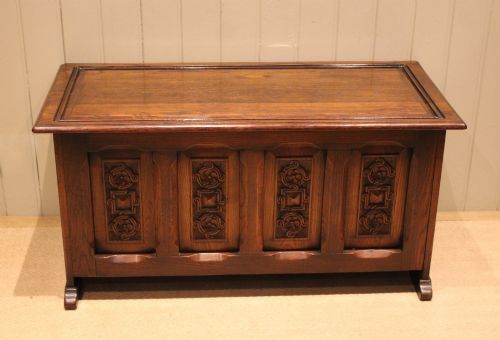
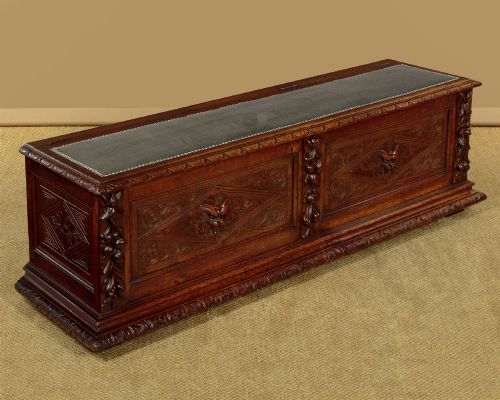
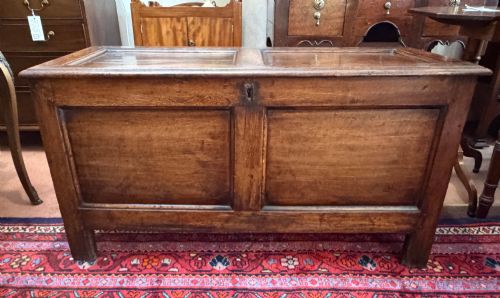
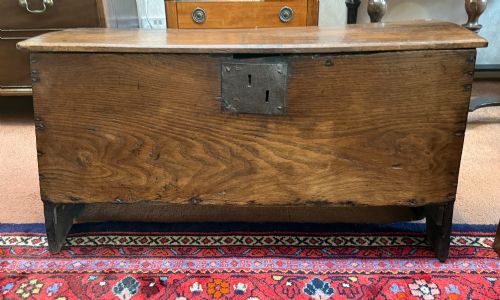
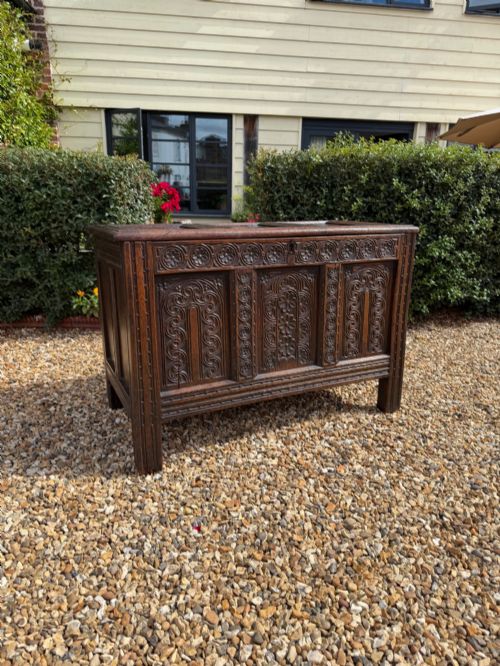
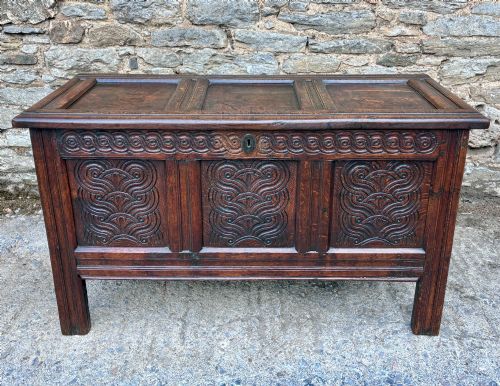
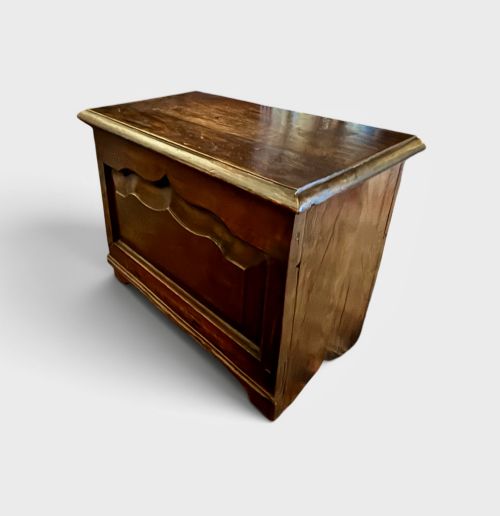
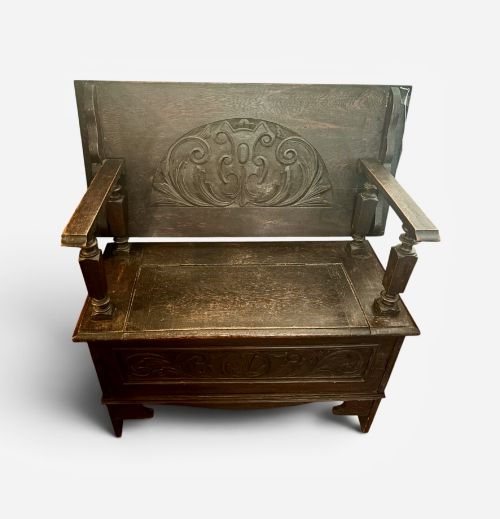
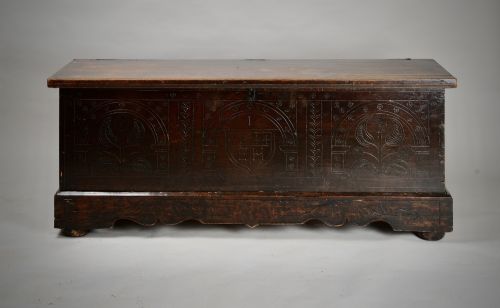
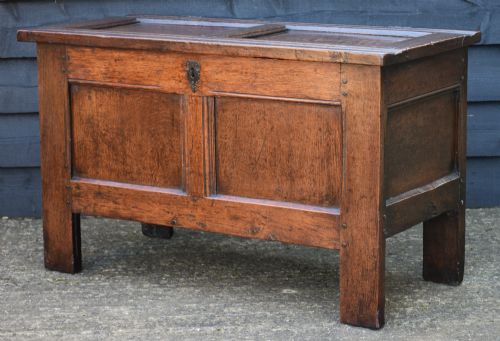
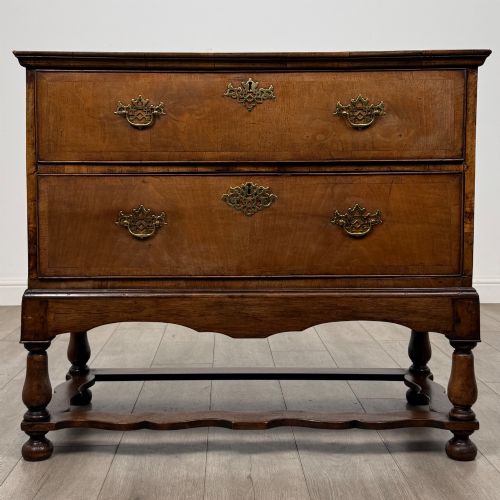
A brown oak storage coffer represents a deep tradition of domestic utility, built from dense timber to safeguard textiles, documents and valuables. Buyers hunting for a brown oak storage coffer encounter substantial boarded and panelled examples originating from domestic English, Welsh and continental workshops. These heavy timber receptacles include simple boarded boxes, carved panelled coffers, and later hybrid forms incorporating drawers or seating.
The surviving pieces on this page cross multiple periods, stretching from the sixteenth and seventeenth centuries through the Georgian era and into nineteenth-century revivals. Early forms rely on boarded construction and simple pegged frames, whilst later pieces show influences from Jacobean, Elizabethan and Georgian design. The predominant material remains solid oak, often showing deep patination developed through centuries of handling and environmental exposure.
Materials and Construction
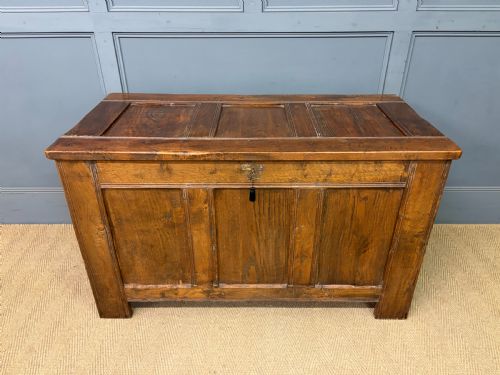
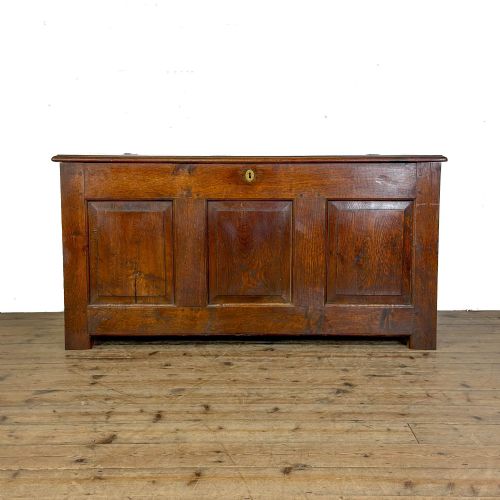
Makers built these heavy storage pieces using solid oak, frequently reinforced with wrought iron hinges, straps and brass fittings. The primary structure typically employs frame-and-panel construction to accommodate the natural expansion and contraction of timber over decades.
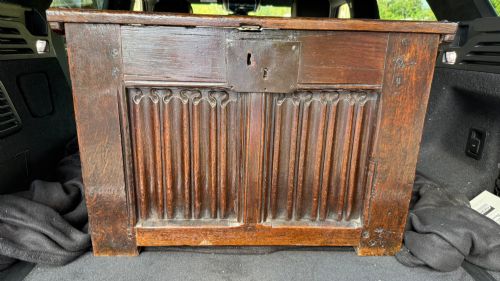
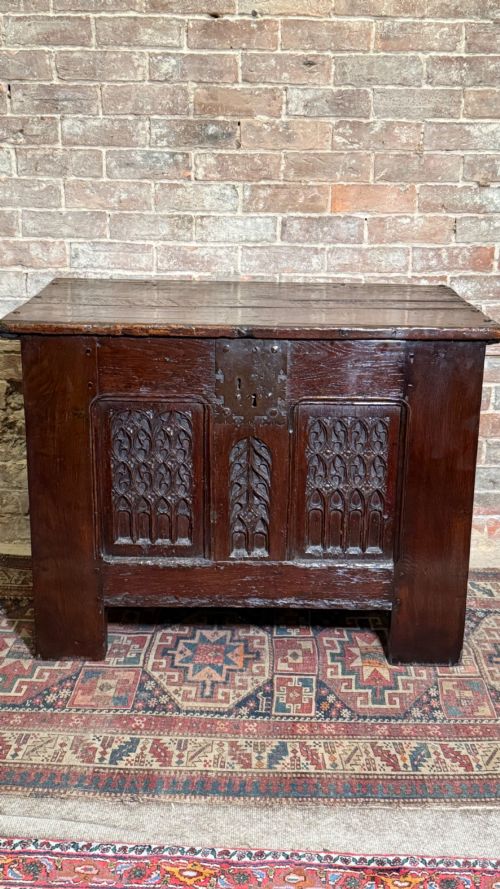
Surface decoration relies on simple carving, linenfold panelling, fluting and occasional wood inlay to break up large expanses of brown timber. Joinery relies on traditional pegged mortise and tenon joints rather than modern mechanical fasteners, ensuring structural longevity.
Several survival examples double as early seating, proving that our ancestors liked to sit firmly on their tax records.
Evaluating Quality
Quality rests in the integrity of the original timber and the survival of untouched surfaces rather than pristine condition. Pieces that retain their original boarded lids, floorboards and hand-wrought iron hardware command greater respect among collectors.
The depth of the natural patina and the crispness of surviving hand-carved details distinguish superior workshops from utilitarian provincial work. Alterations to lids, replaced feet, or excessive cleaning diminish the historical character that defines these chests.
The Brown Oak Storage Coffer Glossary
- Coffer
- A large wooden chest used historically for storing valuables, linen or documents. These heavy boxes typically feature hinged lids and sturdy boarded or panelled frames.
- Panelled coffer
- A chest constructed with a timber frame enclosing thinner central boards, designed to reduce splitting as the wood ages. This technique forms the backbone of seventeenth-century English cabinet making.
- Linenfold
- A style of wood carving resembling folded linen, popular on sixteenth and seventeenth-century panels. This decorative motif adds texture to the front elevations of early chests.
- Patina
- The surface sheen and colour acquired by wood through decades of ageing, handling and polishing. A deep patina indicates long-term care and original untreated surfaces.
- Mule chest
- A storage chest fitted with one or more drawers at the base, bridging the transition between a traditional coffer and a chest of drawers. These hybrid forms appear in Georgian and later domestic settings.
Brown Oak Storage Coffer: Frequently Asked Questions
What were brown oak storage coffers originally used for?
These robust timber chests served as secure domestic strongboxes for storing valuable textiles, church plate, documents and family heirlooms before built-in closets became common.
Their sturdy flat tops also allowed them to function as tables, benches or sleeping platforms in modest medieval and early modern households.
How can I distinguish a seventeenth-century coffer from a later revival piece?
Early pieces display hand-riven timber, irregular tool marks, traditional pegged joinery and centuries of natural wear that create a deep, unrepeatable patina.
Nineteenth-century revival pieces often feature uniform machine-sawn timber, crisper mechanical joints and surfaces lacking the accumulated wear of true age.
How do I care for an antique oak storage chest?
Keep wooden coffers away from direct heat sources and sudden humidity fluctuations to prevent the ancient oak from splitting or warping.
Apply a traditional beeswax polish sparingly to nourish the dry timber and maintain the natural lustre of the surface.
What is the difference between a coffer and a mule chest?
A standard coffer provides storage solely through a top-opening lid, revealing a single deep interior compartment.
A mule chest incorporates one or more functional drawers beneath the main storage well, offering easier access to smaller items.