

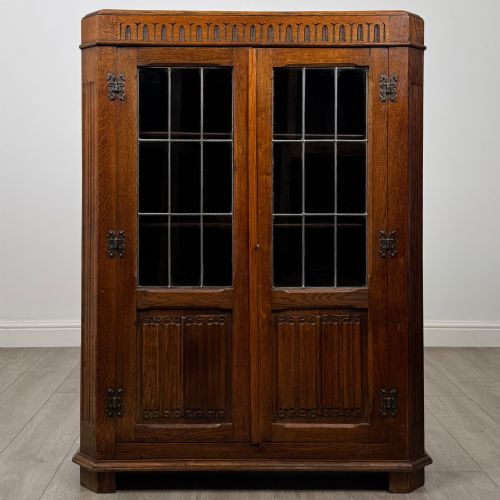


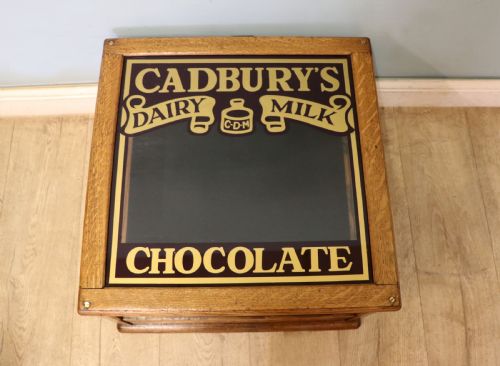


Brown Oak Showcase
A brown oak showcase brings warmth and rich figuring to any room, offering a disciplined stage for collections.
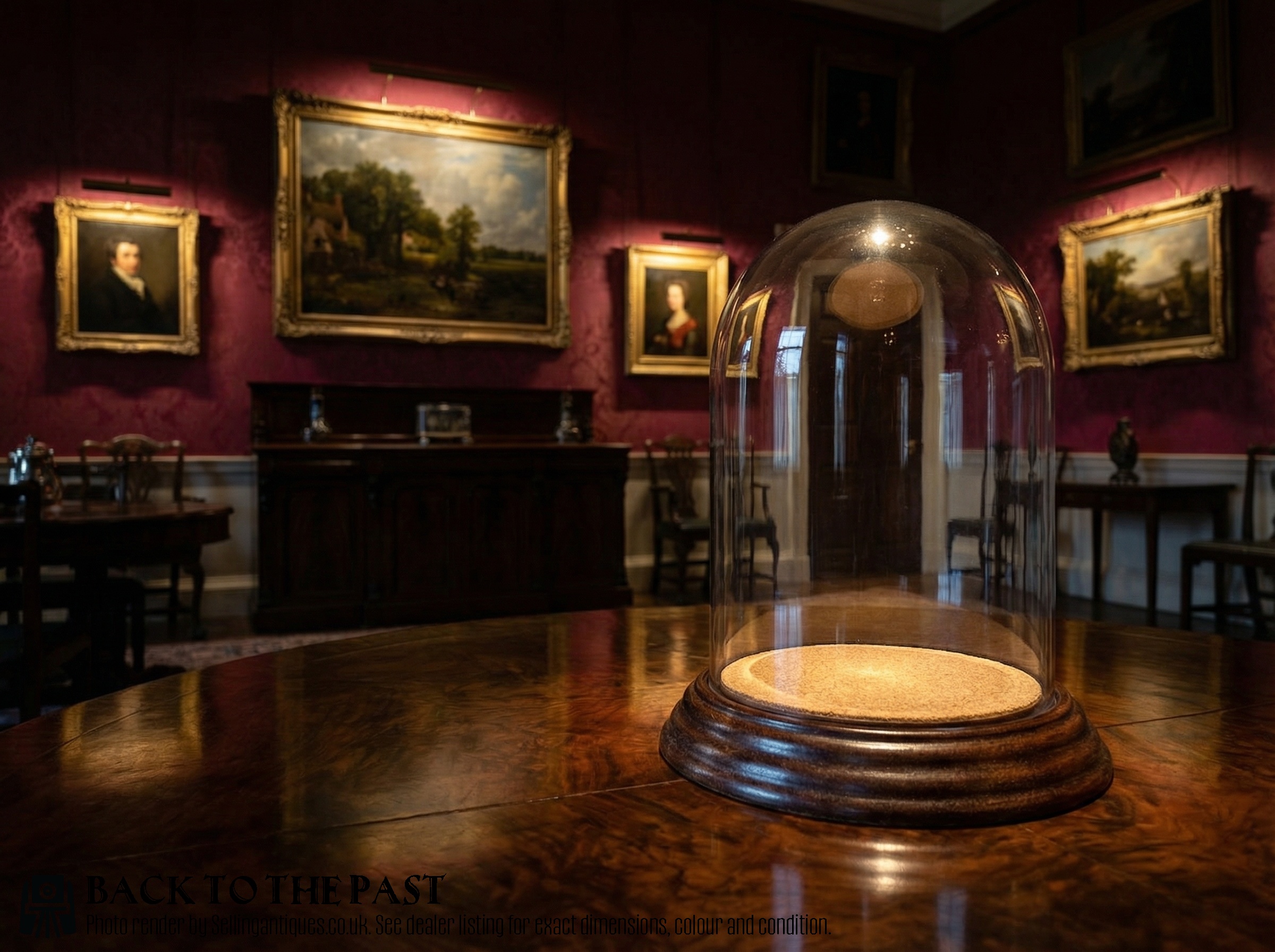
Brown Oak Showcase
A brown oak showcase provides a structured enclosure for display, constructed primarily in oak with glazed panels to protect contents while keeping them fully visible. The selection spans the nineteenth century through the Edwardian era, Art Deco, and nineteen-thirty.
Most examples take the form of countertop display cabinets or table-top shop cabinets, alongside taller glazed display cabinets and small display domes mounted on timber bases. Origins include English, French, and Victorian Dutch workshops.
Buyers encounter these items functioning both as domestic display furniture and commercial shop fittings, reflecting a history of retail and home use.
How they were made
Makers utilised solid oak, selected for its distinct grain and durability, combined with glass panels to enclose the display space.
Metal components such as brass, lead, and iron appear in structural mounts, hinges, and framework to support the glazed construction.
Brown Oak Showcase Retail Price Guide 2026
Typical asking prices for brown oak showcase among the pieces listed under this phrase on Sellingantiques today, from the lower quarter to the upper quarter. They describe what is for sale here now, not the wider market.
Cabinet forms include table-top variants, countertop shop fittings, and taxidermy display domes.
What varies in quality
Distinction across the range lies in the clarity of the timber's figuring and the precision of the joinery within the oak framework.
The sophistication of the original hardware, from brass fittings to leaded glazing channels, separates standard commercial shop pieces from finer examples.
The Brown Oak Showcase Glossary
- Countertop display cabinet
- A glazed showcase designed to sit upon a counter, common in historical retail environments. These pieces allowed merchandise to remain visible while protected from handling.
- Display dome
- A glass cover resting on a base, often utilised for taxidermy or delicate objects. The base is typically timber, such as oak.
- Shop fitting
- Furniture or cabinetry built specifically for commercial retail premises. They often exhibit robust construction to withstand daily trade use.
- Glazed panel
- A fitted sheet of glass within a frame. It forms the transparent barrier characteristic of display cabinets.
Brown Oak Showcase: Frequently Asked Questions
What is a brown oak showcase?
A brown oak showcase is a glazed cabinet or dome built with oak timber, designed to display and protect objects.
These pieces range from commercial shop fittings to domestic display furniture originating from the nineteenth and early twentieth centuries.
How were countertop cabinets used?
Countertop cabinets were placed on retail shop counters to present small goods, confectionery, or collectables to customers.
The glass enclosure kept items clean and secure while maintaining complete visibility for buyers.
Where were these showcases made?
The available pieces originate from various regions including England, France, and Victorian Dutch workshops.
Craftsmen utilised local oak alongside glass, brass, and iron to construct these functional display units.
How do I identify the period?
Periods are identified through construction styles, timber treatment, and hardware design, spanning the Victorian era through Edwardian times and into Art Deco.
Stylistic cues link pieces to specific eras like late nineteenth-century French design or nineteen-thirty modernist forms.