
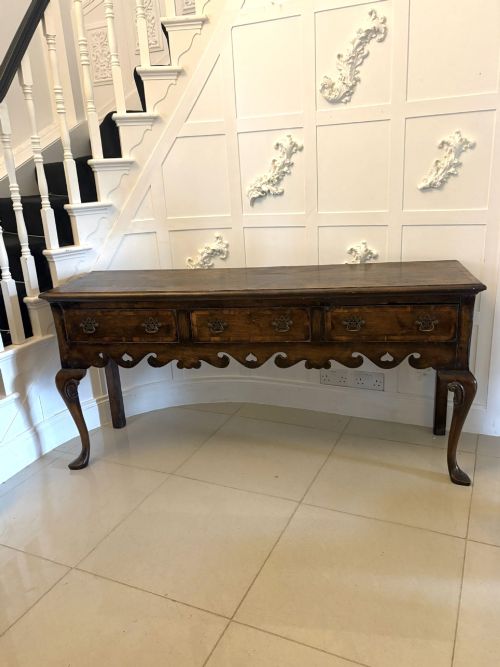
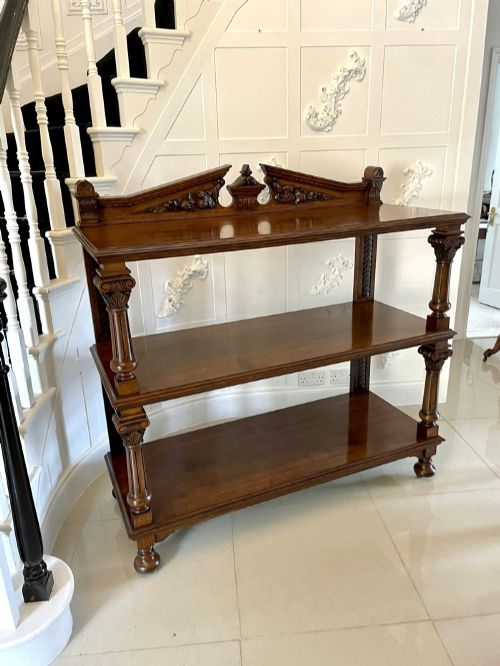
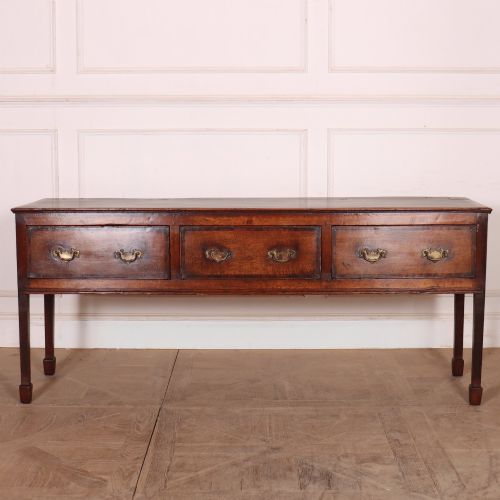

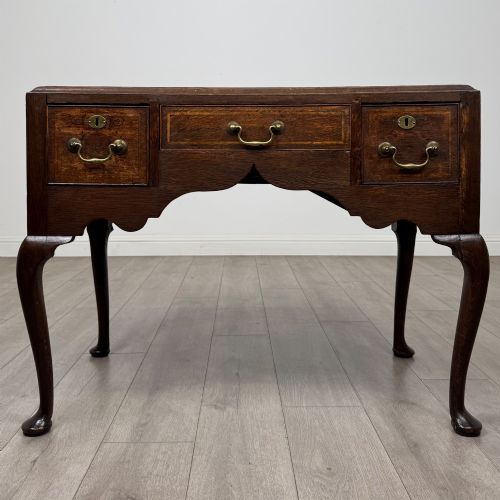
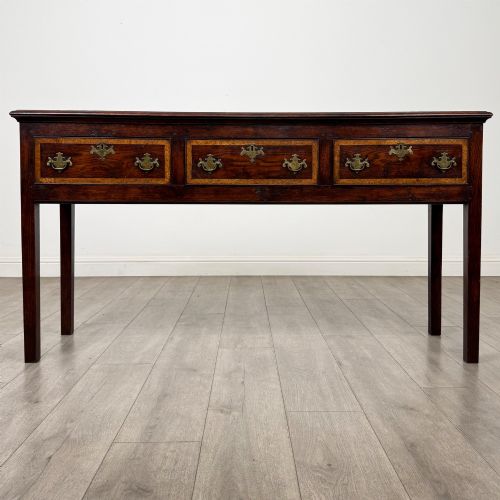
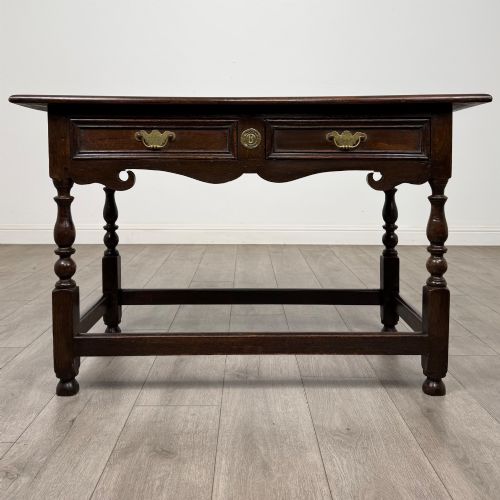
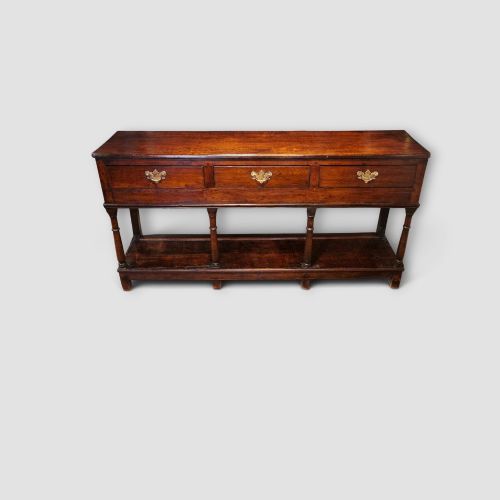
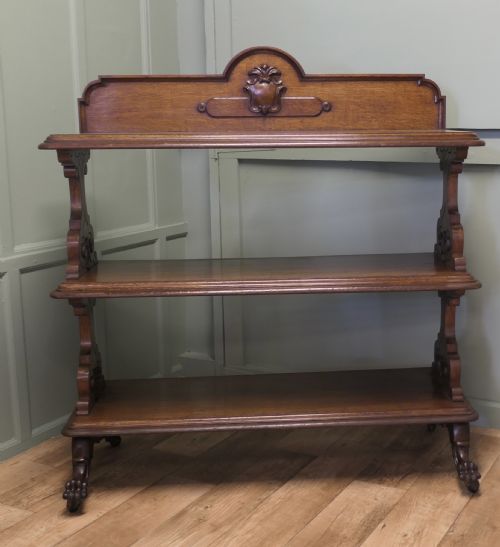
Brown Oak Server Table
A brown oak server table brings rich timber figure and practical surface area to a room, offering both traditional character and robust storage.
What these pieces are
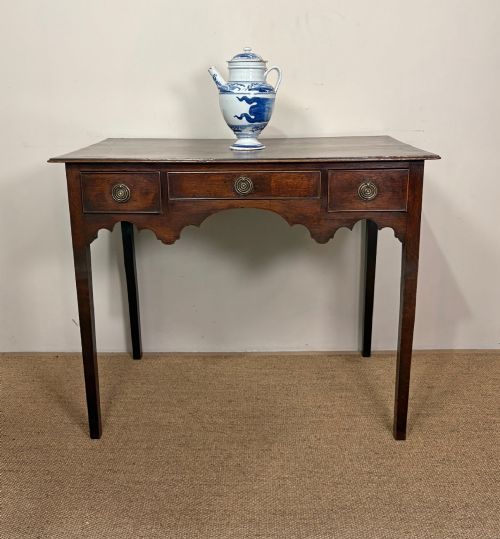
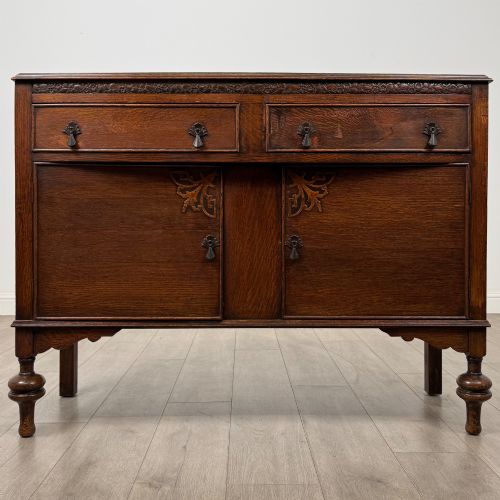
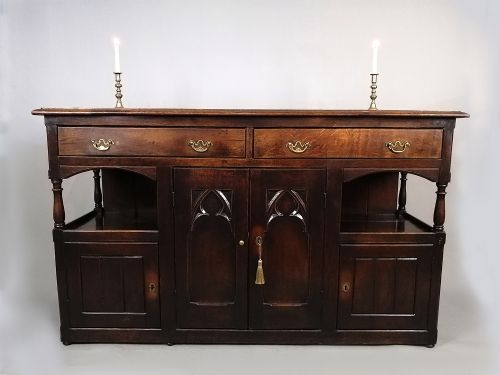
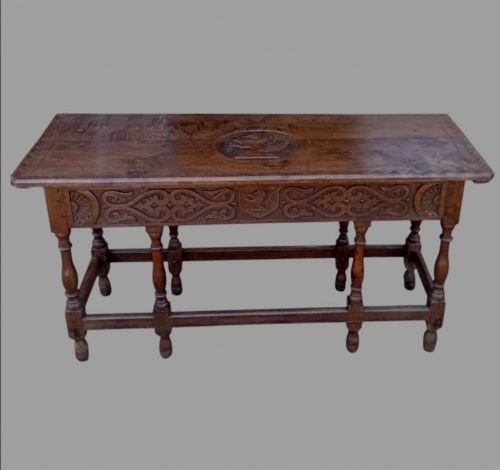
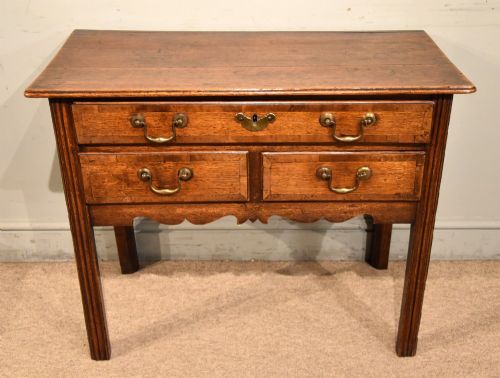
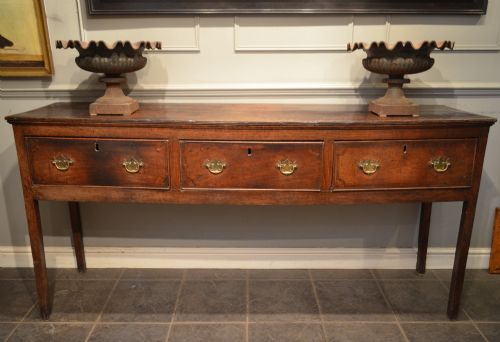
A brown oak server table or dresser base stands as a functional anchor in a dining room or kitchen, providing a broad top surface and useful lower storage. These items trace their origins from the mid eighteenth century through to the early twentieth century, encompassing both period originals and later revivals.
The versions met most frequently on this page adopt Georgian and Georgian style design vocabulary, often presenting as low dresser bases or sideboard forms. They reflect centuries of domestic utility, evolving from utilitarian kitchen furniture into appreciated decorative pieces.
How they were made
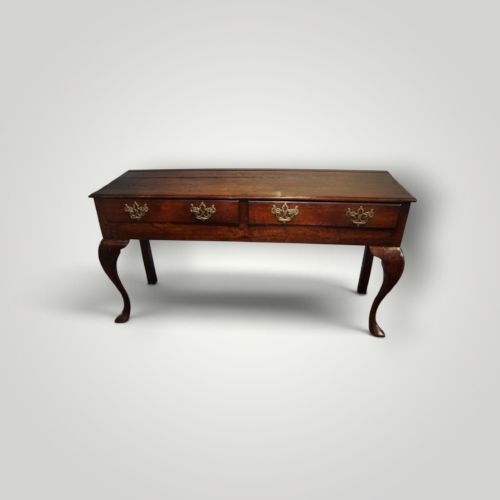
Cabinet makers utilised traditional joinery techniques to assemble these heavy pieces, incorporating potboard bases and sturdy legs such as cabriole supports. Surfaces often show the natural distressing of age and daily use over generations.
Retail Price Guide 2026
Typical UK retail prices for brown oak server table, calculated from the Sellingantiques database of over a million retail prices indexed since 2003. This retail price guide relies exclusively on Sellingantiques data; no external sources or auction records are used, so the figures do not describe the wider market.
Listings span from mid eighteenth century pieces to early twentieth century revivals, utilising solid oak and brass.
What varies in quality
Quality in these items is measured by the depth of colour in the oak and the crispness of the timber's figure. Early eighteenth century examples display a patination that develops only through centuries of exposure and care.
Construction details also separate standard examples from finer ones, notably the proportion of the potboard base and the integrity of the original joints. The balance between decorative cabriole legs and utilitarian storage defines the sophistication of each individual piece.
The Brown Oak Server Table Glossary
- Oak
- A dense, durable hardwood prized for its visible medullary rays and rich brown colour. It forms the structural foundation of every piece listed here.
- Dresser base
- A low wooden unit featuring a flat top surface and drawers or cupboards beneath, historically used for food preparation and serving. It often includes an open lower shelf known as a potboard.
- Georgian style
- A design aesthetic drawing upon the classical proportions and ornamentation of the reigns of Georges I through IV. Revival pieces from later centuries frequently emulate these balanced forms.
- Cabriole leg
- A furniture leg that curves outward in a convex arc and tapers inward in a concave arc, terminating in a foot. This graceful form appears on select revival tables.
- Potboard
- An open lower tier fitted between the legs of a dresser base, traditionally used for storing pots and heavy kitchen utensils.
Frequently Asked Questions
How do I care for a brown oak server table?
Feed the timber periodically with a traditional wax to maintain the moisture and depth of colour in the oak. Avoid placing the table in direct sunlight or close to heat sources to prevent the wood from splitting.
Clean surfaces gently with a soft, dry cloth rather than wet chemical sprays. Respecting the aged finish ensures the patination continues to improve over time.
What is the difference between a dresser base and a sideboard?
A dresser base typically originates from a kitchen or dining room setting where food was prepared and served, often featuring an open potboard shelf at the bottom. Sideboards emerged primarily for formal dining rooms to store silver and linen.
Both serve similar functional roles in modern interiors as low serving tables. The terminology often overlaps depending on the specific proportions and era of the furniture.
How can I tell an eighteenth century piece from a revival?
Examine the construction marks, tool traces, and the way the timber has aged and oxidized over time. Eighteenth century pieces show hand-cut joinery and a distinct, deep patination that modern workshops cannot easily replicate.
Revival pieces from the early twentieth century often adopt Georgian styling with machine-assisted precision or different secondary woods. Comparing hardware styles and construction methods helps clarify the period of manufacture.
Where should I place a brown oak server table at home?
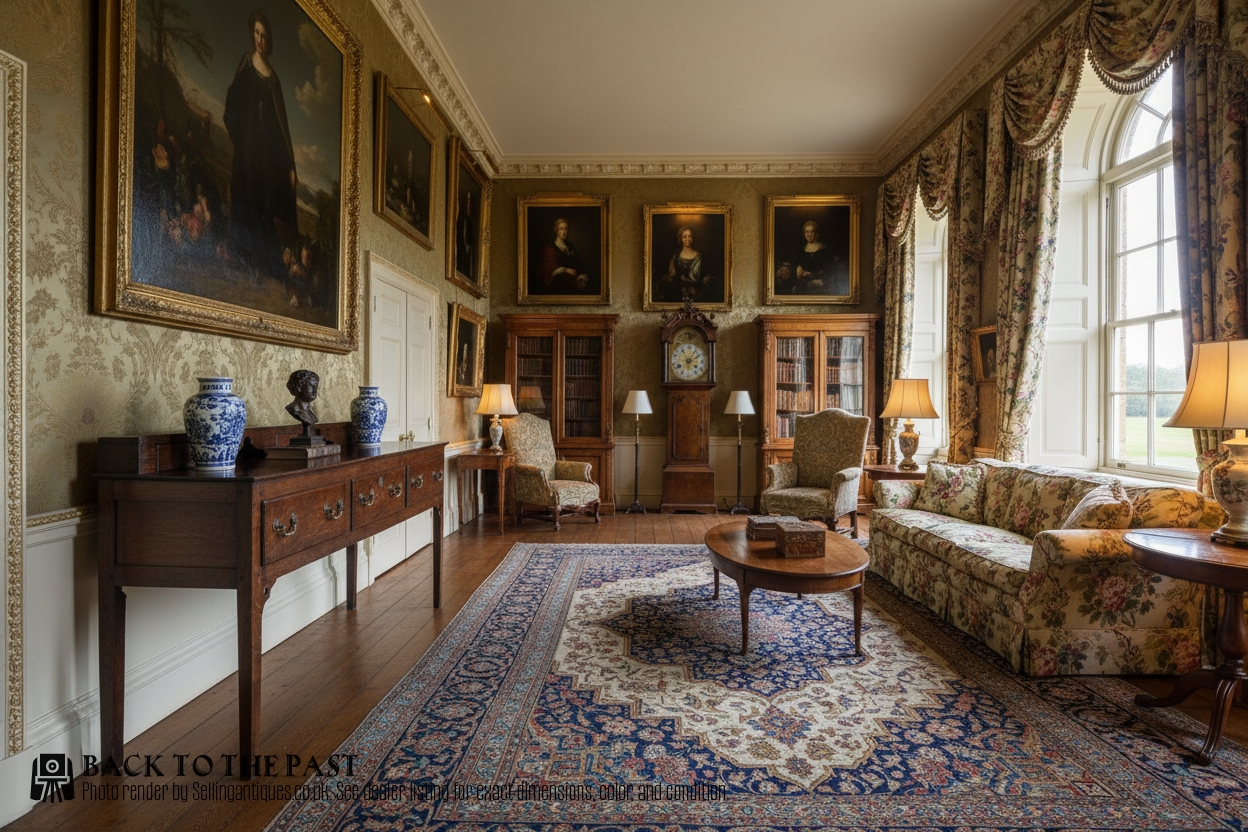
Position the table against a dining room wall to use the broad surface for serving food or displaying ceramics. The lower shelves or drawers provide convenient storage for table linens and everyday items.
They also work effectively in hallways or living spaces as console tables. The strong oak presence grounds larger rooms while offering practical surface space.