


Brown Oak Lamp Stands
Brown oak lamp stands offer a rich, dark timber grain that grounds a room while holding lighting securely.
Brown Oak Lamp Stands
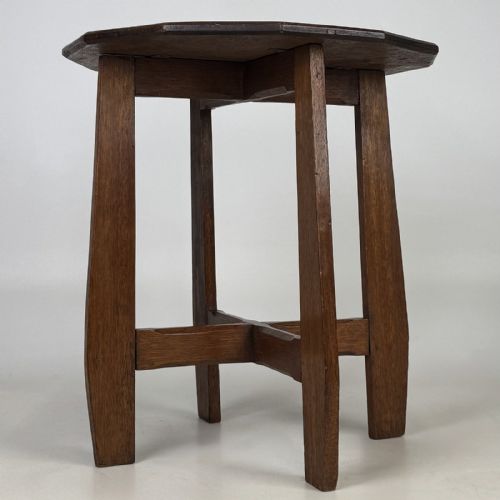
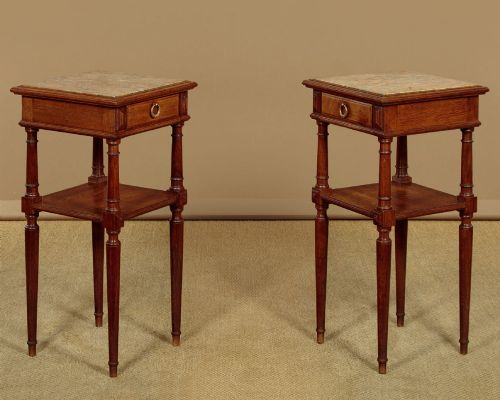
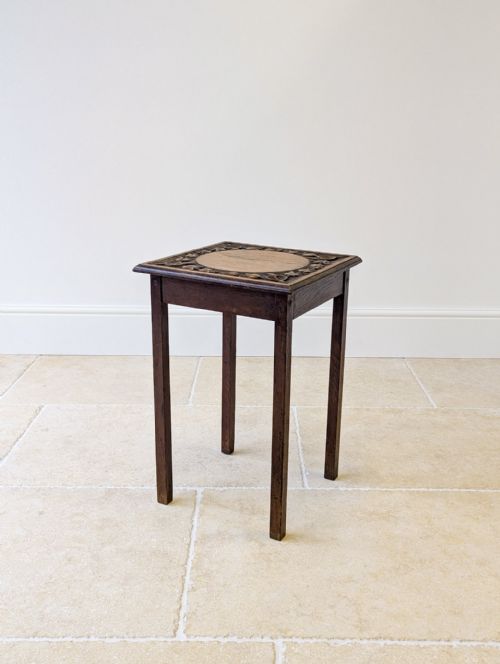
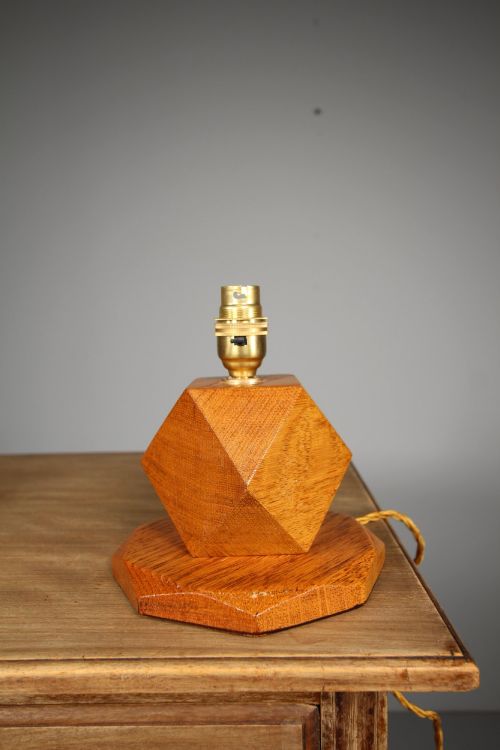
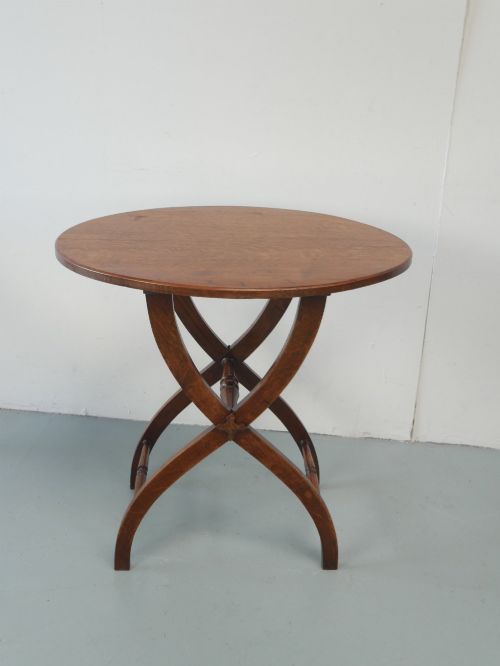
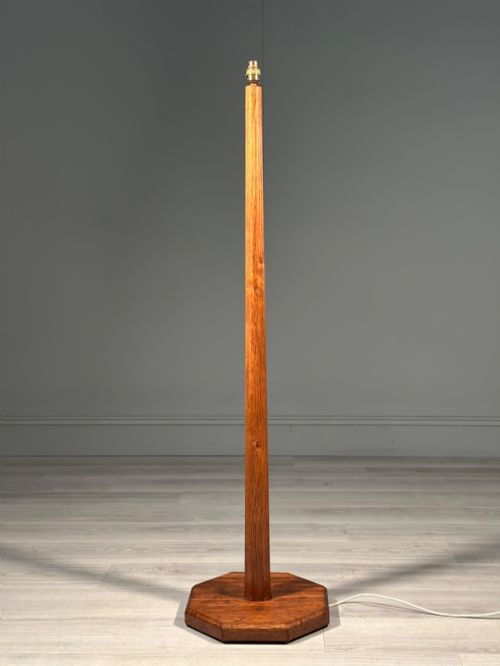
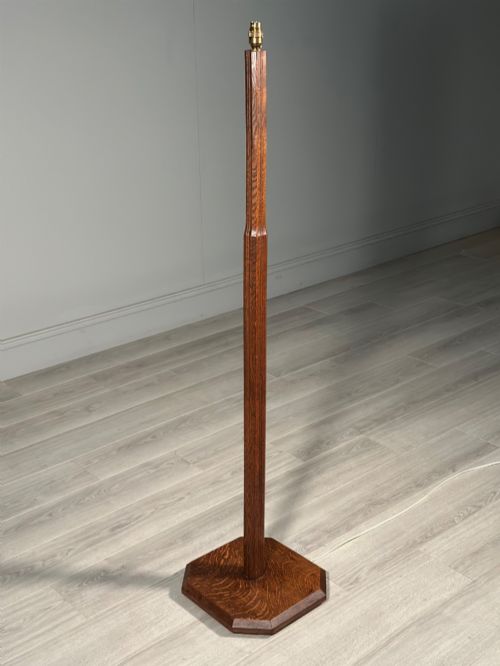
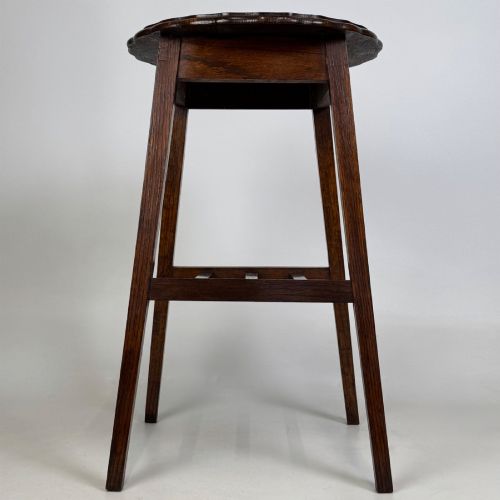
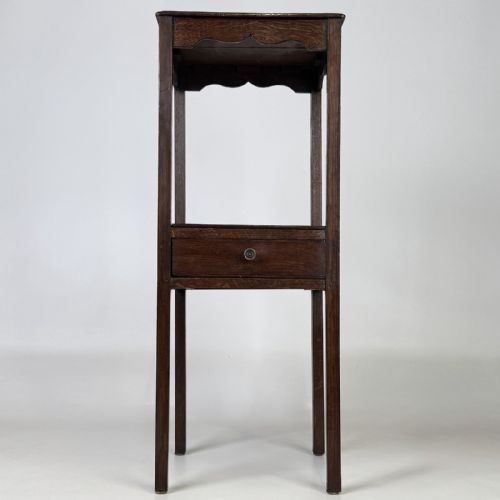
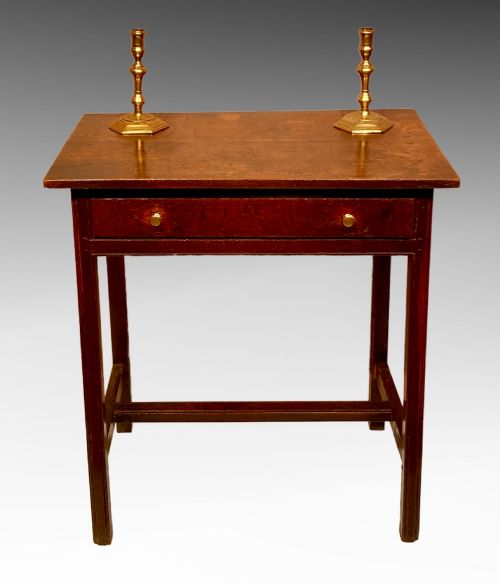
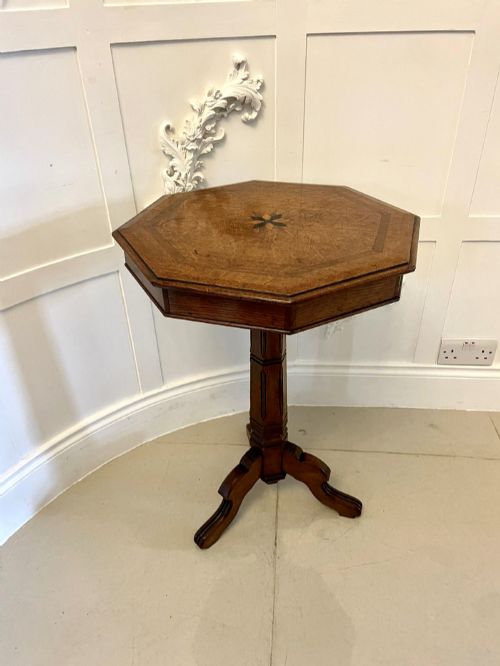
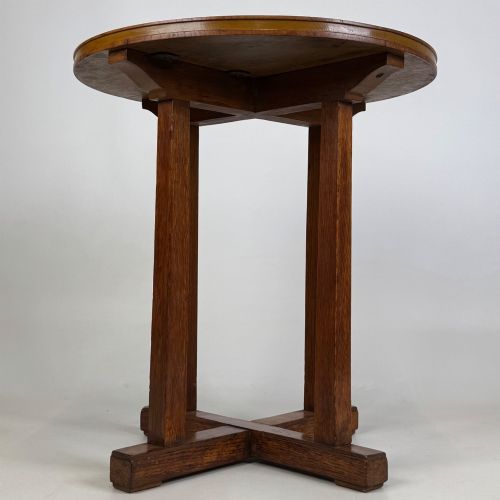
When searching for brown oak lamp stands, buyers encounter a variety of low tables, occasional pieces, and vertical floor lighting designed to support lamps.
The most common formats on this page are Edwardian and Victorian side tables or occasional tables adapted for lighting, alongside upright standard lamps.
Origins span vernacular country pieces to workshop productions from the nineteenth and early twentieth centuries, incorporating styles like Arts and Crafts and Jacobean Revival.
Materials and construction methods
Items rely primarily on solid oak and hardwood timbers, often accented with brass fittings, ceramic tiles, marble tops, and subtle wood inlay.
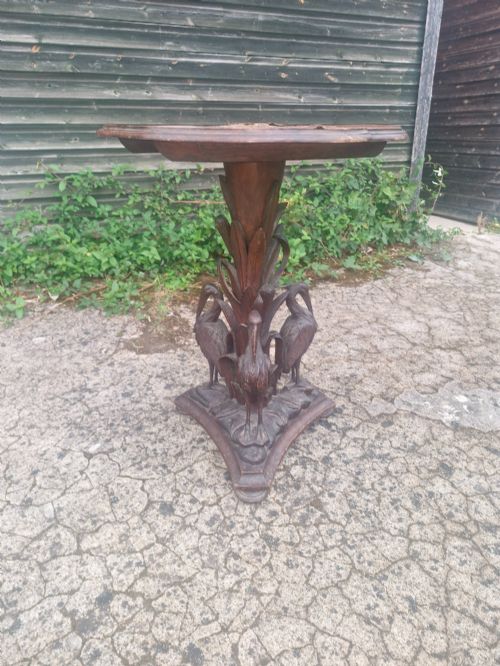
Joinery techniques range from simple turned supports and bobbin legs to carved surfaces and tripod bases reflecting regional traditions.
Brown Oak Lamp Stands Retail Price Guide 2026
Typical asking prices for brown oak lamp stands among the pieces listed under this phrase on Sellingantiques today, from the lower quarter to the upper quarter. They describe what is for sale here now, not the wider market.
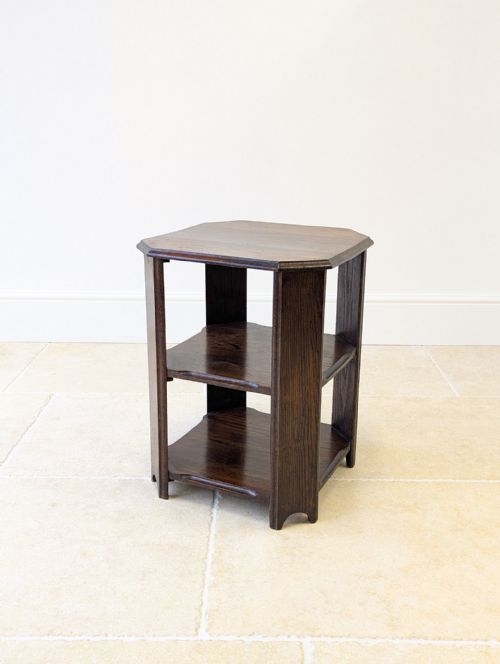
Several stands double as multi-tier surfaces, proving that Victorian households loved stacking their reading lamps above extra shelves.
Judging the standard of execution
Quality rests on the depth of the oak grain, the crispness of any carving, and the stability of the structural frame.
Makers associated with specific design movements, such as the Cotswold School or Liberty and Co, demonstrate superior attention to proportion and detail.
Arthur Reynolds·William Birch·Baillie Scott·Hubert Simpson of Kendal·Liberty and Co
The Brown Oak Lamp Stands Glossary
- Bobbin turned
- A method of turning wood on a lathe to create a series of rounded, spool-like shapes along the length of a leg or stretcher. This decorative turning appears frequently on Victorian and Edwardian furniture bases.
- Arts and Crafts
- A design movement prioritising traditional craftsmanship, simple forms, and natural materials over mass production. Pieces from this tradition often show exposed joinery and honest construction.
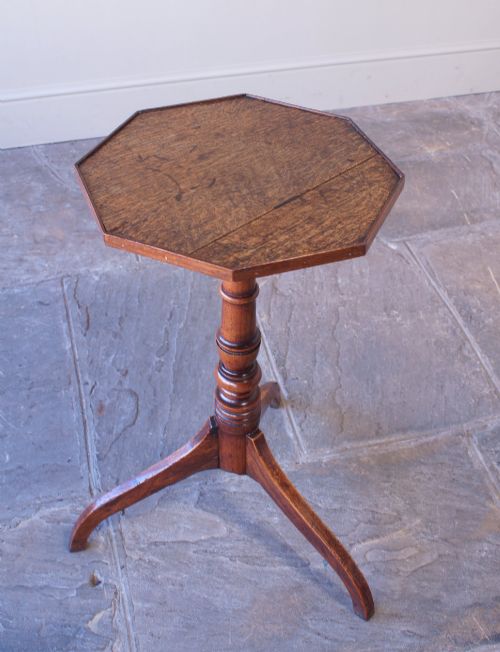
- Tripod table
- A small freestanding table supported by a central pillar resting on three legs. These versatile forms were frequently utilised for wine or lighting.
- Vernacular
- Everyday furniture made by local craftsmen using regional timber without high-style academic pretension. These pieces reflect practical domestic needs and local woodworking traditions.
Brown Oak Lamp Stands: Frequently Asked Questions
How do I spot an Arts and Crafts lamp table?
Arts and Crafts tables display simpler, unpretentious lines that celebrate the natural grain of the timber rather than relying on heavy veneer. Look for honest construction details and functional proportions.
These designs often emerge from specific workshops or movements, aligning closely with the ideals of craftsmen who valued utility alongside artistic integrity.
Are these stands suitable for modern lighting?
Many sturdy occasional tables and standard lamps from the Victorian and Edwardian eras adapt easily to contemporary electrical fittings. Their robust wooden surfaces provide stable platforms for modern bases.
Buyers frequently pair these historical items with contemporary shades to blend period character with functional daily illumination.
How should I care for brown oak furniture?
Maintain the timber by keeping pieces away from direct heat sources and sudden humidity changes that can cause wood to split. Regular dusting with a soft, dry cloth preserves the natural finish.
Occasional application of appropriate wax feeding helps nourish the grain without building up heavy chemical layers over time.
What is the difference between a side table and a plant stand?
Side tables typically offer broader surfaces designed to hold lamps, books, and small daily objects within reach of seating. Plant stands feature narrower, taller proportions originally intended to elevate flora.
In practice, both forms share similar structural designs and serve interchangeably as pedestals for lighting in domestic spaces.