


Antique Oak Lamp Pedestals
These antique oak lamp pedestals bring solid timber and sturdy proportions to any room, offering a practical surface with genuine period character.
Antique Oak Lamp Pedestals
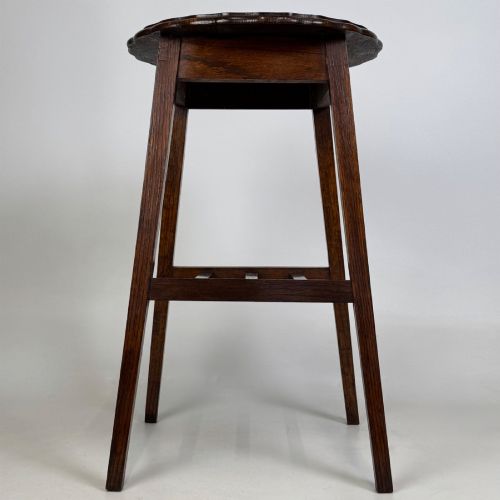
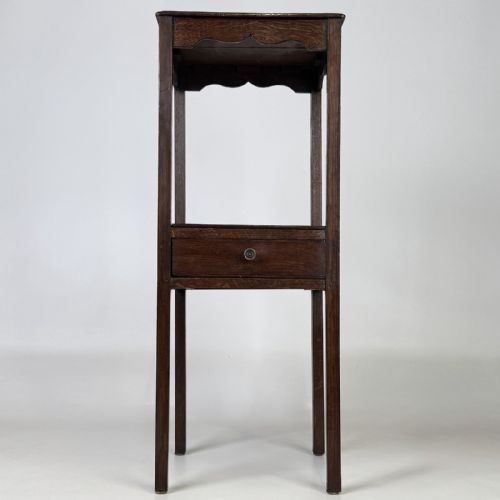
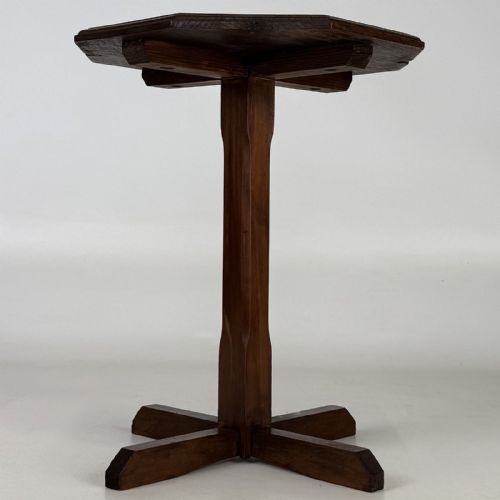
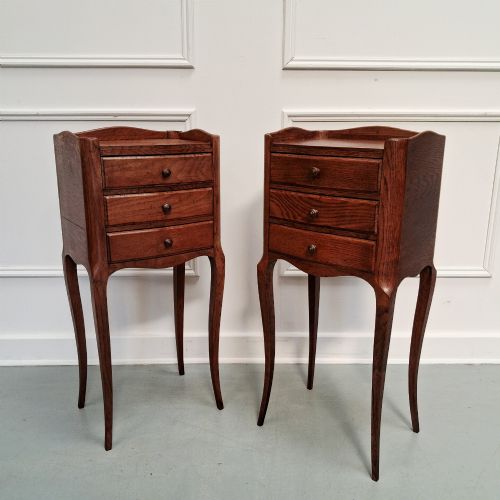
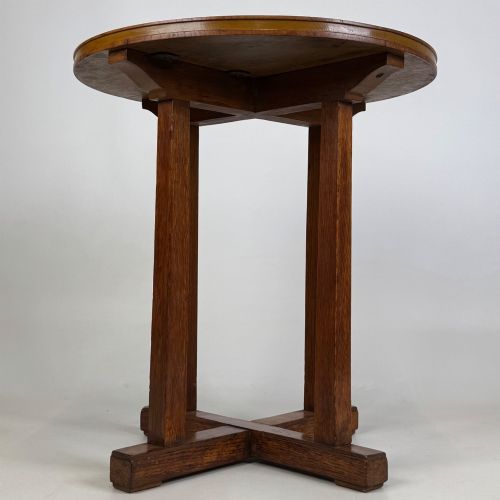
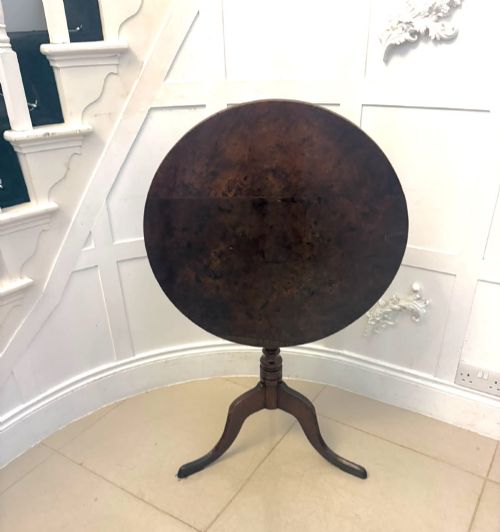
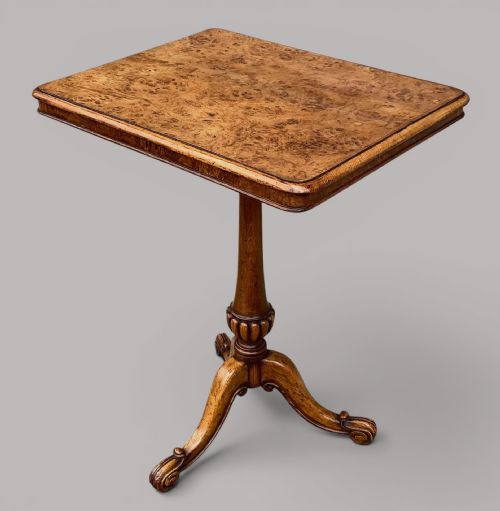
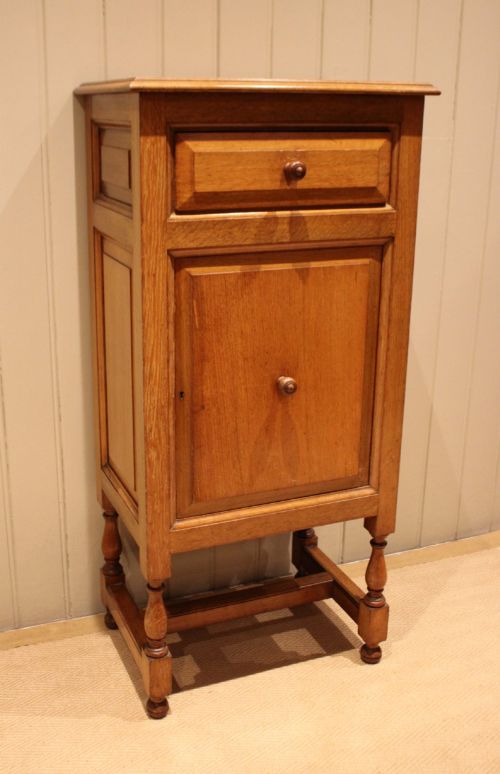
Antique oak lamp pedestals appear primarily as tripod tables, occasional tables, and candle stands spanning from the eighteenth century through the Edwardian period and the early twentieth century. Buyers seeking this phrase encounter sturdy timber furniture adapted over generations to hold lighting.
Vernacular pieces in burr oak, pollard oak, and elm sit alongside finely carved examples from English, Scottish, Welsh, and continental makers. The forms remain functional, serving equally beside seating or as freestanding accent tables.
Materials and construction
Cabinetmakers utilised solid oak, burr oak, and pollard oak for tops and columns, often combining elm or yew wood for contrasting grain and structural strength. Timber veneers and occasional brass mounts appear on specific refined examples from the Regency period.
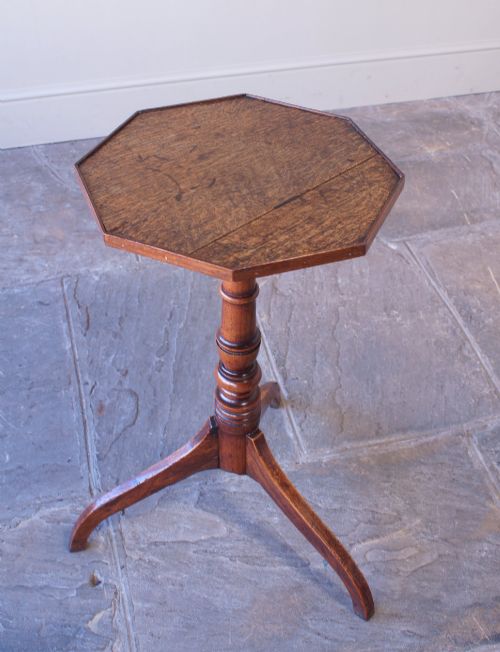
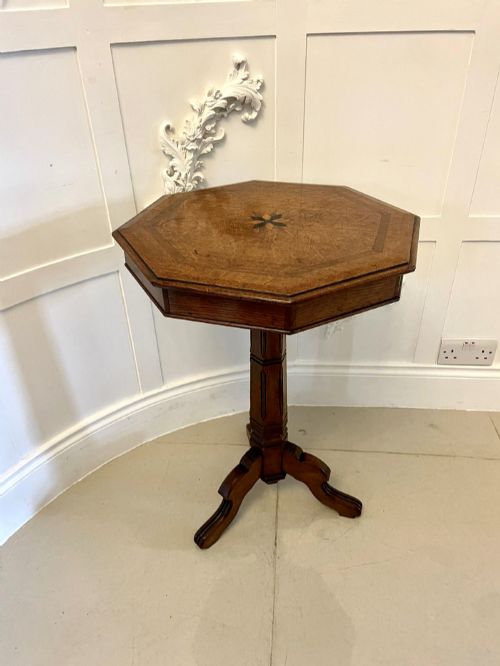
Tripod tables rely on three splayed legs tenoned or dovetailed into a central turned pillar, allowing a stable stance on uneven floors. Tilt-top mechanisms incorporate wooden catches and iron or brass latches to pivot the surface upright when not in use.
Antique Oak Lamp Pedestals Retail Price Guide 2026
Typical asking prices for oak lamp pedestals among the pieces listed under this phrase on Sellingantiques today, from the lower quarter to the upper quarter. They describe what is for sale here now, not the wider market.
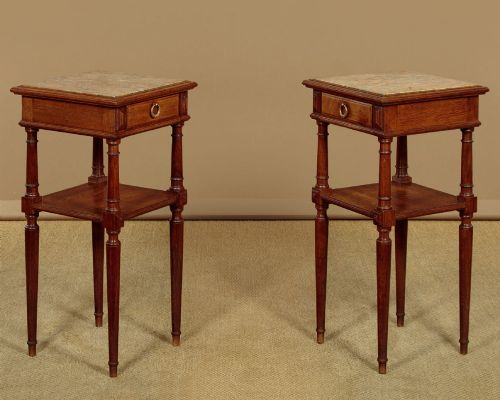
Listings feature oak combined with marble, brass, elm, and mahogany across Georgian, Victorian, and Edwardian periods.
Quality and craftsmanship
The distinction between standard utility items and exceptional pedestals lies in the choice of timber figure, such as richly patterned burr or pollard oak grain. Superior examples exhibit crisply carved details on the pillar or legs rather than cast or machine-moulded ornamentation.
Structural integrity depends on the original joints connecting the central column to the legs and top block. Fine workmanship maintains balanced proportions and smooth movement in tilt-top mechanisms without excessive wobble or replaced ironmongery.
Baillie Scott
The Antique Oak Lamp Pedestals Glossary
- Tripod table
- A small freestanding table supported by a central pillar resting on three legs. This form gained widespread popularity during the eighteenth century for serving tea or holding candles.
- Tilt-top
- A hinged tabletop mechanism that allows the surface to fold vertical against the pedestal. This clever design saved valuable floor space in smaller domestic rooms.
- Burr oak
- Timber harvested from tree growths that produce swirling, highly decorative grain patterns. Cabinetmakers selected these sections for prominent tabletops.
- Pollard oak
- Wood taken from trees pruned above the main trunk to encourage dense, mottled grain growth. This material yields distinctive patterns prized in nineteenth-century tables.
Antique Oak Lamp Pedestals: Frequently Asked Questions
What is an antique oak lamp pedestal?
These pieces are compact nineteenth-century and earlier tables originally built as wine tables, candle stands, or occasional furniture that now function as sturdy lamp supports.
They combine solid timber construction with versatile proportions suited for placement beside armchairs and sofas.
How do I date an antique oak table?
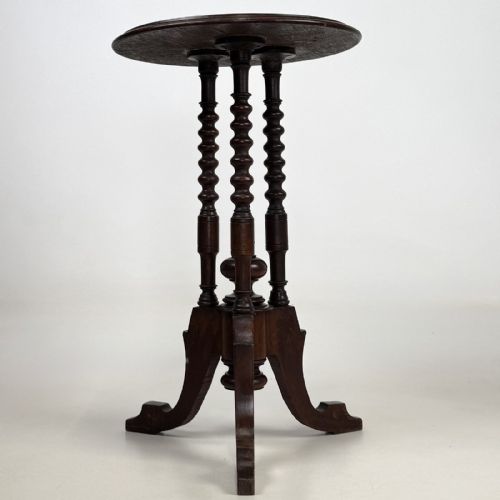
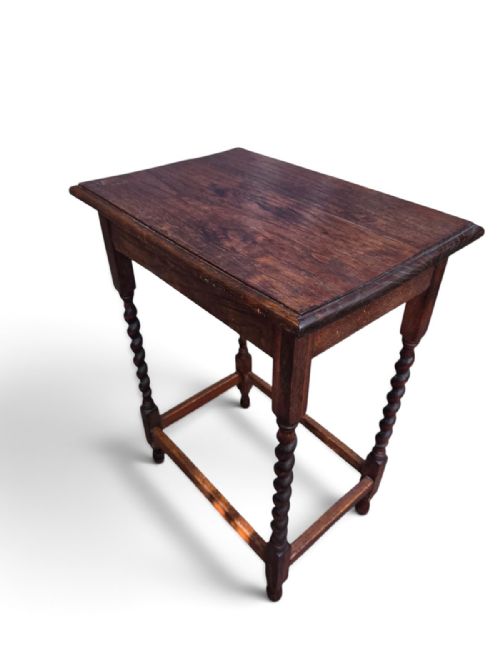
Dating relies on observing construction methods, leg profiles, and timber preparation techniques visible beneath the top and along the central pillar. Hand-cut dovetails, pegged joints, and specific turning styles such as barley twists offer clear chronological markers.
Comparing the grain patterns and hardware against documented examples from Georgian and Victorian periods confirms the likely era of manufacture.
Can I use these tables for modern lighting?
The stable tripod bases and solid oak tops provide secure platforms for modern table lamps and reading lights. Their compact footprints allow them to fit easily beside contemporary seating arrangements.
Ensure the weight of the lamp matches the scale of the tabletop to maintain balance.
What maintenance do antique oak surfaces need?
Regular dusting with a soft, dry cloth preserves the finish without building up heavy wax residues. Avoiding direct sunlight and sustained moisture protects the timber grain and prevents warping.
Occasional application of traditional beeswax nourishes older polish and enhances the natural lustre of the oak.