



Brown Oak Frame Painting
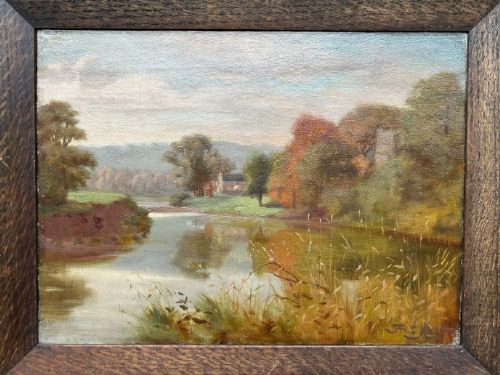
A brown oak frame painting brings together tactile timber and traditional canvas or paper work from Georgian, Victorian, and Edwardian periods.
Brown Oak Frame Painting
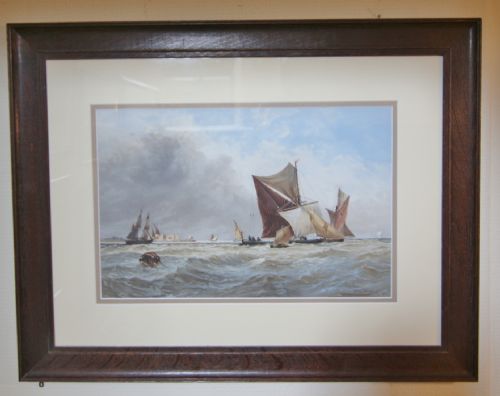
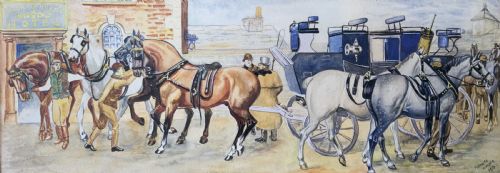
A brown oak frame painting combines historical artworks with sturdy wooden surrounds dating from the Georgian era through to the early twentieth century. Buyers seeking this phrase encounter framed oils, watercolours, and gouaches enclosed in distinct oak borders.
The selections span maritime scenes, rural landscapes, portraits, and animal studies set within natural timber mouldings. Most examples belong to the nineteenth and early twentieth centuries, reflecting traditional framing choices of those periods.
How they were made
Artisans built the surrounds using solid oak timber, housing works created in oil paint, watercolour, or gouache on canvas, paper, wood panels, or card. Pigments were applied by hand, often protected beneath glass depending on whether the medium was watercolour or oil.
Joinery techniques for the frames relied on traditional corner joints and mouldings designed to complement the proportions of the artwork inside. Timber surfaces were planed, finished, and left with natural grain patterns visible.
One cheerful Victorian portrait proudly preserves a subject with a wooden leg.
What varies in quality
The depth of skill in the brushwork distinguishes finer paintings from simpler naive or decorative pieces, showing in the handling of light, anatomy, and perspective. Hand-carved or well-joined timber mouldings contribute to the overall integrity of the frame.
Original matching between artwork and frame influences historical cohesion, as later pairings can alter the visual balance. The preservation of the painted surface, paper, canvas, and timber condition determines the integrity of the piece.
Frederick Marriott·Michelangelo Meucci·TB Hardy·Henry Charles Fox·John Constable·Andreas Schelfhout·Henry Birtles·Walter Herbert Wheeler·Kershaw Schofield·Godfrey Douglas Giles·Joseph Murray Ince
The Brown Oak Frame Painting Glossary
- Oil paint
- A slow-drying medium consisting of pigments suspended in a drying oil, typically linseed. It allows for rich colour blending and textured brushwork.
- Watercolour
- A paint consisting of water-soluble pigments used on paper supports. It creates transparent washes and delicate tonal gradations.
- Gouache
- An opaque water-based paint that includes a binding agent and white pigment to create solid, matte colour areas. It frequently appears in works on paper from the Edwardian period.
- Panel
- A flat support made from wood, such as oak, used for painting before canvas became dominant. Artists prepared the surface with a ground before applying pigment.
- Provenance
- The documented history of ownership surrounding a work of art. It establishes authenticity and traces the lineage of the piece.
Brown Oak Frame Painting: Frequently Asked Questions
How do I date a brown oak frame painting?
Dating relies on examining the construction methods of the timber frame alongside the style, medium, and pigments of the artwork within it. Secondary clues such as backing boards, fixings, and handwritten inscriptions on the reverse often provide specific chronological markers.
Changes in framing profiles and wood preparation techniques across the Georgian, Victorian, and Edwardian periods help align the frame's age with the period of the painting itself.
Were these frames originally made for the paintings?
Many frames were selected or custom-built to house specific artworks during their period of creation, maintaining a unified aesthetic. Over decades, some pieces were reframed to suit changing interior tastes or to protect damaged borders.
Checking for consistent wear between the artwork and the surrounding timber helps indicate whether the pairing is original or a later combination.
How should I care for an oak framed painting?
Keep the piece away from direct sunlight and sudden temperature shifts to protect both the wooden frame and the delicate pigments on canvas or paper. Stable indoor humidity prevents the oak timber from warping and stops watercolour paper from buckling.
Dust the frame gently with a dry, soft cloth and avoid applying liquid cleaners or polishes directly onto the timber or the painted surface.
What subjects are common in these artworks?
The selections frequently depict traditional British and European subjects, including pastoral landscapes, coastal views, domestic animals, and formal or naive portraits. These themes reflect the popular tastes of patrons from the eighteenth, nineteenth, and early twentieth centuries.
Historical scenes, sporting subjects, and botanical studies also appear, capturing everyday life and natural history through the eyes of period artists.