
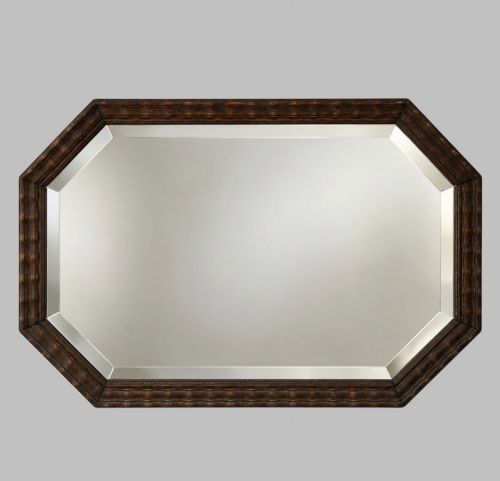
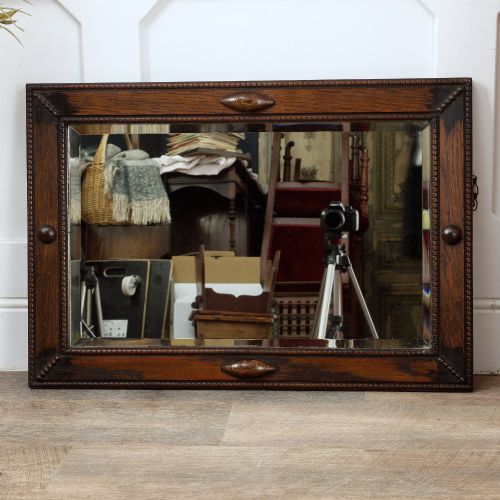
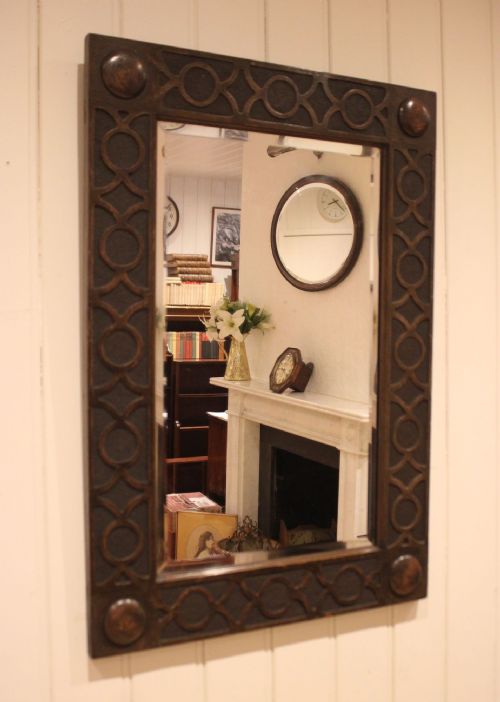


Brown Oak Frame Mirror
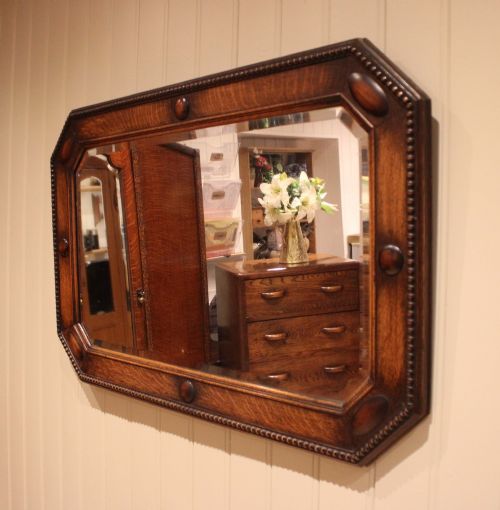
A brown oak frame mirror brings a deep, rich timber grain and solid architectural presence to an interior space.
Brown Oak Frame Mirror
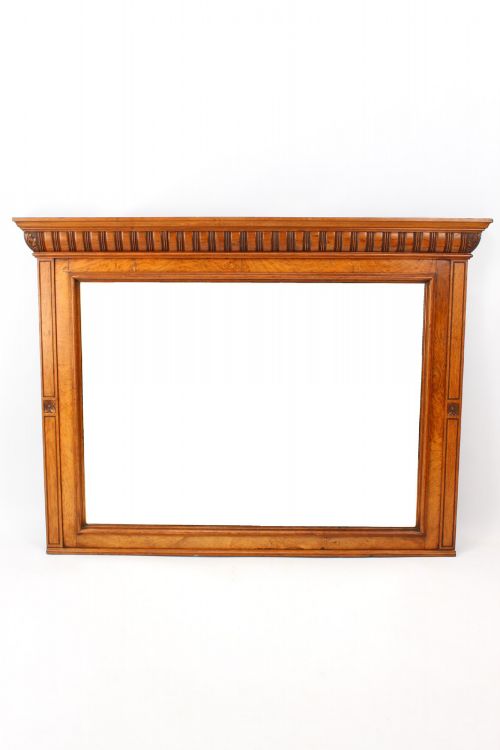
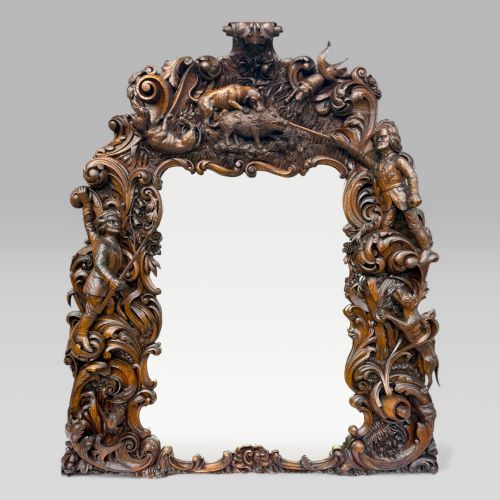
A brown oak frame mirror ranges from simple domestic wall hangings to grand architectural overmantels built for large reception rooms. These pieces appear across multiple periods, including the Victorian era, the Edwardian period, and the early twentieth century.
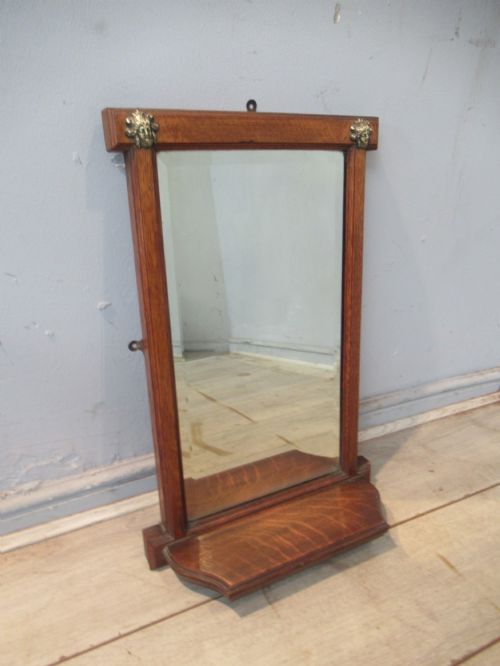
Buyers encounter various formats such as rectangular wall mirrors, hall mirrors, and cheval mirrors designed for dressing. Many examples originate from British workshops, while others reflect continental French and Dutch traditions.
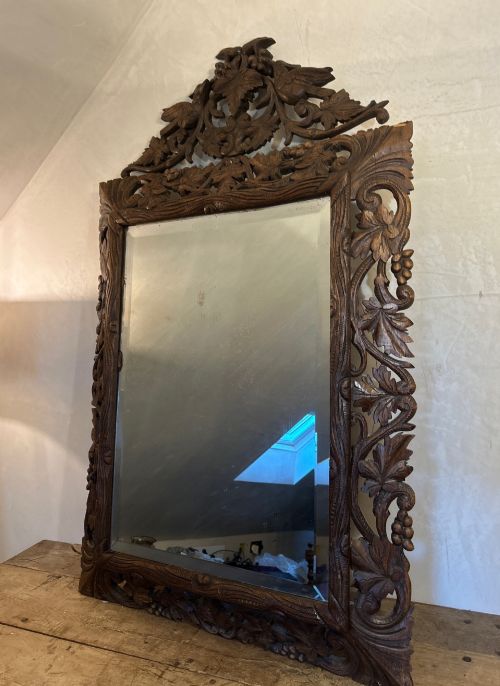
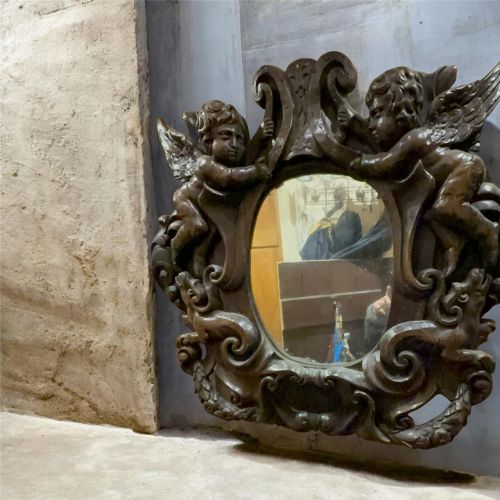
The timber itself provides the defining visual character, often showing rich figuring and deep natural patination developed over decades. Styles span from plain solid wood borders to heavily carved Gothic Revival and Renaissance-inspired frames.
Materials and construction
Makers utilised solid oak and carved oak for the primary structural frames, sometimes enhanced with gesso and gold leaf detailing. Glass plates feature bevelled edges in finer examples, secured within heavy wooden rebates.
Joinery techniques involve traditional mortise and tenon joints to support the considerable weight of dense timber and large mirror glass. Decorative elements range from hand-chiselled foliage and side columns to applied egg and dart mouldings.
Listings feature pieces from the 18th century through to the 1930s, constructed in oak, brass, gesso, and gold leaf.
Distinguishing quality in timber and carving
The distinction between standard utility items and exceptional pieces lies in the depth of the timber figuring and the crispness of the hand-carved ornamentation. Deeply undercut foliage and architectural mouldings indicate superior workshop output compared to plain mechanical shaping.
The integrity of the original glass and the stability of the heavy oak frame determine the preservation status. Frames that retain their original patinated finish and authentic backing boards command greater attention from discerning collectors.
Waring and Gillow
The Brown Oak Frame Mirror Glossary
- Overmantel mirror
- A large horizontal mirror designed specifically to hang above a fireplace mantelpiece. These pieces often feature elaborate carved frames to anchor the decorative scheme of a principal room.
- Cheval mirror
- A freestanding full-length mirror mounted in a frame on pivots, allowing the glass to tilt. This form typically stands on four stable legs or feet.
- Gesso
- A plaster-based mixture applied to wood frames to provide a smooth surface for gilding or painting. Artisans model or stamp intricate patterns into this layer before applying gold leaf.
- Egg and dart
- An ornamental moulding pattern consisting of alternating egg-shaped shapes and pointed darts. This classical motif appears frequently on Victorian architectural frames.
- Bevel
- An angled edge cut along the perimeter of the mirror glass to catch and refract light. This decorative technique distinguishes higher quality glazing from flat plate glass.
Brown Oak Frame Mirror: Frequently Asked Questions
How do I hang a heavy oak mirror?
Heavy timber frames require robust wall fixings anchored directly into structural masonry or wooden studs to bear the substantial weight safely. Using professional mirror plates screwed securely into the frame back ensures stable suspension.
Position the piece at eye level or centered above a fireplace to balance the proportions of the room correctly. Heavy overmantels often rest partially on the mantel shelf itself for additional weight distribution.
How do I date an oak frame?
Dating relies on observing construction methods, joinery types, and stylistic indicators such as Gothic Revival or Edwardian motifs. Hand-cut screws, backboards with visible pit-saw marks, and old fixings point towards earlier periods.
Timber colour and surface patination also develop distinct characteristics over centuries of exposure to light and air. Comparing the carving style with documented workshop practices helps narrow down the decade of manufacture.
Can I place these mirrors in a bathroom?
High humidity and moisture in bathrooms can damage antique wood and compromise the silvering on the back of old glass. Timber frames absorb ambient moisture, which may lead to warping or separation at the mitre joints.
Dry hallways, living rooms, and bedrooms provide a more stable environment for preserving the original wood finish and mirror plate. Adequate ventilation is essential if placed in any room prone to temperature fluctuations.