
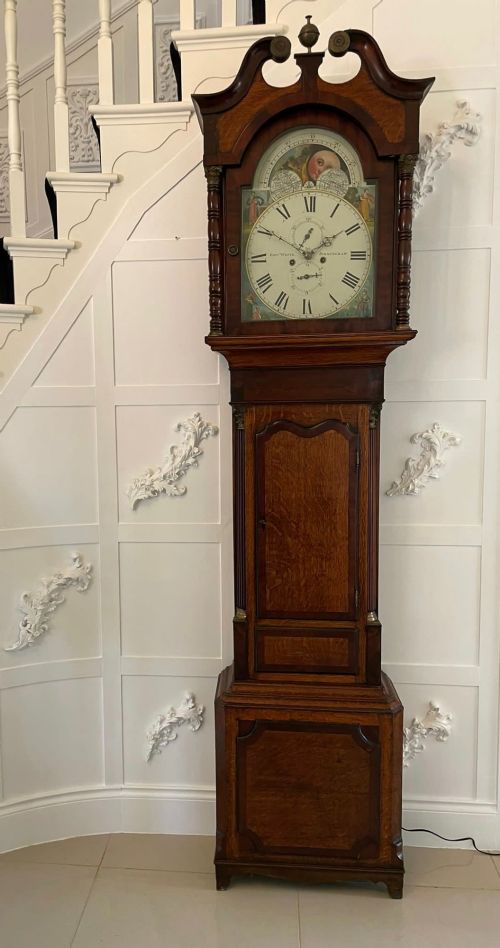
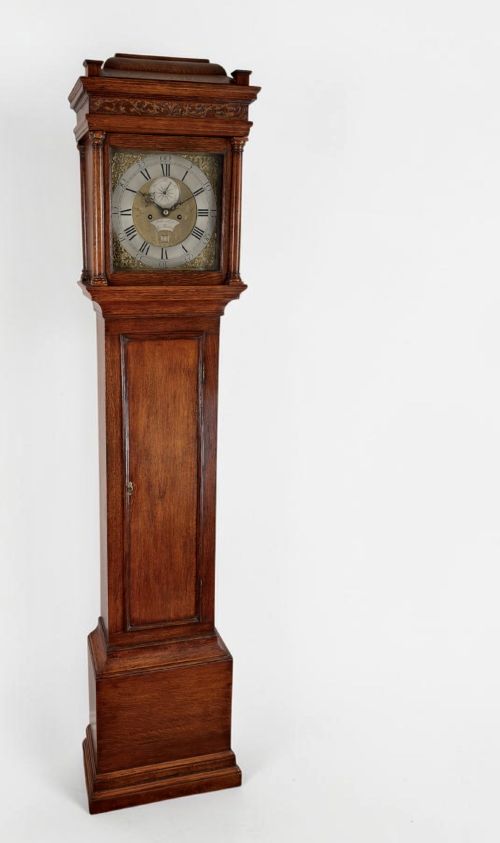
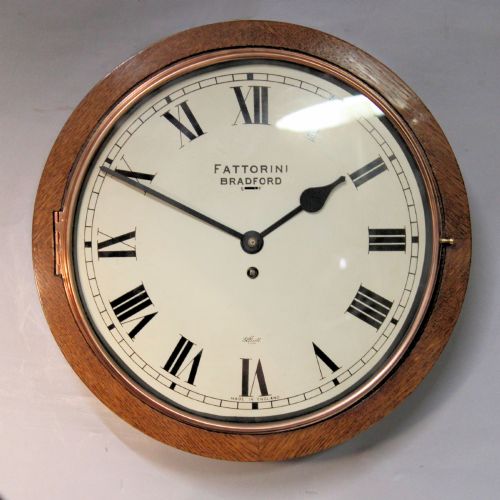
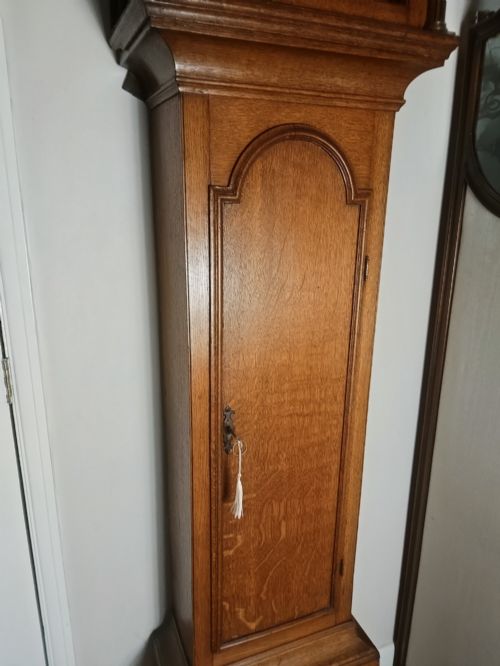
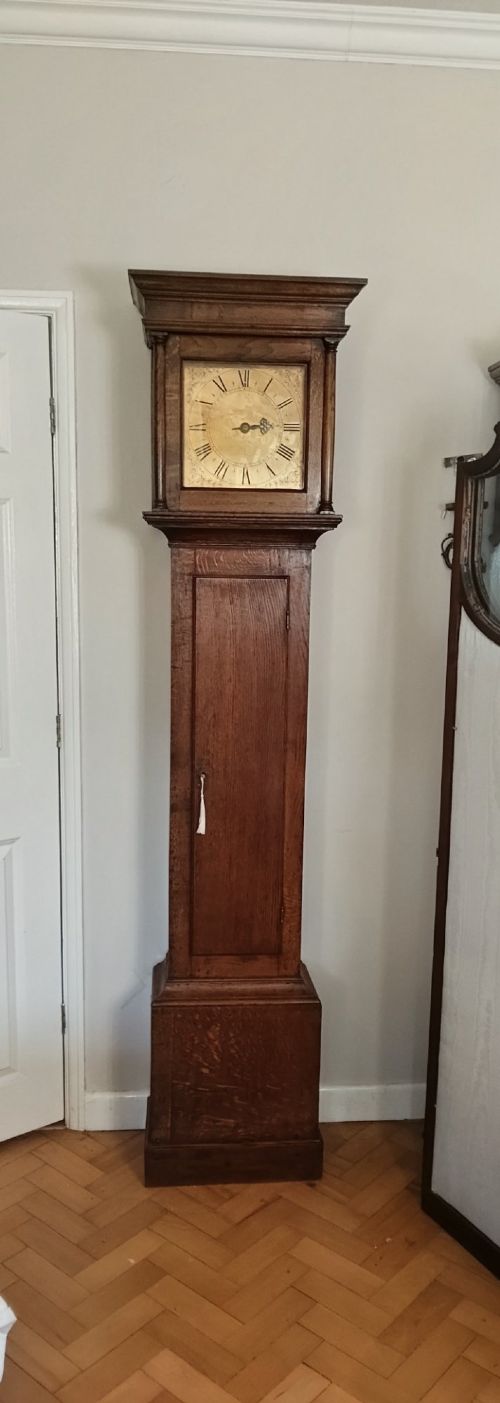
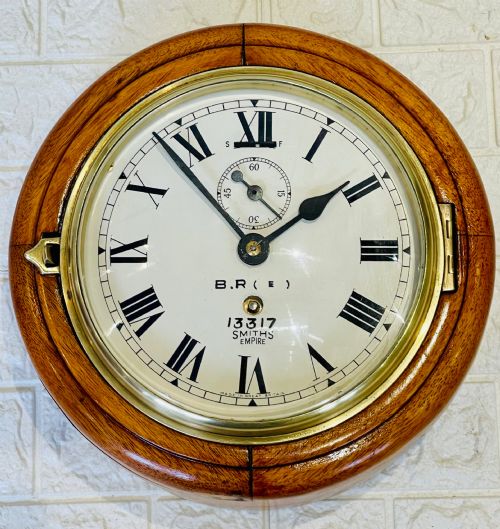
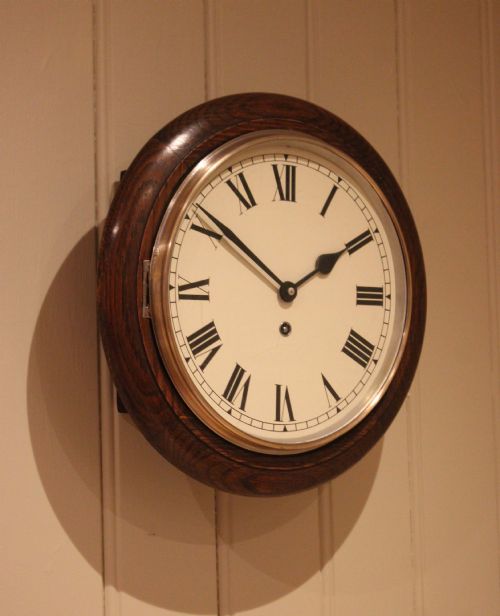
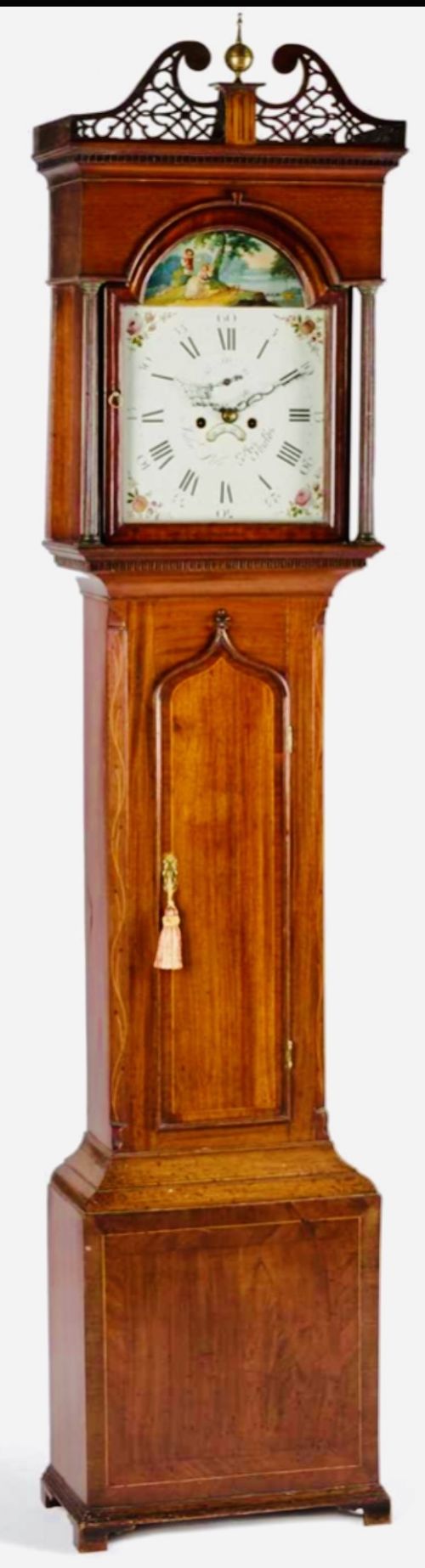

Brown Oak Dial Clock
When you search for brown oak dial clock, you are looking at substantial timepieces rooted in timber and brass.
Brown Oak Dial Clock
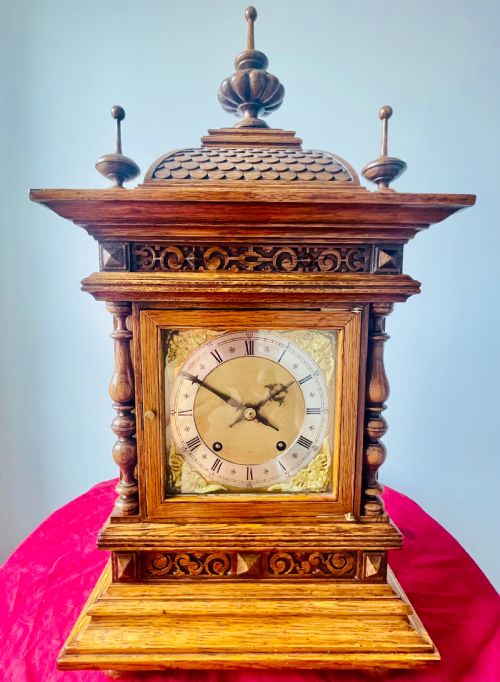
A brown oak dial clock brings together timber-cased timekeepers and wall-hung dials spanning the Georgian era through to the mid-twentieth century. The materials visible in this selection range from solid oak and mahogany to brass, iron, and glass.
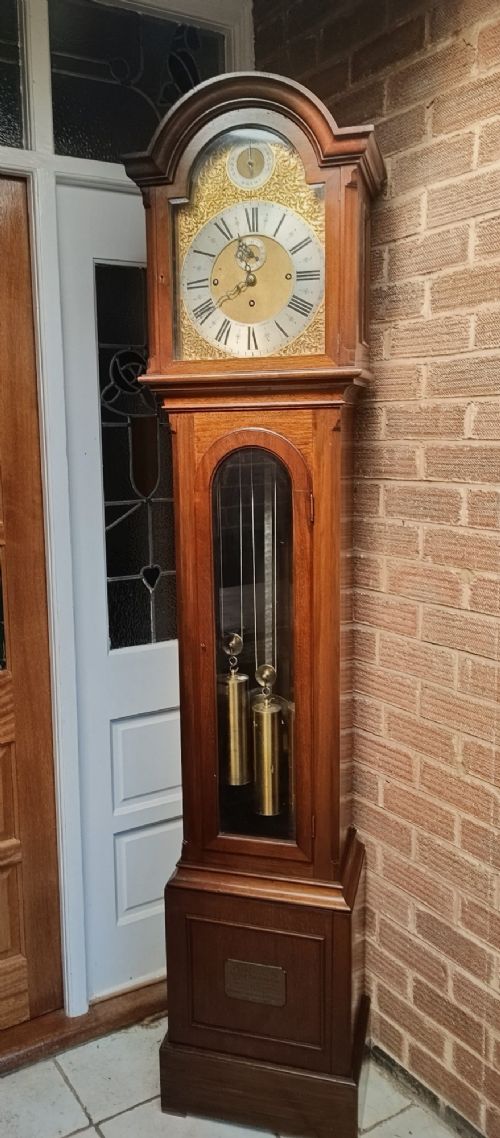
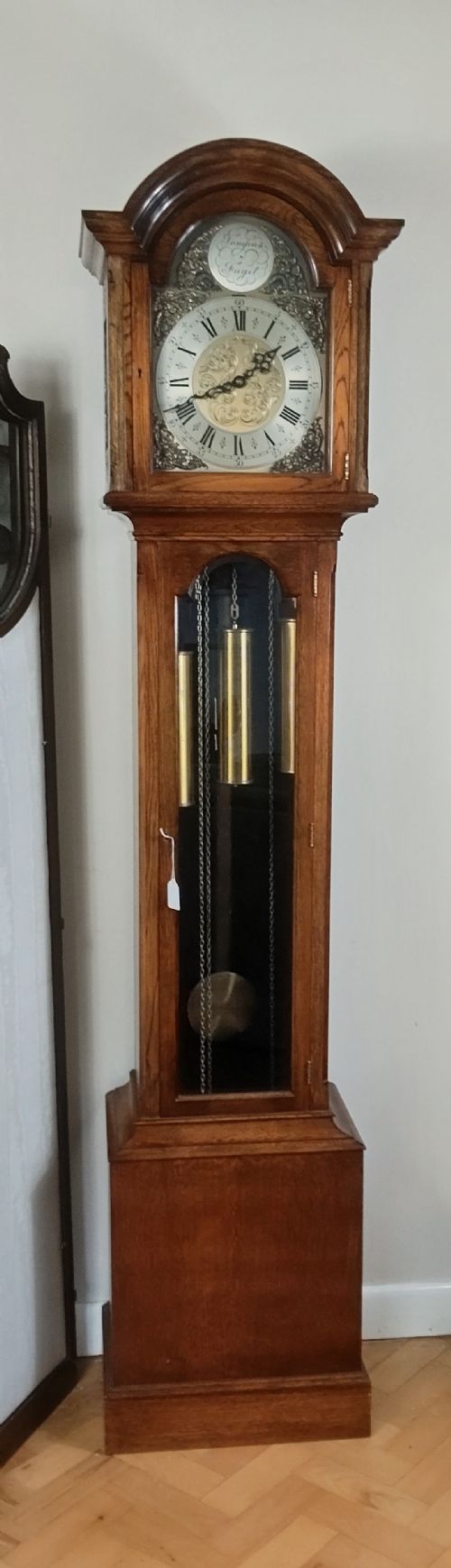
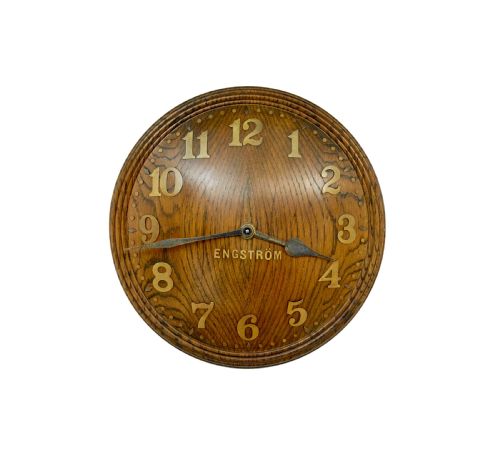
Wall clocks and tallcase grandfather clocks dominate the forms on this page, alongside occasional bracket and mantel pieces. These objects emerge from various periods including the eighteenth century, the Victorian age, Edwardian years, and Art Deco times.
Makers and retailers represented in the records include regional English and Welsh horologists such as Lee of Great Marlow, Thomas Webbe, and Edward White of Birmingham. Buyers encounter both domestic house clocks and institutional pieces like railway office timekeepers.
Materials and construction
Timber frames rely primarily on oak, sometimes paired with mahogany crossbanding or secondary deal timbers, shaped and joined by hand or early machinery. Enamel, painted iron, and brass form the dial faces where roman or arabic numerals are marked.
Movements utilise iron and steel wheels, pinions, and levers, driven by weights or fusee chains depending on whether the piece is a wall dial or a tallcase clock. Glass protects the dial faces within brass bezels and timber door frames.
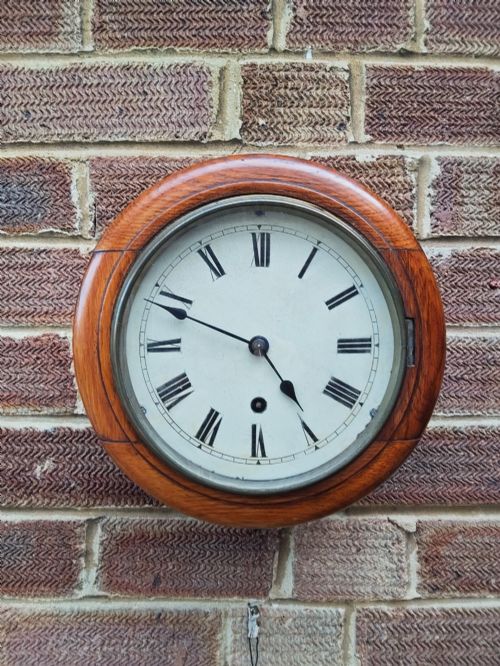
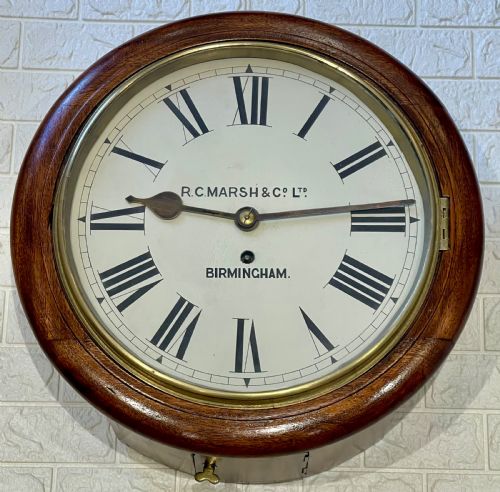
Railways required dependable timekeeping, leading to robust wall dials installed in bustling waterways and station offices.
Judging quality in timepieces
The sophistication of the movement largely defines the standard of the piece, moving from simple thirty-hour trains to eight-day mechanisms, striking gongs, or fusee drive systems. Dial legibility and the crispness of painted or engraved markings also distinguish finer examples.
Cabinetwork quality shows in the choice of timber figure, the tightness of mitres, and the restraint or skill of mahogany banding and brass fittings. Original components remaining together across dial, movement, and case elevate the integrity of the whole object.
Lee of Great Marlow·Elliott·Winterhalder·W&H Sch·Zenith·Thomas Webbe·Edward White Birmingham·David Craig·Richard Prew·Richard Alexander·James Coster·Harrods·Stanyer Nantwich·Preddy of Langport
The Brown Oak Dial Clock Glossary
- Fusee
- A conical pulley used in spring-driven clocks to equalise the torque as the mainspring unwinds. This mechanism helps maintain consistent timekeeping throughout the running cycle.
- Dial
- The face of the clock where the hours and minutes are displayed. On these pieces, dials are typically made of painted iron, brass, or enamel.
- Grandfather clock
- A tall freestanding pendulum clock enclosed in a wooden case, also known as a longcase clock. These tall enclosures protect the weights and pendulum.
- Lever escapement
- A mechanism that controls the release of the gear train to deliver impulses to the pendulum or balance wheel. It allows portable clocks to run accurately in various positions.
- Quarter chiming
- A striking mechanism that sounds bells or gongs at each quarter hour as well as the full hour. More complex movements feature multiple bells or musical tunes.
Brown Oak Dial Clock: Frequently Asked Questions
What is a fusee dial clock?
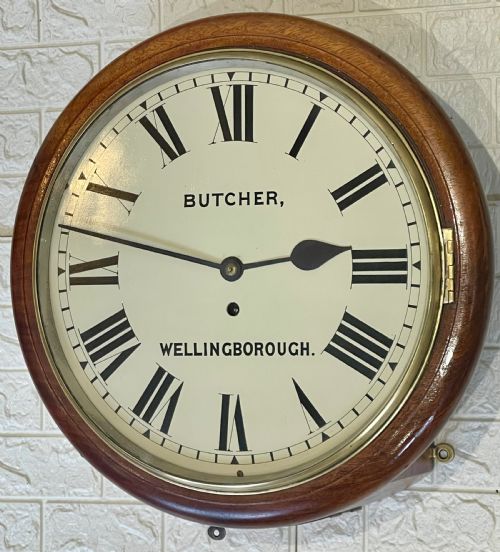
A fusee dial clock is a wall-mounted timepiece driven by a chain and a conical pulley rather than hanging weights. This mechanism delivers even power to the escapement as the mainspring relaxes.
Such wall clocks were commonly used in offices, railway stations, and large domestic rooms during the Victorian and Edwardian periods.
How do I tell an 18th-century clock from a Victorian one?
Eighteenth-century tall clocks often feature square brass dials or arched painted faces housed in simpler, deeper oak carcasses with distinct proportions. Victorian pieces frequently incorporate mass-produced movements, varied timber veneers, and machine-cut numerals.
Examining the backplate, dial fixings, and secondary woods helps reveal the manufacturing period of the case and movement.
Where were tallcase clocks placed in a home?
Grandfather clocks stood in hallways, landings, or principal living rooms where their chimes could be heard throughout the house. Their tall oak cases protected the swinging pendulum and hanging iron weights from drafts and disruption.
These pieces served as both practical timekeepers and prominent items of household furniture.
How do I care for an antique oak clock?
Keep mechanical clocks away from direct sunlight, damp walls, and sudden temperature shifts that affect timber and metal parts. Professional servicing every few years ensures the gear trains and pivots remain free of accumulated dust and old oil.
Wind weight-driven or fusee movements steadily according to their eight-day or thirty-hour capability without over-tensioning the spring.