




Vintage English Horology Clock
These vintage english horology clock items unite centuries of mechanical mastery and timber craftsmanship, offering any interior a striking centrepiece with genuine historic utility.
Vintage English Horology Clock
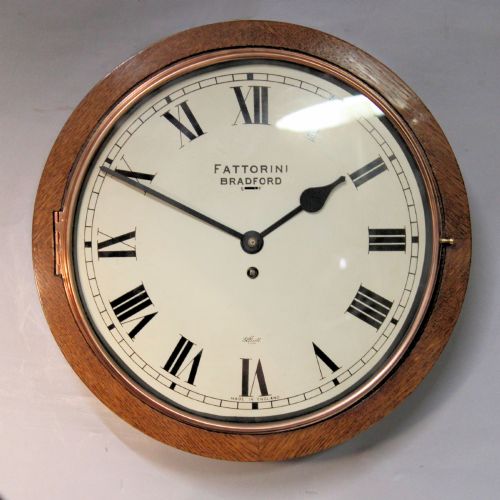
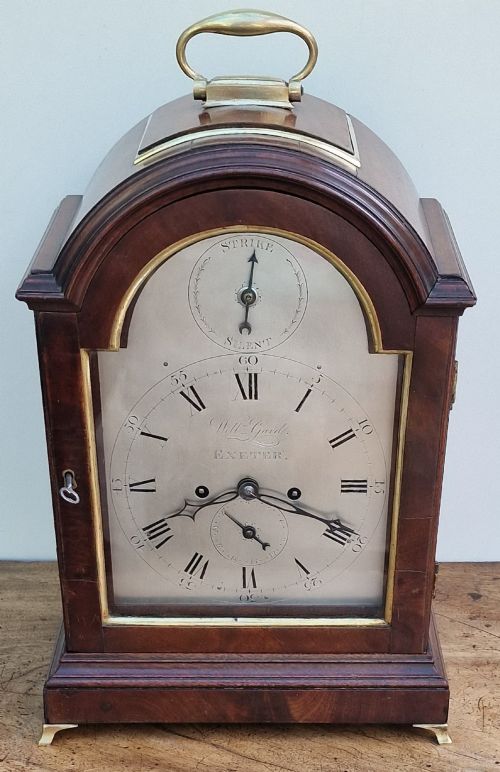
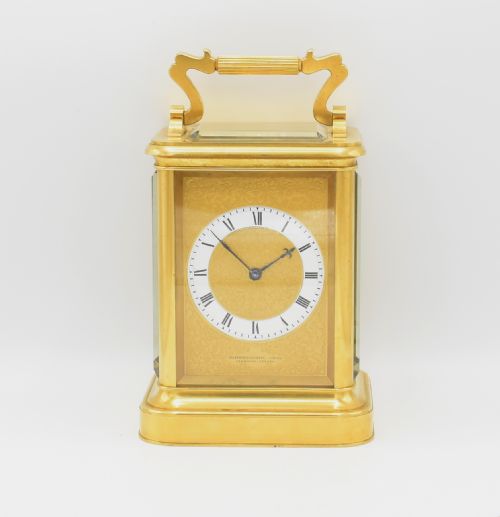
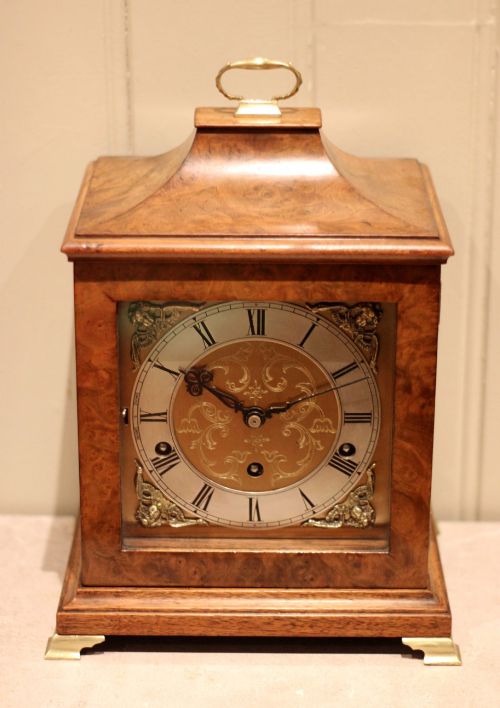
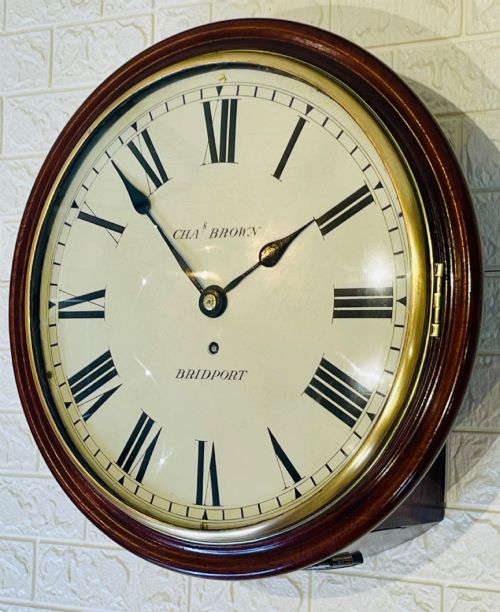
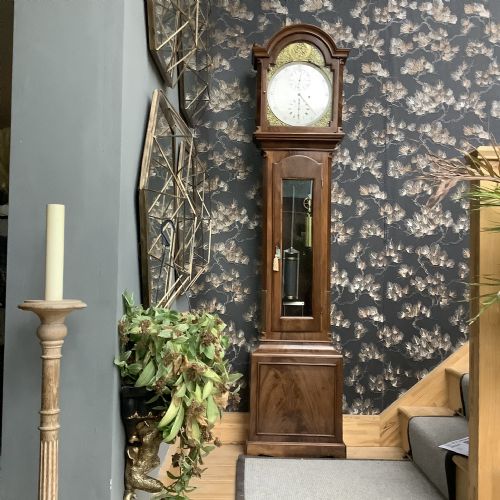
A vintage english horology clock encompasses various forms, ranging from wall dial clocks and tall longcase grandfather clocks to compact bracket and carriage timepieces. Buyers searching this phrase most frequently encounter mahogany wall dial clocks and wooden bracket clocks originating from the Victorian, Georgian, and Regency periods.
The selection spans sturdy school clocks with fusee movements to intricate lantern clocks featuring verge escapements and alarms. Regional makers from provincial towns sit alongside prominent London horologists, offering both wall-mounted and table-standing configurations.
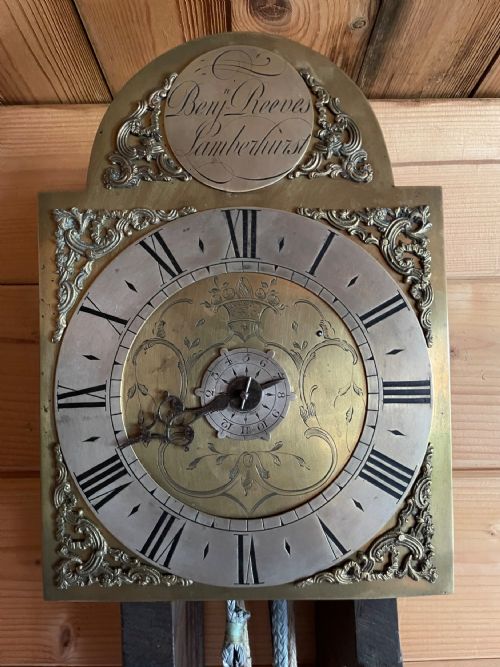
Cabinet woods such as oak, walnut, and burr walnut dominate the housings, complemented by brass dials, silvered chapters, and bevelled glass. Each configuration reflects the specific domestic or institutional needs of its original era.
Materials and Construction
Clockmakers relied on solid hardwoods like mahogany, oak, and walnut to construct sturdy cases that housed delicate brass and steel gear trains. Cases often incorporated decorative veneers, ebony stringing, or brass inlay to enhance the visual depth of the timber.
Mechanical components utilised brass plates, steel pivots, and glass protection, driven by fusee or lever escapements connected to weight or spring power. Dials combined painted wood, engraved brass, or silvered metal with enamelled chapter rings for clear legibility.
Distinguishing Quality
Quality rests upon the precision of the movement, the integrity of the original case timber, and the reputation of the maker inscribed on the dial. Examples featuring signed movements by established London or regional horologists demonstrate superior mechanical execution.
The sophistication of the escapement mechanism, such as a well-adjusted fusee or verge system, separates standard utility pieces from high-grade horological instruments. Unaltered timber cases with original patination and clear dial signatures retain greater historical coherence.
Elliott·John Spershott·William Barrow·Francis Perigal·James McCabe
The Vintage English Horology Clock Glossary
- Fusee
- A conical pulley used on spring-driven clocks to maintain equal force on the gear train as the mainspring unwinds.
- Verge escapement
- An early type of mechanical escapement utilising a crown wheel and pallets to regulate the swing of the pendulum or balance.
- Chapter ring
- The annular metal band on a clock dial that bears the hour numerals.
- Bracket clock
- A portable table clock originally designed to sit upon a dedicated wall bracket or furniture surface.
- Dial clock
- A wall-mounted clock featuring a prominent circular face, commonly operated by a fusee movement.
Vintage English Horology Clock: Frequently Asked Questions
How do I wind a fusee clock?
Wind the clock using the designated key inserted into the winding hole on the dial, turning it gently until resistance stops the movement.
Avoid overwinding the spring, as this can damage the fusee chain or internal gear components.
Where were wall dial clocks used?
These clocks served public spaces, railway stations, schools, and domestic hallways where accurate timekeeping was essential for daily coordination.
Their clear circular dials allowed workers or residents to read the time quickly from a distance.
How do I identify a Georgian clock?
Examine the timber and dial construction for characteristics typical of the eighteenth and early nineteenth centuries, such as heavy mahogany cases and engraved brass dials.
Maker signatures and movement styles like verge or early fusee also help pinpoint the manufacturing era.
Can these clocks run daily?
Many mechanical clocks maintain accurate time when professionally serviced, levelled correctly, and wound according to their specific power reserve duration.
Placement on a stable wall or level surface is crucial for the pendulum and escapement to beat evenly.