


Brown Oak Bureau Chest
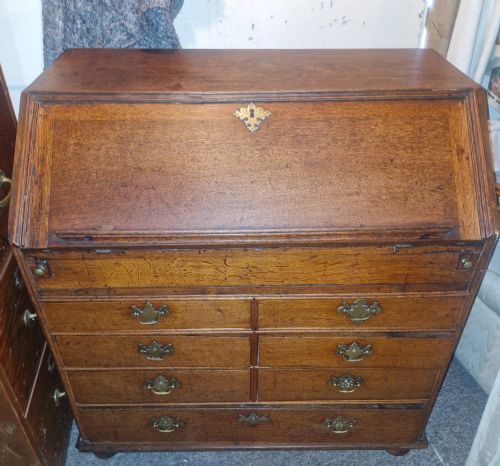
A brown oak bureau chest brings together robust timber and a practical writing surface, offering a handsome workspace and storage built to last.
Brown Oak Bureau Chest
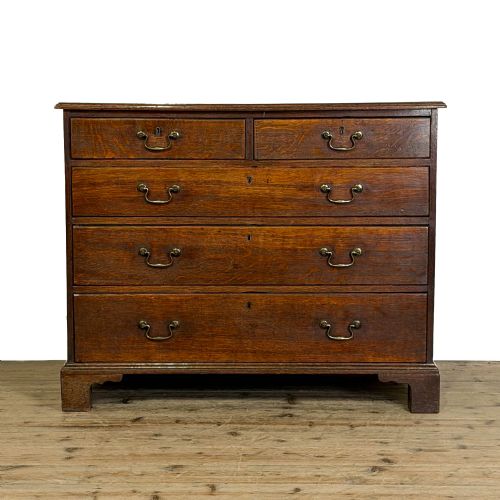
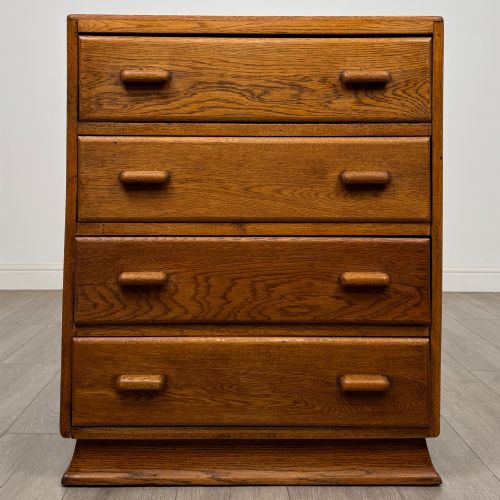
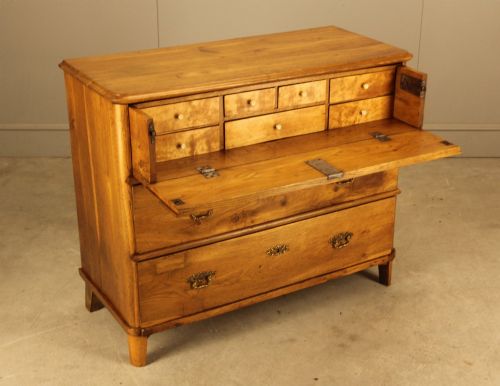
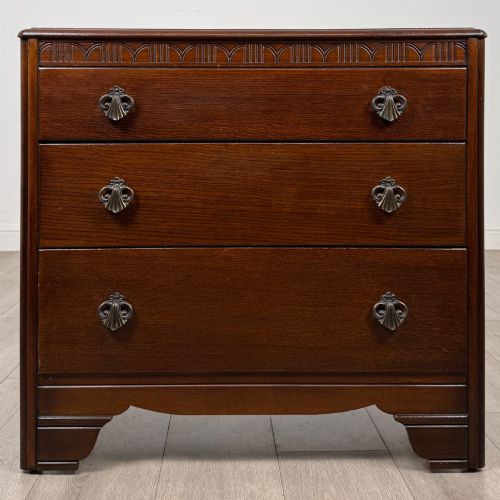
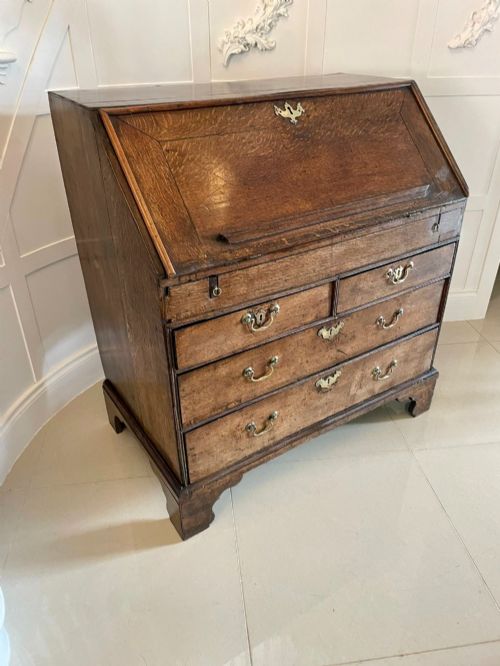
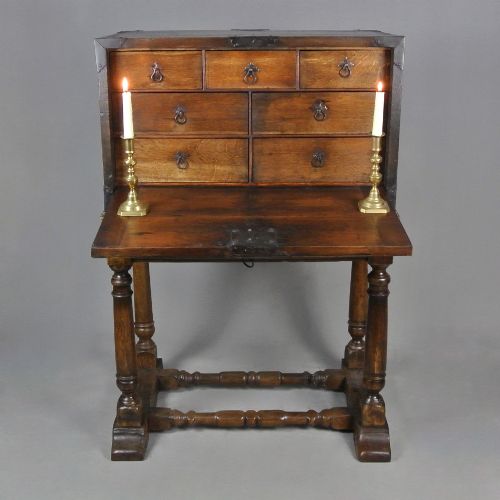
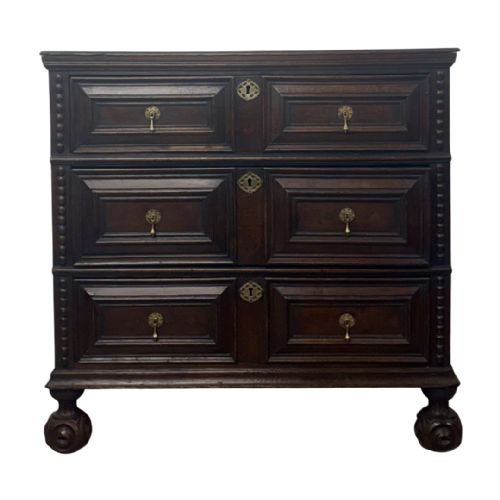
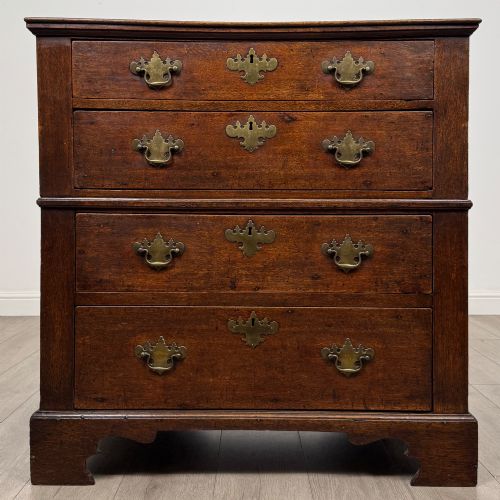
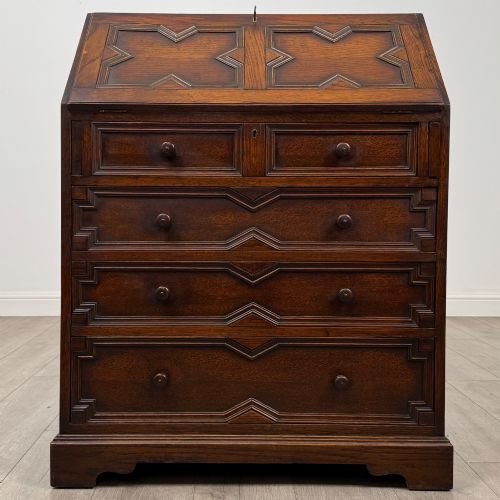
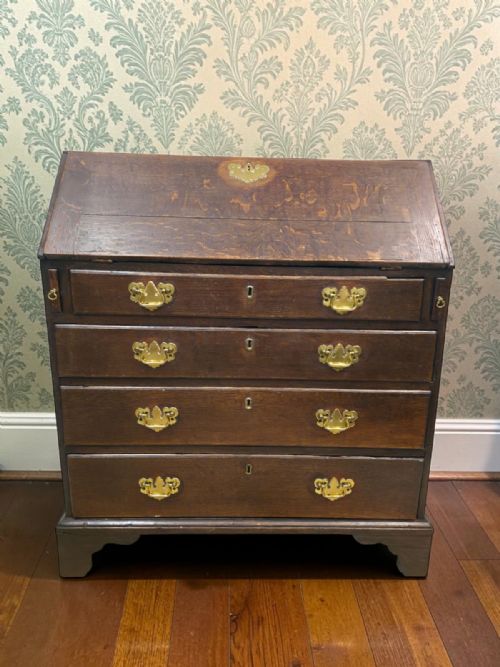
When you search for a brown oak bureau chest, you encounter sturdy forms designed for both writing and storage. The selection spans pieces where a fall-front desk meets drawer storage, alongside related oak chests of drawers.
The material character defines the group, dominated by oak timbers with occasional brass, iron, or glass details. Pieces emerge from periods ranging from the seventeenth century through the Georgian era and into the Edwardian and early twentieth century.
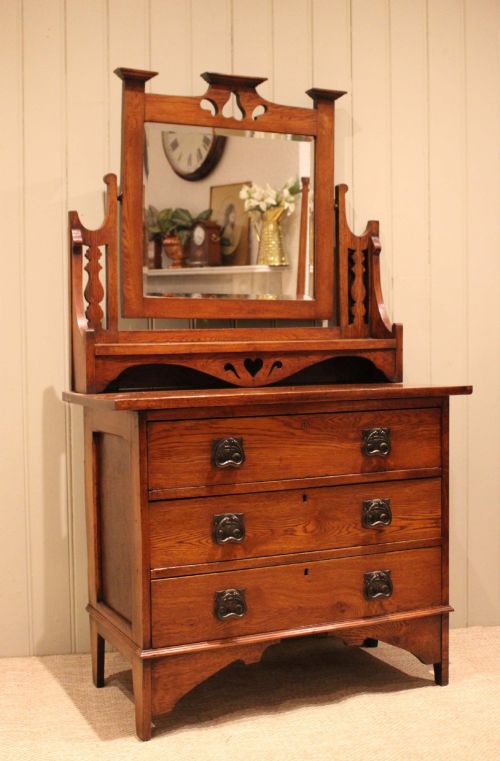
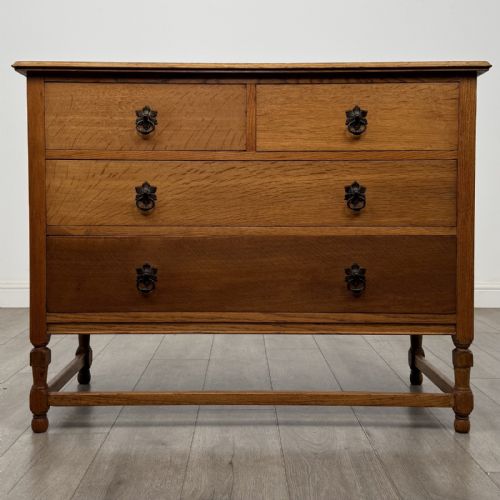
Regional and stylistic variations appear across the inventory, including Jacobean revivals, Arts and Crafts pieces, and English country workshop styles. Most examples balance functional drawer arrangements with fitted writing interiors.
What varies in quality
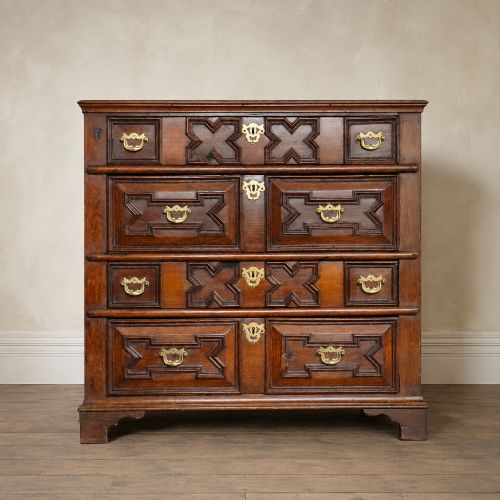
The refinement of the interior joinery separates standard drawer units from exceptional bureau desks. Superior examples showcase intricate fitted compartments behind the fall-front alongside crisp, early geometric moulding.
Timber selection and grain figure dictate the visual hierarchy of the surface. Richly figured brown oak with original wooden handles or patinated brasses commands greater interest than plainer utility pieces.
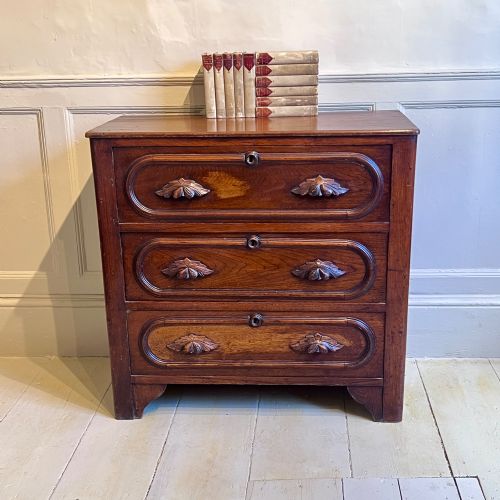
The crispness of period carved details and the survival of original hardware anchor the authenticity of the construction. Unaltered structural timber and period-appropriate drawer linings maintain the integrity of the piece.
Brown Oak Bureau Chest Retail Price Guide 2026
Typical asking prices for brown oak bureau chest among the pieces listed under this phrase on Sellingantiques today, from the lower quarter to the upper quarter. They describe what is for sale here now, not the wider market.
Listings span seventeenth-century joined oak, Georgian walnut and mahogany, through to Arts and Crafts styles and early twentieth-century oak production.
Harris Lebus
The Brown Oak Bureau Chest Glossary
- Bureau
- A desk featuring a sloping hinged lid that drops to form a writing surface, often concealing small drawers and pigeonholes inside. Early examples date to the seventeenth and eighteenth centuries.
- Geometric moulded
- A decorative front style utilised on seventeenth-century drawer units, featuring applied mouldings in rectilinear or panelled patterns. This technique creates depth and shadow across the timber surface.
- Secretaire
- A cabinet or chest incorporating a pull-out drawer or drop-front section configured as a writing desk. These pieces combine standard chest storage with concealed writing equipment.
- Fall-front
- A hinged writing flap that drops down into a horizontal position to provide a desk surface. It closes vertically to secure the interior compartments when not in use.
- Jacobean style
- A heavy seventeenth-century aesthetic marked by austere rectilinear forms, panelled construction, and robust turning. Later revival pieces emulate these early characteristics.
Brown Oak Bureau Chest: Frequently Asked Questions
How do I identify a Georgian bureau?
Georgian bureau desks typically present clean proportions, bracket feet, and brass swan-neck handles mounted on solid oak or mahogany construction. The interior reveals small pigeonholes and secret compartments arranged around a central cupboard door.
Examine the drawer linings and backboards for hand-cut joinery and period tool marks that confirm eighteenth-century manufacture rather than later revival work.
Where should I place an oak bureau?
Position your oak bureau in a study, living room, or hallway where the fall-front can drop safely without blocking walkways. Ensure the room maintains stable humidity levels to protect the solid timber and internal joinery from seasonal movement.
Keep the piece away from direct sunlight and strong heat sources to preserve the natural brown patina of the oak surface.
How do I care for antique oak furniture?
Maintain antique oak by dusting regularly with a soft, dry cloth and applying natural beeswax sparingly to nourish the dry timber. Avoid silicone-based polishes that build up a greasy film over the historic finish.
Address minor spills immediately with a dry cloth and protect the writing surface from ink and moisture using traditional blotters or leather pads.