

Brown Oak Box Seat
These heavy brown oak box seat designs combine seating with hidden storage, offering sturdy utility rooted in centuries of rural craft.
Brown Oak Box Seat
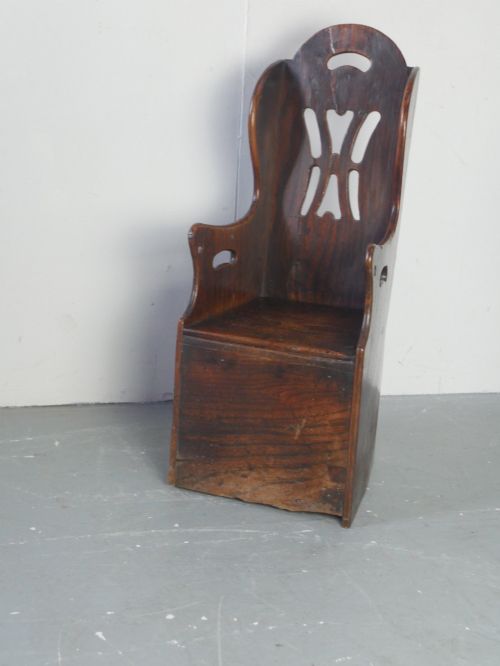
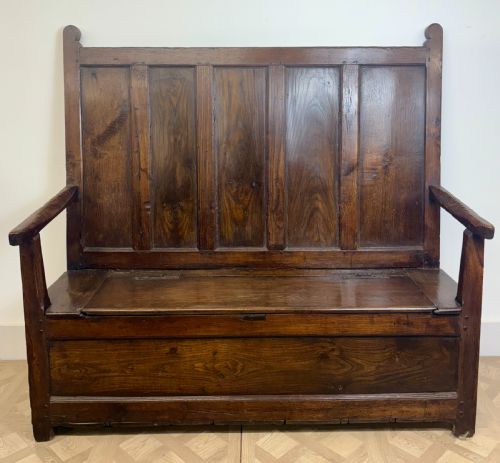
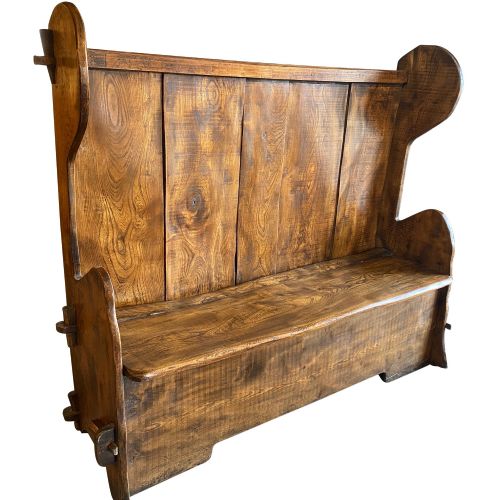
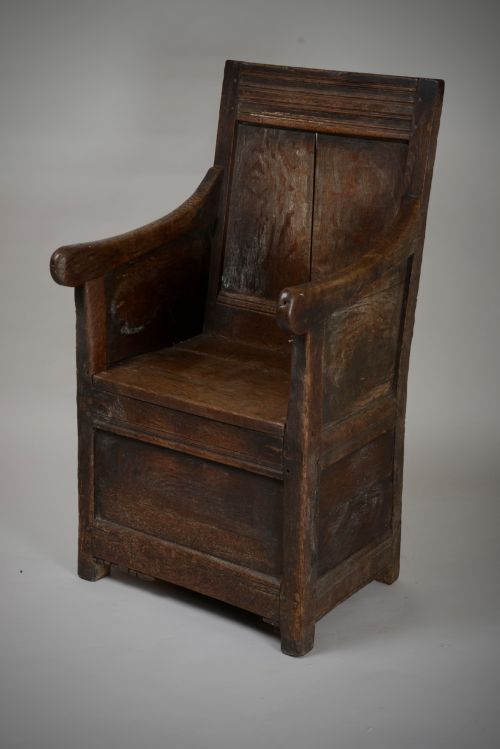
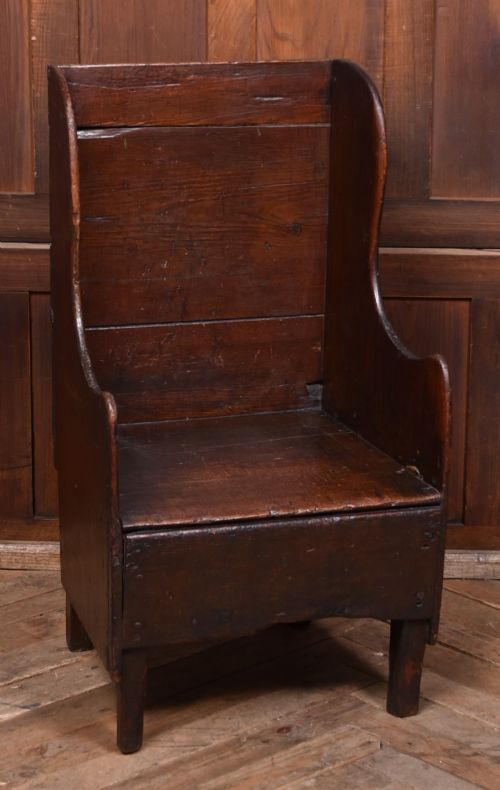
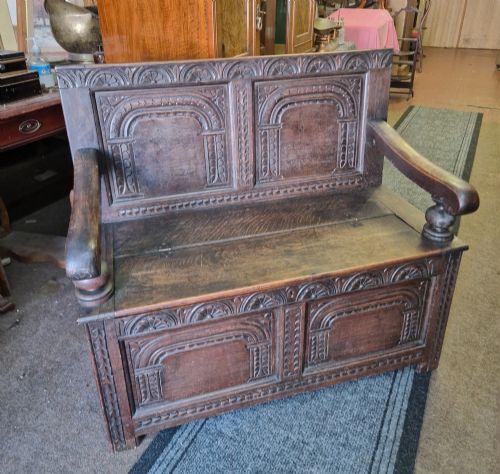
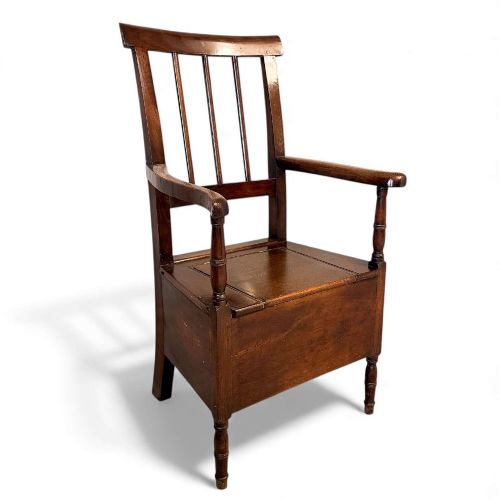
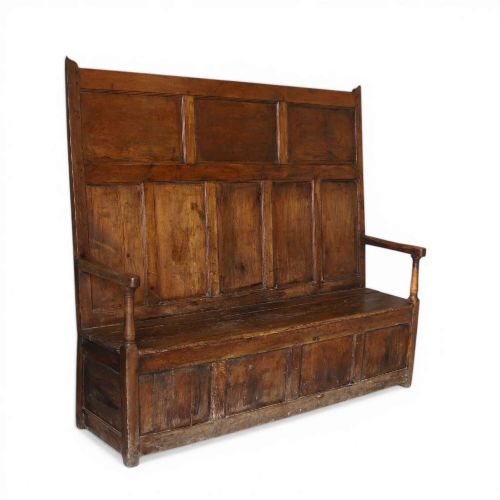
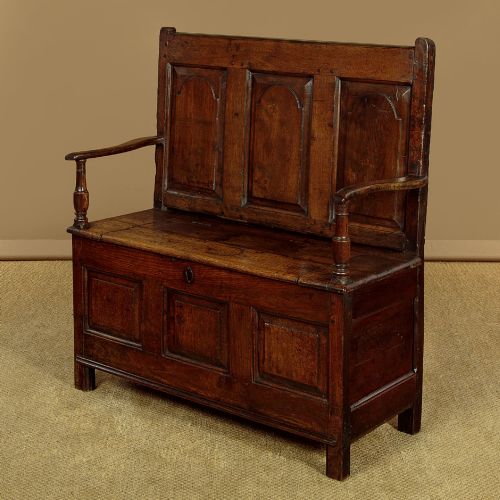
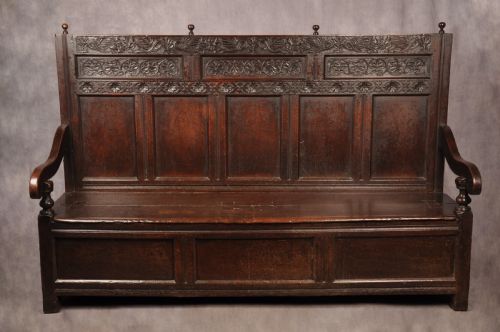
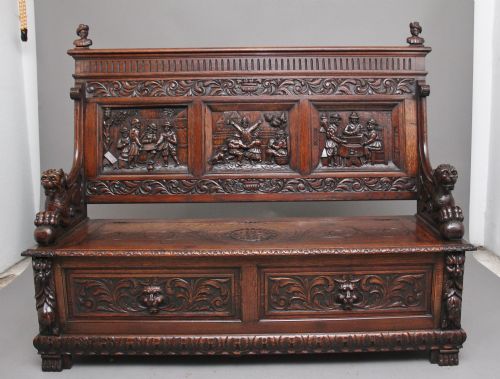
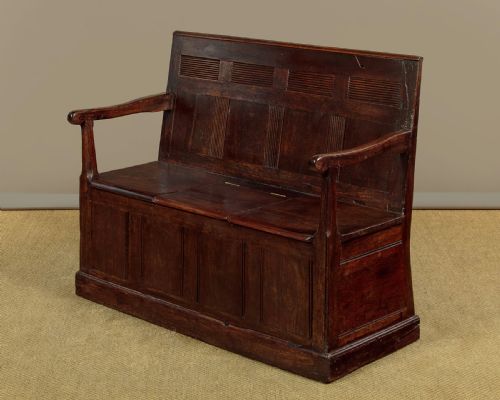
A brown oak box seat encompasses sturdy seating forms featuring built-in enclosed storage beneath the squab or bench surface. Pieces answering to this description typically manifest as robust settling benches, enclosed armchairs, or child seating originating from domestic and tavern contexts.
The selections available span multiple centuries, reaching from sixteenth-century late Elizabethan examples through seventeenth-century North Country variants into Georgian and Victorian periods. Buyers frequently encounter vernacular settles and hall benches possessing hinged lids or solid panel backs.
Geographic and stylistic origins vary widely across the inventory, including Welsh, English, and Dutch country workshops. Materials extend beyond primary oak to incorporate secondary timbers like elm, ash, and walnut.
Assessing quality in construction and form
Quality rests upon the integrity of the timber selection and the retention of original structural components like bases and box lids. Superior examples demonstrate thoughtful proportion, balanced timber figure, and minimal later intervention in the joinery.
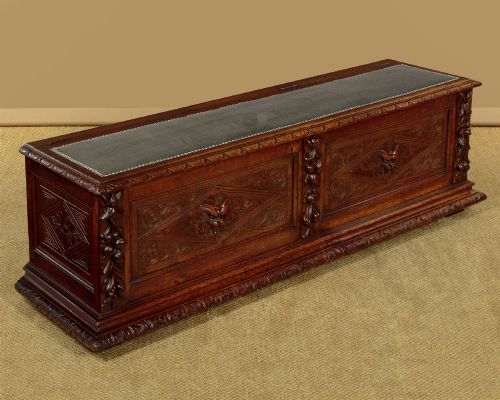
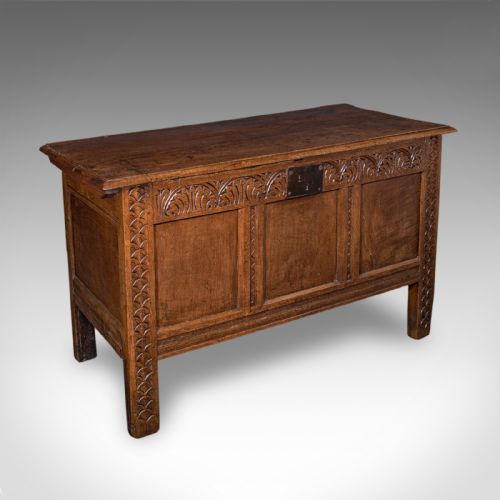
Carved ornament distinguishes simpler vernacular pieces from more ambitious regional commissions. Depth of relief carving, such as green man motifs or panel detailing, elevates the visual presence of the seating.
The inventory spans multiple centuries, incorporating oak alongside elm, ash, walnut, iron, and brass across various regional styles.
The Brown Oak Box Seat Glossary
- Settle
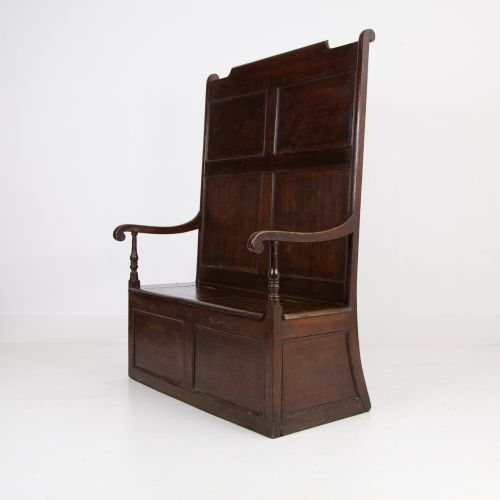
- A wooden bench with a high back, solid arms, and a box base designed to keep draughts away from the sitter. These heavy seats frequently stood near hearths in farmhouses and taverns.
- Box seat
- A chair or bench construction incorporating a hollow compartment beneath the squab for storage. The hinged lid doubles as the primary sitting platform.
- Lambing chair
- An enclosed armchair traditionally featuring winged sides to shield the occupant from cold air. They often include integrated under-seat storage boxes.
- Coffer
- A large chest used for storing valuables or household goods, sometimes adapted with backrests or used as hall seating. Early examples utilise heavy plank construction pinned with wooden pegs.
- Vernacular
- Domestic architecture and furniture made by local craftsmen using regional traditions and readily available materials rather than high-style metropolitan designs.
Brown Oak Box Seat: Frequently Asked Questions
What is a box settle?
A box settle is a high-backed wooden bench featuring a compartment beneath the seat for storing household goods. The enclosed back and sides protected sitters from draughts in older dwellings.
These pieces served functional roles in kitchens, halls, and public houses before modern storage furniture became common.
How do I date an oak settle?
Dating relies on examining joinery techniques, timber preparation marks, and stylistic decorative motifs. Earlier seventeenth-century pieces show hand-split boards and pegged mortise and tenon joints.
Later Victorian interpretations often incorporate revived Gothic or Renaissance carving styles executed with machine assistance.
Where were box seats used?
Original placements included farmhouses, country cottages, and tavern taprooms where durable seating was essential. Their high backs directed heat from open hearths toward the seated person.
Modern interiors utilise them in hallways, boot rooms, and dining spaces to provide both seating and concealed storage.
Are elm and ash common in oak settles?
Secondary timbers frequently appear alongside oak in regional vernacular seating. Elm was chosen for seats because its interlocking grain resisted splitting under heavy use.
Ash provided flexible strength for spindles, arms, and structural framing within the piece.