


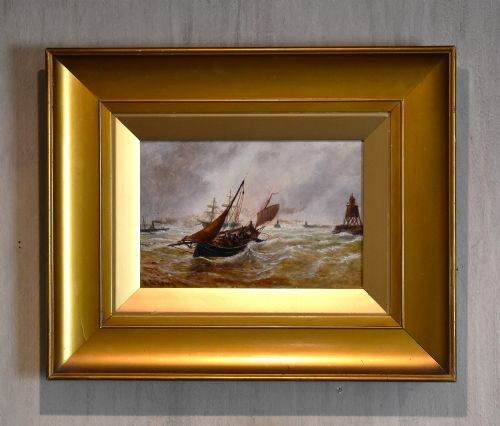

Brown Maritime Oil Painting
A brown maritime oil painting captures coastal scenes, ships, and harbours through historical pigments and canvas.
Brown Maritime Oil Painting
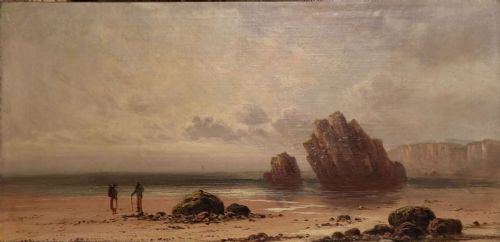
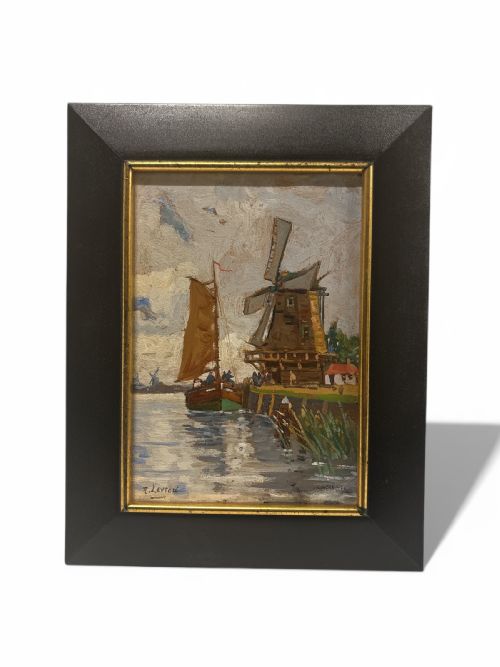
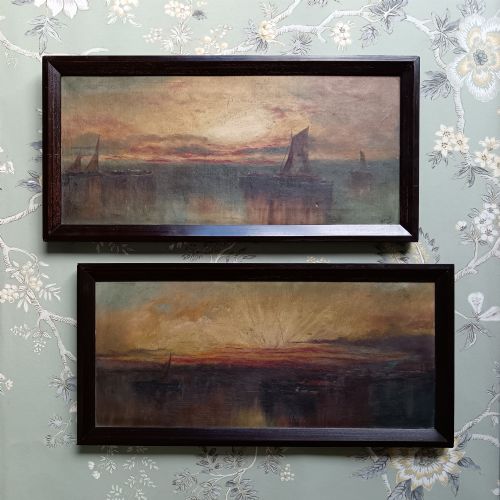
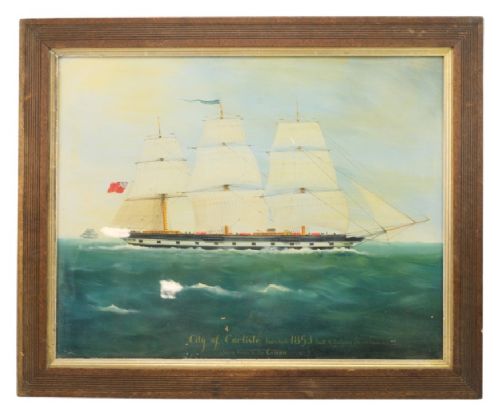
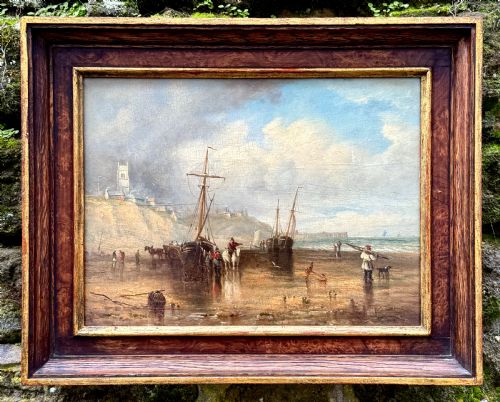
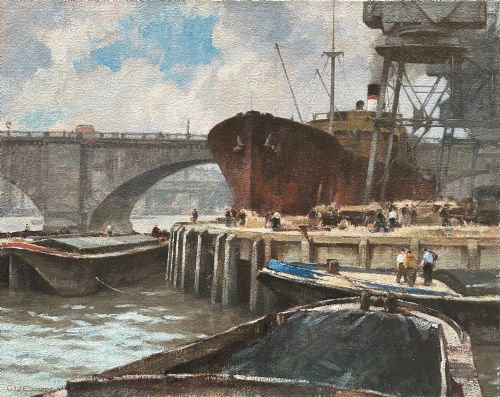
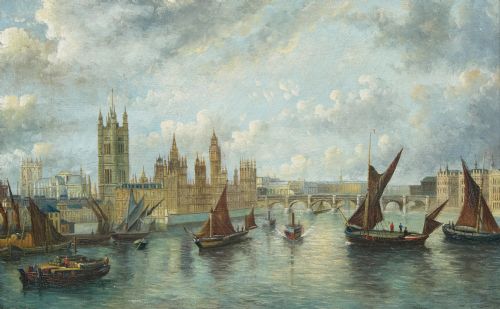
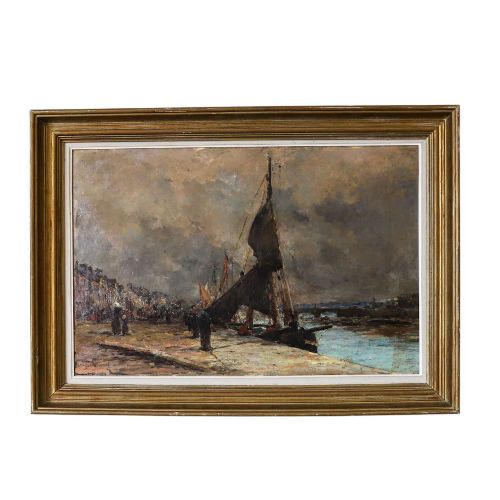
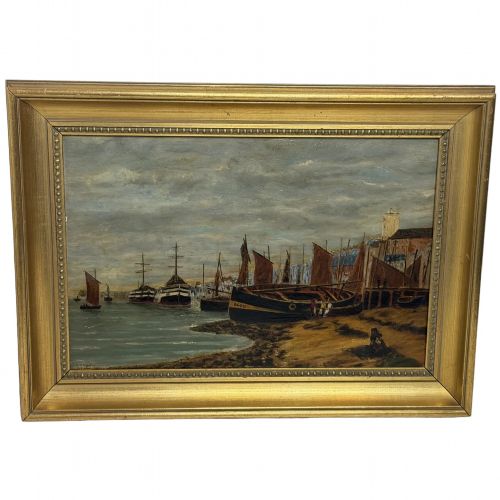
A brown maritime oil painting focuses on historical coastal views, shipping scenes, and harbour life executed primarily in earthy tones. Buyers encounter works ranging from early nineteenth-century coastal studies to mid-twentieth-century river views and harbour landscapes.
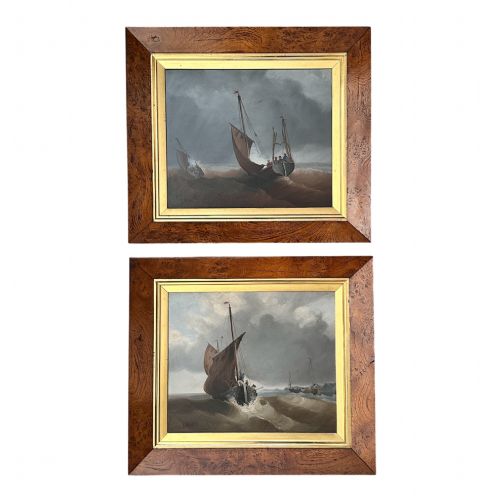
The selection includes specific depictions of merchant vessels, fishing boats, and naval engagements set against moody skies and troubled waters. These pieces originate predominantly from British and European schools, reflecting centuries of maritime trade and coastal heritage.
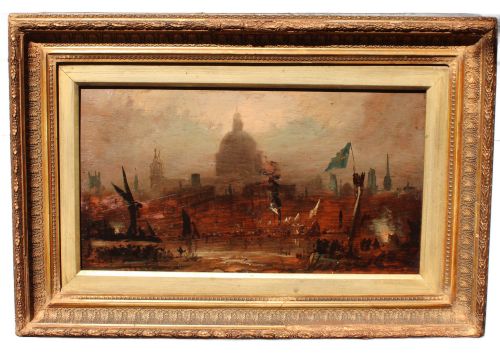
The prevalent formats span framed canvases, wood panels, and occasional boards housed in period gilt frames. Such artworks serve as historical windows into past shipping routes, naval architecture, and coastal settlements.
Materials and Construction
Artists built these works utilising oil paint applied to prepared canvas, wood panels, or rigid boards. The medium allowed for rich layering and deep tonal gradations suited to depicting turbulent seas and atmospheric skies.
Gilt frames frequently complement the canvases, providing structural support and period context. The physical support materials range from sturdy wood panels found in mid-nineteenth-century examples to woven canvas stretched across wooden frames.
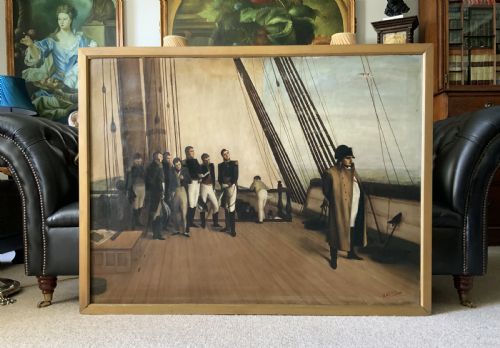
Several canvases record dramatic historical moments, from naval battles with raised sails to troops embarking for the Crimea.
Evaluating Quality in Maritime Oils
Quality rests upon the artist's ability to handle perspective, maritime architecture, and atmospheric light convincingly. Masterful works demonstrate precise rendering of rigging, hull structure, and water movement rather than generic formulaic waves.
The depth of the pigment layers and the preservation of the canvas or wood panel dictate the visual strength of the piece. Superior examples maintain the original harmony of earthy tones without heavy modern overpainting obscuring the creator's hand.
Kenneth Cozens·R Leyton·William McAlpine·B. Nash·F. Corpuz·Thomas Creswick·Cyril Walduck Edwards·John Macvicar Anderson·Bernard Benedict Hemy·Gyrth Russell·Gustave De Bréanski·Edward Henry Eugene Fletcher·T.S. Wallis·Owen Bowen·George Henry Knight·John Callow·Sam Bough·William Shayer
The Brown Maritime Oil Painting Glossary
- Seascape
- A painting depicting the sea, coastal views, or marine vessels in various states of weather. These works form the core of maritime art collections.
- Gilt Frame
- A wooden frame coated with gold leaf or metallic paint, common in Victorian and nineteenth-century presentations. They protect the canvas edge and enhance the depth of the painting.
- Oil on Canvas
- Pigment mixed with drying oil applied to a woven fabric support. This technique provides flexibility and durability for large historical marine scenes.
- Wood Panel
- A rigid flat wooden support used by artists before canvas became universal. Panels often survive from the nineteenth century with stable, aged surfaces.
- Impressionism
- An art style focusing on light and movement rather than strict academic detail. British Impressionist marine works capture transient weather effects over coastal waters.
Brown Maritime Oil Painting: Frequently Asked Questions
What subjects appear in these paintings?
The works depict coastal scenes, naval engagements, fishing boats, and historic harbours. Ships range from nineteenth-century merchant barques to steam vessels.
Background elements often include lighthouses, estuaries, and coastal figures working along the shore.
How do I date a maritime oil painting?
Dating relies on the ship types, clothing of figures, and framing styles visible in the composition. Nineteenth-century pieces frequently feature wooden sailing vessels and heavy gilt frames.
Twentieth-century examples introduce steel hulls, tugboats, and distinct impressionistic brushwork.
Where were these maritime scenes painted?
Many scenes record specific British and European coastal locations, including the River Tyne, North Shields, and the Thames. Artists frequently painted directly from life at major ports and fishing harbours.
Other compositions reflect foreign trade routes and naval operations further afield.
How should I hang an oil painting?
Hang paintings away from direct sunlight and damp environments to protect the canvas and oil pigments. Secure wall fixings must safely bear the combined weight of the canvas and its period frame.
Stable room temperatures prevent the wooden stretcher and panel from warping over time.