


Brown Mahogany Tier Table
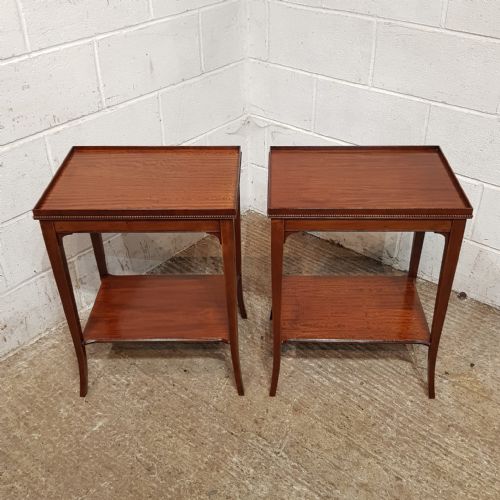
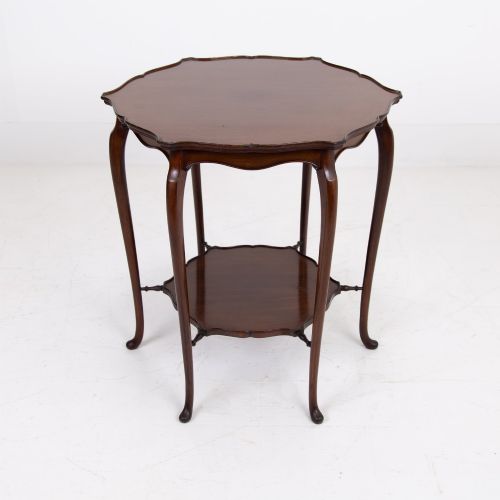
A brown mahogany tier table offers stacked surfaces for display and service, spanning Georgian, Victorian, and Edwardian periods.
Brown Mahogany Tier Table
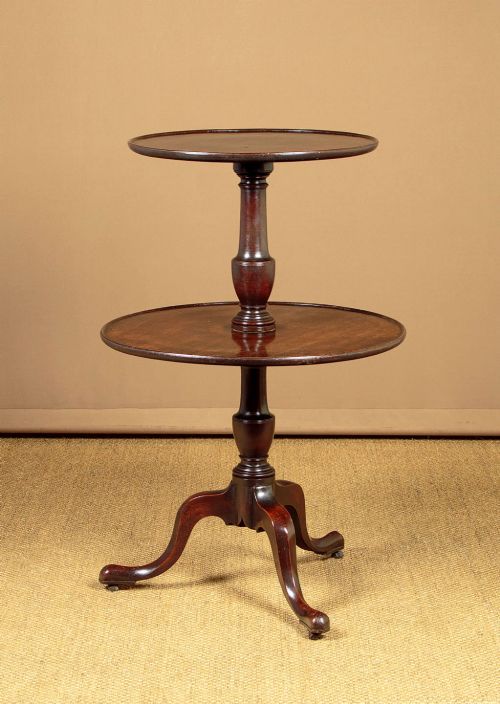
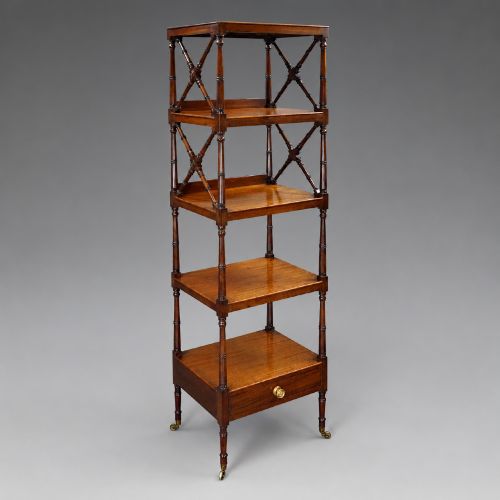
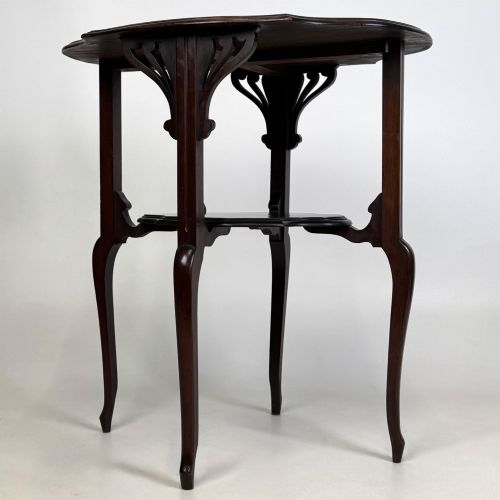
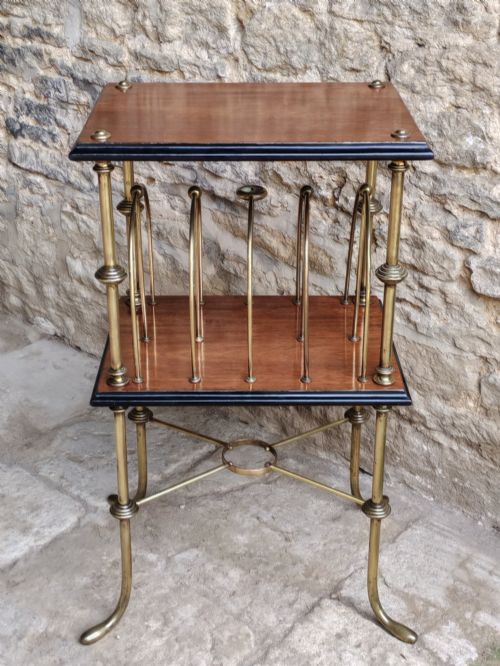
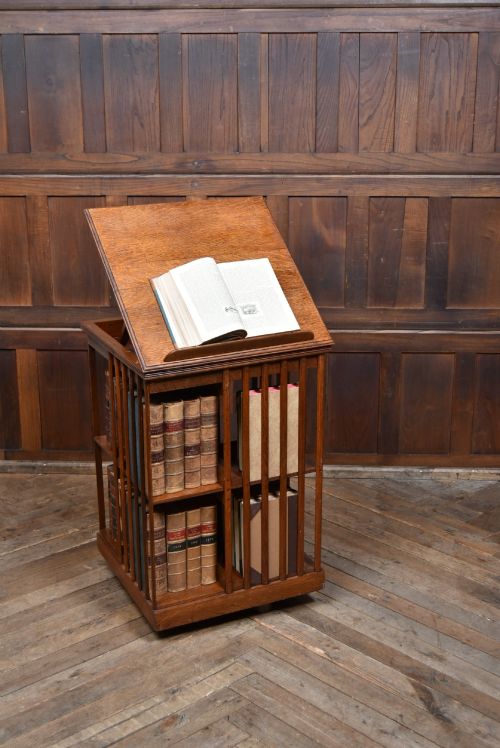
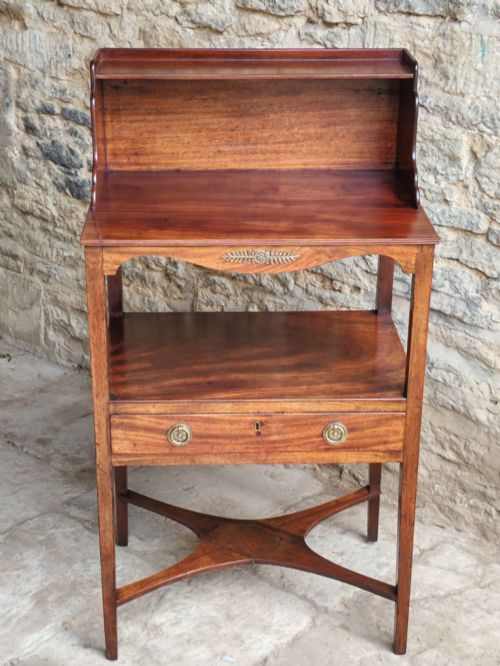
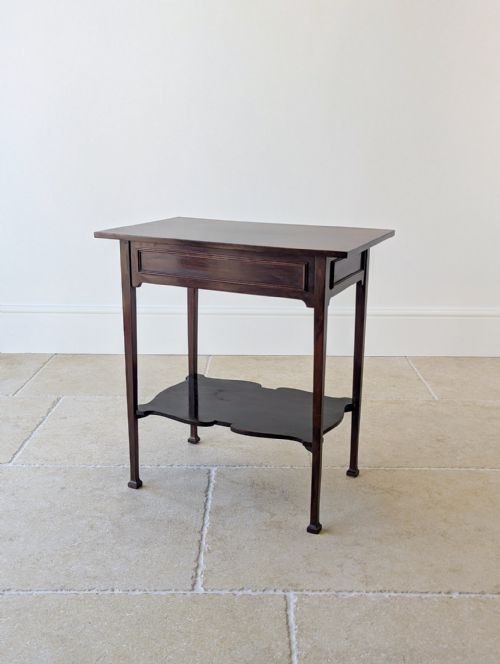
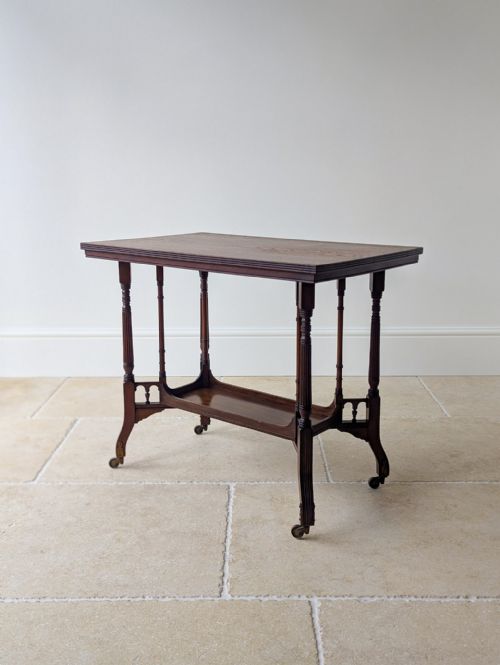
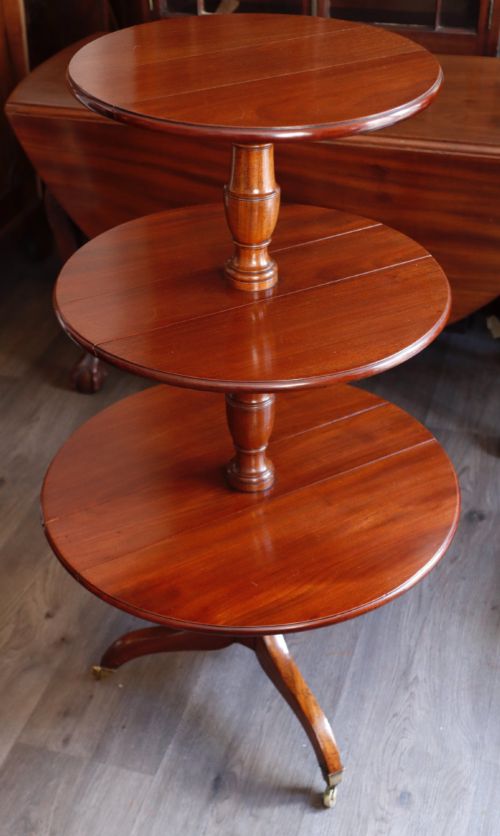
A brown mahogany tier table brings multiple horizontal platforms to domestic spaces, functioning as an occasional piece, a bedside stand, or a serving dumb waiter. These items emerge across Georgian, Regency, Victorian, and Edwardian eras, taking forms such as round revolving bookcases, rectangular side tables, and graduated étagères.
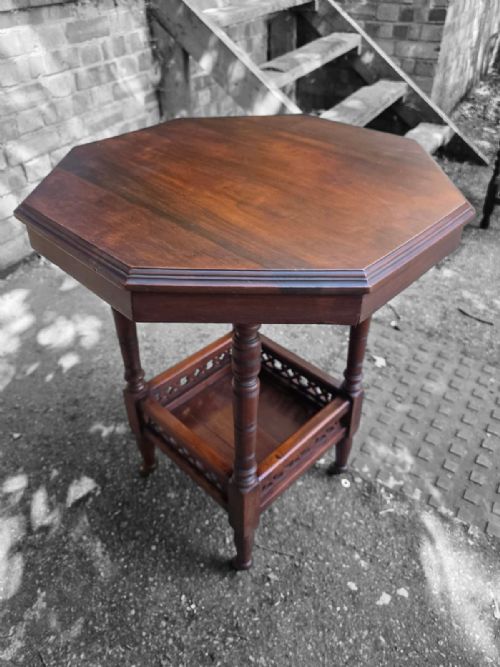
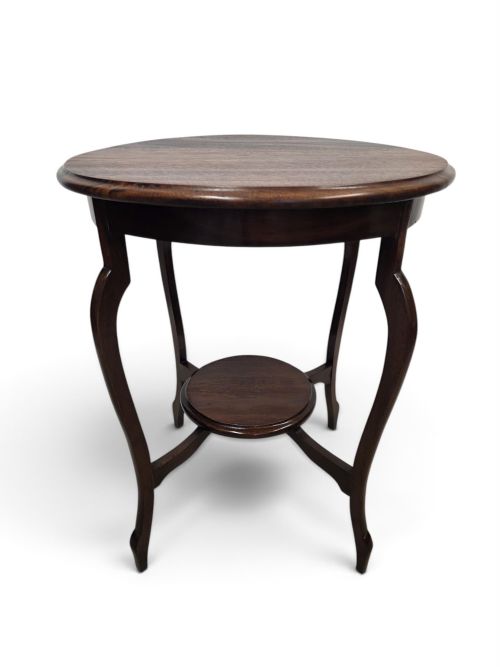
The version most commonly met on this page is the Edwardian or Victorian two-tier occasional table, often shaped with round or oval tops supported by turned columns. Such pieces served domestic needs for lamp placement, book storage, and afternoon tea service in period parlours.
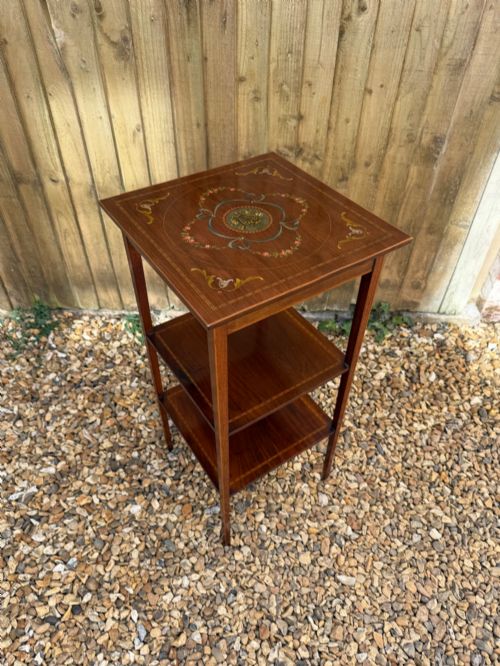
Makers and workshops varied the tier format significantly, from simple tripod tea tables dating to the early nineteenth century to elaborate multi-shelf constructions inlaid with satinwood or boxwood. Whether built for bedside use or library storage, each piece uses stepped surfaces to maximise utility within a modest footprint.
How they were made
Cabinetmakers constructed these tables primarily from solid mahogany and mahogany veneers, selected for rich grain patterns including flame and plum pudding figures. Workshops reinforced timber structures using secondary woods and traditional joinery methods appropriate to each period.
Decorative detailing on finer examples incorporated contrasting stringing of satinwood and boxwood inlay, alongside cast brass handles, galleries, and mounts of ormolu. Surface finishes relied on hand-polished shellac or wax to build a durable lustre across the wood grain.
Object forms span occasional tables, dumb waiters, revolving bookcases, and multi-tier étagères.
What varies in quality
Quality in a brown mahogany tier table rests upon the selection of timber figures and the precision of the cabinetwork. Pieces displaying book-matched veneers or carefully figured flame mahogany command greater attention than plain stock.
The integration of secondary materials such as boxwood inlay, satinwood banding, and cast ormolu mounts separates standard production items from finer workshop commissions. Stability in the tiered structure and smoothly functioning revolving mechanisms also distinguish superior examples.
Gregory & Co·W. Turner Lord & Co·François Linke
The Brown Mahogany Tier Table Glossary
- Étagère
- A set of open shelves or tiers for displaying small objects, ornaments, or books. This French form became popular in various iterations during the nineteenth and early twentieth centuries.
- Dumb waiter
- A piece of tiered furniture designed to hold food, glassware, or serving dishes without the aid of servants. They often feature graduating circular trays supported on a central pillar with tripod legs.
- Ormolu
- Gilt bronze ornamentation applied to furniture mounts and decorative accents. It appears frequently on nineteenth-century French and English tables.
- Satinwood
- A durable, yellowish timber native to Ceylon and India, used extensively for contrasting inlay work and banding on mahogany furniture.
- Whatnot
- A piece of furniture consisting of multiple open shelves for storage and display. They appeared in various heights from the Georgian period onward.
Brown Mahogany Tier Table: Frequently Asked Questions
What is a tier table used for?
These tables provided extra surface area in compact rooms for lamps, books, and tea service.
Multi-level designs allowed households to display decorative objects or keep reading materials close at hand without crowding the floor space.
How do I date a mahogany table?
Dating relies on observing construction methods, timber selection, and stylistic details characteristic of periods like Georgian, Victorian, or Edwardian.
Changes in leg turning, edge moulding, and hardware styles help narrow down the decade of manufacture.
Are these tables sturdy?
Tier tables are generally stable, though taller revolving bookcases or dumb waiters require balanced weight distribution across the shelves.
Solid timber construction and sturdy central columns or corner posts ensure everyday durability.
What is flame mahogany?
Flame mahogany is a decorative wood veneer showing a distinctive wave-like flame pattern derived from the fork of the tree.
Cabinetmakers prized this grain for prominent surfaces like table tops and cabinet doors.