
Brown Mahogany Standing Cabinet
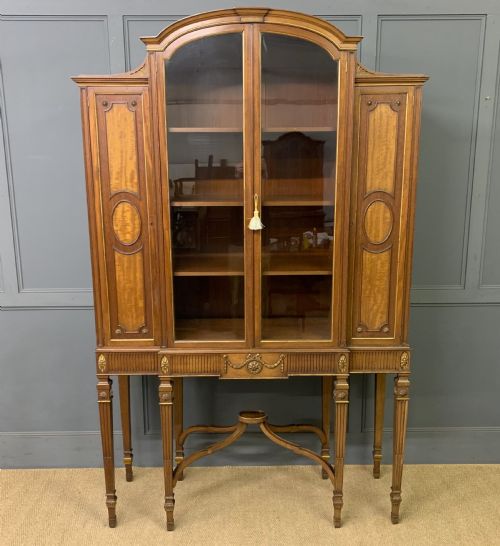
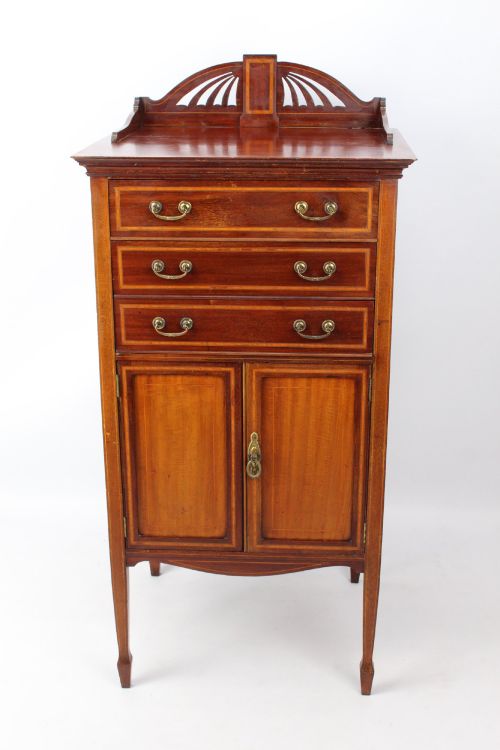
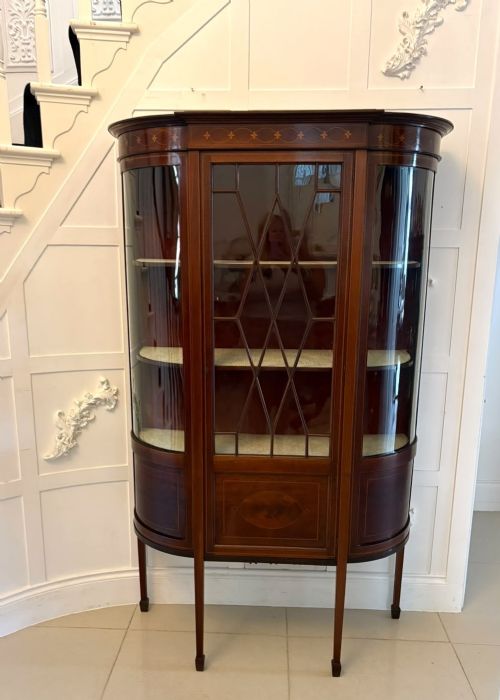
A brown mahogany standing cabinet grounds a room with deep timber grain and upright presence, holding everything from prized porcelain to daily books.
Brown Mahogany Standing Cabinet
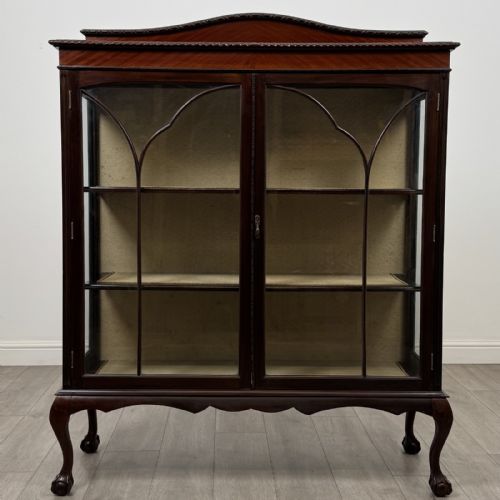
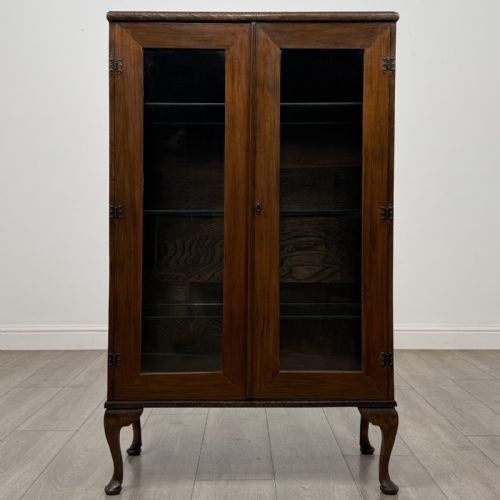
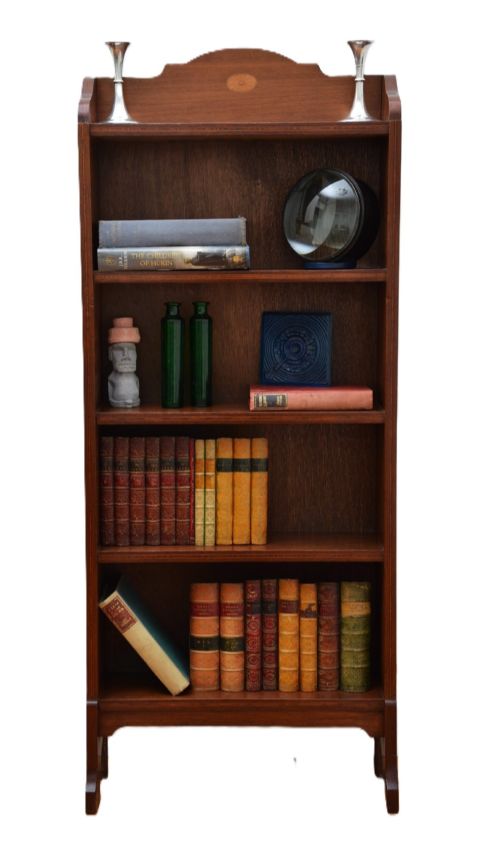
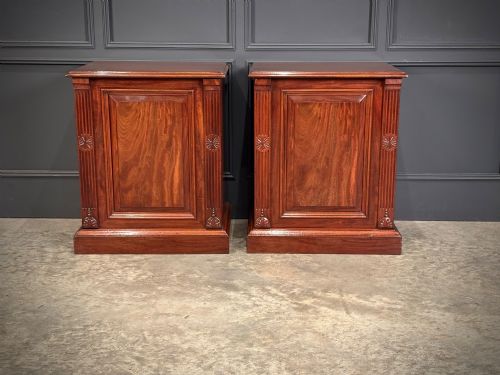
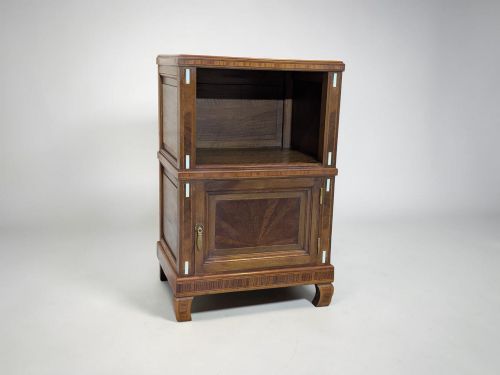
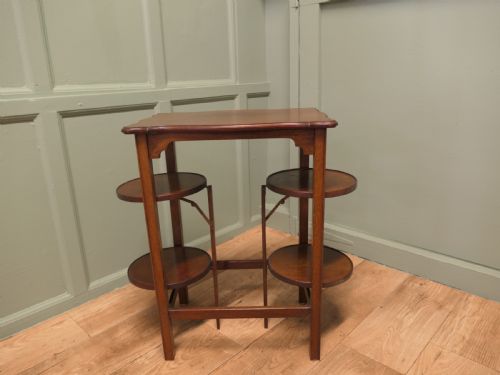
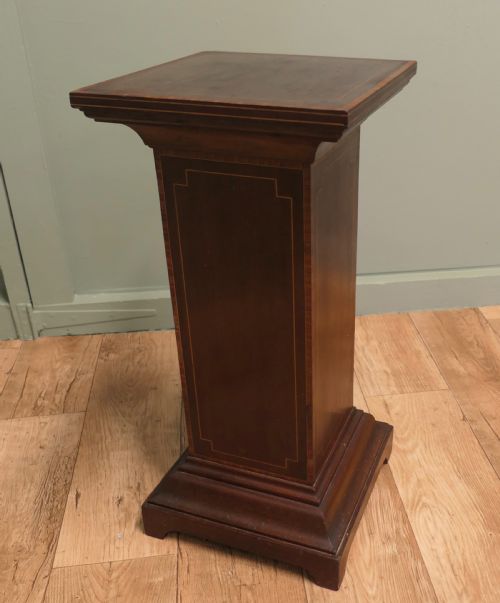
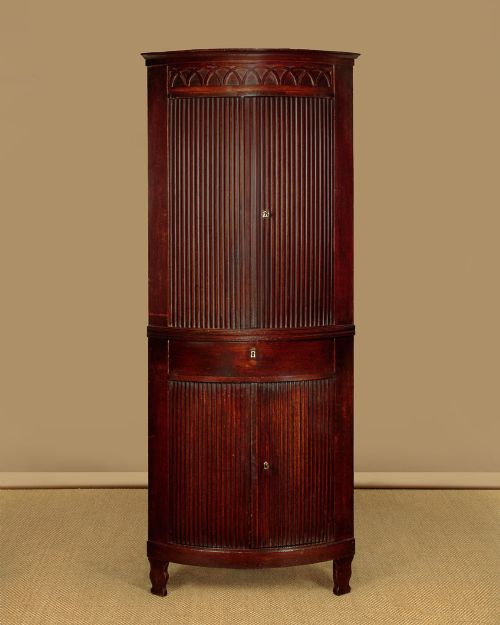
When buyers search for a brown mahogany standing cabinet, they seek substantial vertical furniture designed to occupy floor space while organising or displaying domestic items. These pieces emerge across Georgian, Victorian, and Edwardian eras, spanning formal display cabinets, tall bookcases, bedside tables, and floor-standing corner cupboards.
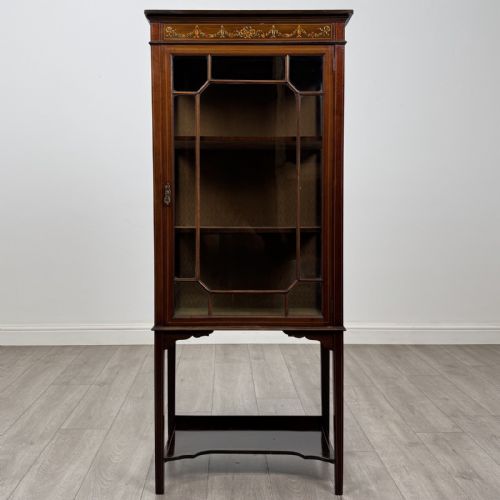
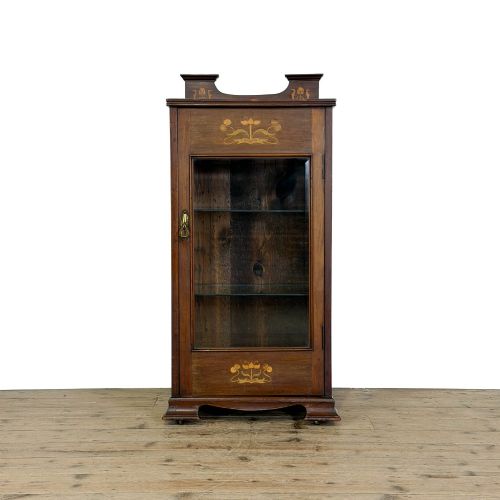
The version most commonly met on this page is the Edwardian inlaid display cabinet or the Georgian corner cupboard. Workshops of the nineteenth and early twentieth centuries built these forms to stand against walls, utilising rich mahogany timbers accented by satinwood inlay or glass panels.
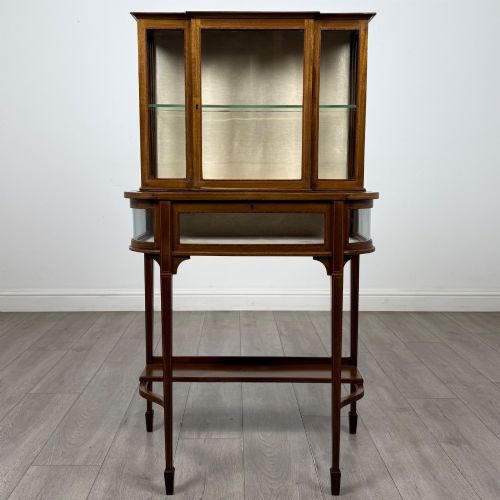
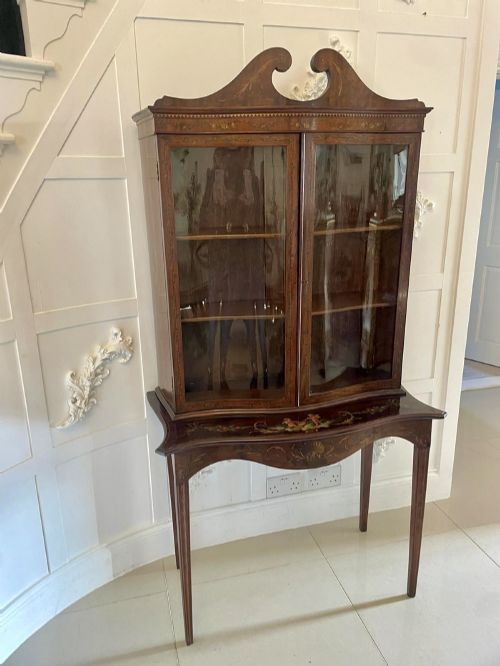
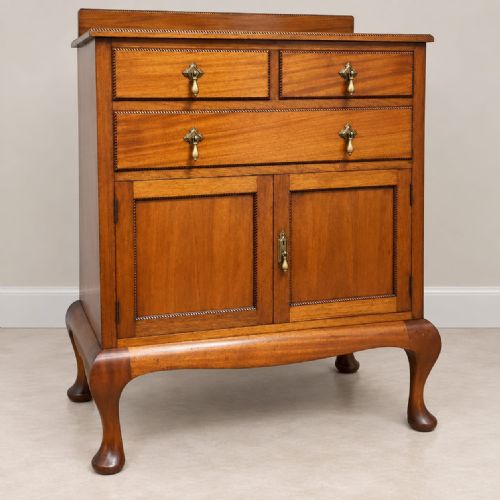
The selection ranges from tall breakfront display pieces resting on stands to compact bedside cabinets and washstands. Each object serves a domestic function, whether housing a library, exhibiting collections, or providing bedside storage.
Materials and construction
Cabinet makers built these standing pieces using solid mahogany and mahogany veneers over secondary softwoods, selecting timber for depth of colour and figured grain. Workshops applied French polishing or wax finishes to protect the wood while accentuating its natural warmth and darker tones.
Detailing often included contrasting satinwood inlay, brass hardware, glass glazing bars in astragal patterns, and sometimes painted decoration or marble tops. Structural support relied on sturdy legs, bracket feet, or brass castors, depending on the period and the scale of the furniture.
Listings feature mahogany, satinwood inlay, and brass hardware across Georgian, Victorian, and Edwardian periods.
Judging quality and craftsmanship
Quality rests in the selection of the mahogany timber and the precision of the cabinet work, where figured grain aligns naturally across doors and drawers. Superior examples show crisp joinery, well-fitted doors, and harmonious proportions without excessive restoration.
The refinement of secondary details elevates a piece from standard utility to notable craftsmanship. Finely executed satinwood stringing, original brass castors, intact glass panels, and balanced architectural mouldings separate the exceptional standing cabinet from simpler workshop productions.
harrods·Maple & Co.
The Brown Mahogany Standing Cabinet Glossary
- Astragal glazed
- Glass doors divided by thin wooden strips, known as glazing bars, forming geometric or curved panes. This method protected library books while allowing clear visibility.
- Breakfront
- A piece of furniture where the central section projects forward from the flanking wings. It creates architectural depth and visual weight in large display cabinets.
- Satinwood inlay
- Contrasting light timber veneers set into recesses in the darker mahogany surface. Cabinet makers used this technique to create geometric lines or floral motifs.
- Vitrine
- A glass-sided display cabinet designed primarily for the presentation of porcelain, glass, or small collectibles. These pieces often feature interior lighting or mirrored backs in later examples.
- Tallboy
- A tall chest of drawers standing one above the other, sometimes positioned on a low base or stand. It maximises vertical storage capacity while maintaining a compact floor footprint.
Brown Mahogany Standing Cabinet: Frequently Asked Questions
What periods do these cabinets come from?
The pieces span from the Georgian era through the Victorian period into Edwardian times and the early twentieth century.
Craftsmanship shifts slightly across these decades, moving from strict Georgian architectural lines to ornate Victorian flourishes and lighter Edwardian satinwood inlay.
How were corner cupboards used?
These units fitted neatly into room corners to maximise floor space while keeping dining china or household items secure behind wooden or glass doors.
Tall standing versions reached from floor to ceiling or formed double-height storage units for specialised collections.
Are the glass panels original?
Many cabinets retain their early or original glass panes, often held by delicate wooden astragal bars that reflect period manufacturing methods.
Closer inspection under natural light reveals slight ripples or bubbles in older glass panes, distinguishing them from modern replacements.
How do I care for mahogany furniture?
Maintain the finish by keeping the timber away from direct heat sources and strong sunlight, which can fade the rich brown tones.
Apply traditional beeswax periodically and buff gently with a soft cloth to nourish the wood and preserve the surface lustre.