
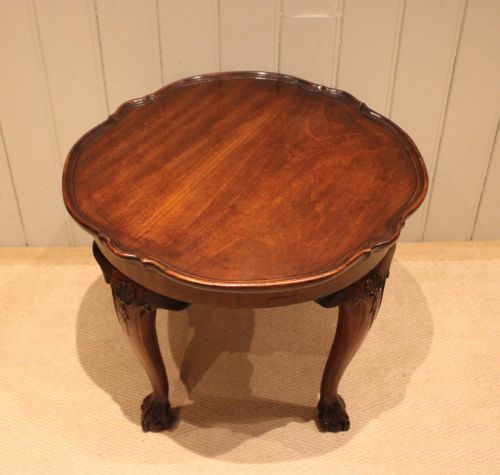
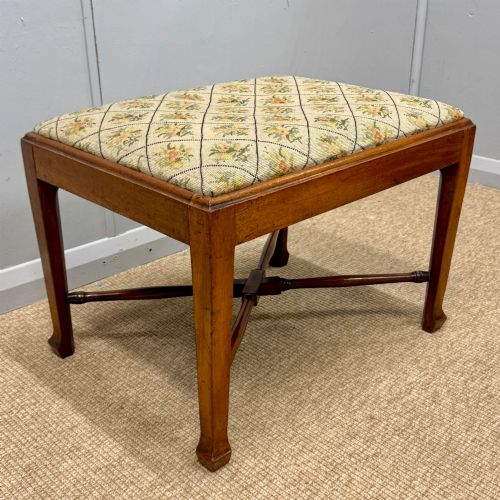
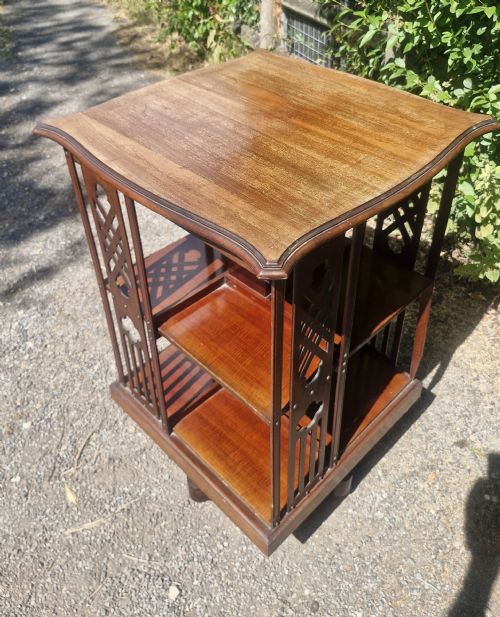
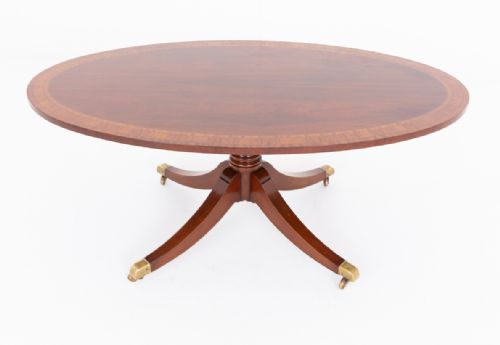
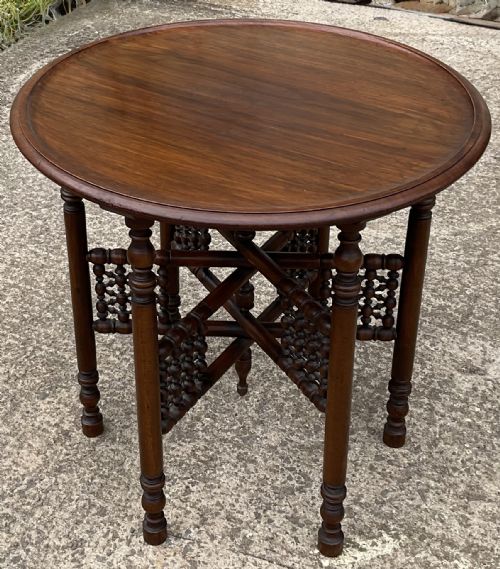
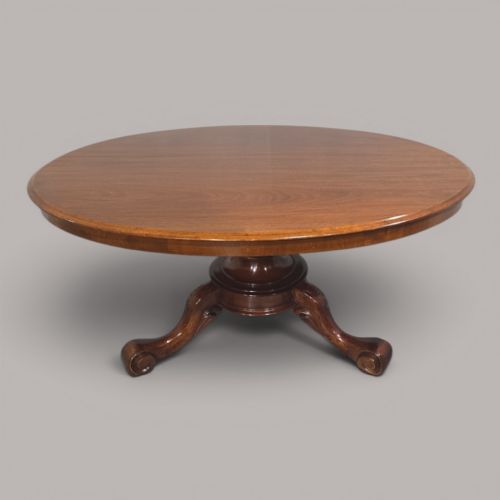
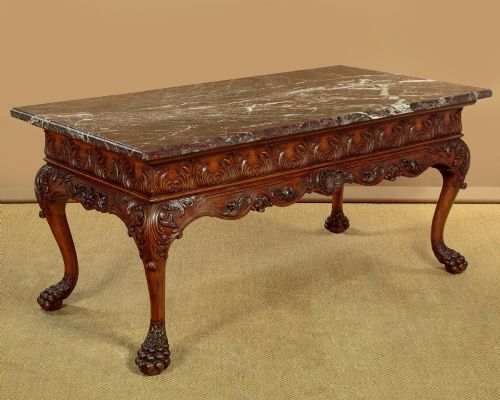


Brown Mahogany Low Table
These brown mahogany low table pieces offer solid timber construction and practical proportions, serving traditional interiors with lasting utility.
Brown Mahogany Low Table
A brown mahogany low table combines dense tropical timber with low-slung proportions, appearing primarily as coffee tables, low boys, and side tables across this selection. Pieces emerge from various eras including Georgian, Victorian, and early twentieth-century decades.
Makers adapted traditional forms such as drum tables, low boys, and centretables into low formats suited to modern seating heights. Buyers frequently encounter oval, square, and rectangular coffee tables alongside adapted side furniture.
Origins span English country house pieces to French and oriental examples, utilising rich timber tones and occasional contrasting inlays. The selection bridges formal antique forms and practical domestic surfaces.
Materials and construction
Cabinet makers utilised solid mahogany and flame mahogany veneers over secondary timbers, building sturdy frames often supported on cabriole legs, pedestal bases, or cross stretchers. Timber selection prioritised rich grain patterns and deep natural colouration.
Secondary materials appear purposefully, including brass handles and castors on campaign styles, inset leather writing surfaces, cane seating panels, and marble tops. These elements reflect the specific functional requirements of each period, from Georgian dining rooms to Victorian drawing rooms.
Materials paired with mahogany across these listings include brass, leather, fabric, cane, tapestry, glass, marble, and walnut.
Judging quality in low tables
Quality rests in timber selection, particularly the depth of the mahogany grain and the integrity of flame veneers across large surfaces. Superior examples display crisp hand-carved details on legs and edges rather than soft or moulded substitutes.
Construction methods dictate longevity, marked by tight joinery in frames and original brass hardware or castors where appropriate. Alterations from taller side tables to low coffee table proportions influence desirability among collectors.
The Brown Mahogany Low Table Glossary
- Flame mahogany
- A veneer figure cut from where a branch joins the main trunk, creating a distinct flickering flame pattern. Cabinet makers reserved this timber for prominent table tops.
- Low boy
- A small eighteenth-century English table with drawers, standing on relatively short legs. These pieces function well as compact side tables or low surfaces.
- Cross stretcher
- Timber rails connecting table legs near the base to provide structural rigidity. They appear frequently on stools and occasional tables from the Georgian and Victorian periods.
- Cabriole leg
- A furniture leg that curves out and then in, resembling the leg of an animal. This style gained prominence during the Georgian era and subsequent revival periods.
- Drum table
- A round library table with a deep frieze containing drawers, supported on a central pillar and tripod base. Scaled down versions serve as low coffee tables.
Brown Mahogany Low Table: Frequently Asked Questions
How do I date a mahogany low table?
Dating relies on examining construction marks, timber thickness, and secondary woods used in the frame. Stylistic cues such as cabriole legs or Georgian drawer linings provide clear chronological markers.
Hardware types and fixing methods also indicate age, distinguishing eighteenth-century originals from later revival pieces produced in the twentieth century.
Are these tables practical for daily use?
Mahogany provides a durable surface that withstands regular daily demands in living spaces. Simple dusting and occasional wax polish maintain the timber finish.
Tables with leather inserts or cane panels require slightly more mindful placement away from direct heat sources and moisture.
What is a low boy used for?
Originally manufactured as dressing tables or small writing desks, low boys now function effectively as side tables or lamp stands in sitting rooms. Their compact drawers offer convenient enclosed storage for small items.
Lower proportions make them adaptable as occasional coffee surfaces in traditional interior schemes.
How do I care for mahogany timber?
Protect the surface from direct sunlight and excessive heat to prevent timber splitting or fading of the natural brown colour. Regular application of traditional beeswax nourishes the grain.
Avoid commercial silicone sprays, which build up residue and dull the historical patina of the wood.