

Brown Mahogany Frame
These brown mahogany frame pieces span centuries of cabinet-making, offering sturdy timbers and rich patination for any interior.
Brown Mahogany Frame
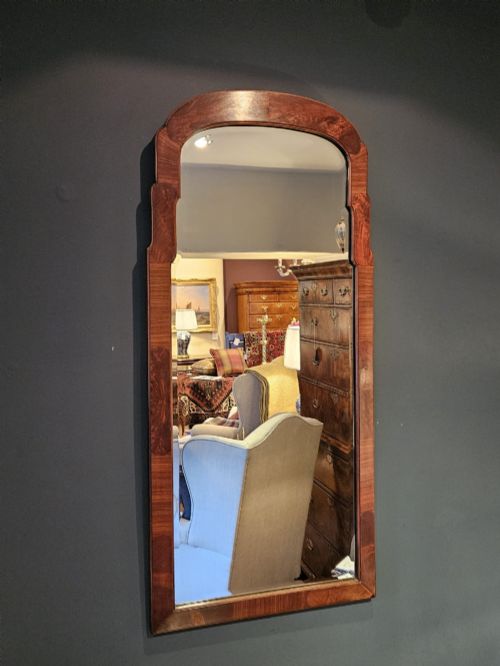
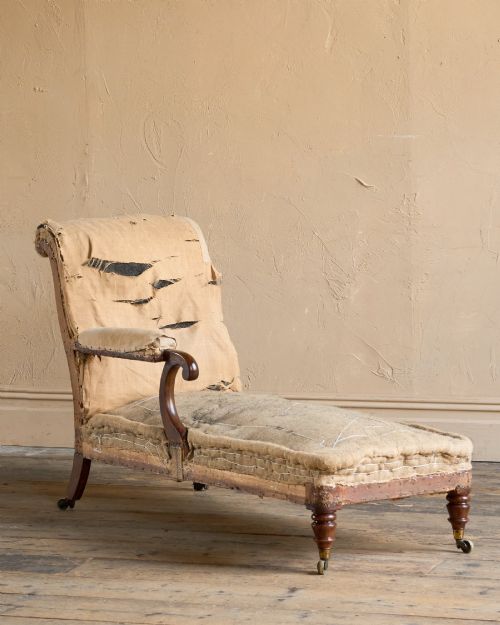
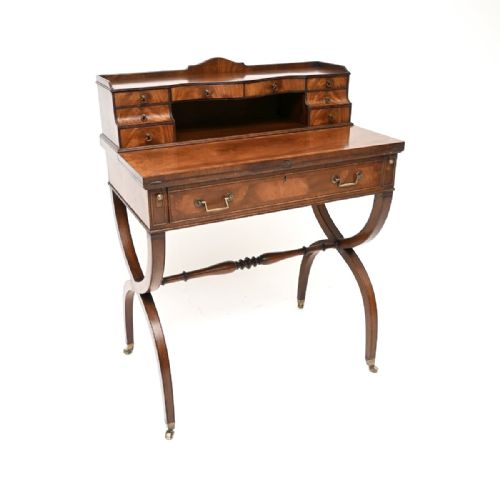
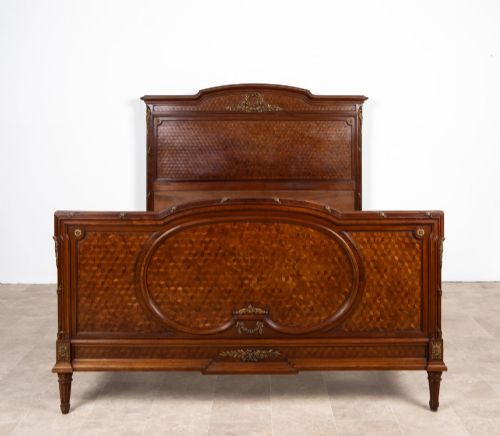
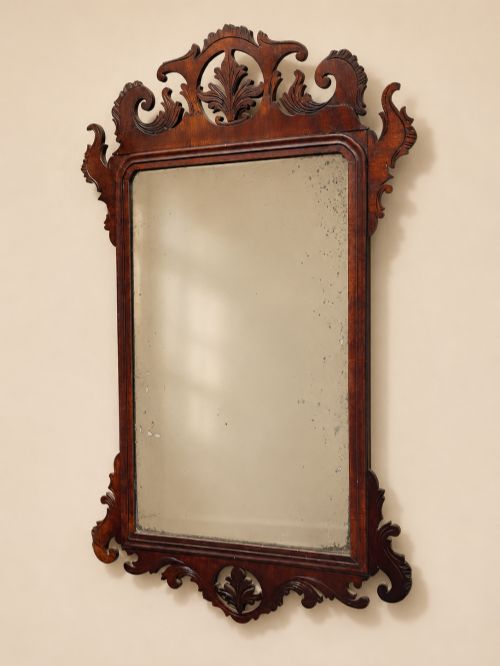
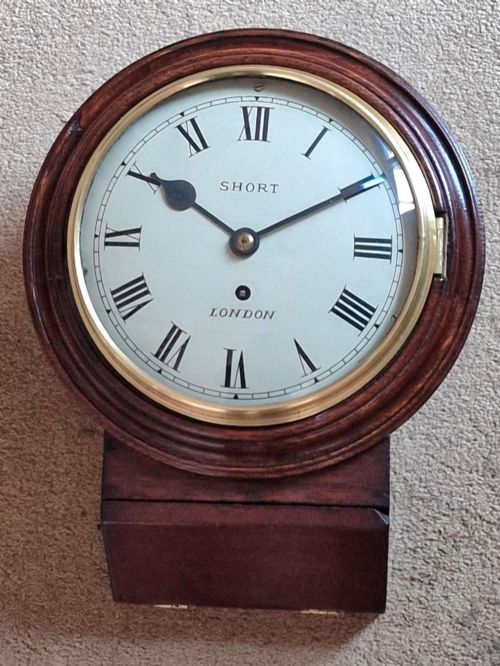
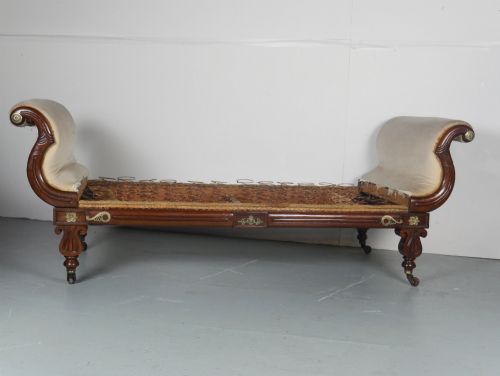
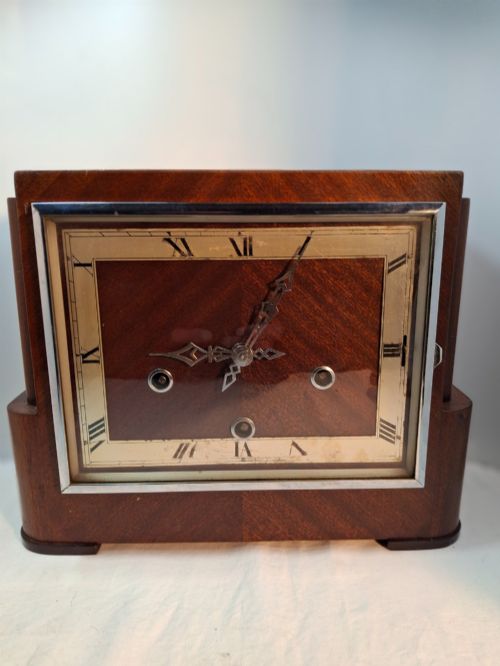
A brown mahogany frame brings together foundational support and deep timber tones across various domestic forms. When searching for a brown mahogany frame, buyers encounter items ranging from seating and beds to mirrors and tables.
The selections span distinct historical eras, appearing frequently in Victorian, Edwardian, and Georgian iterations. These pieces serve functional and decorative roles within traditional and period rooms.
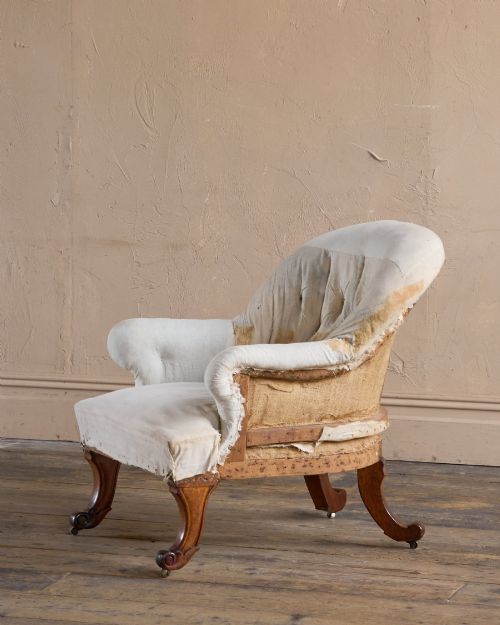
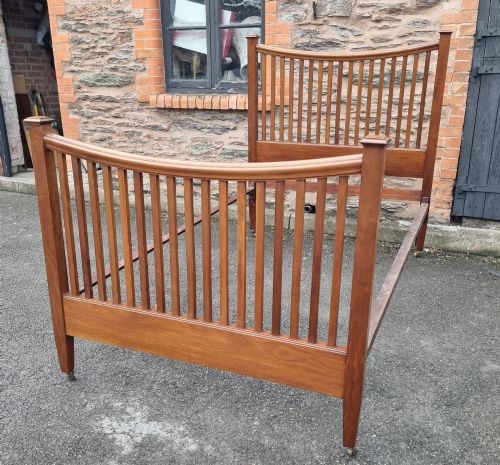
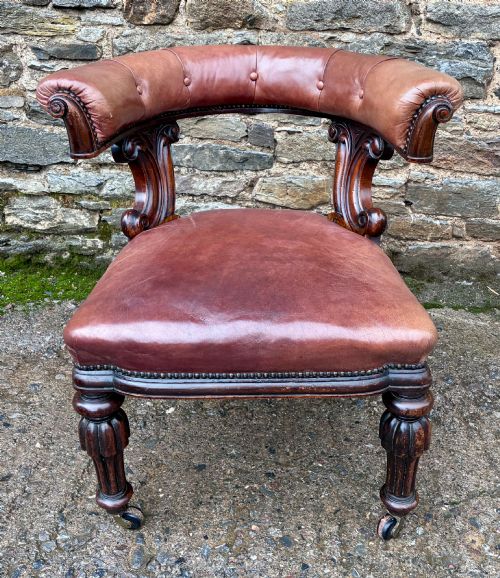
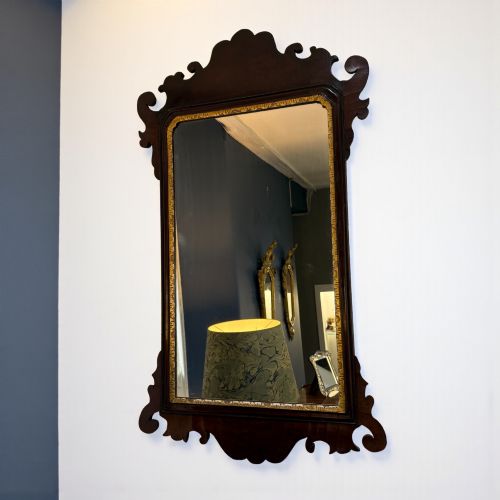
Object types vary widely, including armchairs, wall mirrors, occasional tables, bedsteads, and butler's trays. Each form utilises the dense qualities of mahogany to support daily use and display.
Materials and construction methods
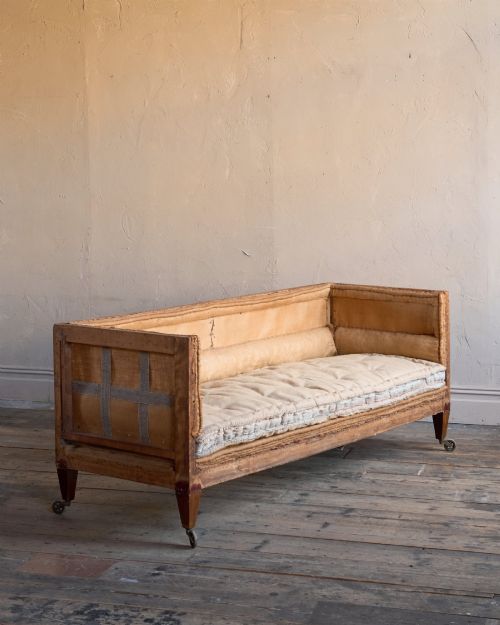
Makers utilised solid mahogany and timber veneers, often supported by secondary woods in internal structures. Brass hardware, glass mirrors, and leather or hessian upholstery frequently accompany the wooden frames.
Joinery techniques relied on traditional framing methods suited to load-bearing furniture and delicate wall hangings alike. Surface finishes were polished to highlight the natural grain and deep brown colour of the timber.
Brown Mahogany Frame Retail Price Guide 2026
Typical asking prices for brown mahogany frame among the pieces listed under this phrase on Sellingantiques today, from the lower quarter to the upper quarter. They describe what is for sale here now, not the wider market.
Pigeons feature among the portraits, proving that someone once valued a racing bird as much as a Victorian relative.
Factors of quality and distinction
Quality rests upon the selection of timber, the crispness of carved details, and the integrity of the original construction. Finer examples display thoughtful proportions and careful matching of wood grain across visible surfaces.
The degree of wear and the preservation of original patination distinguish workshop standards. Pieces showing refined turning, precise fretwork, or maker attribution stand apart from simpler utility items.
Miles and Edwards·Holland and Sons·P and MA Nicholson·Gillows
The Brown Mahogany Frame Glossary
- Mahogany
- A durable tropical hardwood known for its reddish-brown colour and stability in furniture making. It accepts polish readily and ages to a deep patina.
- Butler's tray
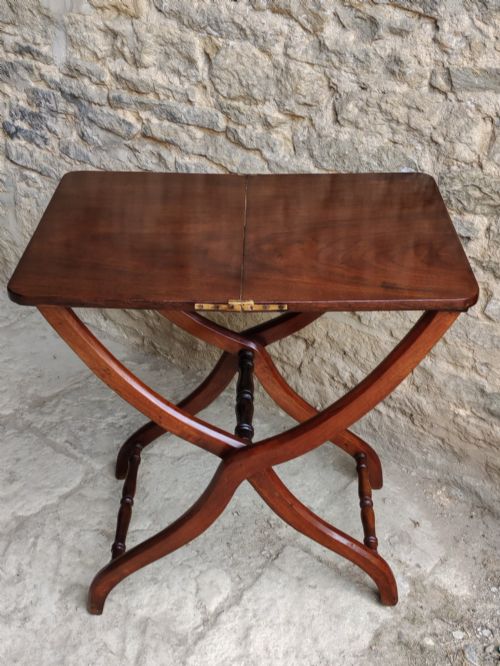
- A portable wooden tray with hinged or fixed sides, typically resting on a folding stand. It was used historically for serving food and drinks.
- Cheval mirror
- A full-length dressing mirror suspended in a swivelling frame. This design allows the glass to tilt at various angles.
- Parcel-gilt
- Partially gilded with gold leaf or powder to highlight specific carved details or mouldings on a wooden frame.
- Fretwork
- Ornamental design created by cutting patterns through thin wood, often seen on mirrors and chair backs from the Georgian era.
Brown Mahogany Frame: Frequently Asked Questions
What periods do these frames represent?
The selections encompass pieces from the Georgian, Regency, Victorian, and Edwardian eras. Later items from the early twentieth century also appear.
Each period imparts distinct stylistic preferences, ranging from ornate carved details to cleaner, revivalist lines.
How do I care for mahogany timber?
Maintenance involves dusting with a soft cloth and applying appropriate beeswax periodically to nourish the wood. Avoiding direct sunlight and extreme temperature changes protects the finish.
Proper care preserves the natural lustre and depth of the brown polish over time.
Where were butler trays used?
These trays served domestic households for transporting and presenting food or beverages between rooms. The folding stands allowed for convenient storage when not in use.
Today, they function as occasional tables or decorative stands in living spaces.
Are these items purely decorative?
Most pieces served practical daily functions, including seating, sleeping, serving, and reflection. Their robust construction ensured they could withstand regular household use.
Combining utility with craftsmanship made them central fixtures in historical homes.