

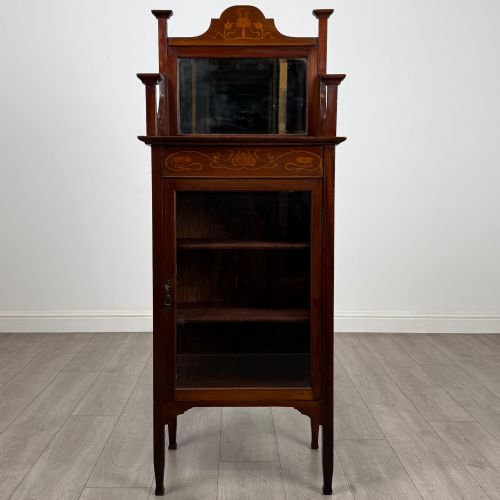
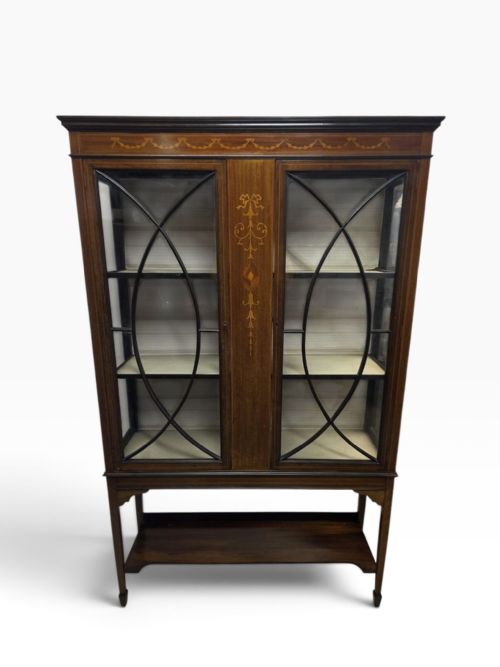
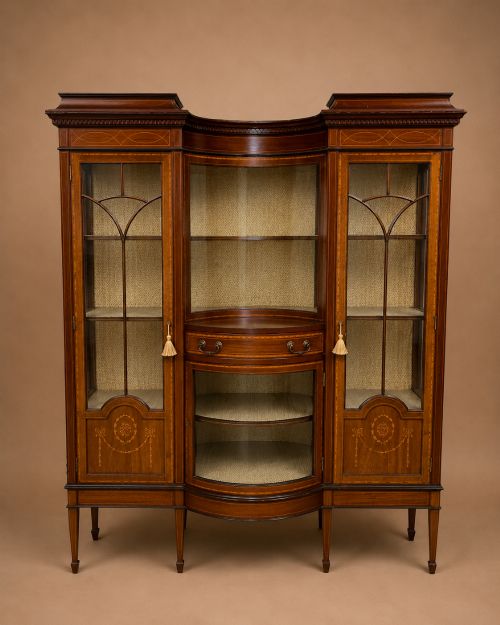
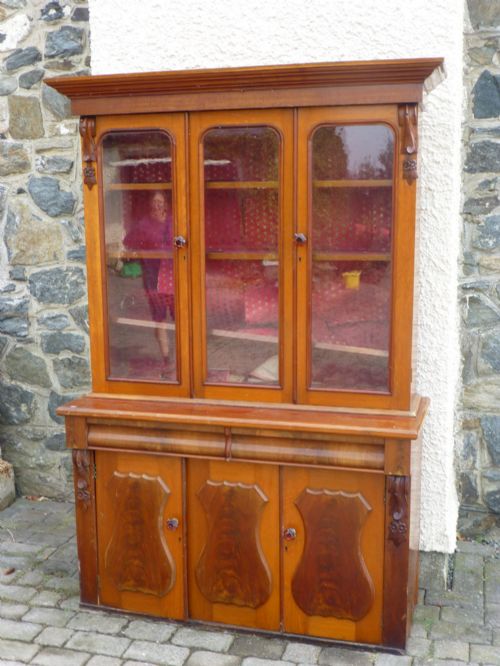
Brown Mahogany China Cabinet
A brown mahogany china cabinet brings rich timber and glass together to showcase porcelain and books across Georgian, Victorian, and Edwardian rooms.
Brown Mahogany China Cabinet
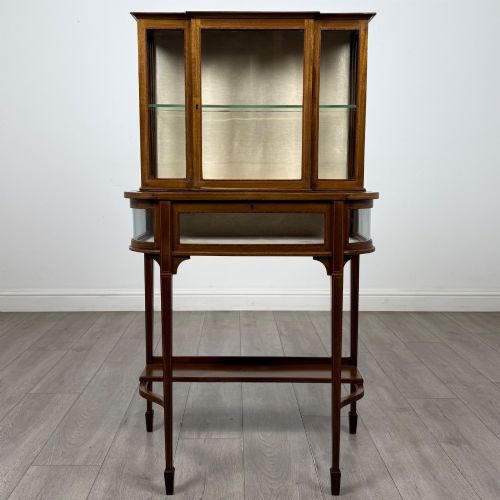
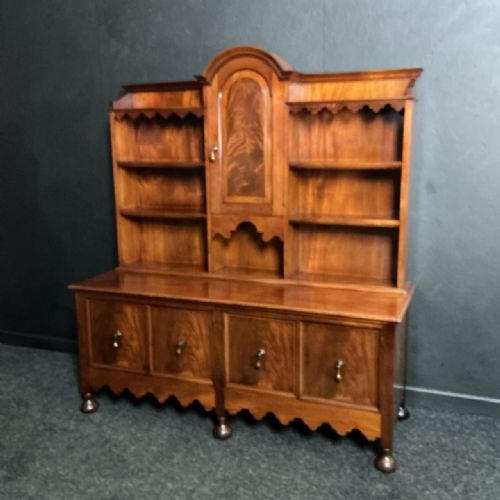
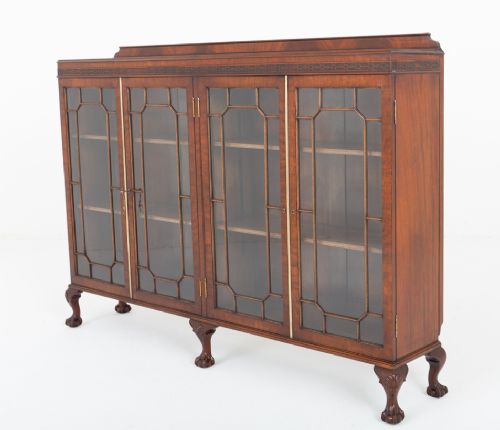
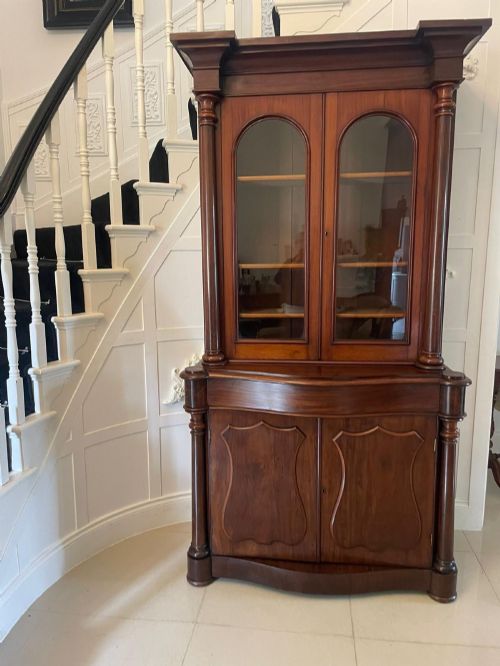
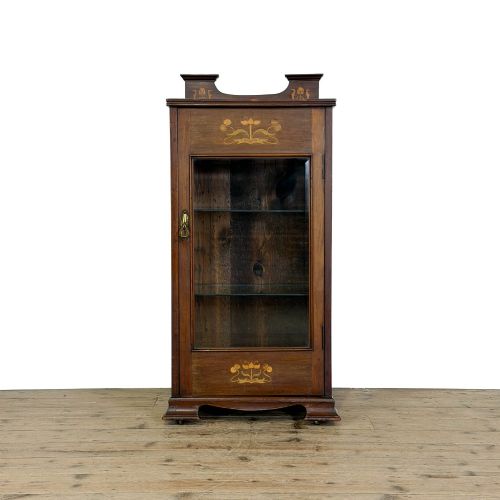
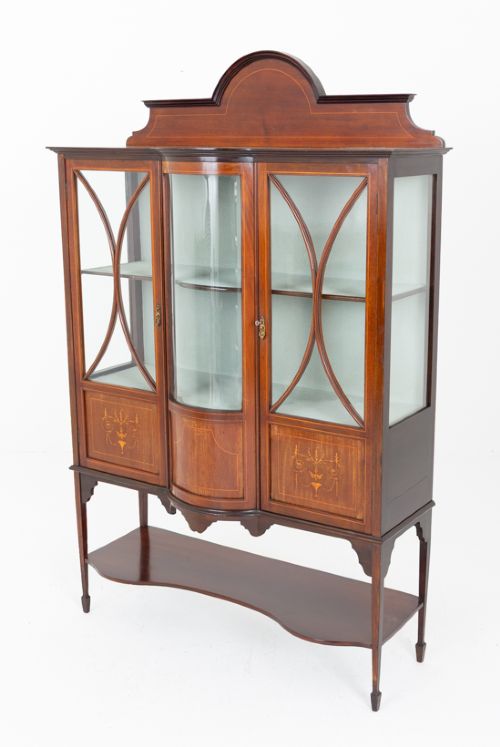
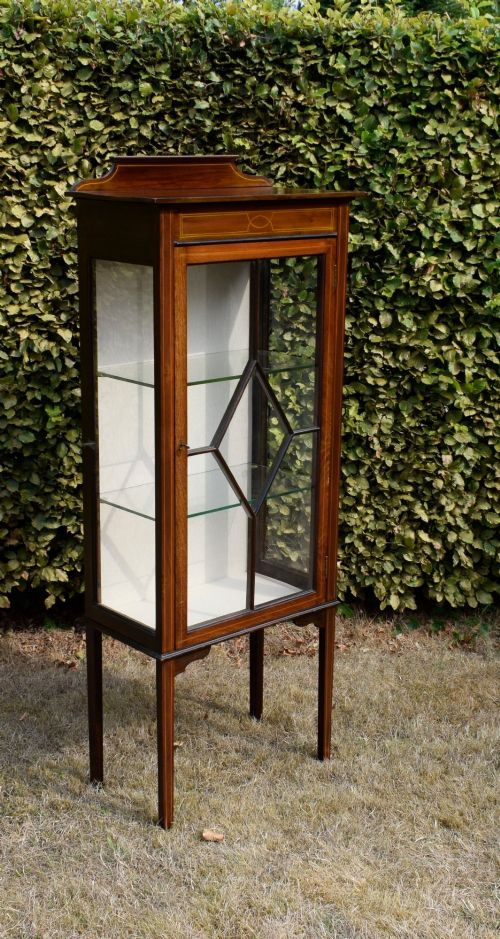
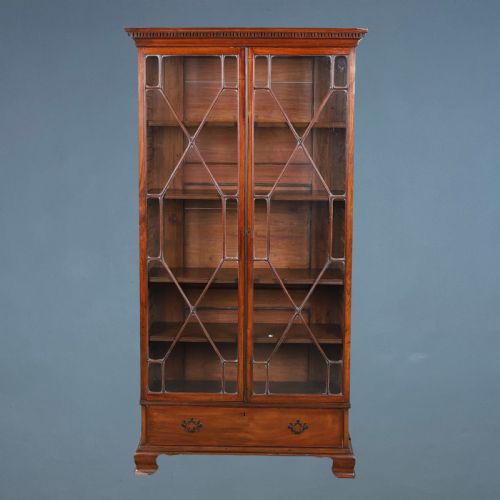
A brown mahogany china cabinet gathers display cabinets, bookcases, vitrines, and corner cupboards intended to protect and present prized objects behind glazed doors. Pieces span periods from the eighteenth century through the Edwardian era and into the 1930s.
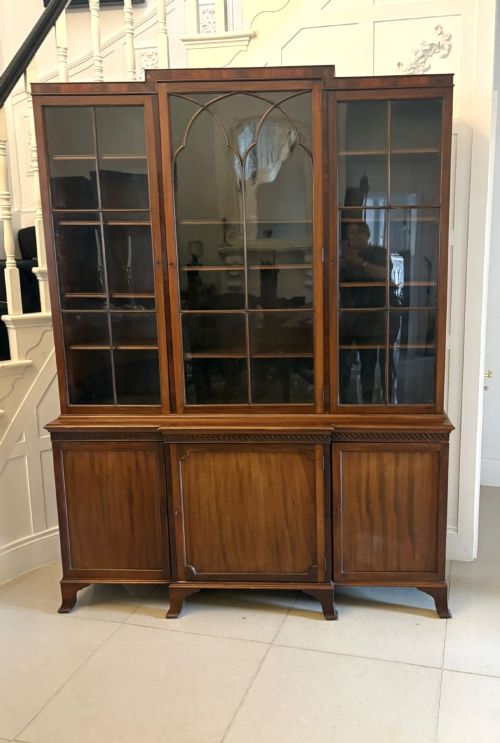
Buyers meet upright floor-standing display pieces, breakfront libraries, and two-part cabinets alongside corner cupboards suited to tighter spaces. Construction utilises solid timbers and veneers shaped into straight or bow fronts.
Materials and construction
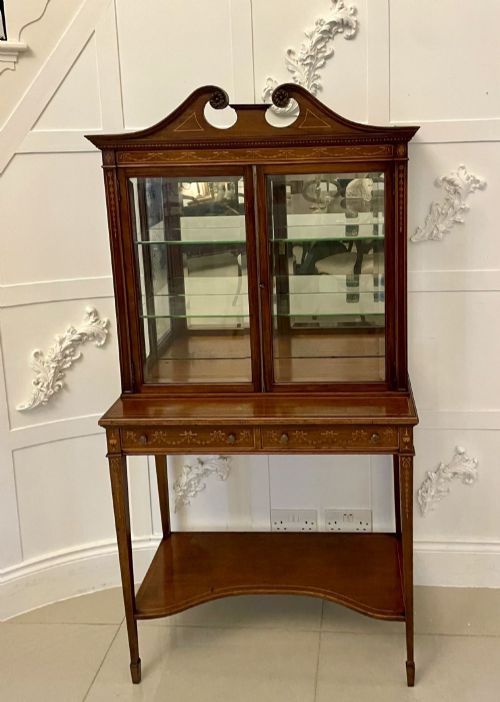
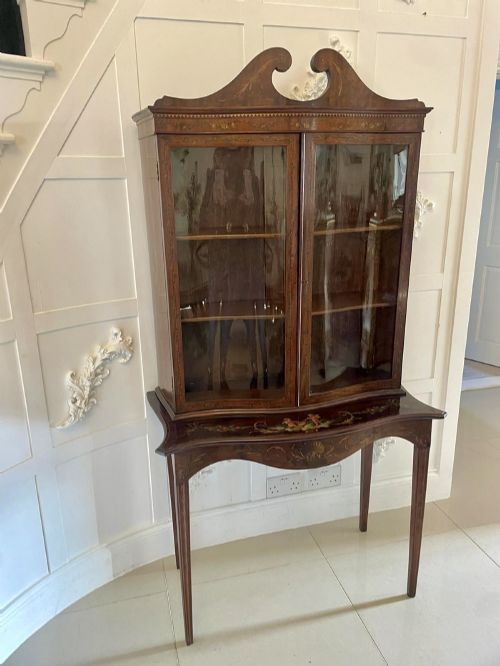
Cabinet makers constructed carcasses and shelves primarily from mahogany, often applying satinwood inlay, marquetry, or painted decoration to door panels and friezes. Glass panes fitted into glazed wooden frames protect the interior contents from dust.
Brass hardware secures doors and supports shelving, while internal surfaces occasionally feature fabric or mirrors to enhance the display of porcelain and glassware.
Some Edwardian cabinets even include mirrors inside, ensuring your porcelain gets a good look at itself.
Judging cabinet quality
Quality rests in the precision of the cabinet work, from the crispness of inlaid satinwood and marquetry details to the smoothness of glazed door frames and the integrity of the timber. Maker attribution and original painted decoration elevate certain examples above standard production pieces.
Proportion and decorative restraint distinguish finer Georgian and Edwardian designs from simpler utilitarian storage, reflecting the skill applied in the workshop.
Edwards & Roberts·Maple & Co.
The Brown Mahogany China Cabinet Glossary
- Breakfront
- A cabinet design where the central section projects forward from the flanking wings. This architectural form creates depth and visual interest in larger library and display pieces.
- Marquetry
- Decorative patterns formed by fitting together thin veneers of different coloured woods or other materials. Craftsmen utilise this technique to create floral and geometric motifs on cabinet doors.
- Vitrine
- A glass-fronted display cabinet designed specifically for showing porcelain, curiosities, and small objects. These pieces rely on extensive glazing to maximise light penetration.
- Satinwood
- A pale, lustrous timber utilised for contrasting inlay work and banding on darker mahogany surfaces. It provides sharp visual borders around panels and drawers.
- Bijouterie cabinet
- A specialised glazed display case featuring a shallow compartment for jewellery and small valuables. These items typically sit atop slender legs or support stands.
Brown Mahogany China Cabinet: Frequently Asked Questions
What periods do these cabinets come from?
The selection includes pieces spanning the Georgian period, the nineteenth century, the Victorian era, and Edwardian Sheraton Revival designs up to the 1930s.
Each era brings distinct proportions and decorative treatments, ranging from simple architectural glazed doors to intricate floral marquetry.
How were these cabinets used originally?
These cabinets served primarily to store and display valuable porcelain, dining silver, and bound volumes in principal reception rooms.
Glazed doors kept dust away from delicate ceramics while allowing guests to admire household collections.
How do I care for mahogany timber?
Keep cabinets away from direct sunlight and sudden temperature shifts to protect the mahogany grain and any delicate veneer work from splitting.
Clean glass with appropriate solutions and dust wooden surfaces gently with a soft cloth.