


Brown Inlaid Corner Cupboard
These brown inlaid corner cupboard pieces turn awkward room angles into useful display space through clever historic cabinet-making.
Brown Inlaid Corner Cupboard
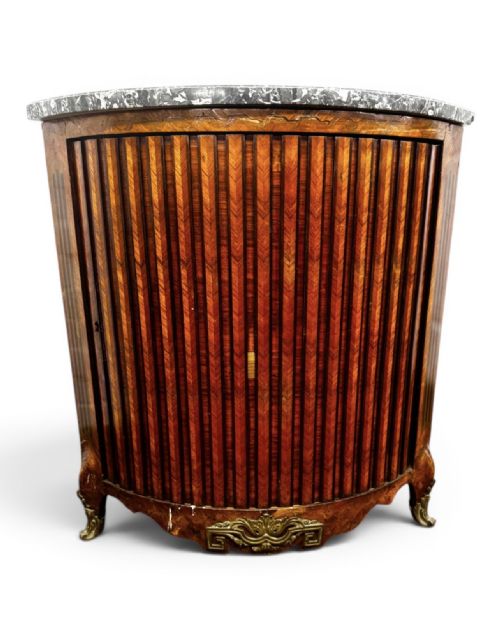
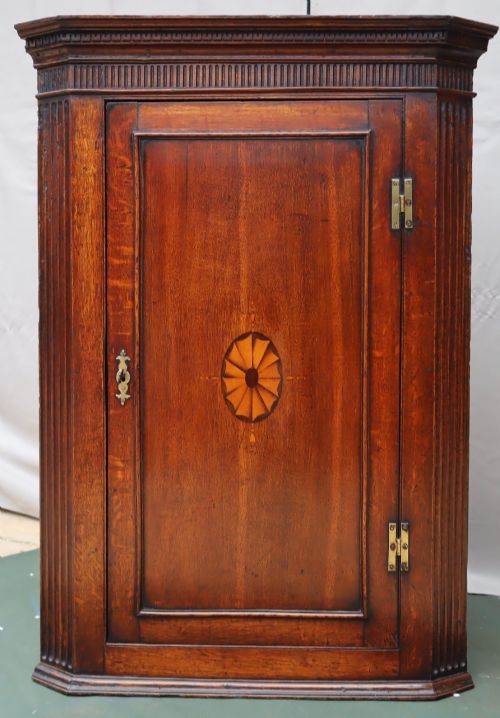
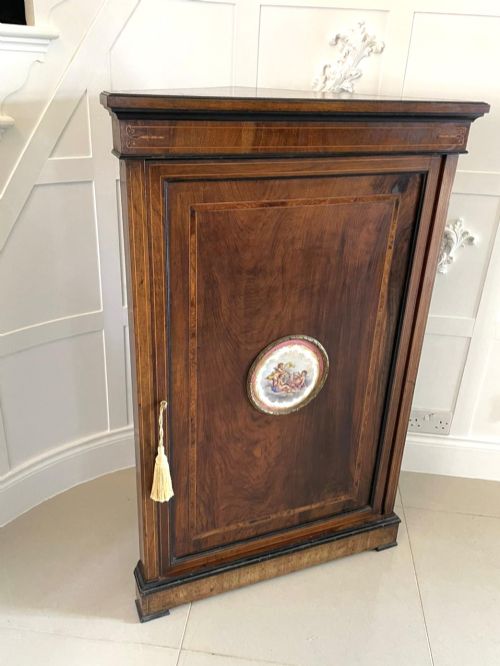
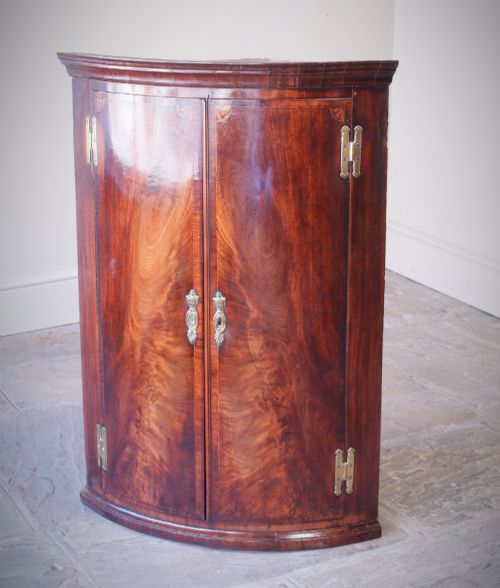
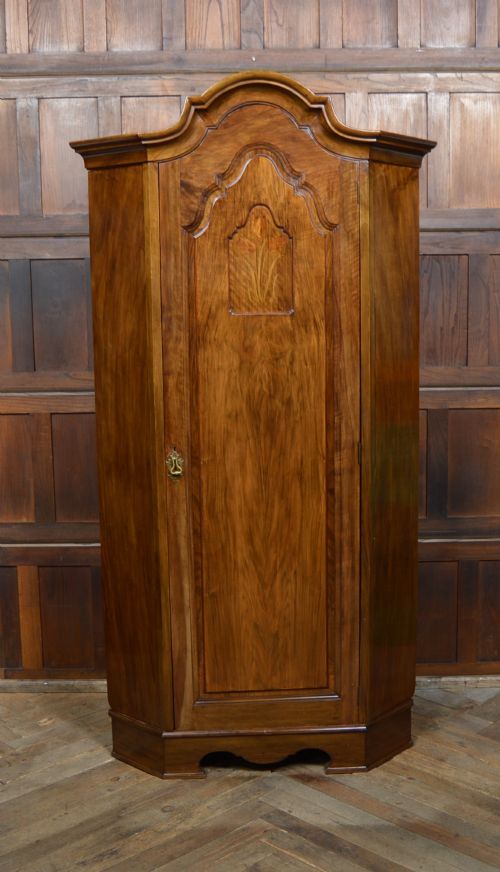
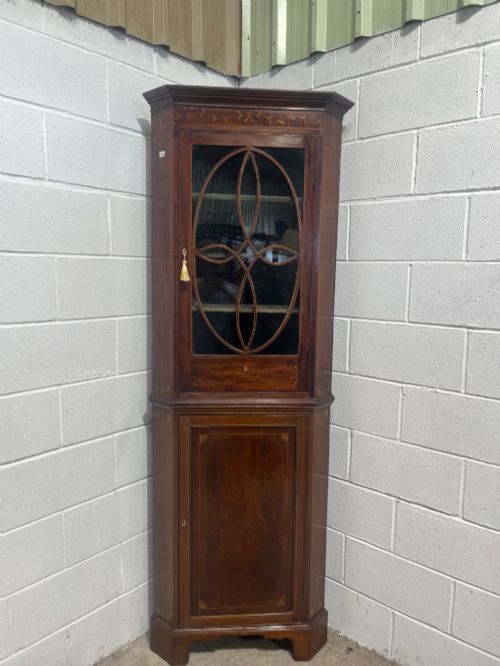
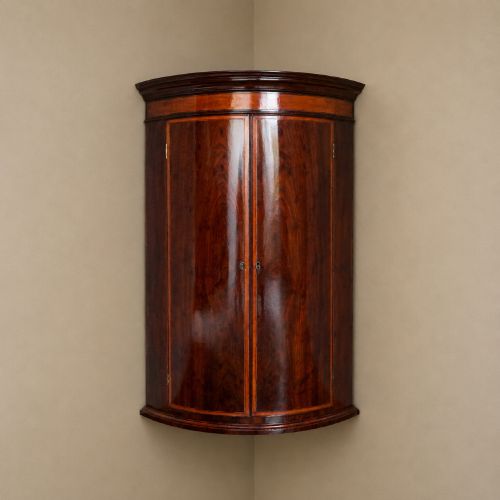
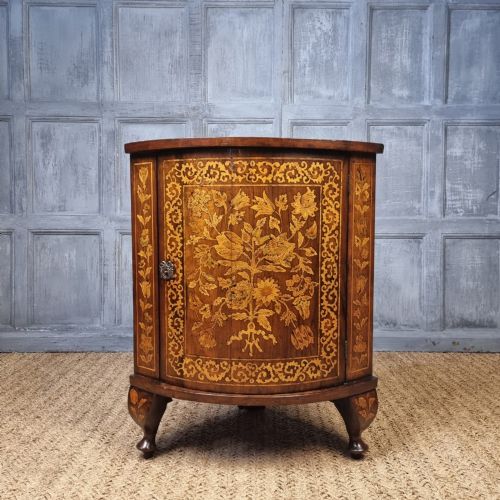
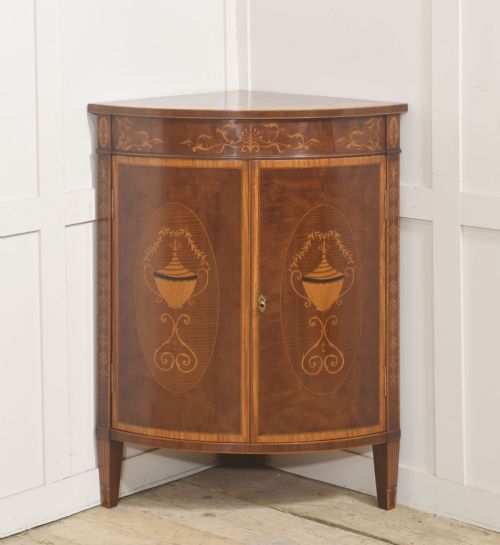
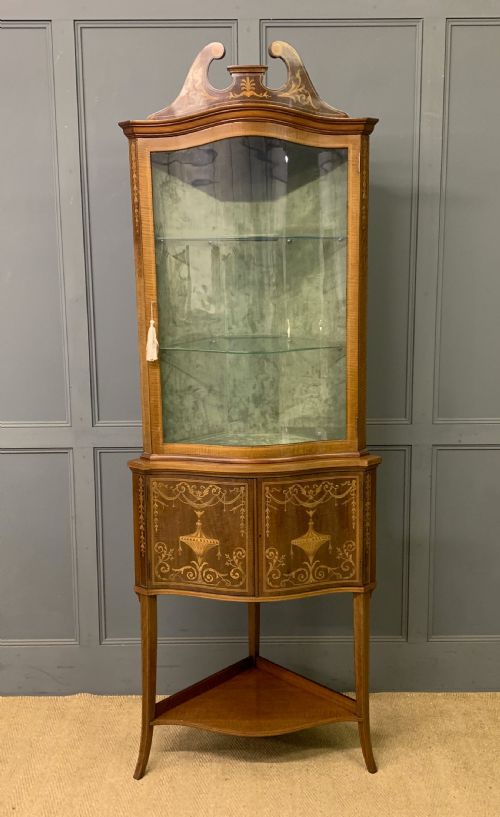
A brown inlaid corner cupboard is a specialised storage unit designed specifically to fit into the right angle of a room. The selection includes both wall-hanging models and floor-standing cabinets spanning multiple centuries.
You will most commonly encounter mahogany examples featuring decorative woodwork from the Georgian and Edwardian periods. These forms utilise vertical space efficiently while adding traditional warmth to an interior.
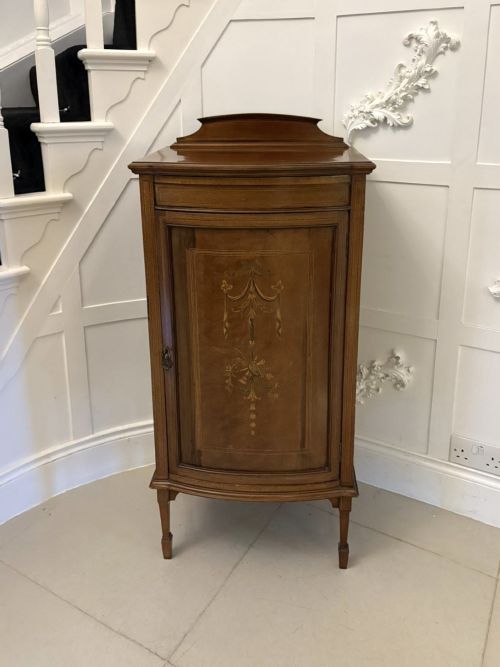
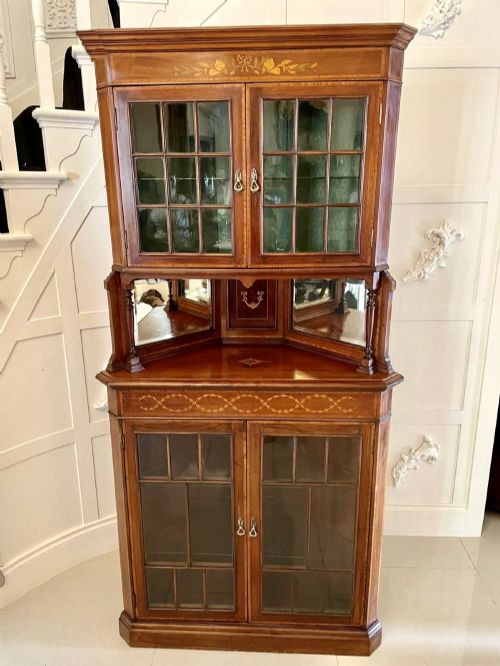
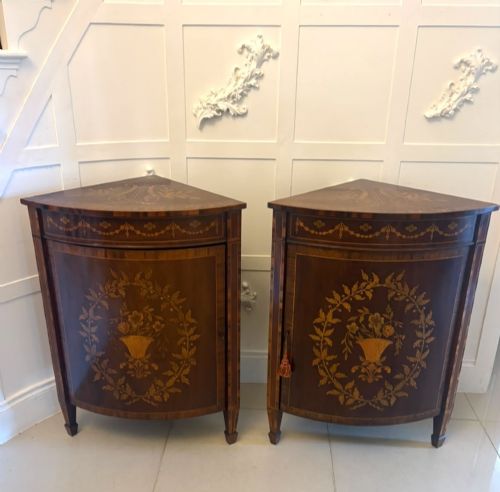
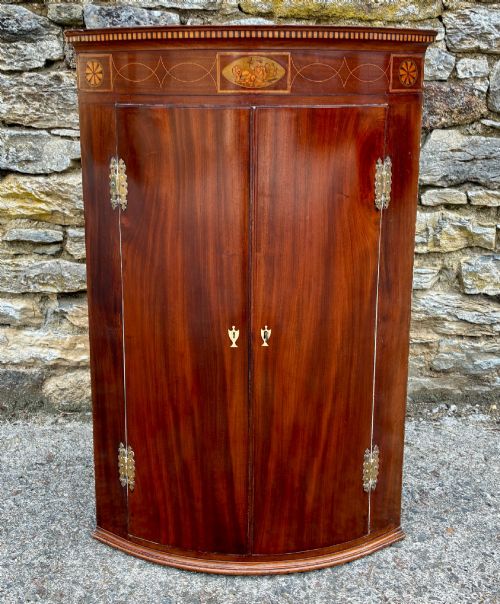
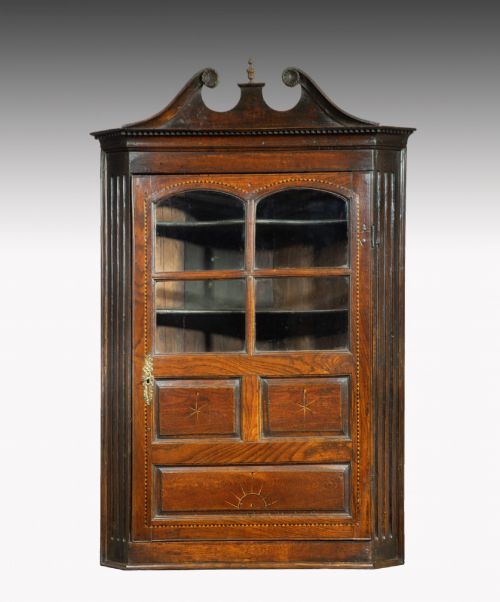
The assortment contains various formats including bow-fronted doors, glazed panels for display, and marquetry details. Pieces range from straightforward oak country furniture to refined walnut and satinwood urban designs.
Materials and construction methods
Cabinet-makers relied heavily on mahogany, oak, and walnut as primary timbers for structural integrity and rich natural colour. Secondary woods like fruitwood and boxwood provided contrasting tones for detailed banding and stringing.
Surface decoration frequently involved intricate inlay, marquetry, and crossbanding to create geometric patterns or floral motifs. Brass hardware such as H-hinges and escutcheons secured doors and added metallic contrast to the timber.
Brown Inlaid Corner Cupboard Retail Price Guide 2026
Typical asking prices for brown inlaid corner cupboard among the pieces listed under this phrase on Sellingantiques today, from the lower quarter to the upper quarter. They describe what is for sale here now, not the wider market.
Some clever corner cabinets include hidden spice drawers tucked secretly behind the main shelving for unexpected private storage.
Assessing craftsmanship and finish
Superior examples demonstrate precise timber selection with well-matched grain patterns across the front doors and visible panels. The tightness of the joinery at the wall-meeting edges indicates the original maker's skill level.
The refinement of the inlay work separates standard utility items from high-end pieces. Sharply executed boxwood and satinwood stringing remains crisp, whereas lesser pieces show wider, less precise cutting.
The Brown Inlaid Corner Cupboard Glossary
- Bow front
- A convex curved cabinet front that projects outward from the corner. This curved profile requires specialised framing and shaped shelving.
- Marquetry
- Decorative veneer patterns assembled from various coloured woods to form pictorial or abstract designs. Artisans cut these thin wood sections precisely before gluing them to the carcass.
- Crossbanding
- A strip of veneer laid around the border of a panel with the grain running perpendicular to the centre. It creates a defined visual frame.
- Stringing
- Very narrow lines of contrasting wood inlaid into channels cut on the furniture surface. This linear detail outlines drawers, doors, and cornices.
- Hanging cabinet
- A wall-mounted storage unit supported by internal brackets or fixing plates rather than standing on the floor. These save valuable floor space in smaller rooms.
Brown Inlaid Corner Cupboard: Frequently Asked Questions
How do I hang a wall cupboard safely?
Wall-hanging models require secure attachment to structural studs or masonry using appropriate fixings suited to the weight of the timber.
Professional installation ensures the cabinet supports the load of heavy contents safely without pulling away from the wall angles.
Where should I place a corner cupboard?
These units suit empty room junctions in hallways, dining rooms, and living spaces where standard rectangular furniture creates clutter.
Positioning them away from direct heat sources protects the historic wood and inlay from drying out or splitting over time.
How do I tell Georgian from Edwardian pieces?
Georgian examples date from the eighteenth and early nineteenth centuries, showing heavier solid timber construction and restrained classical lines.
Edwardian items from around nineteen hundred often revive earlier Sheraton styles with lighter mahogany frames and more delicate satinwood inlays.
Can I store heavy items inside?
Most historic shelves suit books, glassware, and tableware, though internal fixing cleats dictate the maximum load capacity.
Checking the stability of the shelf supports helps prevent structural strain on older wooden housings.