
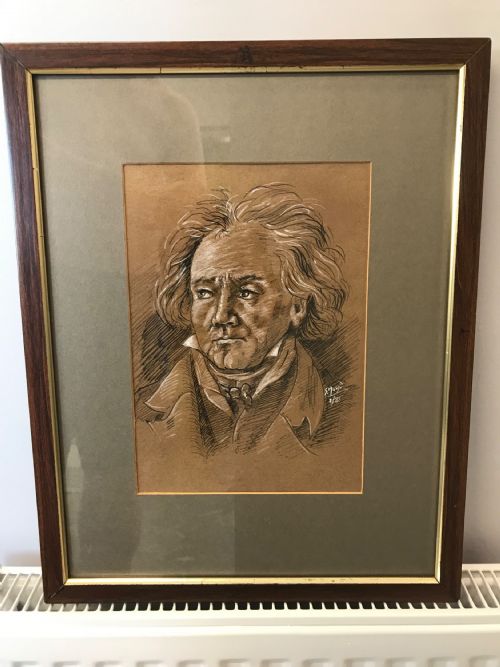
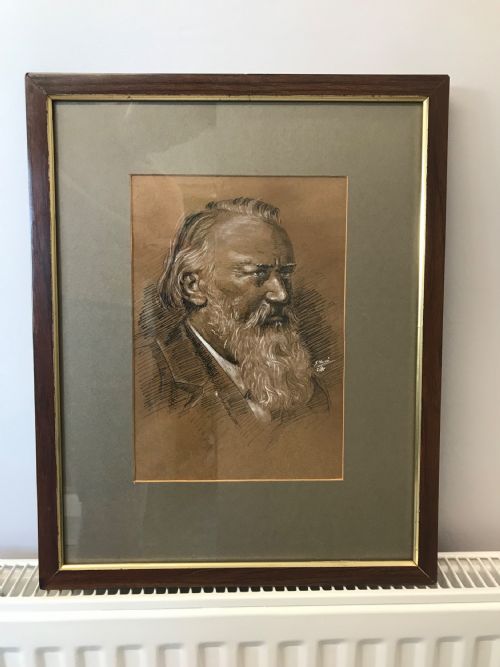


Brown Ink Drawing
A brown ink drawing captures form and tone through line alone, offering a direct record of an artist's hand.
Brown Ink Drawing
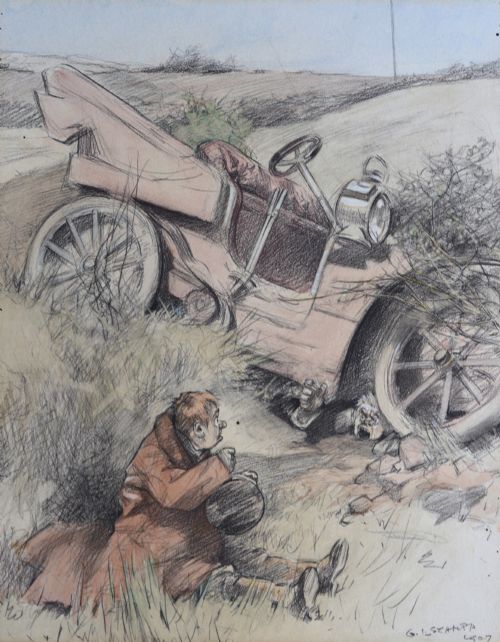
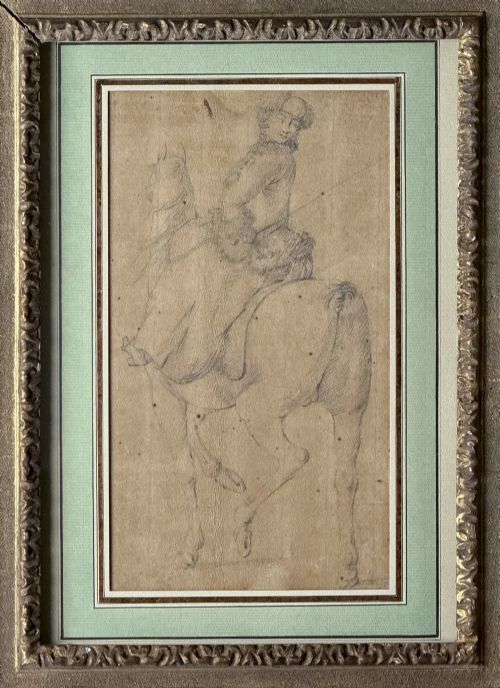
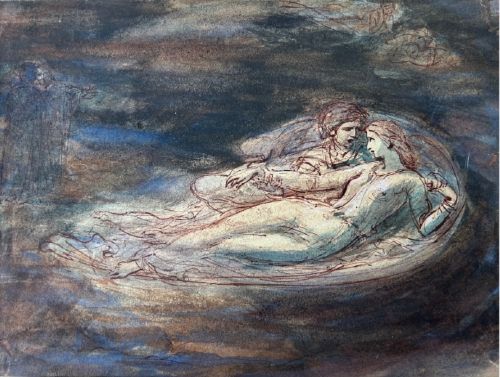
A brown ink drawing brings together works executed primarily in sepia or standard brown inks, often accompanied by washes or touches of gouache. These pieces range from early eighteenth-century northern European studies to twentieth-century compositions by notable figures.
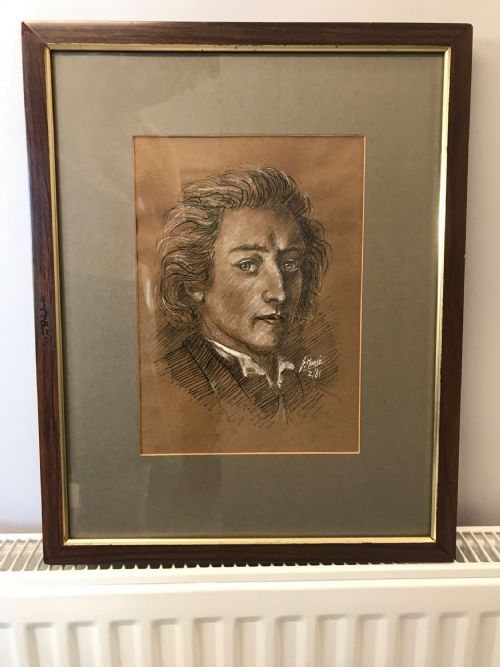
Buyers encountering this selection will find framed artworks spanning the nineteenth and twentieth centuries, including portraiture, architectural plans, and landscapes. The grouping reflects diverse regional schools and historical periods, uniting them through their medium rather than a single artistic movement.
Materials and Technique
Artists relied upon paper as the primary support, applying ink with pens alongside watercolor washes and gouache for tonal depth and highlights. These materials allowed creators to build subtle gradations of shadow beneath fine linear work.
Framed works in wood and glass protect these delicate paper supports from environmental damage. The combination of ink and wash requires careful handling to preserve the integrity of both the paper and the water-based pigments.
Cats and composers share equal space here, captured permanently through the versatile scratch of a pen.
Evaluating Quality
Quality rests in the confidence of the line and the precision of the wash, where sure handling creates depth without hesitation. Pieces that demonstrate a firm command of anatomy, architecture, or landscape proportion stand apart from simpler exercises.
The relationship between the ink work and secondary media like watercolor or gouache dictates the visual balance of the sheet. Strong examples maintain clarity in the linework while the wash supports the composition rather than obscuring it.
George Lorain Stampa·Louis Wain·Lawrence Stephen Lowry·Owen Bowen·Theobald Chartran·Henri Josephe Hesse·Joseph Hansom·Fred Lawson·John Thirtle·Thomas Lound
The Brown Ink Drawing Glossary
- Sepia ink
- A brown pigment traditionally derived from the ink sac of the cuttlefish. It provides the warm tonal quality seen in many historical wash drawings.
- Wash
- A diluted layer of ink or watercolour applied across paper to create shadow and tonal depth. Artists build form by layering transparent applications of colour.
- Gouache
- An opaque water-based paint used to introduce highlights and solid areas of colour into a drawing. It differs from transparent watercolour through the addition of a white inert pigment.
- Pre-Raphaelite
- A nineteenth-century artistic style characterised by detailed observation and bright colour or careful linear precision. Works in this group often reflect literary or historical themes.
Brown Ink Drawing: Frequently Asked Questions
How should I frame a paper drawing?
Framing requires acid-free mount board and UV-protective glass to prevent the paper and brown ink from degrading under light exposure.
Keeping the paper from touching the glass directly preserves the texture and prevents moisture damage over time.
What subjects appear in these works?
Subjects range from architectural studies and theatrical figures to composer portraits and rural landscapes.
Artists frequently recorded domestic scenes, historical narratives, and topographical views directly from life.
How do I identify the period of an ink drawing?
Dating relies on the watermark in the paper, the chemical composition of the ink, and the stylistic conventions of the depicted figures or clothing.
Signatures, dates inscribed on the reverse, and framing remnants also offer clues to the creation era.
Are these works original or reproductions?
The pieces listed are original works executed by hand directly onto paper using pen, ink, and wash techniques.
Examination under magnification reveals the physical indentations of the pen nib and the pooling of the ink within the paper fibres.