


Brown Ink Artwork
Brown ink artwork gathers centuries of draughtsmanship, offering intimate sketches and finished studies on paper that reveal the direct hand of the artist.
Brown Ink Artwork
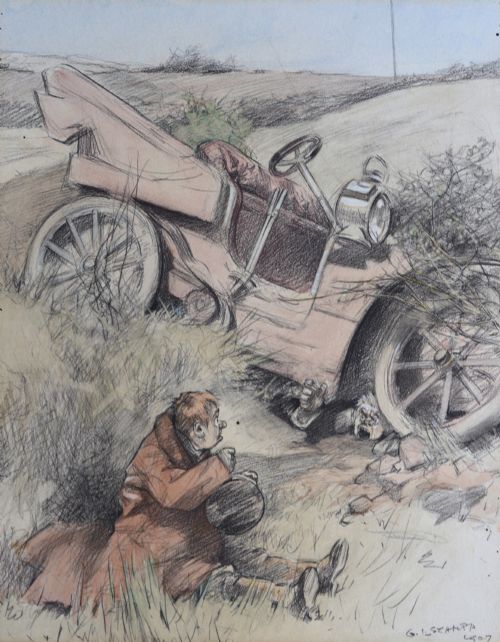
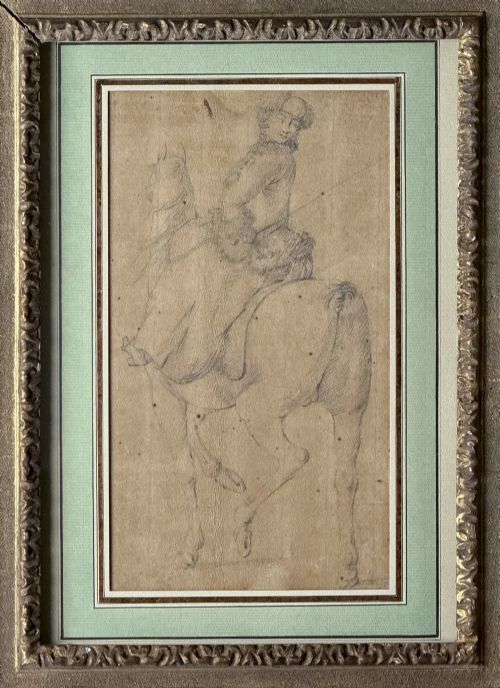
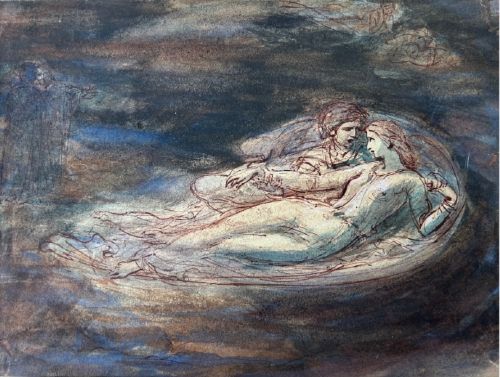
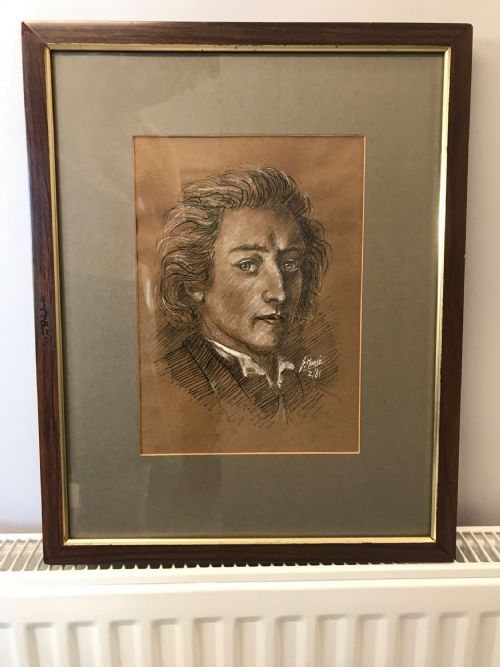
Brown ink artwork encompasses original drawings, wash sketches, and mixed media pieces created across the nineteenth and twentieth centuries. These works range from rapid compositional studies to highly finished portraits and architectural renderings executed on paper.
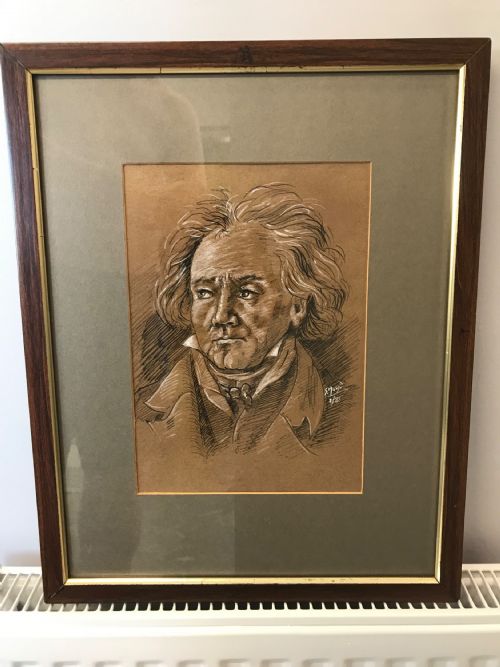
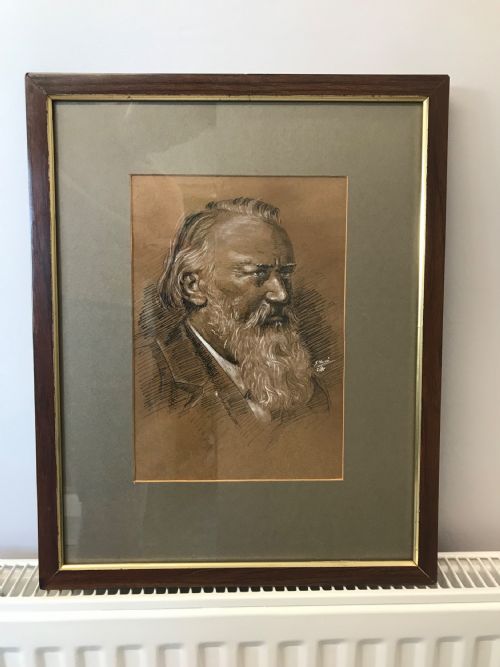
Buyers frequently encounter works featuring sepia ink, wash, and gouache highlights alongside pure pen and ink line drawings. Subjects vary widely from classical theatre figures and composer portraits to pastoral landscapes and architectural elevations.
Materials and technique
These works rely fundamentally on paper supports paired with iron gall, sepia, or standard pigment inks applied with nibs, quills, or fine brushes. Artists often enhanced these linear foundations using tonal washes of diluted ink or watercolour to build depth and shadow.
Many compositions incorporate gouache for opaque highlights, graphite for initial underdrawing, and occasionally coloured inks to define specific spatial planes. Wood and glass typically appear only in the framing materials used to protect these delicate works on paper.
The inventory bridges multiple eras, containing nineteenth-century architectural studies alongside modernist twentieth-century landscape watercolours.
Evaluating quality and execution
Quality rests upon the sureness of the draughtsmanship and the expressive economy of the line. Masterful works demonstrate confident pen control and a sophisticated balance between inked shadow and untouched paper.
The depth of the composition and the historical significance of the subject matter elevate finer pieces above simple decorative exercises. Superior examples retain their original tonal contrast without excessive fading of the brown pigments or discoloration of the underlying paper.
George Lorain Stampa·James Tower·Louis Wain·Lawrence Stephen Lowry·Andrea Mantegna·Theobald Chartran·Henri Josephe Hesse·Joseph Hansom·Fred Lawson·John Thirttle·Thomas Lound
The Brown Ink Artwork Glossary
- Wash
- A technique where diluted ink or watercolour is applied in broad, flat or graded layers to create shadow and tonal depth. It is frequently combined with fine pen lines in historical drawings.
- Sepia ink
- A dark brown pigment traditionally derived from the ink sac of the cuttlefish. It produces the warm, characteristic monochrome tones seen in many historical sketches.
- Gouache
- An opaque water-based paint composed of pigment, a binding agent, and added inert white material. Artists use it to add solid highlights and opaque details over ink drawings.
- Pre-Raphaelite
- An artistic movement characterised by a return to abundant detail, intense colours, and complex literary or religious subjects. Works from this circle often display meticulous line work.
- Draughtsmanship
- The skill and proficiency an artist demonstrates in drawing and handling linear elements. It forms the core assessment metric for works executed in ink on paper.
Brown Ink Artwork: Frequently Asked Questions
What is the difference between sepia ink and standard pen work?
Sepia ink yields a warm, reddish-brown hue traditionally sourced from marine molluscs, imparting an aged, organic warmth to historical drawings. Standard black or dark brown iron gall inks tend to age with cooler or more acidic tones.
Artists often selected sepia for its softer visual impact when creating preparatory sketches and tonal landscape washes.
How can I tell a nineteenth-century drawing from a later reproduction?
Examine the surface closely under magnification to check for actual ink pooling, nib indentations in the paper, and variations in line width. Reproductions typically show uniform dot patterns from modern printing processes rather than true fluid strokes.
Consider the paper stock and watermark evidence, which generally align with the stated period of production.
Why do some ink drawings include gouache highlights?
Artists introduced gouache to provide opaque white or coloured accents that pop against monochromatic brown ink lines. This combination allows for rapid creation of brilliant highlights on clothing, water, or clouds.
It adds a dimensional quality that pure line drawings cannot achieve without extensive cross-hatching.