


19th Century Figural Artwork
Nineteenth century figural artwork captures the human form across sculpture, painting, and paper, offering collectors a direct link to historical academic and realist traditions.
19th Century Figural Artwork
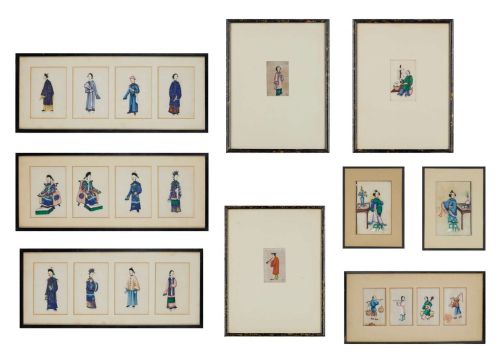
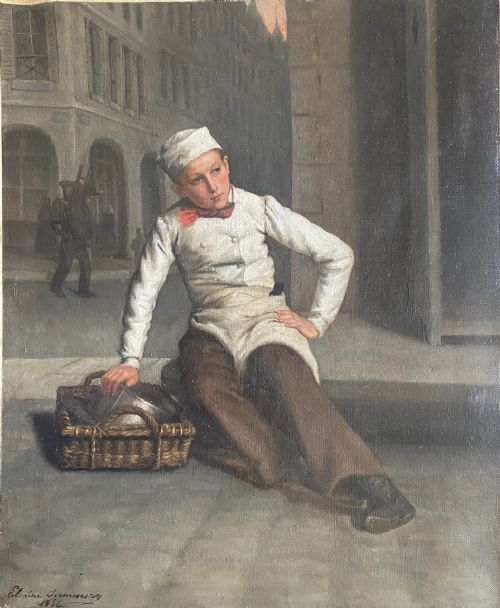
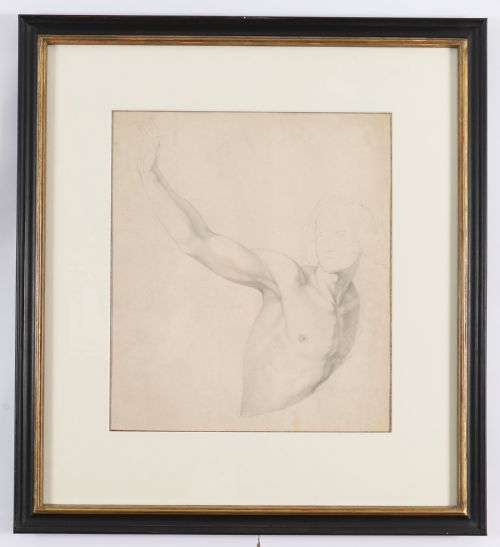
Buyers seeking 19th century figural artwork encounter a diverse selection encompassing European oil paintings, watercolours, bronze sculptures, and traditional works on paper such as pith paintings. These pieces predominantly portray people, from genre scenes of daily life to classical allegories and portraits created during the Victorian era and continental movements.
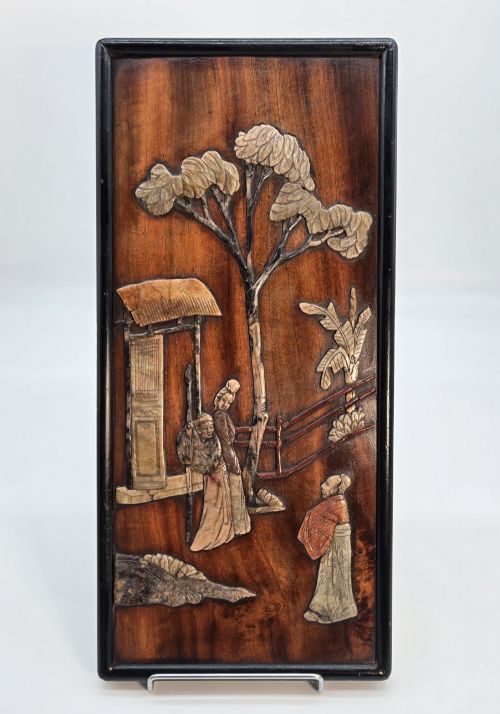
The objects on this page range from framed watercolours and needlepoint tapestries to cast bronze figures and detailed oil paintings on canvas or panel. Many reflect specific regional styles, including French Neoclassical, Pre-Raphaelite, and Chinese Qing dynasty traditions, showing how different cultures approached the human figure during the 1800s.
Materials and Techniques
Painters of this era utilised oil paint and watercolour on canvas, paper, wood panels, or delicate pith paper to render detailed human subjects. Works often combine precise draftsmanship with varied brushwork, capturing textures of fabric and skin through established academic techniques.
Sculptors shaped bronze and carved stone to create three-dimensional figures, utilising traditional casting and carving methods common in European workshops. Needlepoint tapestry provides another textural medium, employing dyed threads to compose intricate figural scenes on fabric grounds.
Several bronze groups capture quiet domestic moments, including a mother feeding ducks and an apprentice cook resting from his labours.
Variations in Quality
Quality in these artworks rests primarily on the precision of anatomical rendering, the expressive character of the figures, and the skill demonstrated in handling the chosen medium. Masterful brushwork in oil paintings or refined chiselling and patination in bronze sculptures distinguish finer works from simpler commercial productions.
The depth of composition and the fidelity of the execution relative to period aesthetic standards also divide standard examples from exceptional ones. Artworks exhibiting strong provenance or attribution to recognised Salon-exhibiting artists demonstrate a higher level of artistic accomplishment.
Philip Richard Morris·John Robert Dicksee·Vincenzo Irolli·Justo de Gandarias·Auguste Moreau·Lucien Madrassi·Madeline Hughes·Charles Edward Wilson·Walter Dendy Sadler·Joseph Emmanuel Weiser·Math. Moreau·Eugene Laurent
The 19th Century Figural Artwork Glossary
- Pith painting
- A delicate watercolour executed on a porous material derived from the pith of the Tetrapanax papyrifer plant, commonly produced in 19th century China for export.
- Bronze
- An alloy of copper and tin utilised widely in the 19th century for casting sculptures using the lost-wax or sand-casting methods.
- Genre painting
- Artwork depicting scenes from everyday life, typically featuring ordinary people engaged in common activities rather than heroic or historical narratives.
- Pre-Raphaelite
- An artistic movement originating in the mid-19th century characterised by detailed observation, bright colours, and serious subject matter inspired by Quattrocento art.
- Salon
- An official art exhibition held periodically by the Académie des Beaux-Arts in Paris, serving as the primary venue for exhibiting academic and realist works during the 19th century.
19th Century Figural Artwork: Frequently Asked Questions
What defines 19th century figural artwork?
These pieces comprise paintings, drawings, and sculptures created during the 1800s that focus primarily on human subjects. They range from portraits and domestic genre scenes to mythological groups and studies after earlier masters.
The category spans diverse cultural origins, including European academic canvases, Chinese pith paintings, and Qajar artworks from Iran, reflecting varied regional techniques of the century.
How were bronze sculptures made then?
Sculptors modelled their subjects in clay or wax before casting them in bronze using traditional foundry techniques such as sand casting or lost-wax casting. Skilled artisans then finished the metal surface with chiselling and applied patinas to create varied colour effects.
Many pieces were produced in French foundries, capturing intricate details in garments, hair, and facial expressions.
How do I care for antique works on paper?
Works on paper, watercolours, and pith paintings require protection from direct sunlight and high humidity to prevent fading and paper degradation. Framing behind UV-resistant glass with acid-free mounts ensures the delicate pigments remain stable.
Keeping them away from fluctuating temperatures preserves both the paper support and the water-based media.
How can I tell the period of a painting?
Dating relies on examining the stretcher frames, canvas types, paper characteristics, and the style of dress and hair depicted in the subject. Signatures, dates, and inscriptions written on the reverse or front of the canvas often provide direct evidence of when the work was completed.
Stylistic markers such as the loose brushwork associated with late 19th-century impressionism or the tight finish of academic realism also help narrow the timeframe.