


Brown Horse Figurine
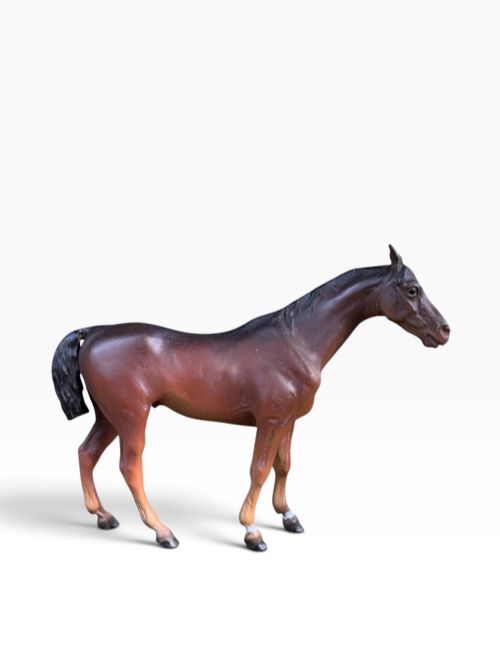
A brown horse figurine captures the power and grace of the animal, bringing tangible character to a room through skilled metalwork or carving.
Brown Horse Figurine
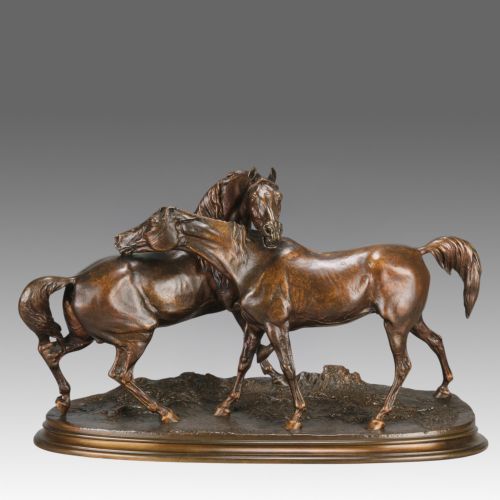
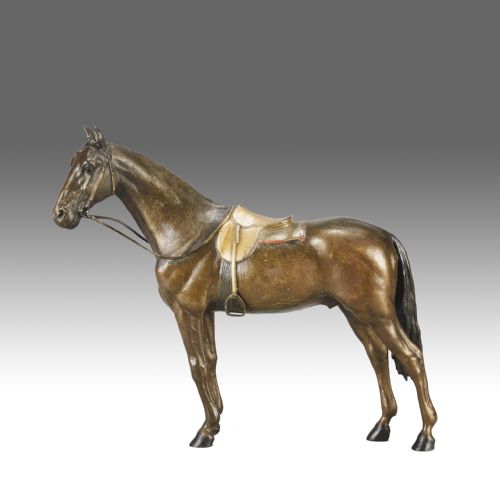
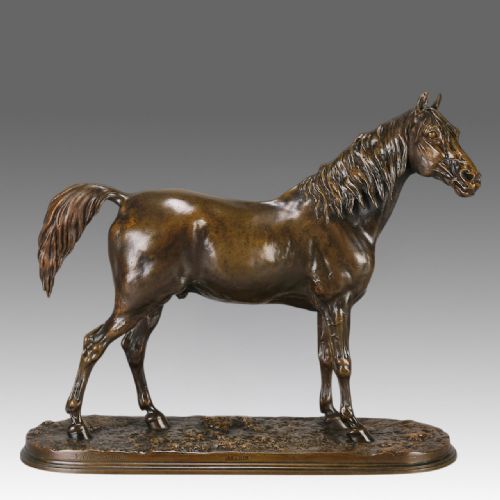
A brown horse figurine encompasses a range of sculptural interpretations from the nineteenth and twentieth centuries. Collectors encounter works originating from various artistic traditions, including French animalier studies and Austrian cold-painted bronzes.
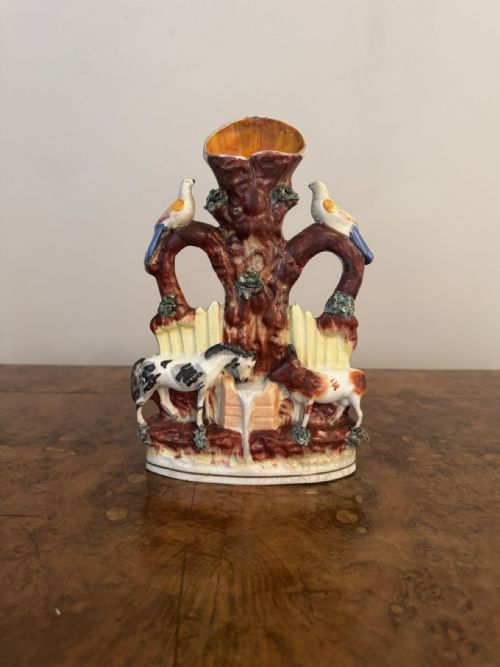
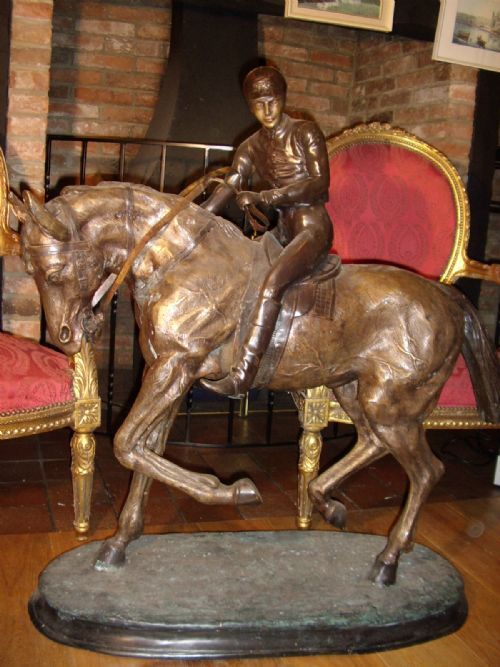
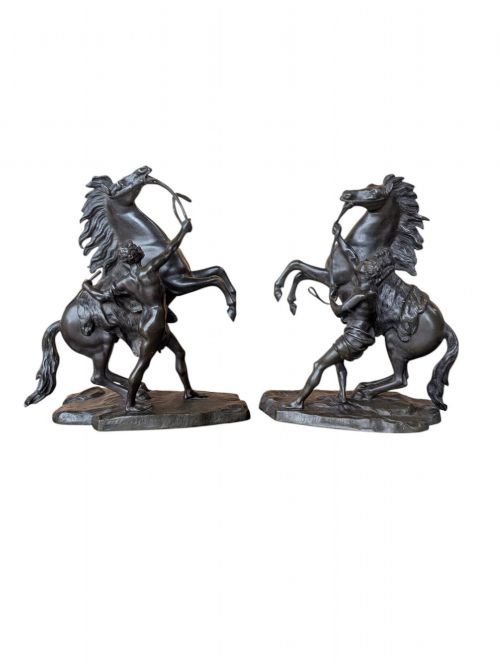
The objects take diverse forms such as free-standing decorative sculptures, spill vases, and table lighters. Representations vary from single racehorses and draught stallions to complex multi-figure hunting groups and mounted riders.
Pieces span periods from the mid nineteenth century through to mid-century modern designs. Common motifs include saddled hunters, Arab mares, and draught horses rendered in realistic detail.
Materials and methods
Metal sculptures rely predominantly on bronze casting, utilising both lost-wax and traditional techniques to capture musculature and posture. Cold-painted bronze pieces receive applied pigments directly onto the metal surface to create naturalistic tones.
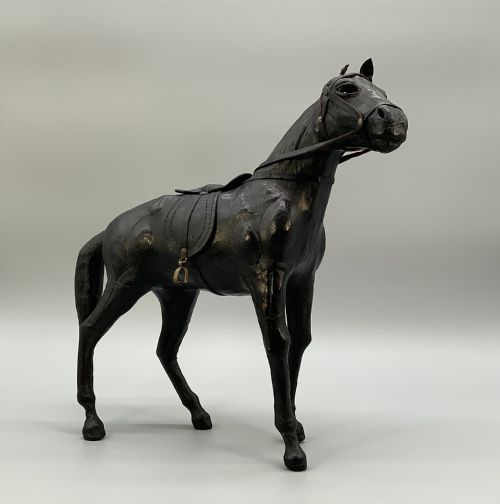
Carved examples utilise wood and leather-bound construction over structural forms to achieve texture. Artisans apply hand-carving and painting techniques to define the physical characteristics and harness details of the animals.
Listings feature works from the nineteenth century through to the mid-twentieth century, utilising bronze, wood, leather, and earthenware.
Evaluating craftsmanship
The preservation of original applied colour or patination dictates the integrity of painted and patinated metal pieces. Finer works display careful attention to harness fittings, tack, and base details that distinguish individual foundry output.
Pierre Jules Mene·Franz Bergman·Xavier Raphanel·Nikolai Lieberich
The Brown Horse Figurine Glossary
- Animalier
- A nineteenth-century artistic movement dedicated to the realistic portrayal of animals. Sculptors in this tradition focused closely on animal anatomy and movement.
- Cold-painted bronze
- A technique where bronze objects receive paint applications that are not fired in a kiln. This method allows for detailed polychrome finishes on small sculptures.
- Spill vase
- A small hollow vessel designed to hold taper spills used for lighting pipes and fires. These often incorporate animal figures into their decorative design.
- Patina
- The surface sheen or colour acquired by metal through age or chemical treatment. A well-preserved patina enhances the visual depth of bronze sculpture.
Brown Horse Figurine: Frequently Asked Questions
What is an animalier sculpture?
An animalier sculpture is a nineteenth-century artwork focused primarily on the naturalistic depiction of animals in various poses. These pieces emphasise accurate anatomy, movement, and behavioral characteristics rather than idealized forms.
French sculptors played a major role in developing this genre, producing works ranging from solitary horses to dramatic hunting scenes. Collectors prize these bronzes for their lively capture of animal energy.
How should I display my sculpture?
Place your figure on a stable surface away from direct sunlight to protect painted finishes and patinas from fading. Ensure the display area experiences minimal humidity fluctuations to preserve wood and leather elements.
Allow adequate space around the piece so the silhouette and fine details remain clearly visible from multiple viewing angles.
How do I tell nineteenth century bronzes apart from later copies?
Look closely at the crispness of the chasing and the weight of the metal casting. Period pieces typically display sharp anatomical details and hand-finished surfaces that softer modern reproductions lack.
Inspect the underside and base for appropriate casting methods, wear patterns, and signature placements consistent with the period of origin.