
Brown Horse Canvas Artwork
Brown horse canvas artwork brings Victorian and Edwardian equine portraits into your room with oil paint and gilt frames.
Brown Horse Canvas Artwork
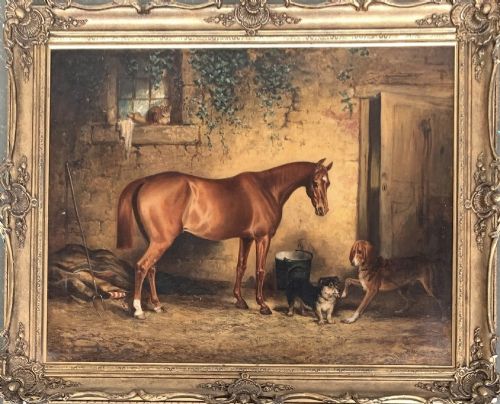
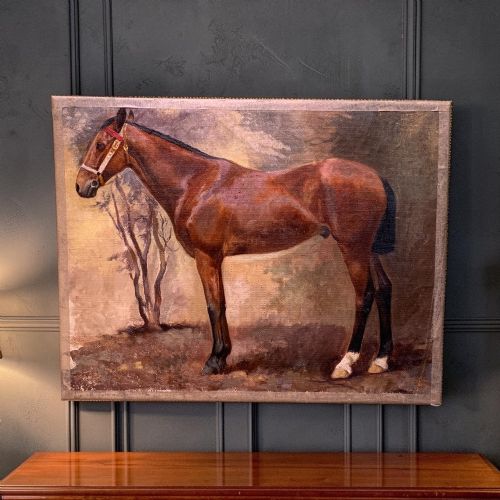
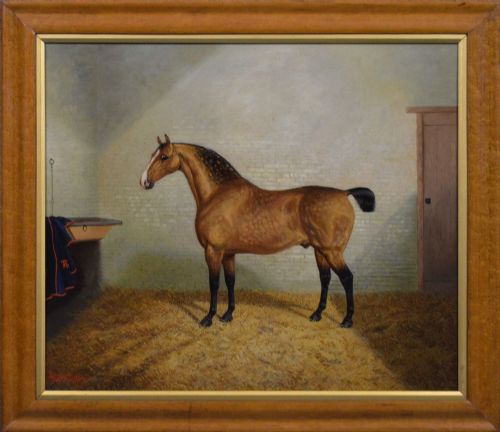
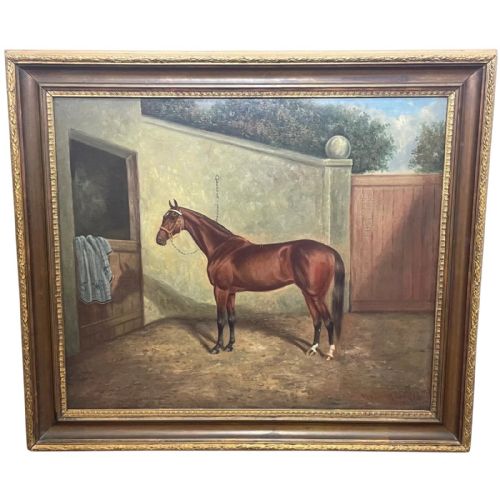
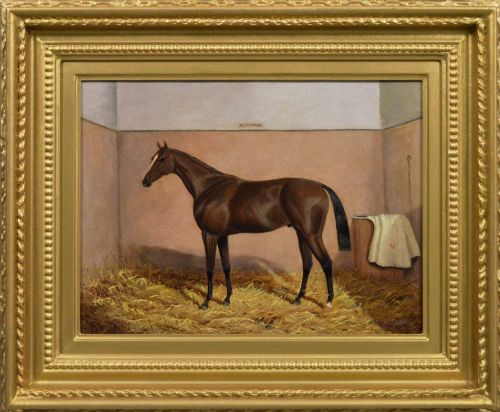
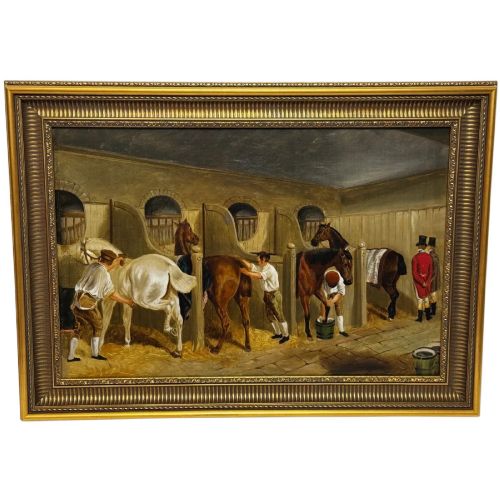
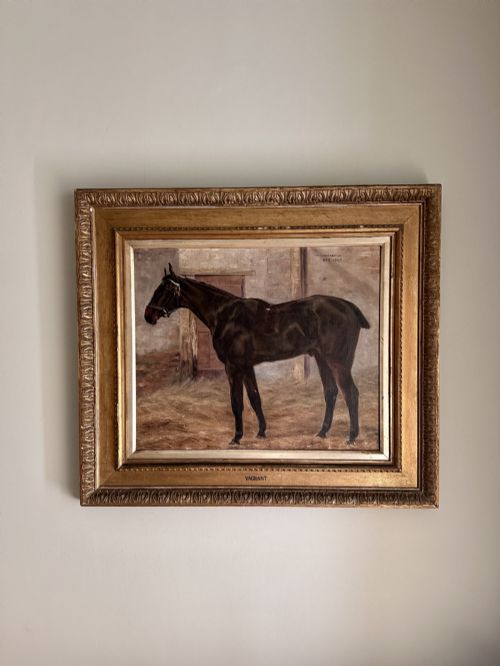
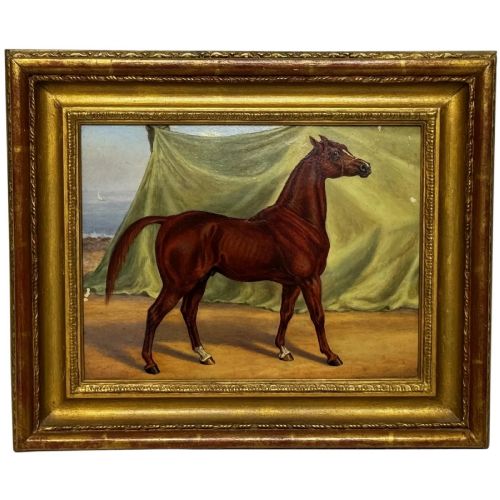
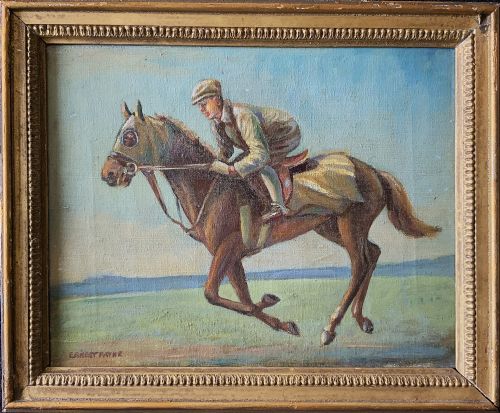
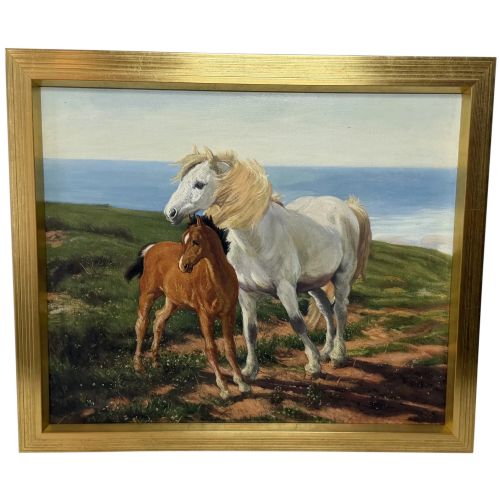
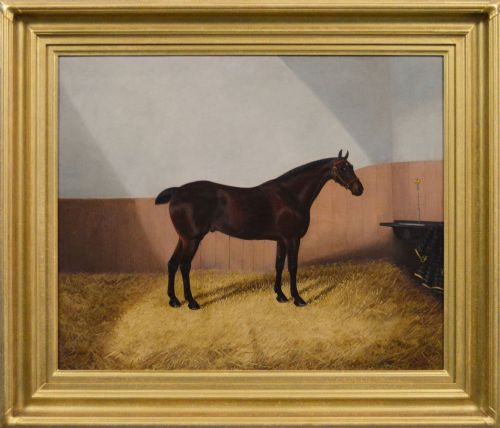
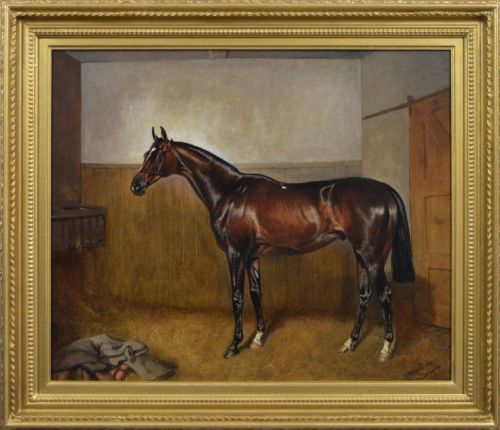
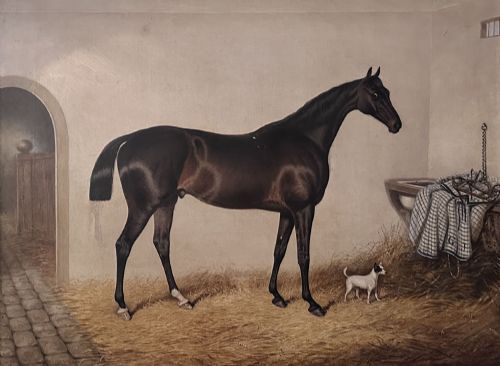
A brown horse canvas artwork portrays horses, hunters, and racehorses through nineteenth and early twentieth century oil paintings. These pieces capture individual animals, stable scenes, and racing subjects across Victorian and Edwardian periods.
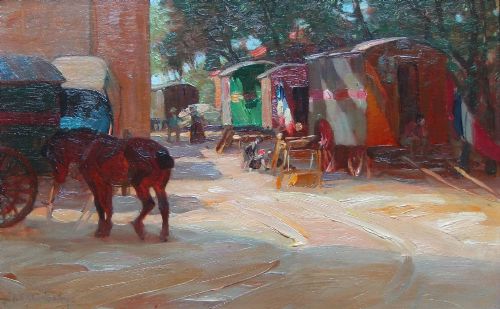
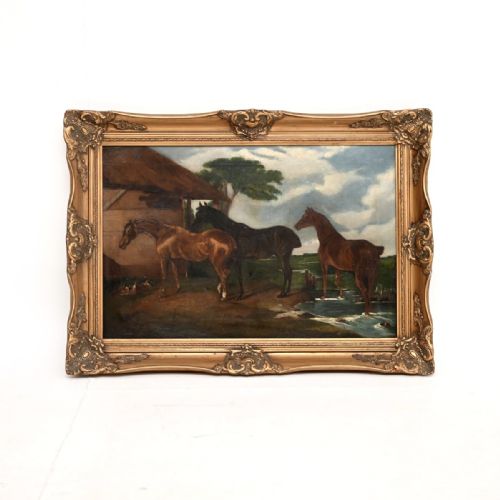
The selection centres on oil on canvas works, often set in original wooden or giltwood frames. You will encounter named racehorses, working horses, and countryside studies created within British and European artistic traditions.
How they were made
Artists applied oil paint directly onto stretched canvas supports using traditional bristle brushes to build up rich layers of pigment. This technique allowed painters to render the sheen of a horse coat and the varied tones of bay, chestnut, and dappled hides.
Finished canvases were secured within wooden frames, frequently finished with gilt decoration. The combination of canvas, oil media, and wood created durable works designed to hang in country houses and sporting estates.
Several canvases record the names of notable nineteenth century racehorse winners alongside their human jockeys and proud stable owners.
What varies in quality
The quality of a brown horse canvas artwork depends upon the anatomical accuracy and expressive handling of the animal subject. Master painters captured musculature, stance, and light with precise observation, whereas lesser works rely on formulaic composition.
Provenance and attribution to documented equestrian artists elevate certain canvases above anonymous studio pieces. The preservation of the original oil surface and the integrity of the period frame also distinguish superior examples.
Henry Barraud·Albert Clark·Fred Fitzpatrick·John Alfred Wheeler·John Ferneley Senior·Samuel Spode·Benjamin Cam Norton·Clifton Tomson
The Brown Horse Canvas Artwork Glossary
- Canvas
- A heavy woven fabric stretched across a wooden frame to serve as a support for oil paint. It provides a textured surface that holds layered pigments securely over centuries.
- Giltwood
- Wood carved and coated with a thin layer of gold leaf or metallic gilt finish. It forms the decorative border of traditional picture frames.
- Equestrian
- Pertaining to horses and horse riding. In art, this defines subjects dedicated to horses, racing, and hunting scenes.
- Bay
- A horse coat colour characterised by a reddish-brown body with black mane, tail, and lower legs. It is a frequent subject in sporting art.
- Provenance
- The documented history of ownership of an artwork. It traces the piece from its creation to its present location.
Brown Horse Canvas Artwork: Frequently Asked Questions
What periods do these paintings date from?
These oil paintings date primarily from the nineteenth and early twentieth centuries, spanning the Victorian and Edwardian eras. The selection includes works created between the Georgian period and the mid-twentieth century.
Most pieces reflect the active periods of British and European sporting art when equine portraiture was widely commissioned by horse owners and estate residents.
How should I hang a framed oil painting?
Hang your canvas artwork on a secure interior wall away from direct sunlight and damp conditions. Use appropriate picture hooks rated for the weight of the framed canvas.
Keep paintings away from direct heat sources such as radiators to protect both the wooden stretcher and the oil paint surface from cracking.
Are these works original oil paintings?
Yes, the pieces listed are original oil paintings executed by hand on canvas supports. They utilise traditional oil paint techniques applied by artists working across different decades.
Each canvas represents a unique physical creation rather than a reproduction or print, carrying the distinct brushwork of the individual painter.
How do I identify a racehorse portrait?
Racehorse portraits often include specific identifiers within the title, such as the name of the winning horse, the racecourse, or the jockey. The animals are typically depicted in profile or standing within stable settings and training grounds.
Inscriptions on the canvas or frame frequently record the racing achievements and historical ownership of the portrayed animal.