




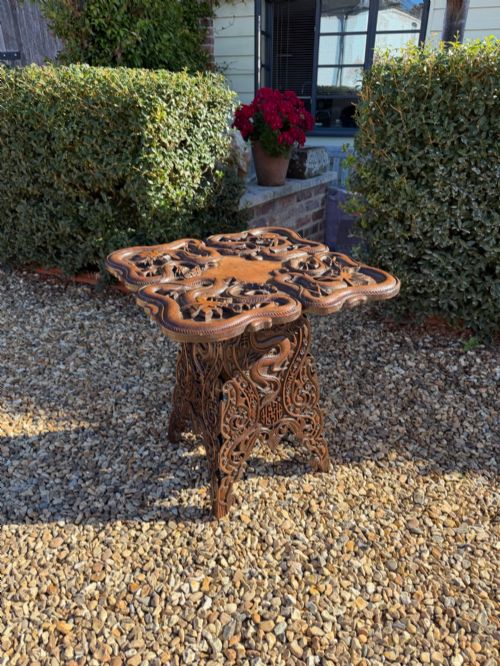
Brown Hardwood Table
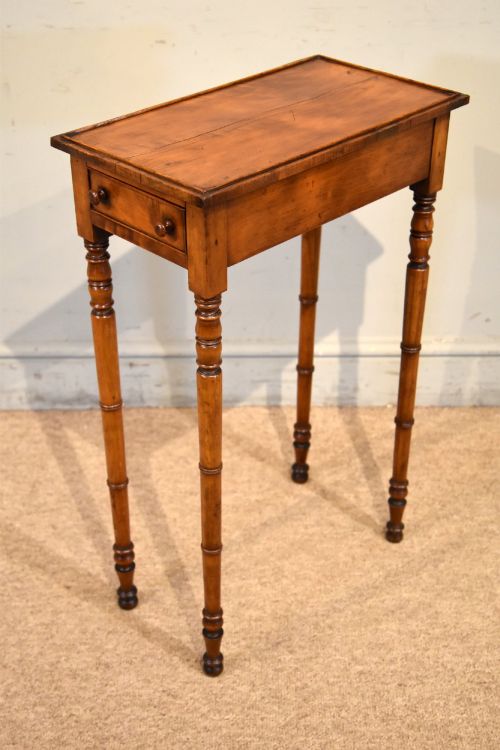
These brown hardwood table pieces bring dense timbers and carved surfaces into a room, offering functional low platforms and occasional stands.
Brown Hardwood Table
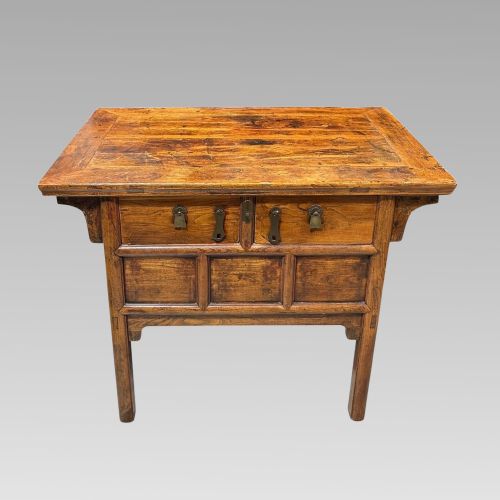
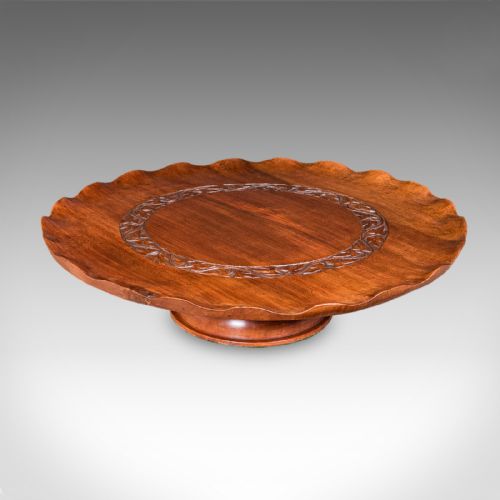
A brown hardwood table covers a broad sweep of low surfaces, coffee tables, console tables, and occasional stands made from dense Asian and European timbers. When you search for this phrase, you meet items ranging from nineteenth century Chinese scholar pieces to Anglo-Indian carved tables and Hungarian rustic benches.
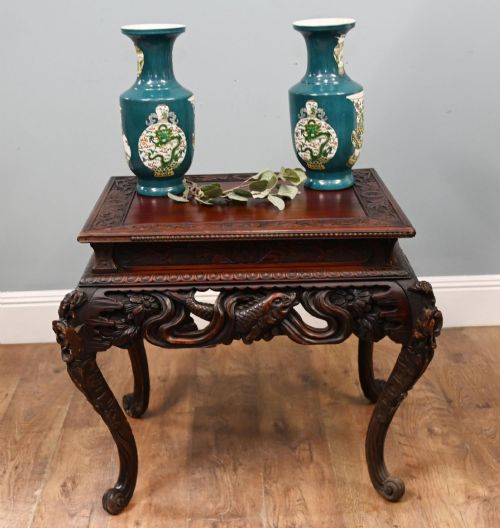
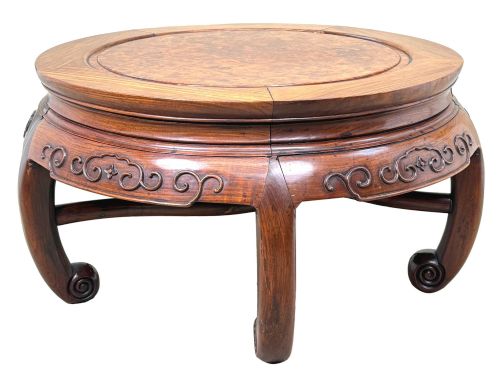
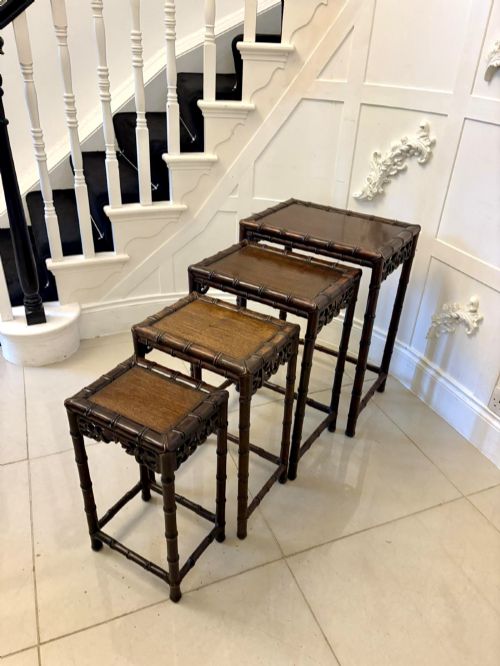
The most frequent examples on this page are Chinese coffee tables, side tables, and nests of tables originating in the nineteenth century. These forms often feature low profiles, carved aprons, or inset panels designed for domestic utility and display.
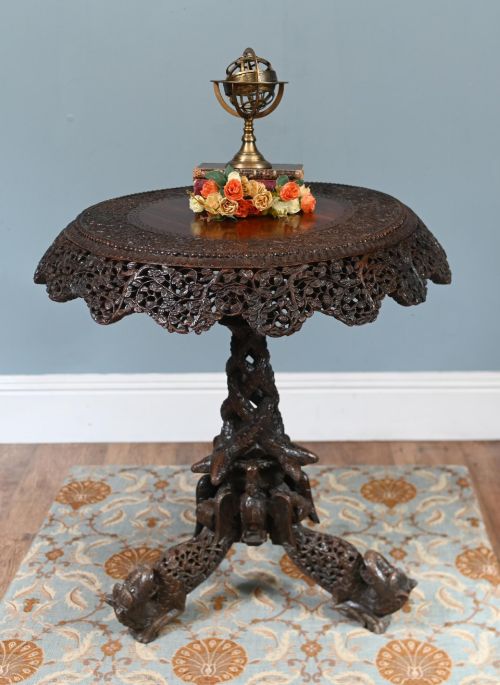
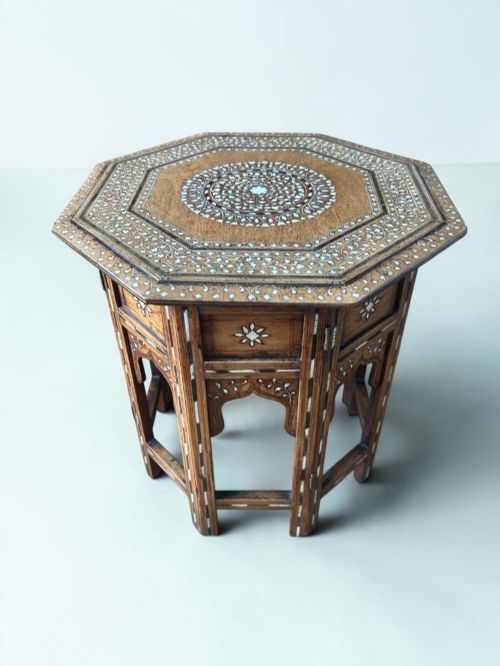
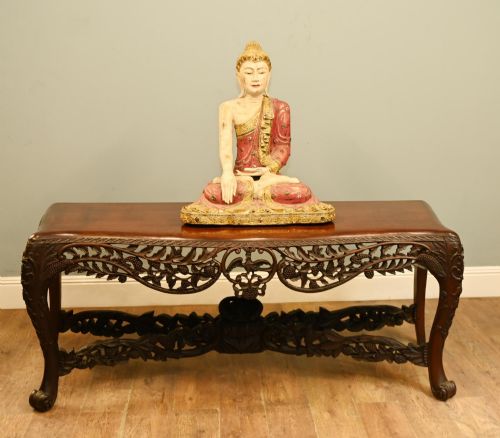
Beyond China, the selection includes Indian octagonal and oval occasional tables, Burmese carved pieces, and occasional European oak and hardwood combinations. Each regional tradition brings specific joinery methods and decorative motifs to the same fundamental category of brown furniture.
Materials and construction
Cabinet makers utilised dense exotic timbers such as huanghuali, padauk, rosewood, teak, and walnut, selecting them for their heavy weight and deep grain patterns. These woods were often left with natural finishes or polished to emphasise the grain.
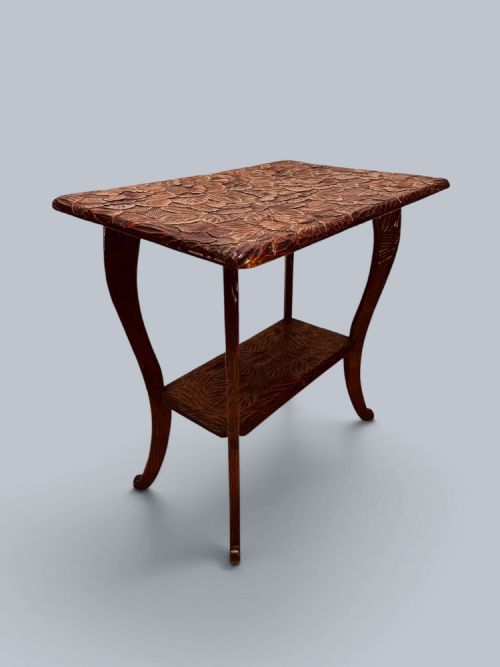
Joinery relied on traditional mortise and tenon frames, floating panels, and interlocking joints that allowed the heavy timber to expand and contract with humidity changes. Carvers worked directly into the solid wood to create intricate floral reliefs, bamboo emulation, or geometric borders.
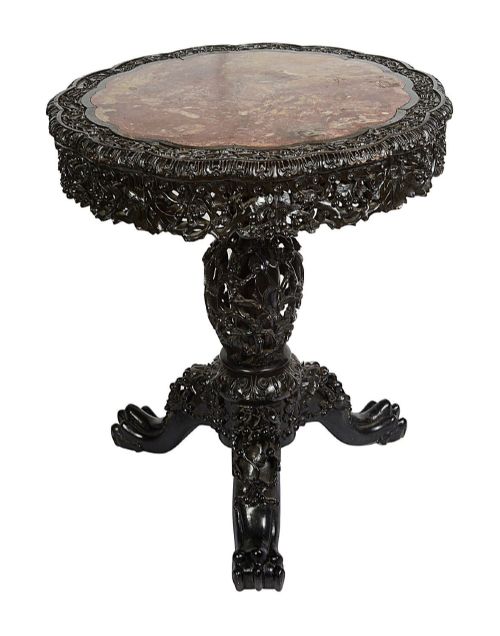
Decoration extended beyond carving to include bone inlay, marble top inserts, and brass mounts. Artisans set bone fragments into carved channels on square occasional tables, while others dropped white marble discs straight into central wooden frames for cool display surfaces.
Brown Hardwood Table Retail Price Guide 2026
Typical asking prices for brown hardwood table among the pieces listed under this phrase on Sellingantiques today, from the lower quarter to the upper quarter. They describe what is for sale here now, not the wider market.
Several tables disguise themselves as ceremonial beds or pig benches, proving that a solid hardwood surface will happily hold your morning coffee.
Distinctions in quality
Quality rests primarily on the selection of timber and the crispness of the hand carving. Pieces fashioned from dense, heavily figured huanghuali or well-seasoned rosewood display deep natural lustre and grain movement that lesser utility timbers lack.
Construction integrity distinguishes workshop standards. Superior examples maintain tight, square joinery and crisp relief work where every leaf and scroll retains sharp edges rather than a softened, sanded profile.
The Brown Hardwood Table Glossary
- Opium table
- A low rectangular or square occasional table traditionally used in Chinese domestic spaces for serving tea or smoking. They sit close to the floor with simple recessed legs or corner brackets.
- Padauk
- A heavy reddish-brown tropical hardwood from Burma and the Andaman Islands, known for its durability and deep colour saturation. Makers utilised it for heavily carved console tables and dining surfaces.
- Bone inlay
- A decorative technique where small pieces of animal bone are shaped and pressed into recessed channels within the timber surface. It creates contrasting white geometric or floral patterns against dark wood.
- Nest of tables
- A set of graduated occasional tables designed to slide neatly beneath one another when not in use. They appeared frequently in nineteenth century export workshops for flexible interior arrangements.
Brown Hardwood Table: Frequently Asked Questions
What rooms suit a low coffee table?
Low coffee tables and opium tables work well in living spaces with neutral upholstery where the carved wood can act as a focal point. Their restricted height keeps sightlines open across the room.
Parks of low seating or low sectional sofas pair naturally with these proportions, offering a stable surface for books and everyday objects without crowding the floor area.
How do I care for polished hardwood?
Keep hardwood surfaces away from direct heat sources and strong sunlight to prevent the dense timber from drying and splitting. Regular dusting with a soft, dry cloth maintains the finish.
Avoid silicone polishes that build up residue over time. Occasional application of microcrystalline wax preserves the natural sheen of rosewood, teak, and padauk.
How do I identify Chinese export pieces?
Chinese export furniture often combines traditional form with decorative motifs intended for Western markets, such as faux bamboo turnings or profuse relief carving. Cabinet makers used regional hardwoods available in treaty ports.
Examination of the underside and interior joinery reveals traditional pegging and frame construction without modern metal fasteners, pointing to nineteenth century workshop origins.
Where were marble top stands used?
Marble top stands and pot stands served as pedestals for heavy ceramic vases, bronzes, or indoor plants. The stone insert provided a cool, waterproof surface that protected the surrounding wood from moisture.
These pieces typically feature four or five legs joined by stretchers, offering a rigid vertical platform suited to corners and window bays.