




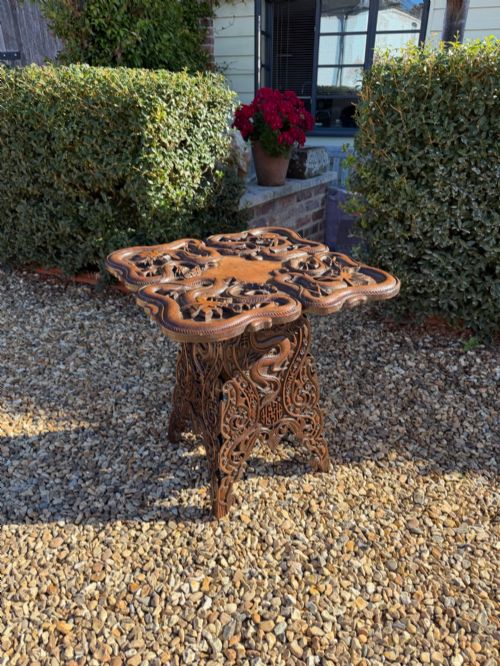
Brown Hardwood Stand
A brown hardwood stand brings dense grain and carved weight into a room, serving as a solid base for lamps, plants, and precious objects.
Brown Hardwood Stand
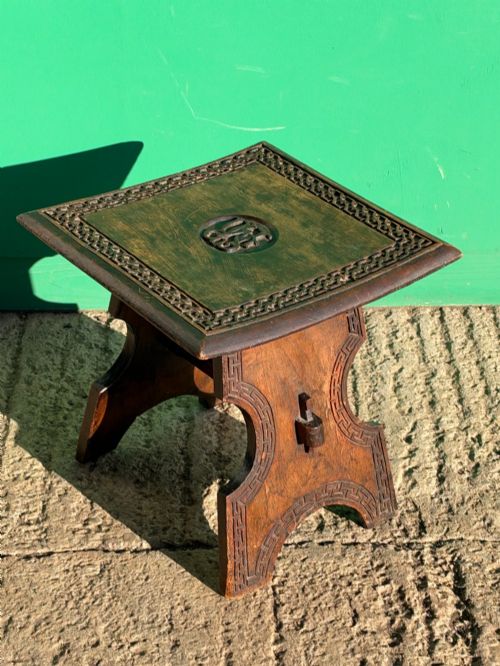
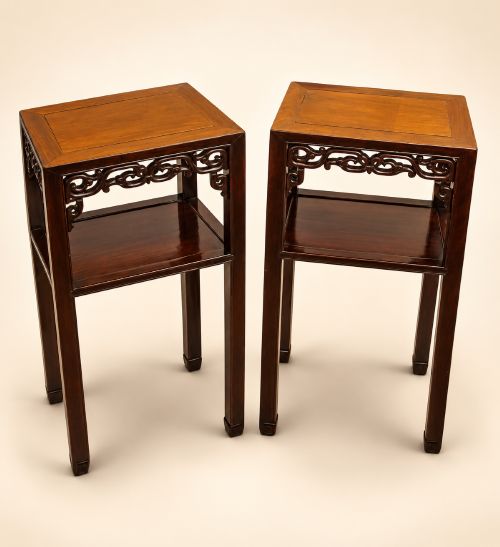
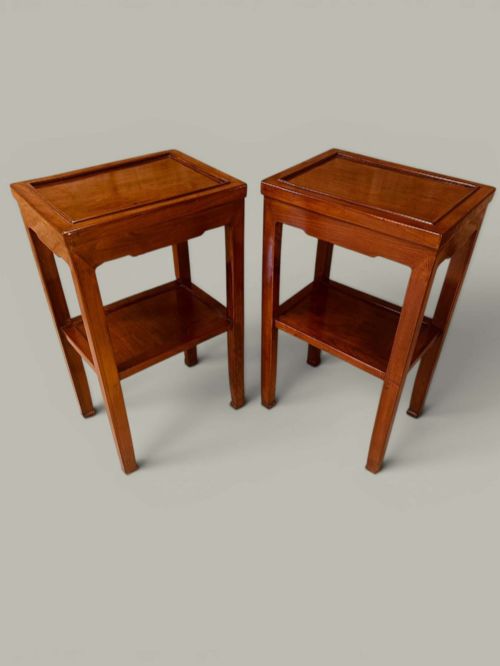
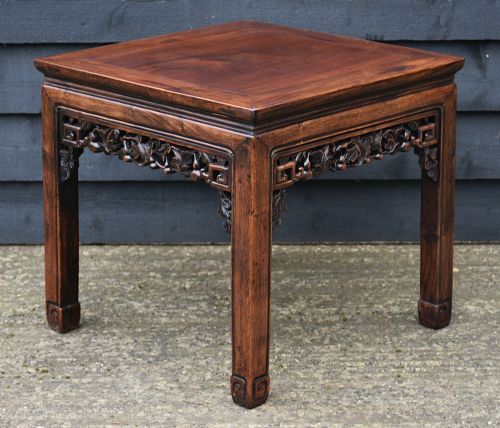
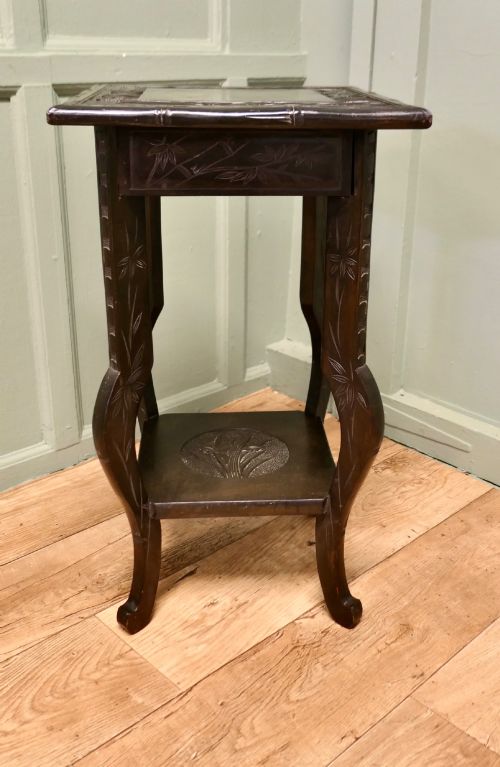
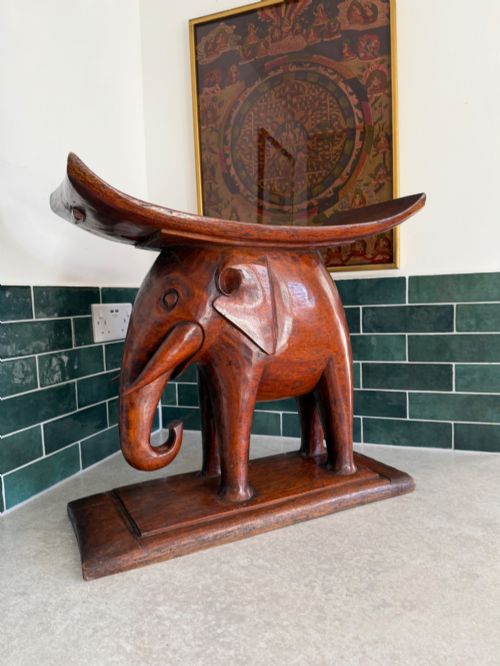
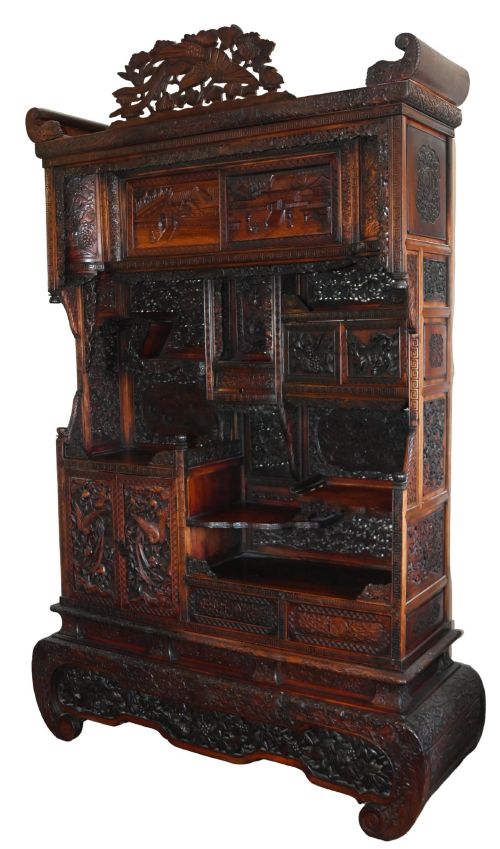
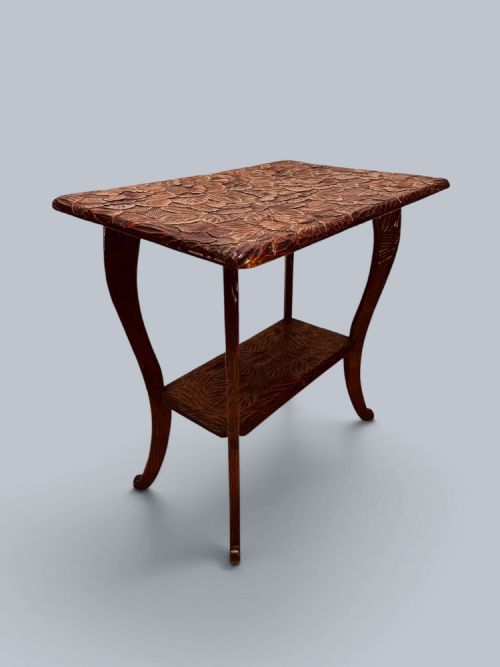
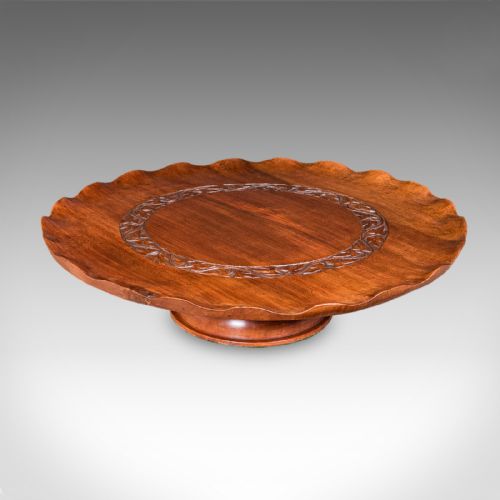
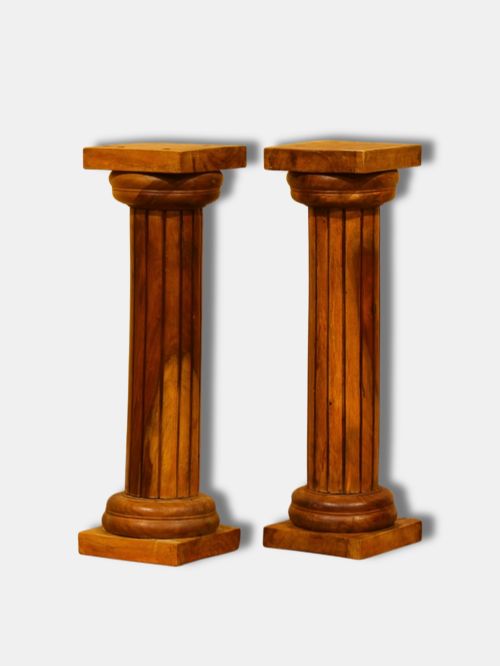
A brown hardwood stand is a heavy, sturdy piece of furniture designed to elevate decorative items such as vases, lamps, and plants. These items appear in various forms across this selection, including plant stands, occasional tables, pedestal tables, and display cabinets.
The objects frequently originate from Chinese workshops and Anglo-Indian colonial makers, spanning the nineteenth century into the early twentieth century. Common stylistic influences include Qing Dynasty traditions and Anglo-Indian carving.
Buyers will encounter square occasional tables, multi-tiered étagères, and small pot stands designed to anchor corners or display individual ceramics.
Materials and construction methods
Construction relies heavily on dense timbers such as huali, huanghuali, rosewood, teak, and general hardwood, which provide natural strength and deep colour. Artisans join these timbers using traditional joinery methods that allow the dense wood to remain stable over generations.
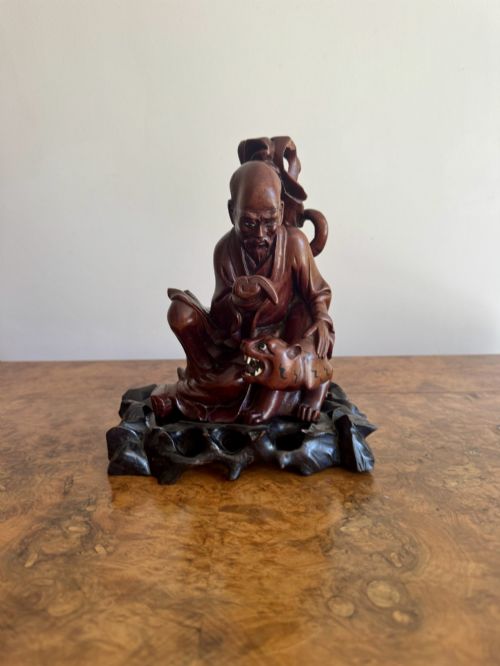
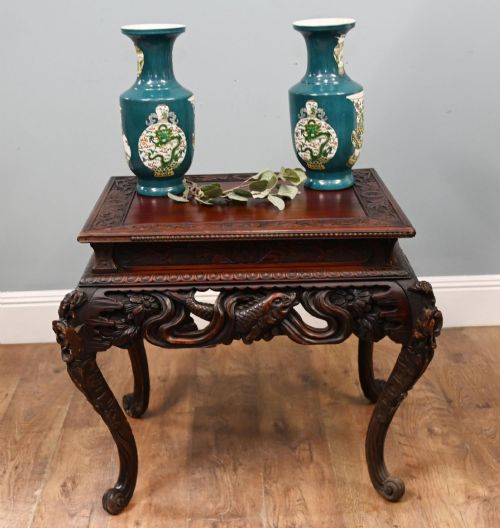
Surface ornamentation often involves intricate hand-carving displaying motifs like dragons and leaf patterns, alongside bone inlay and inset marble tops. Certain pieces incorporate contrasting materials such as copper tops or brass fittings to complement the dark timber frames.
Brown Hardwood Stand Retail Price Guide 2026
Typical asking prices for brown hardwood stand among the pieces listed under this phrase on Sellingantiques today, from the lower quarter to the upper quarter. They describe what is for sale here now, not the wider market.
Listings feature items from the nineteenth and early twentieth centuries, constructed from teak, rosewood, marble, and bone.
Assessing quality and craftsmanship
Quality in a brown hardwood stand rests upon the crispness of the hand-carving and the natural grain pattern of the timber. Dense, well-figured wood with deep, clear grain commands greater attention than plain timber.
The precision of the joinery and the integrity of inset elements, such as marble slabs or bone inlay, determine the durability and finish of the piece. Superior examples maintain structural stability without relying on modern fasteners.
The Brown Hardwood Stand Glossary
- Hardwood
- Timber derived from broad-leaved trees, known for density and durability. These woods resist daily wear and provide a heavy, stable foundation for furniture.
- Huali
- A traditional Chinese hardwood valued for rich grain and warm tone. Artisans utilise this timber for fine tables and vase stands.
- Étagère
- A piece of furniture consisting of open shelves for displaying small objects. These tiered structures provide multiple levels for ornaments.
- Marble top
- A stone slab fitted into the surface of a table or stand. This feature offers a cool, heat-resistant platform for plants and vases.
- Bone inlay
- Small pieces of animal bone set into carved recesses within the wood surface. This technique creates pale, decorative patterns against dark timber.
Brown Hardwood Stand: Frequently Asked Questions
What is a brown hardwood stand used for?
These stands serve as sturdy platforms for displaying table lamps, floral arrangements, ceramic vases, and decorative objects within a room.
Their compact footprints allow them to occupy corners, hallways, and vacant wall spaces while adding structural weight and visual interest.
How do I care for antique hardwood furniture?
Maintain the wood by dusting with a dry cloth and applying natural wax periodically to preserve the finish. Avoid placing timber pieces near direct heat sources or in areas with fluctuating humidity.
Protect inset surfaces, such as marble or wood panels, by using coasters and pads beneath heavy items.
Where were these stands made?
The pieces originate primarily from Chinese workshops and Anglo-Indian colonial centres during the nineteenth and early twentieth centuries. Regional cabinetmakers utilised local timbers to create furnishings for domestic use and export.
Chinese pieces often reflect Qing Dynasty aesthetics, while Anglo-Indian items frequently feature dense floral and animal carvings.