
Brown Hanging Shelves
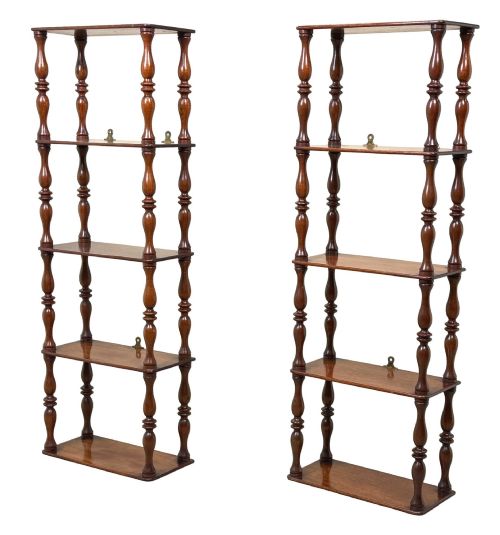
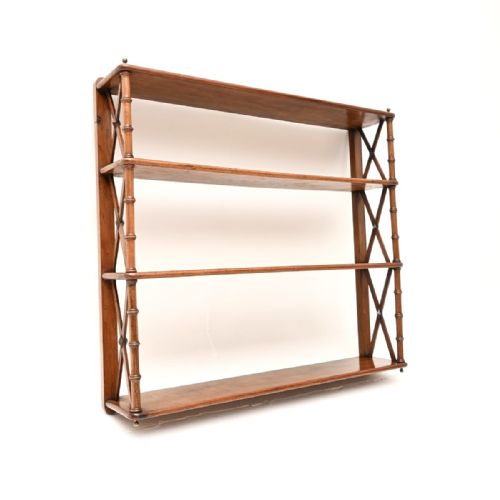
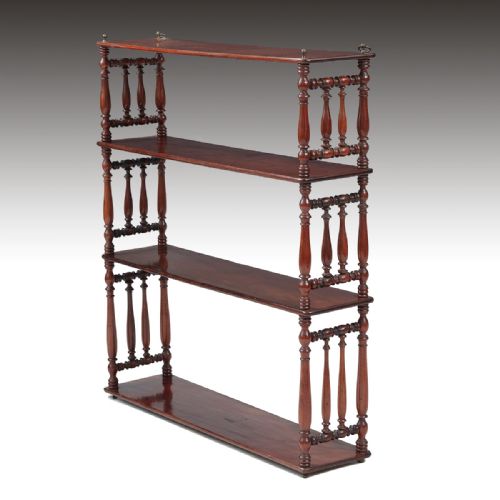
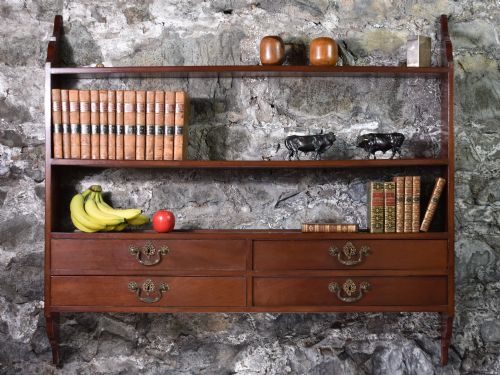
Brown hanging shelves bring warmth and practical wall storage to a room, spanning periods from the Georgian era to the Edwardian years in rich timber.
Brown Hanging Shelves
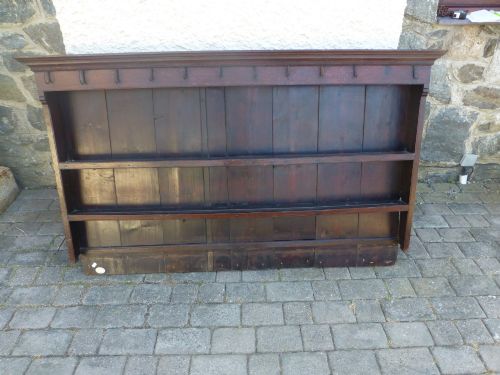
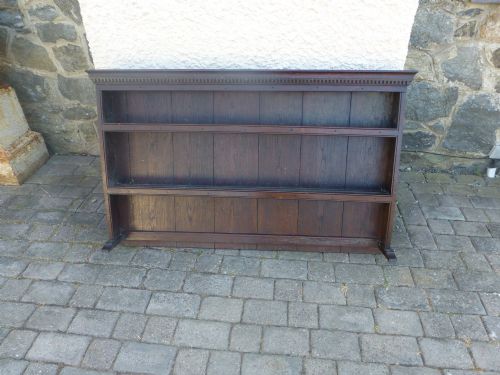
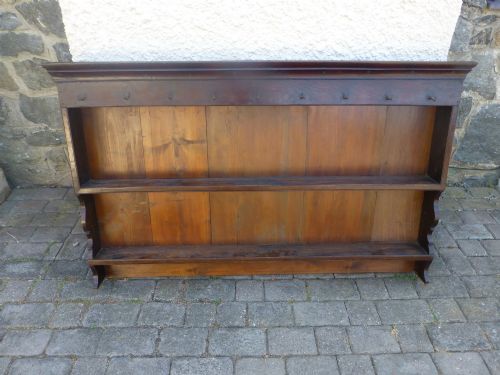
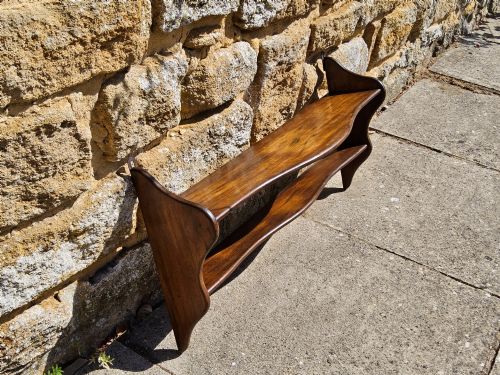
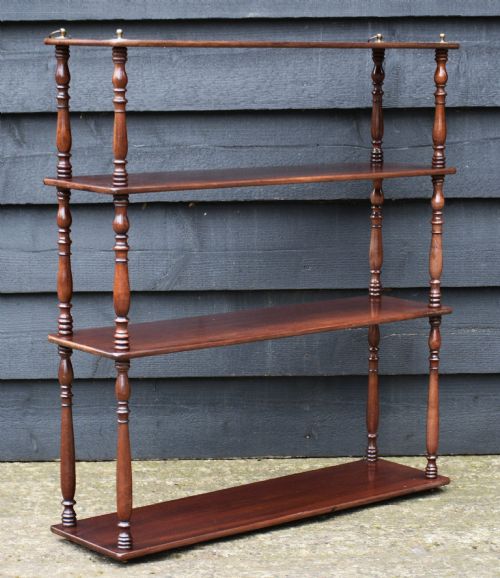
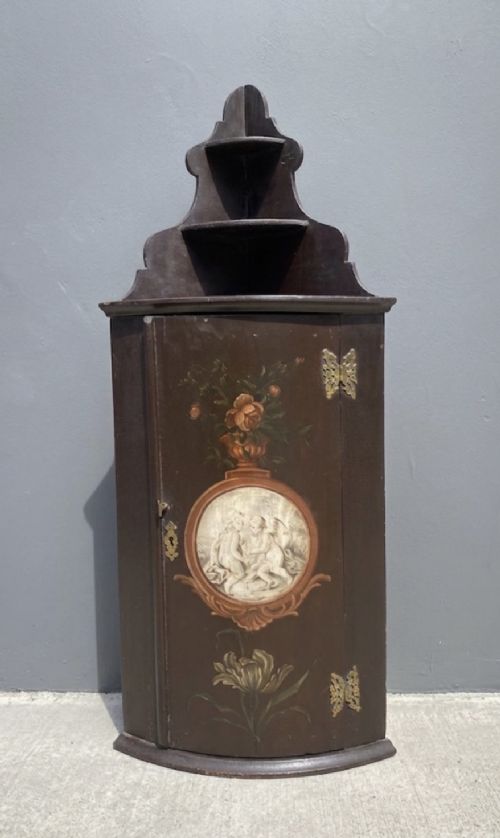
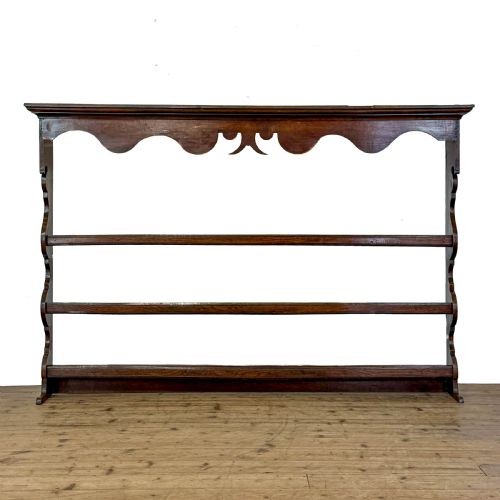
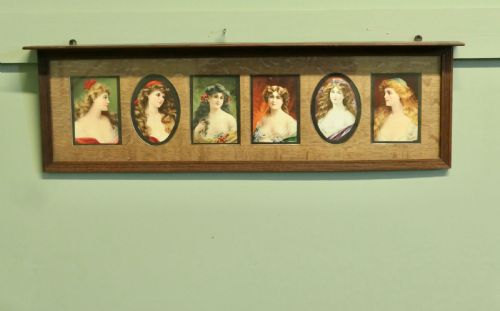
Brown hanging shelves encompass wall-mounted bookcases, plate racks, corner shelves, and whatnots designed to hold books, ceramics, and small objects off the floor. When searching for brown hanging shelves, buyers encounter pieces intended for parlours, hallways, and dining rooms to maximise vertical space.
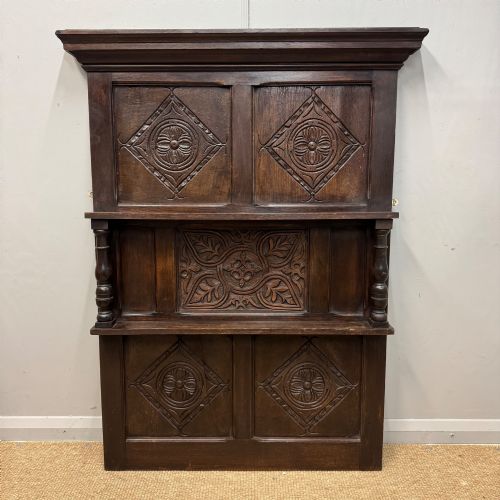
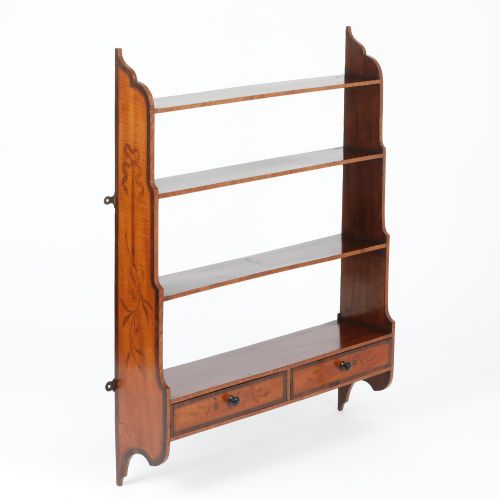
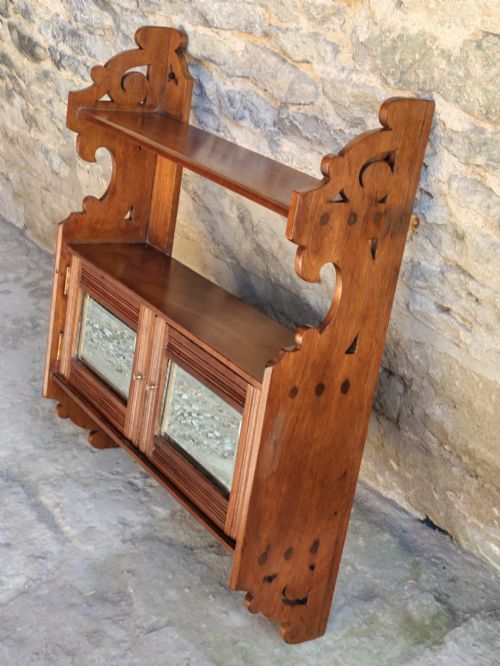
The selection on this page draws primarily from the nineteenth and eighteenth centuries, including Victorian, Edwardian, Georgian, and Regency examples. Forms range from simple tiered planks held by shaped sides to enclosed cabinets with glass doors and small drawers.
Origins vary from English country workshops to continental European makers, incorporating styles such as Arts and Crafts, Victorian Gothic Revival, and English Country. Woods like oak, mahogany, and walnut dominate the inventory, often displaying natural grain or ebonised surfaces.
How They Were Made
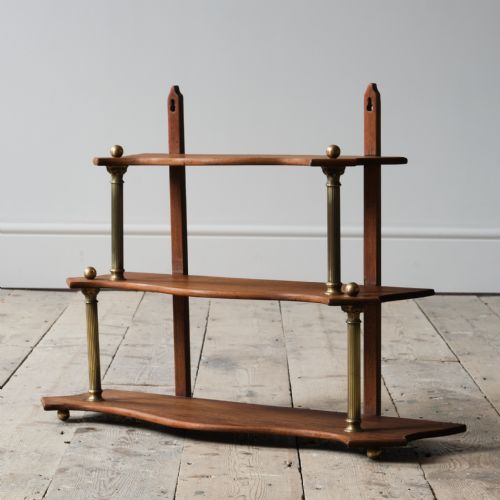
Cabinetmakers constructed these shelves using solid hardwoods like oak, mahogany, walnut, and cherry, frequently pairing them with brass brackets, hinges, or decorative rails. Timbers were selected for their grain patterns, then joined with traditional woodworking joints to bear the weight of books and china.
Surface treatments included polishing to highlight the natural tones of mahogany and walnut, alongside painted finishes and intricate marquetry or inlay work. Specialised pieces utilised olive wood, satinwood, limewood, and ebonised wood to create contrast and decorative depth.
Arthur Simpson's folding walnut cabinet from the 1920s lets you tidy away your belongings and simply fold the furniture flat against the wall.
What Varies in Quality
Quality rests in the selection of timber and the precision of the joinery, particularly where shelf supports meet the back panels and vertical sides. Superior pieces display carefully matched wood grains, solid brass fixings, and stable construction that prevents sagging under load.
Decorative detail separates standard utility shelves from finer examples, seen in delicate fretwork, carved brackets, shaped galleries, and fine marquetry or inlay. The integrity of the original hanging points and the retention of a deep, patinated surface finish further distinguish the better pieces.
Arthur Simpson
The Brown Hanging Shelves Glossary
- Plate rack
- A set of wall shelves featuring grooves or slender front rails designed to hold plates upright. These pieces commonly appear in oak from the eighteenth century.
- Whatnot
- An open set of tiered shelves used for displaying ornaments and small objects. Edwardian examples often incorporate mirrors or small cupboards.
- Marquetry
- The art of applying decorative pieces of veneer to a structure to form intricate patterns. This technique frequently graces the doors and panels of nineteenth-century cabinets.
- Corner cupboard
- A triangular cabinet designed to fit neatly into the corner of a room, saving floor space. They often feature shaped shelves and panelled doors.
- Ebonised wood
- Timber treated to resemble ebony, achieving a dense black finish. This technique appeared on decorative furniture during the Victorian period.
Brown Hanging Shelves: Frequently Asked Questions
How were hanging shelves used historically?
These shelves provided accessible storage for dining plates, books, and decorative ceramics in domestic rooms where floor space remained limited. They served both utilitarian functions in kitchens and display purposes in formal parlours.
Over time, specialised variations emerged for specific household needs, including bathroom shaving mirrors with shelves, hallway key cabinets, and cloakroom mirrors.
What woods should I look for?
The listings feature a strong presence of mahogany, oak, and walnut, each offering distinct colours and grain patterns suited to different interior styles. Lighter accents or contrasting details appear in satinwood, limewood, and olive wood.
Some pieces utilise ebonised wood or painted finishes to achieve specific aesthetic effects popular during the nineteenth century.
How do I date a set of shelves?
Dating relies on observing the combination of timber, construction methods, and stylistic cues associated with periods like the Georgian era, Victorian period, or Edwardian years. Details such as brass hardware, backboard construction, and edge moulding provide reliable chronological clues.
Regional styles and specific design movements, including Arts and Crafts or Aesthetic Period work, also help narrow the timeframe of manufacture.
Are these shelves sturdy enough for heavy books?
Most hanging shelves were built from solid hardwoods like oak and mahogany, making them structurally robust for everyday use. However, their load capacity depends on the thickness of the shelves and the soundness of the wall fixings.
When mounting antique shelves, securing them directly to wall studs or using appropriate masonry anchors ensures safe support for heavier items like volumes of books.