
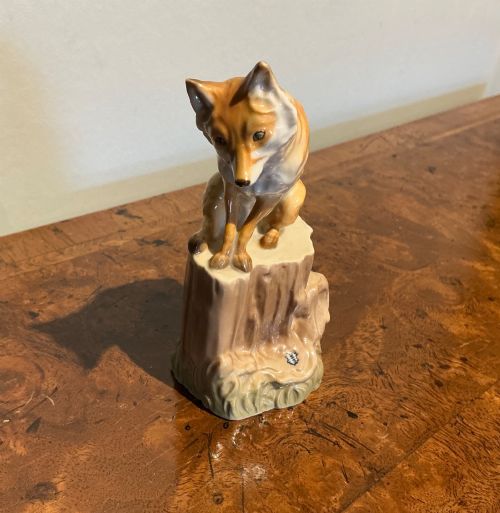
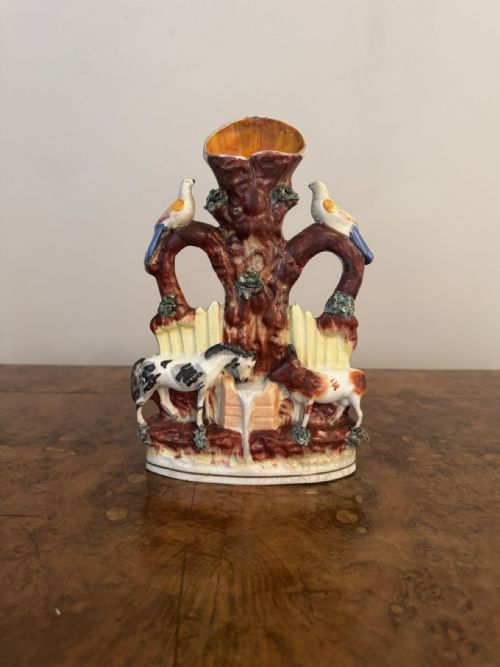
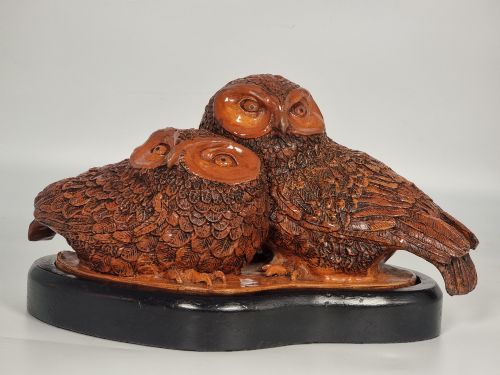
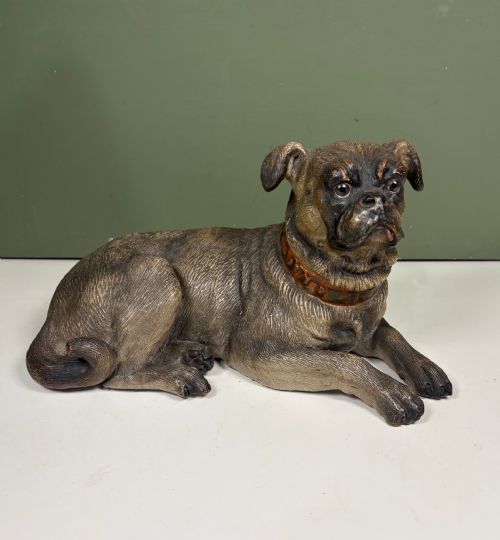


Brown Glazed Figurine
These brown glazed figurine examples span Victorian animals to Art Deco figures, offering character and history for your home.
Brown Glazed Figurine
A brown glazed figurine brings domestic animals, classical subjects and human figures into focus through rich earthen tones. When you search for a brown glazed figurine, you encounter Staffordshire dogs, lions and ceramic models spanning the Georgian period to the twentieth century.
Staffordshire pottery dominates the selections alongside continental porcelain and studio ceramics. Pairs of spaniels, greyhounds and pugs appear frequently, often finished in treacle or lead glaze.
Makers ranged from large English potteries to European porcelain works, producing decorative ornaments, spill vases and paperweights. These pieces record changing tastes in domestic display from eighteen hundred onwards.
How they were made
Potters shaped earthenware, stoneware, terracotta and porcelain before applying lead, treacle or sancai glazes. Some pieces incorporated hand sculpting alongside moulded forms, occasionally enhanced with enamel details.
Firing techniques varied from early earthenware kilns to refined porcelain production. The glossy finishes relied on liquid mineral coatings that vitrified during the intense heat of the kiln.
Listings feature earthenware, stoneware, porcelain, terracotta and enamel across Victorian, Georgian and Art Deco styles.
What varies in quality
Depth and consistency of the glaze set finer examples apart from simpler production pieces. Rich pooling in the recesses and even coverage across moulded fur or drapery indicate superior control in the kiln.
Rockingham Pottery·Wedgwood and Co Ltd·Royal Worcester·Royal Dux·Rozenburg·Royal Bayreuth
The Brown Glazed Figurine Glossary
- Treacle glaze
- A rich, dark brown glossy lead glaze used extensively on nineteenth century pottery. It gives earthenware animals and jugs a deep, treacly appearance.
- Lead glaze
- A traditional silica and lead mixture applied to pottery to create a shiny, waterproof surface. This finish protects the porous clay body underneath.
- Staffordshire
- A major English pottery region producing earthenware figures, animals and Toby jugs. These works formed the backbone of Victorian mantelpiece decoration.
- Pearlware
- An refined earthenware developed in the eighteenth century featuring a subtle blueish glaze. It bridged the gap between salt-glazed stoneware and creamware.
- Sancai
- A three-colour lead glaze tradition originating in China, often featuring amber, green and cream tones. Tang dynasty style figurines utilise this ancient palette.
Brown Glazed Figurine: Frequently Asked Questions
What periods do these figurines cover?
The selections span from the Georgian era through Victorian times up to Art Deco and nineteen thirty designs.
Victorian animal models and nineteenth century earthenware form the bulk of the available choices.
What is treacle glaze?
Treacle glaze is a dark, glossy brown finish applied to nineteenth century pottery.
It provided a hard-wearing surface that gave animals and jugs a deep, lustrous appearance.
Are these pieces made of porcelain or earthenware?
Makers utilised both materials depending on the workshop origin and period.
English potteries favoured earthenware and stoneware, while continental houses often used fine porcelain.