



Brown Glazed Ceramic Vase
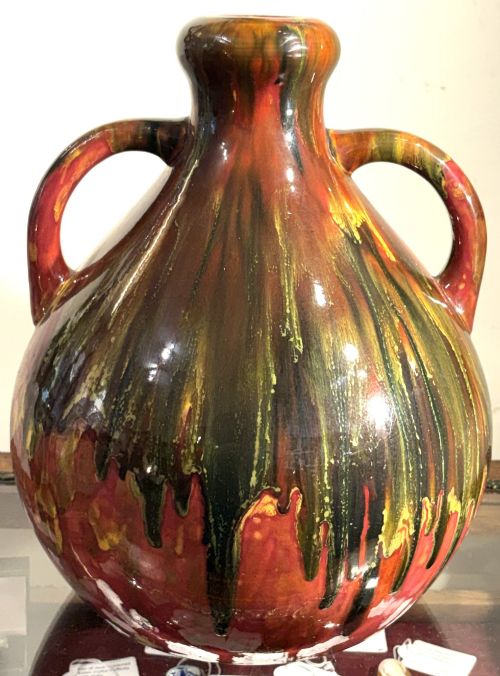
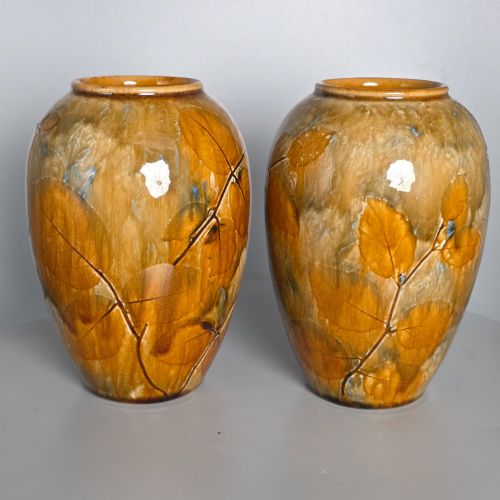
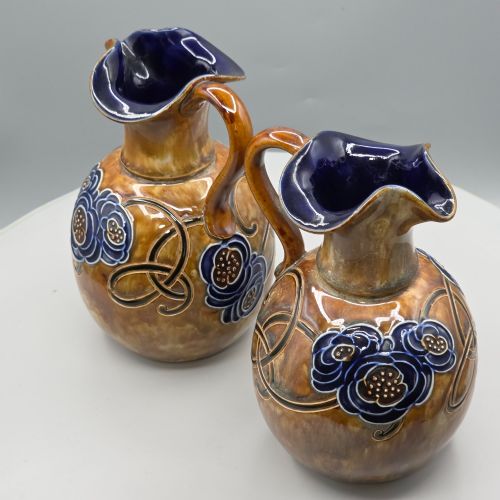
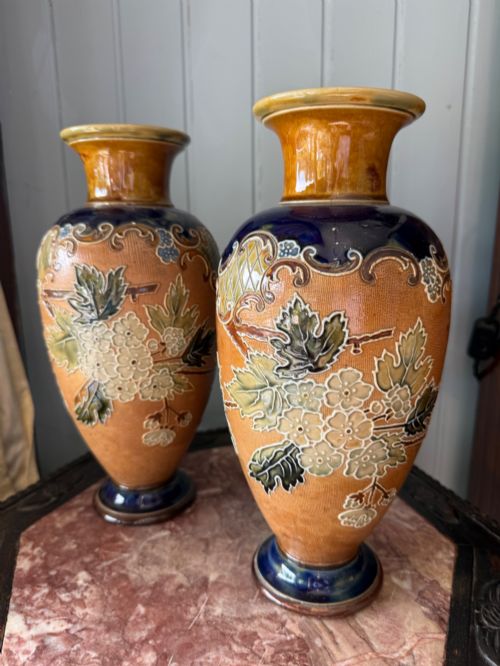
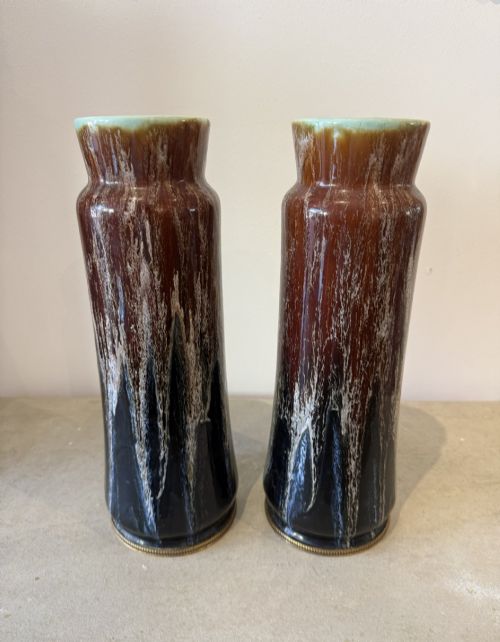
These brown glazed ceramic vase examples span nineteenth and early twentieth century studio pottery, bringing rich earthy tones and tactile surfaces to any room.
Brown Glazed Ceramic Vase
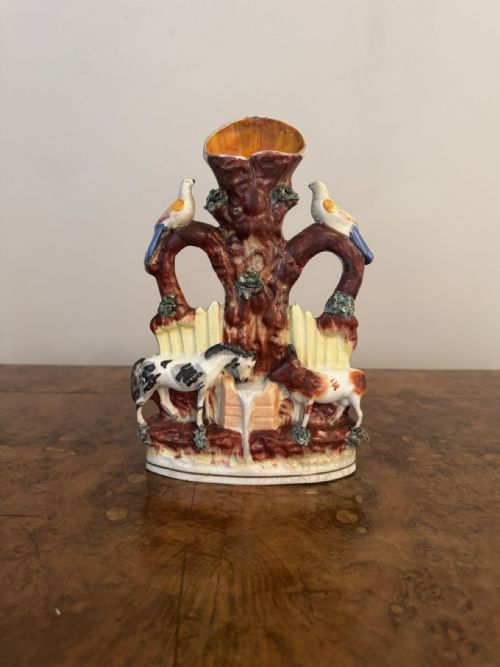
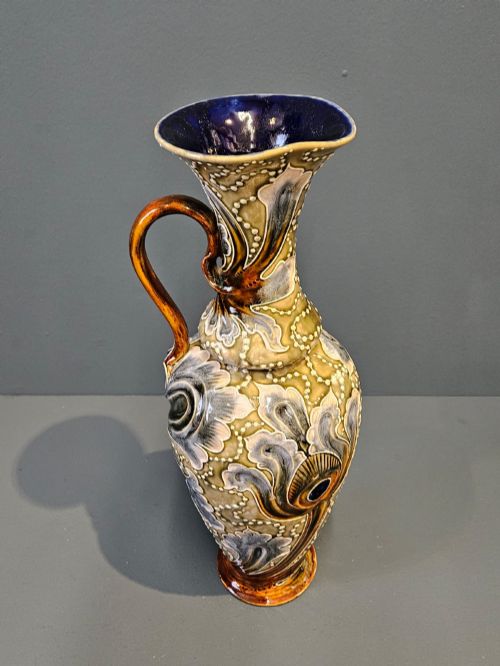
A brown glazed ceramic vase brings together works spanning the Victorian era through the early twentieth century. Buyers seeking a brown glazed ceramic vase will encounter diverse forms including standard vessels, spill vases, jugs, decorative ewers, and tall umbrella stands. These objects originate from prominent British potteries and international kilns operating across the nineteenth and twentieth centuries.
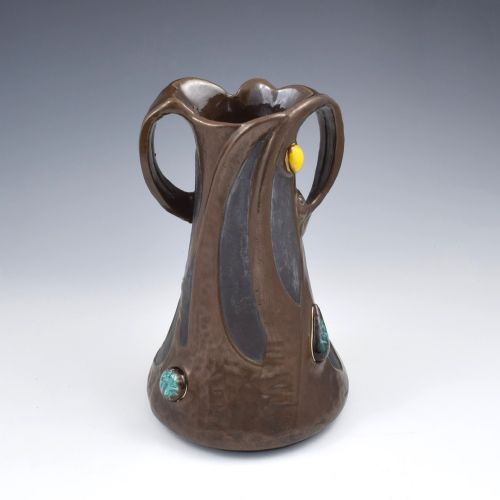
The selection ranges from robust stoneware and earthenware to intricate faience and majolica. Pieces emerge from distinct movements such as Arts and Crafts, Art Nouveau, and Victorian art pottery. Collectors frequently find pairs alongside monumental single vessels, all unified by rich brown glazes and historical character.
How they were made
Potters shaped clay bodies using earthenware, stoneware, and specialised faience pastes before applying rich brown glazes. Artisans often added surface decoration through applied elements, hand-painted floral motifs, or metallic copper effects.
Kiln firing set these ceramic bodies and chemical glazes, occasionally enhanced with enamel details or gold leaf highlights. Certain workshops utilised specialised moulding techniques while others threw pieces by hand on the potter's wheel.
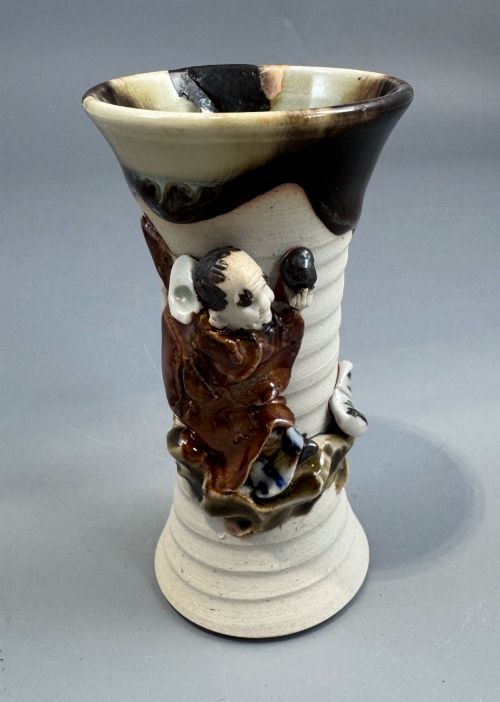
Several vases wear their history proudly, featuring modelled Rakan figures or glittering jewelled cabochons to catch the eye across a room.
What varies in quality
Quality rests in the depth of the glaze, the precision of the pottery body, and the ambition of the form. Superior examples display complex surface textures, confident handling of clay, and distinct artistic direction from named makers or renowned potteries.
The distinction between standard production and exceptional work lies in the refinement of applied details and the richness of the firing finish. Pieces showing strong stylistic adherence to Arts and Crafts or Art Nouveau movements command greater attention through their artistic execution.
Burmantofts·Royal Doulton·Doulton Lambeth·Boch Freres·Bretby Pottery·Mettlach Pottery·Wileman Intarsio·Cranston Art Pottery·Linthorpe Pottery
The Brown Glazed Ceramic Vase Glossary
- Stoneware
- A robust ceramic pottery fired at high temperatures until vitrified and non-porous. This dense material allows for rich brown glazes that hold crisp surface details.
- Faience
- Tin-glazed earthenware popular during the nineteenth century. It provides a smooth opaque ground suitable for vibrant coloured decoration.
- Majolica
- Low-fired earthenware coated with an opaque tin-lead glaze and painted with metallic oxides. It produces glossy, deeply coloured surfaces characteristic of Victorian decorative pieces.
- Ewers
- Large water jugs with wide spouts and decorative handles originating from historical serving vessels. In pottery collections, these function purely as ornamental items.
- Spill vases
- Small slender containers historically placed on mantelpieces to hold wooden spills for lighting fires or candles. They represent a distinct domestic form within nineteenth-century ceramics.
Brown Glazed Ceramic Vase: Frequently Asked Questions
What periods do these vases come from?
These ceramic pieces date primarily from the nineteenth and early twentieth centuries, encompassing Victorian, Edwardian, and Arts and Crafts eras. Production spans from the eighteen-fifties through the nineteen-twenties.
Individual pieces reflect the prevailing design movements of their decades, ranging from early Victorian majolica to later Art Nouveau and international studio styles.
How do I identify different ceramic materials?
Materials vary between heavy stoneware, porous earthenware, and specialised faience or majolica bodies. Stoneware feels dense and resists scratching, while earthenware offers a softer, chalkier break if exposed.
Surface glazes also provide clues, with glossy tin-lead finishes appearing on majolica and rich opaque layers defining standard faience vessels.
Were these vessels used for flowers?
Many items functioned as decorative vases, spill vases, or jugs intended for floral displays within Victorian and Edwardian interiors. Larger examples served as floor-standing umbrella and stick stands.
Some monumental or highly ornamented pieces were created purely for display on mantels, tables, and cabinets rather than practical utility.
How do I care for antique ceramic vases?
Keep these items away from direct sunlight and dramatic temperature fluctuations to protect historical glazes and applied details. Dust gently with a soft dry cloth.
Avoid submerging antique ceramics in water, especially pieces with exposed earthenware bodies, gold leaf highlights, or delicate enamel work.