
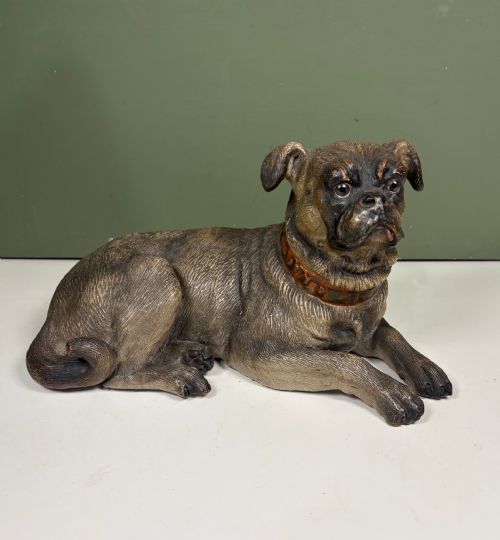

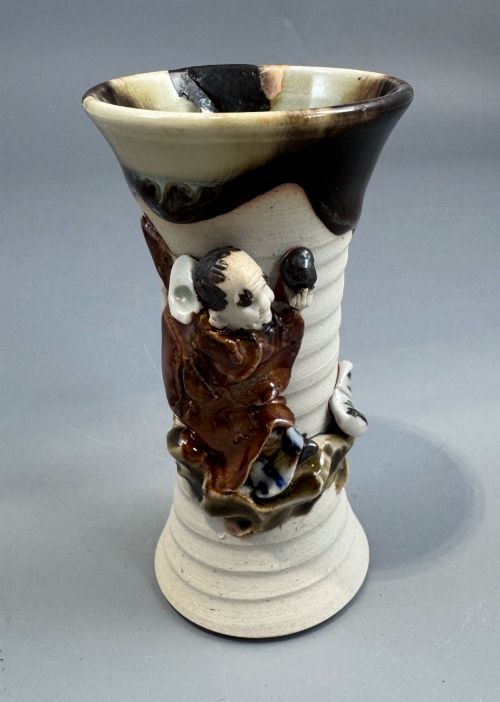


Brown Glazed Ceramic Figure
A brown glazed ceramic figure brings character to a room through animal studies, historic animals, and human forms shaped across centuries.
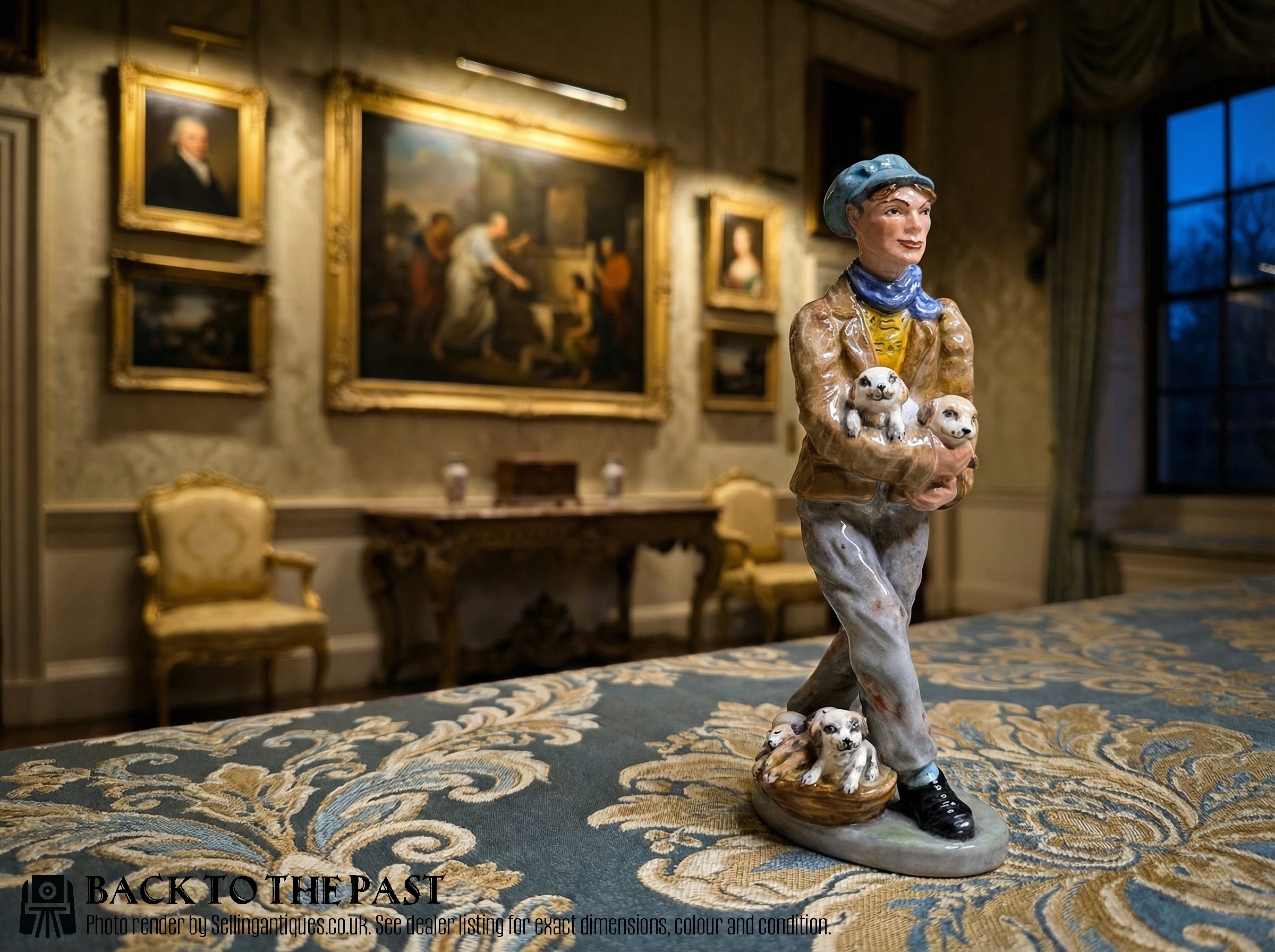
Brown Glazed Ceramic Figure
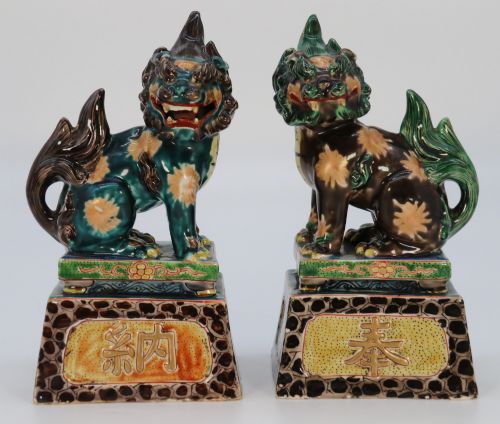
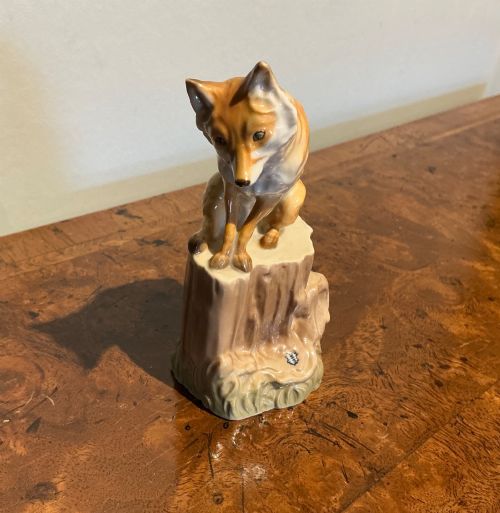
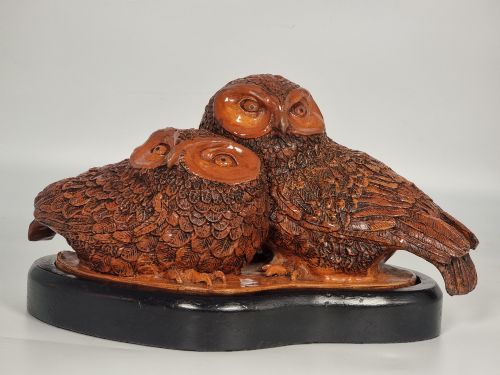
A brown glazed ceramic figure encompasses varied subjects including domestic animals, lions, birds, and human characters spanning the eighteenth century to the twentieth century. Staffordshire dogs, cats, foxes, and seated figures form a familiar group amongst these listings.
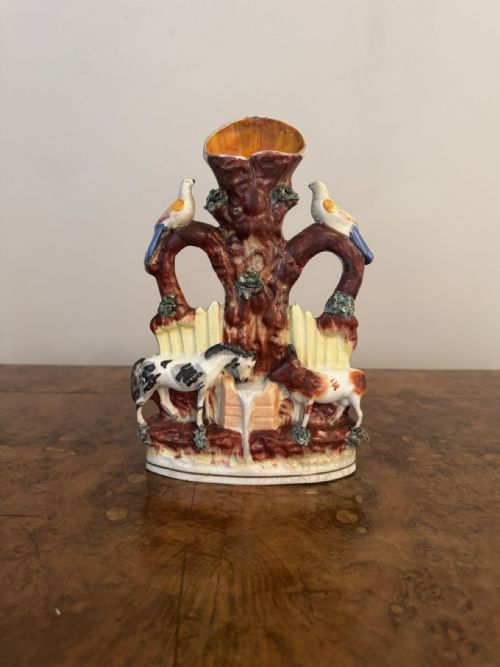
Makers shaped these brown glazed ceramic figure items in earthenware, stoneware, porcelain, and terracotta, adopting styles from Victorian workshops, Chinese kilns, and European porcelain factories. Forms range from utilitarian spill vases and creamers to purely decorative ornaments and sculptural pairs.
Materials and construction
Potters utilised earthenware, stoneware, and porcelain bodies, applying lead or treacle glazes that pooled in recesses to create rich brown tones. Some pieces incorporate enamel colours or polychrome faience overglaze painting alongside the primary glaze.
Figures were hand sculpted or moulded in sections, often finished with applied details such as figures on vases or textured animal coats. Bases include flat surfaces, ebonised stands, and integral ceramic pedestals.
Listings span periods from the 18th century through the 1930s, incorporating earthenware, stoneware, porcelain, and terracotta materials.
Assessing standard and detail
The degree of crispness in modelling distinguishes standard production from finer work, particularly in the rendering of facial expressions and fur on animal subjects. Superior pieces display careful control during glazing, avoiding muddy runs while maintaining deep tone across the ceramic body.
Completeness of pairs, original bases, and legible factory marks or artist signatures elevate specific examples. The subtlety of enamel highlights applied over the brown glaze also indicates the skill invested by the pottery workshop.
Lancaster and Sons of Hanley·Wedgwood and Co. Ltd·Royal Dux·Royal Worcester·Rozenburg
The Brown Glazed Ceramic Figure Glossary
- Treacle glaze
- A dark, lustrous brown lead glaze that yields a glossy finish resembling molasses. Potters applied this heavily on nineteenth-century Staffordshire lions and dogs.
- Pearlware
- A refined earthenware developed in the eighteenth century featuring a pale bluish glaze that pooled slightly white. It served as a smooth ground for painted and glazed figures.
- Majolica
- A colourful lead-glazed earthenware popular in the Victorian era. It frequently employs rich brown and green tones on naturalistic ornament and figural subjects.
- Sancai
- A traditional Chinese three-colour glaze technique often combining amber, green, and cream. It appears on Tang dynasty style pottery figures.
- Shiwan pottery
- Chinese ceramic ware known for expressive figural sculpture and varied reactive glazes. Pieces from this tradition often depict lions, tigers, and human figures in earthy tones.
Brown Glazed Ceramic Figure: Frequently Asked Questions
How do I clean a brown glazed ceramic figure safely?
Dust gently with a soft brush to prevent accumulation in recessed modelling and crevices.
Avoid immersion in water, particularly on older earthenware or pieces with applied enamel details.
Were these figures meant for display or daily use?
Most items served as decorative mantel ornaments, bookends, or paperweights within Victorian and earlier interiors.
Specific forms like creamers and spill vases combined domestic function with figural ornament.
How can I tell a nineteenth century piece from a later example?
Examine the base construction, glaze pooling characteristics, and wear patterns across the ceramic body.
Victorian Staffordshire and pearlware show distinct craquelure and potting traits absent in later studio work.
Why do some animal figures appear in pairs?
Pairing Staffordshire greyhounds, lions, or spaniels was a Victorian convention for mantelpiece symmetry.
Owners typically placed one animal facing left and its counterpart facing right.