

Brown Glass Front Cabinet
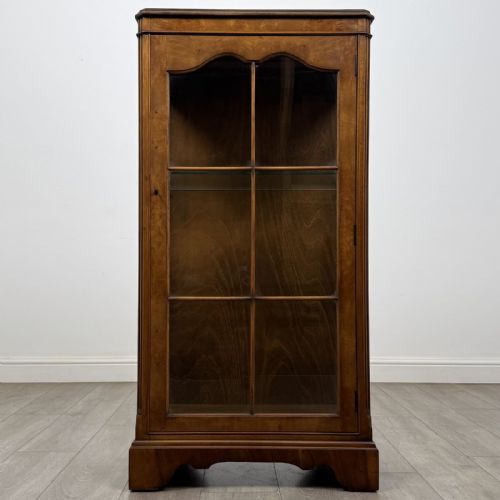
A brown glass front cabinet brings together visible storage and timber craft, offering a practical way to house books and display objects.
Brown Glass Front Cabinet
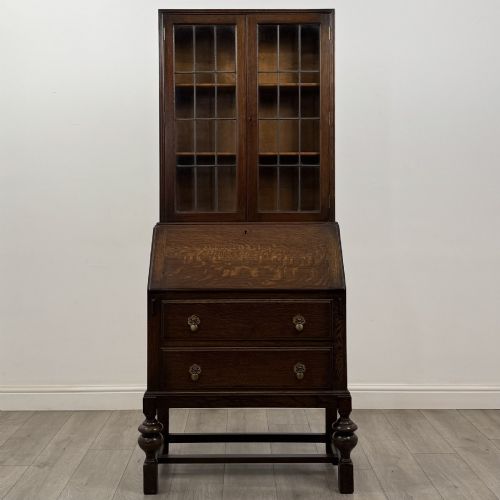
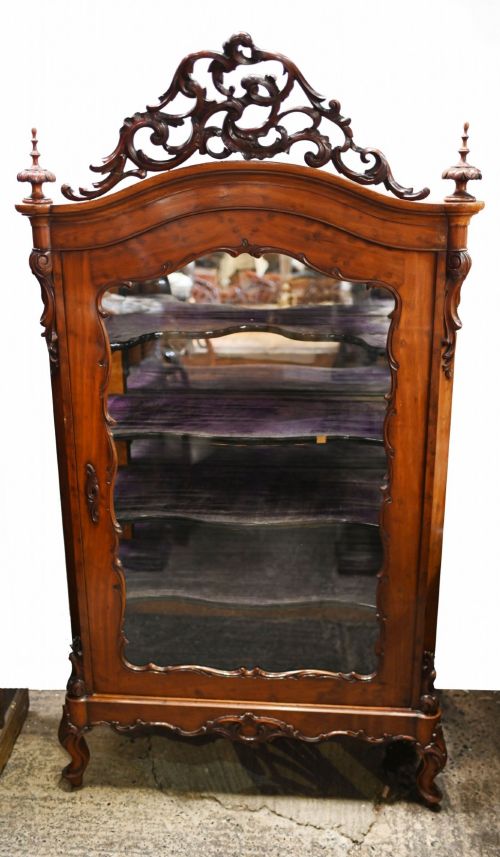
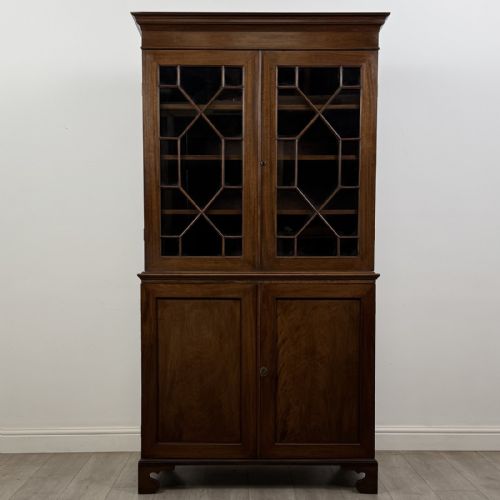
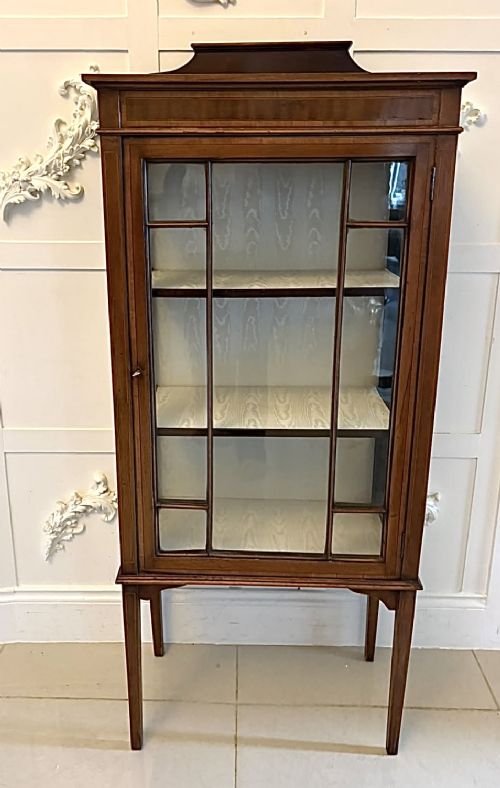
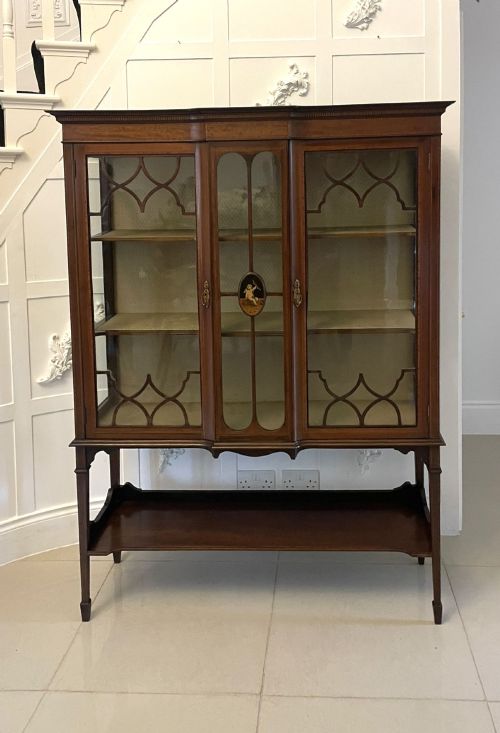
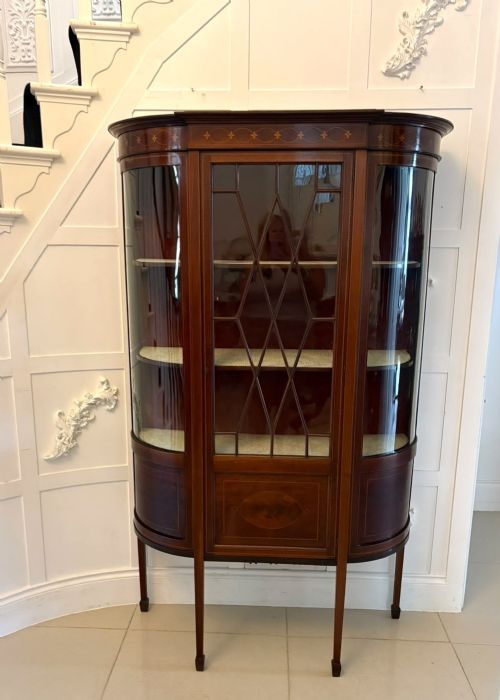
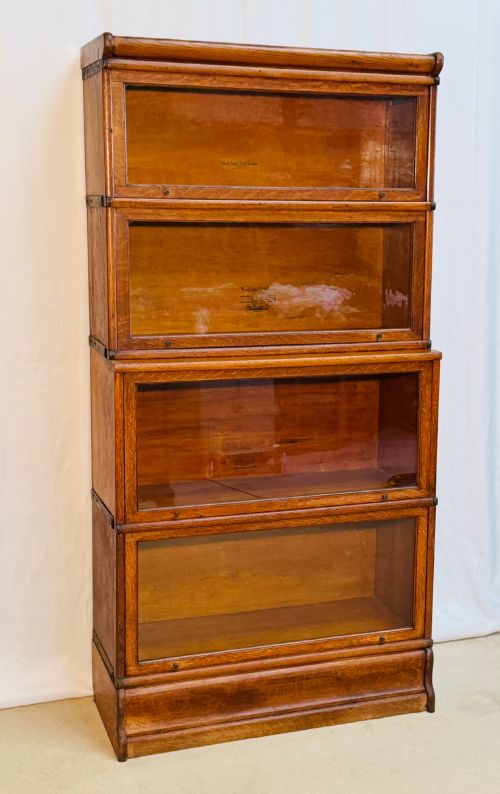
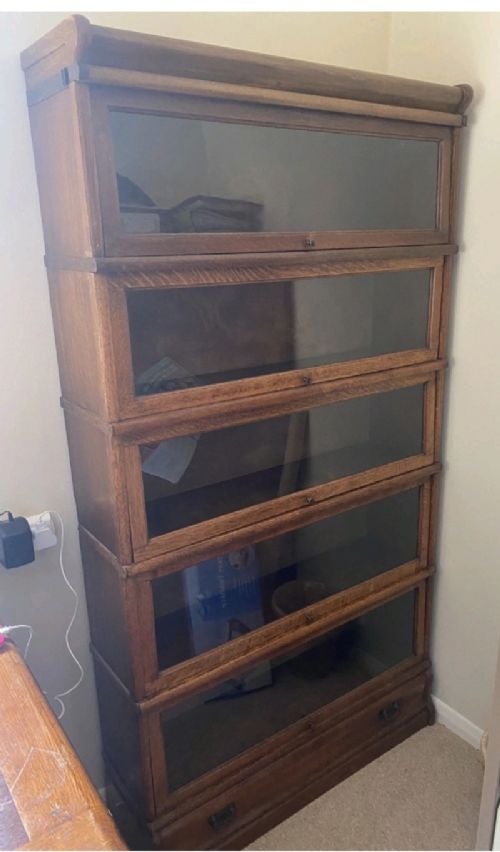
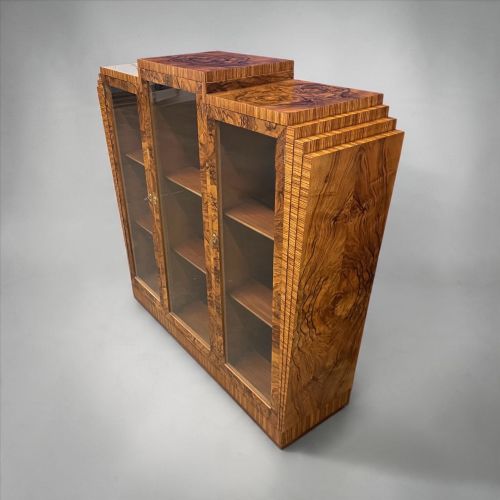
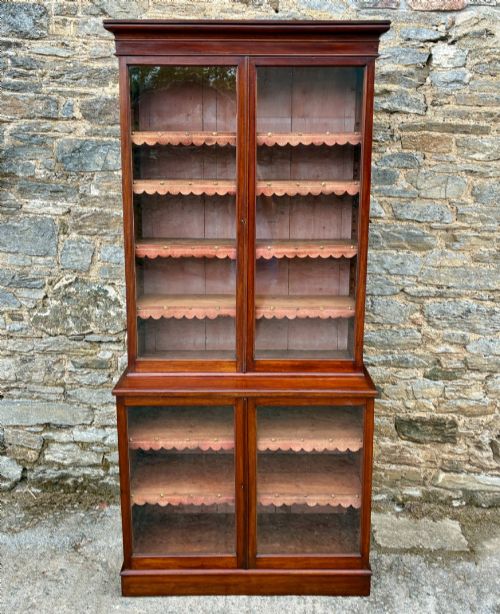
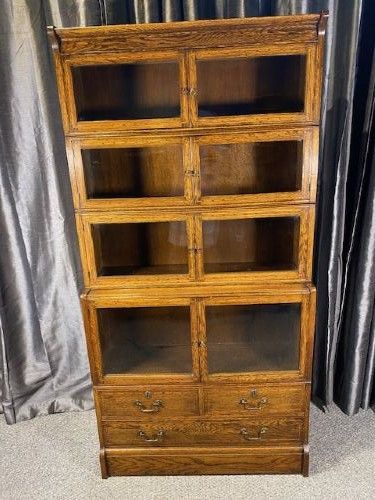
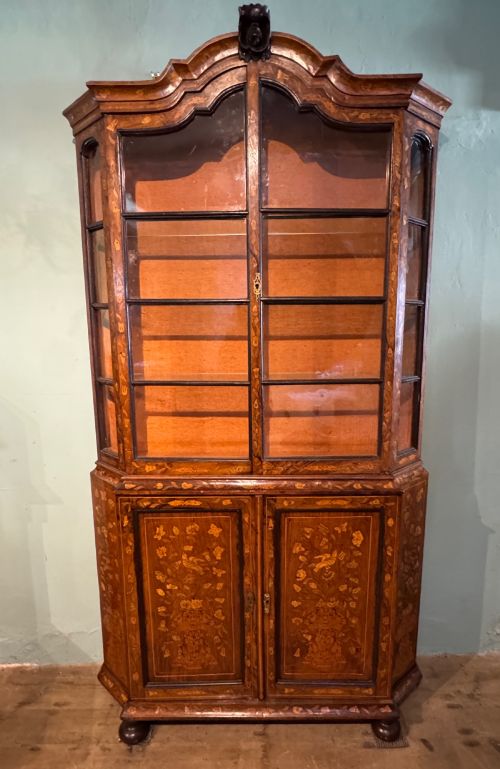
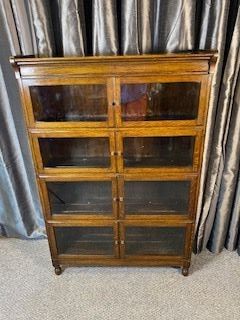
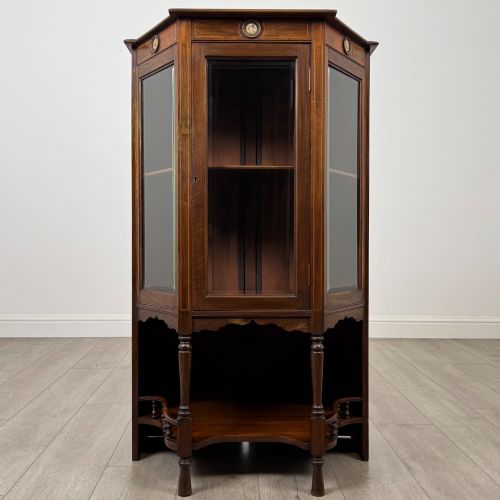
A brown glass front cabinet serves primarily as a display case, bookcase, or china cabinet, holding volumes and curated items behind glazed doors. When exploring a brown glass front cabinet, buyers encounter forms ranging from tall Victorian breakfronts to compact Edwardian corner units and sectional barrister designs.
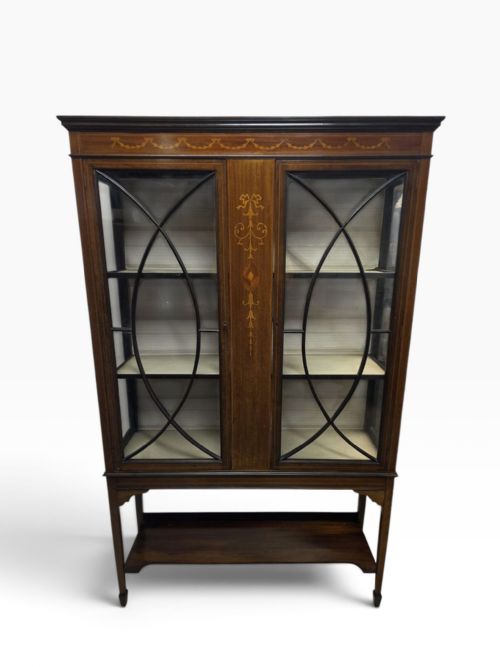
The materials span mahogany, walnut, oak, and satinwood, often enhanced with marquetry or delicate inlay work. Pieces date from the nineteenth century through the Edwardian era and into the Art Deco period, reflecting shifting domestic tastes in timber selection and glass proportion.
Most examples rely on wooden frames fitted with clear glass panes, sometimes divided by astragal bars. Interiors frequently incorporate adjustable wooden shelves to accommodate varying heights of books or decorative wares.
Materials and construction methods
Makers built these cabinets using solid timbers and veneers such as burr walnut, mahogany, and oak over sturdy carcass frames. Joinery techniques included dovetails for drawer construction and traditional mortise and tenon joints for structural stability.
Glazing involved securing glass panes within rebated wooden frames using putty or wooden beads, occasionally shaped with astragal mouldings. Brass hardware, including hinges, locks, and handles, provided functional closure for doors and drawers.
Brown Glass Front Cabinet Retail Price Guide 2026
Typical asking prices for brown glass front cabinet among the pieces listed under this phrase on Sellingantiques today, from the lower quarter to the upper quarter. They describe what is for sale here now, not the wider market.
Object forms on this page include display cabinets, barrister bookcases, bow-end vitrines, and corner units.
Distinguishing quality across examples
The refinement of the timber figure and the precision of the inlay set superior cabinets apart from simpler utilitarian pieces. Dense burr walnut or figured mahogany veneers demonstrate careful selection by the cabinetmaker.
Joinery execution and the subtlety of carved or inlaid details, such as satinwood banding or ormolu mounts, indicate the level of workshop care. Heavier, larger breakfronts and sectional systems like Globe Wernicke show mechanical ingenuity alongside structural integrity.
Rowland Ward Ltd·Maison Gagneau
The Brown Glass Front Cabinet Glossary
- Astragal
- A moulding profile used on glazed doors to divide individual panes of glass into smaller geometric sections. These bars provide structural support while adding decorative rhythm to the cabinet front.
- Breakfront
- A large cabinet design where the central section projects forward from the flanking wings. This architectural arrangement creates depth and visual balance in substantial library bookcases.
- Bijouterie cabinet
- A specialised display case with a glass top and upper section designed specifically for smaller objects and personal treasures. They often feature fabric-lined interiors to protect delicate items.
- Globe Wernicke
- A modular barrister bookcase system composed of stackable glazed sections that operate independently. Each tier uses an elastic or sliding mechanism to lift the glass door upward and inward.
- Marquetry
- The art of applying decorative veneer pieces onto a solid timber substrate to form pictorial or geometric patterns. It frequently incorporates lighter woods like satinwood against darker walnut backgrounds.
Brown Glass Front Cabinet: Frequently Asked Questions
What is a barrister bookcase?
A barrister bookcase is a sectional wooden cabinet featuring individual glazed tiers that lift open independently. This modular design allowed owners to stack additional units as their library expanded.
Originally built for travelling legal professionals or home studies, these cases protect books from dust while offering easy access to each shelf.
How do I identify an Edwardian display cabinet?
Edwardian cabinets typically date from around 1900 to 1910 and frequently combine mahogany or satinwood with delicate stringing and floral inlay. They often feature bow fronts, mirrored backs, and slender tapered legs.
These pieces emphasise lightness and decorative elegance compared to the heavier proportions of earlier Victorian furniture.
Where should I place a corner cabinet?
A corner cabinet fits directly into the ninety-degree junction of two walls, making efficient use of unused room space. They serve well in dining rooms or parlours for displaying china and glassware.
Ensure the wall angles match the cabinet construction before placement to guarantee a secure fit against the skirting boards.
How do I care for timber veneer surfaces?
Maintain timber veneers by keeping cabinets away from direct sunlight and fluctuating heat sources that cause wood to dry and warp. Dust regularly with a soft, dry cloth rather than using silicone polishes.
Applying a traditional beeswax occasionally helps nourish the polish and preserves the natural grain of mahogany or walnut.