
Brown Framed Maritime Painting
These brown framed maritime painting works capture centuries of seafaring history, coastal trades and naval engagements through oil, watercolour and gouache.
Brown Framed Maritime Painting
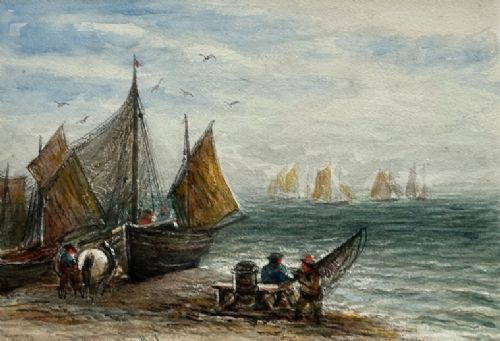
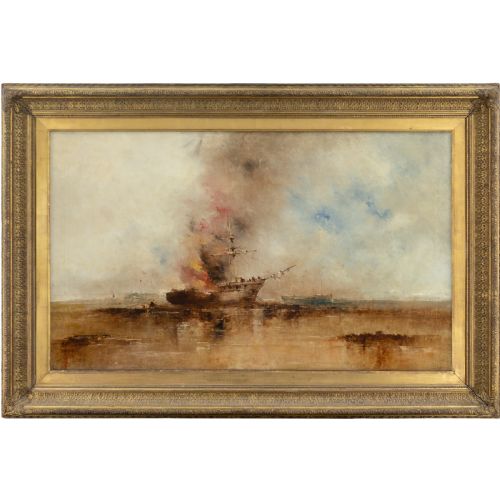
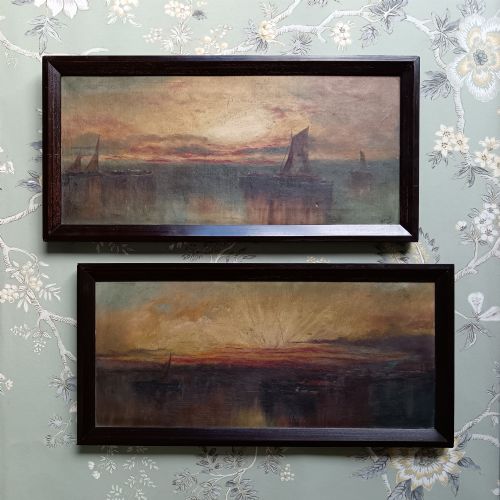
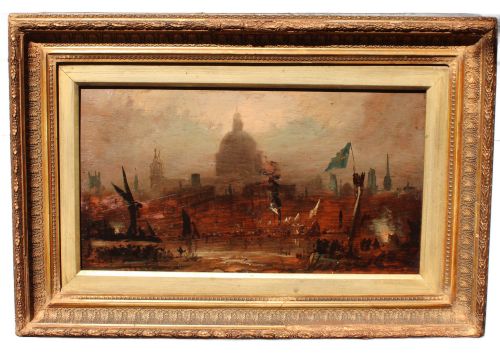
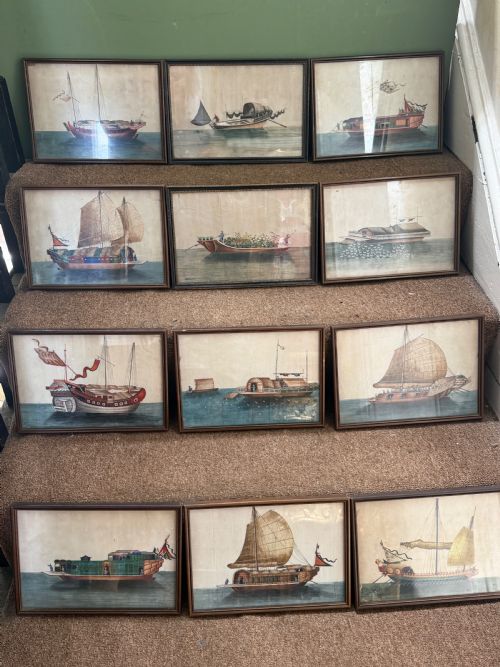
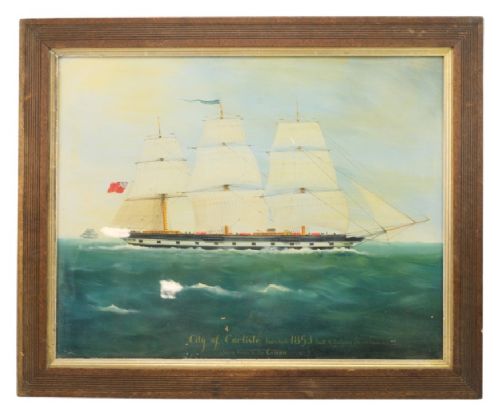
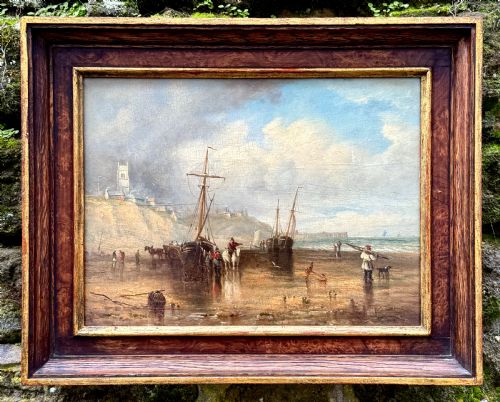
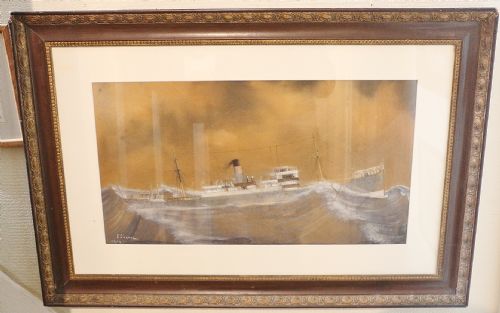
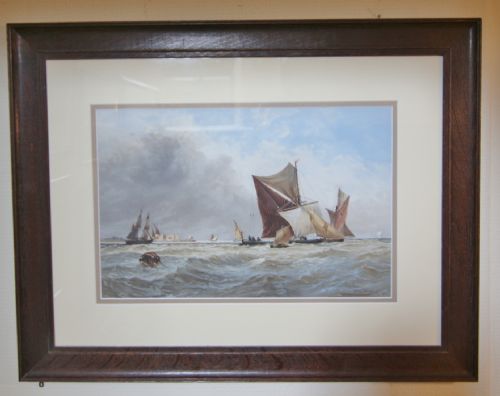
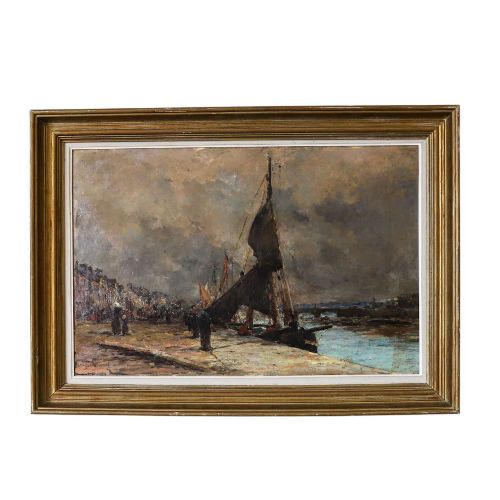
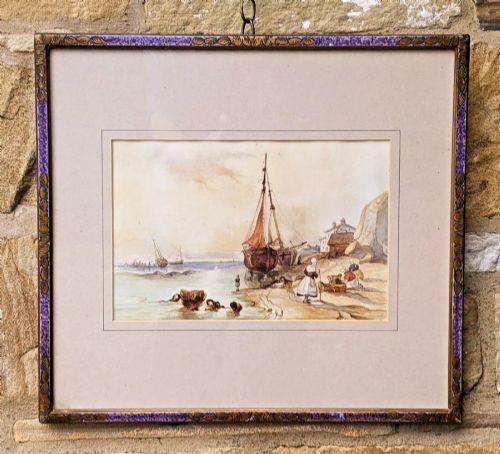
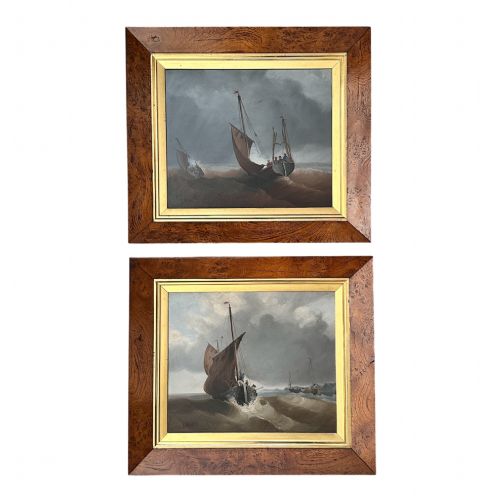
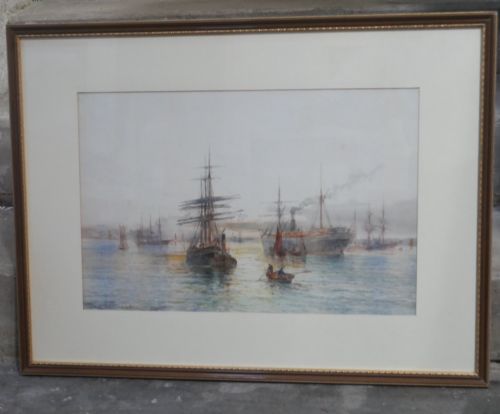
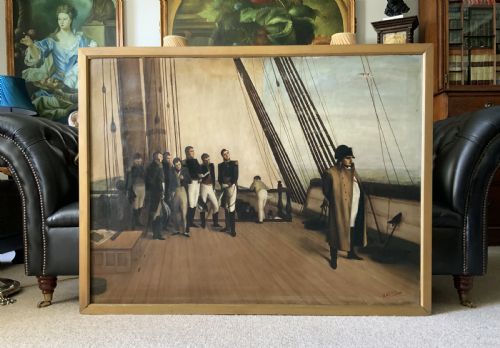
A brown framed maritime painting records the working vessels, naval battles and coastal harbours of past centuries through various artistic interpretations. When searching for a brown framed maritime painting, collectors encounter Victorian oils, Edwardian watercolours and detailed gouache depictions of ships at sea. These works range from large canvases depicting dramatic storm scenes to intimate watercolours of fishing boats anchored in quiet harbours.
The dominant forms on this page include framed oil paintings on canvas, delicate watercolours on paper and gouache works set within wood and gilt surrounds. Dating primarily from the nineteenth and early twentieth centuries, these pieces preserve specific historical vessels, river scenes such as the Thames and the Medway, and maritime landmarks.
How they were made
Artists of these maritime works utilised oil paint on canvas, traditional watercolours on paper and gouache on board to capture light on water and the detailed rigging of vessels. Pigments were applied with varied brushwork, ranging from the smooth academic finishes of Victorian marine scenes to the looser strokes of British Impressionism.
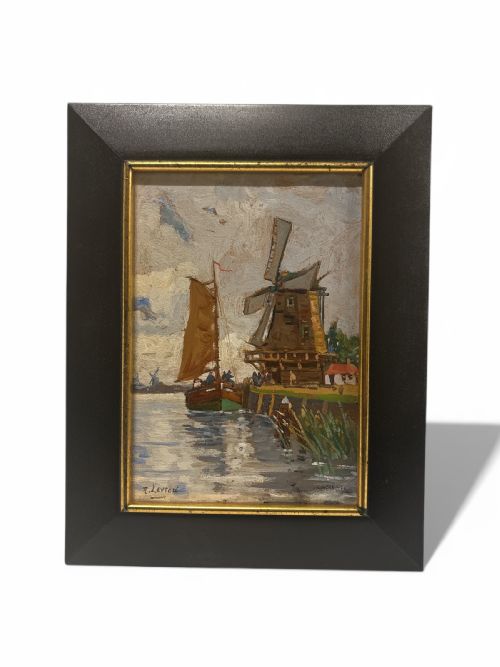
The enclosing frames combine wood, glass and occasional gilt detailing to protect the fragile paper or canvas surfaces. Many works rely on sturdy wooden mouldings, some finished in dark tones that complement the maritime subjects within.
Listings feature works created between the eighteenth and mid-twentieth centuries, executed in oil, watercolour and gouache.
What varies in quality
Quality in these maritime works rests upon the artist's command of perspective, atmospheric light and the accurate depiction of nautical architecture. Skilled painters render rigging, hull construction and rough water with convincing weight and movement, whereas lesser works show stiffness in the drawing of vessels and flat, unconvincing sea surfaces.
The preservation of the medium also dictates the standing of a piece, with well-maintained surfaces retaining their original colour depth without excessive fading or crude restoration. The integration of the frame with the painting further influences the overall character of the piece.
James Orrock·R Leyton·William McAlpine·B. Nash·F. Corpuz·Thomas Creswick·TB Hardy·John Moore of Ipswich·Bernard Benedict Hemy·George Stanfield Walters·Alfred George Morgan·Richard Harry Carter·Gyrth Russell·Gustave De Bréanski·Edward Henry Eugene Fletcher·T.S. Wallis·Owen Bowen·George Henry Knight·Thomas Bush Hardy
The Brown Framed Maritime Painting Glossary
- Gouache
- An opaque water-based medium that yields vibrant colour and solid coverage. It was frequently utilised for detailed nineteenth-century ship portraits and coastal scenes.
- Lugger
- A small two- or three-masted fishing vessel carrying lug sails. These working boats appear regularly in West Country and Channel coastal paintings.
- Estuary
- The tidal mouth of a large river where the tide meets the current. Many Victorian paintings focus on these busy commercial waterways filled with barges and shipping.
- Diorama
- A three-dimensional model scene set within a framed enclosure. Maritime examples combine painted backgrounds with carved and rigged model ships.
- Ironclad
- A steam-propelled warship protected by iron or steel armour plates. These vessels emerge in late nineteenth- and early twentieth-century naval depictions.
Brown Framed Maritime Painting: Frequently Asked Questions
What periods do these maritime paintings cover?
The listings span from the eighteenth century through the Victorian era and into the Edwardian period, with significant representation from the nineteenth century.
Artists of different decades recorded evolving vessel designs, from traditional sailing luggers to steamships and ironclad battleships.
How were these artworks originally displayed?
Most works were framed in wood, sometimes with gilt sight edges, designed to hang in domestic interiors or maritime offices.
The heavy brown wood frames served to protect the canvas or paper while matching the interior decoration of the period.
Are watercolours as durable as oil paintings?
Watercolours and gouache works on paper require glass protection to prevent damage from atmospheric moisture and direct light.
Oil paintings on canvas offer greater resilience, though both mediums benefit from stable indoor environments away from direct sunlight.
How can I identify a specific ship in a painting?
Many Victorian and Edwardian marine works depict named vessels, commercial steamers or naval ships engaged in historical events.
Inscriptions on the reverse, artist records or contemporary shipping registries often help identify the exact vessel and location.