

Brown Framed Landscape Artwork
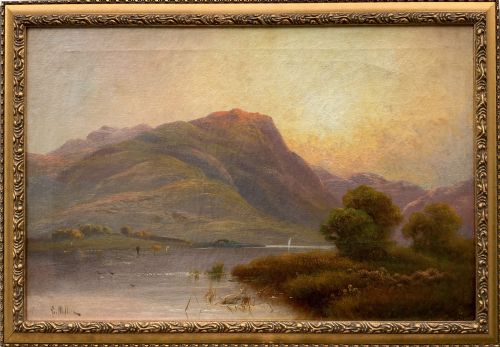
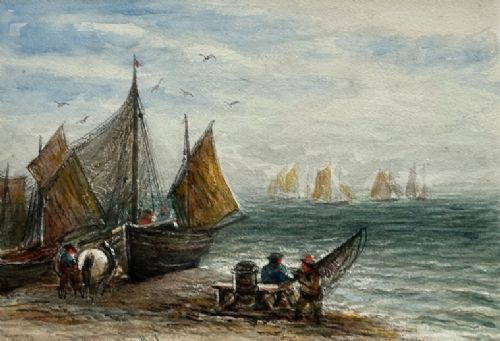
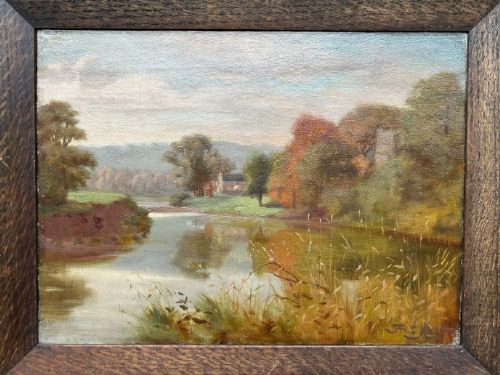
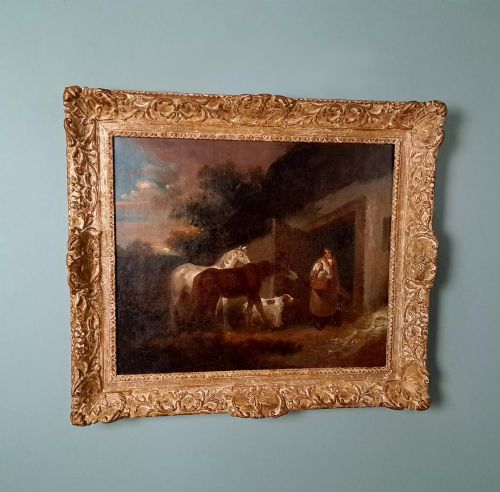
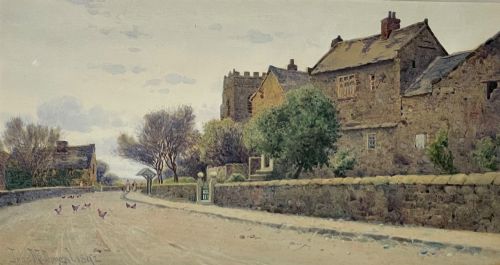
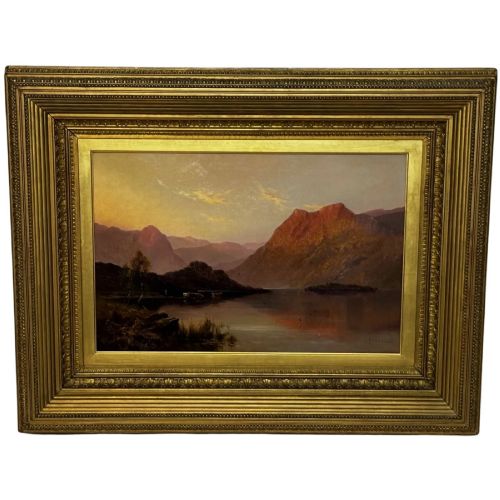
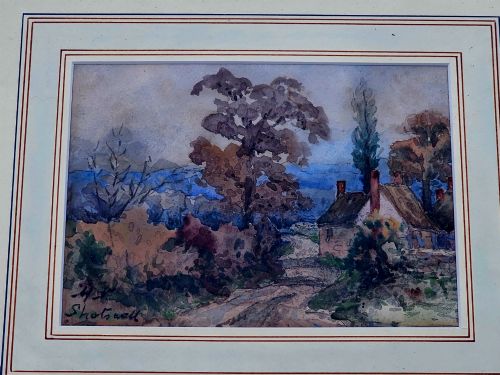
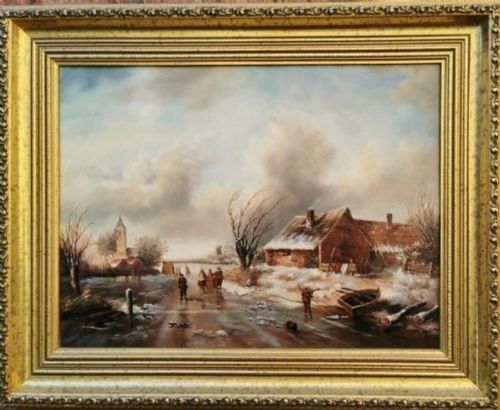
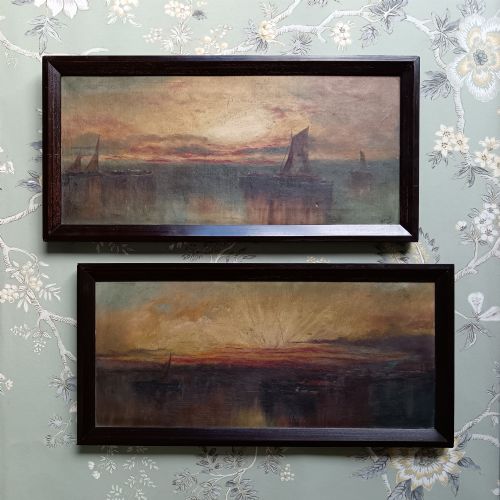
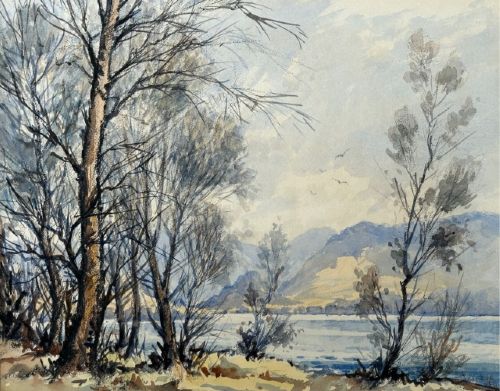
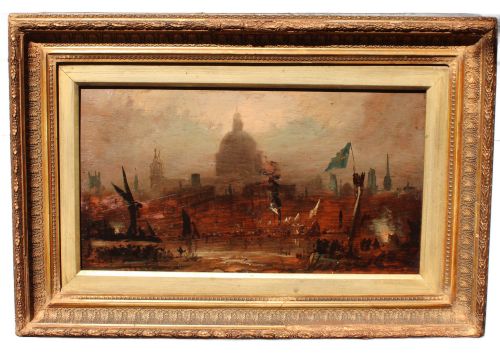
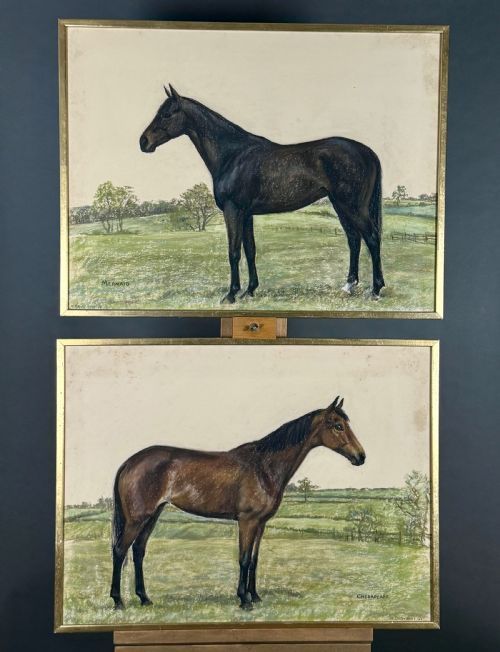
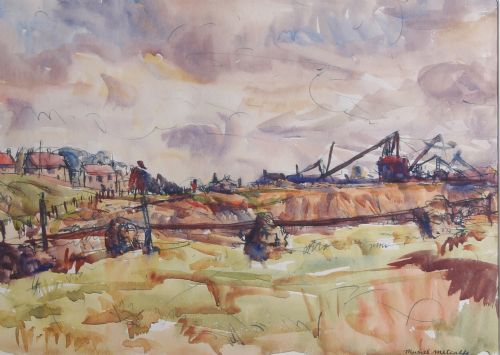
Brown framed landscape artwork brings rural scenes, coastal views and pastoral watercolours into a room within traditional timber mouldings.
Brown Framed Landscape Artwork
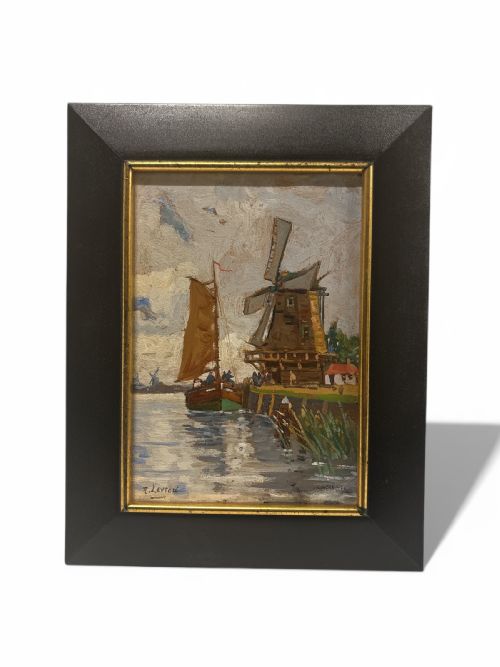
When you search for brown framed landscape artwork, you encounter paintings and watercolours depicting scenery, topography and coastal vistas housed within timber surrounds. These pieces span the nineteenth century, the Edwardian era and mid-century modern periods, reflecting shifting approaches to painting natural views.
The most common examples on this page are nineteenth-century oils on canvas and watercolours on paper. These works capture British and European countryside settings, rivers, hills and marine scenes, each held in a brown frame that complements the earthy tones of the palette.
Materials and Construction
Artists painted primarily with oil or watercolour upon stretched canvas, wooden board or heavy paper. Oil paint allowed for thick, textured brushwork and deep colour layering, whereas watercolour required fluid precision on absorbent paper surfaces.
The accompanying frames are constructed from wood, ranging from simple mouldings to elaborate carved timber designs. Many retain their original dark or mid-brown finishes, which protect the edges of the canvas and frame the pictorial space.
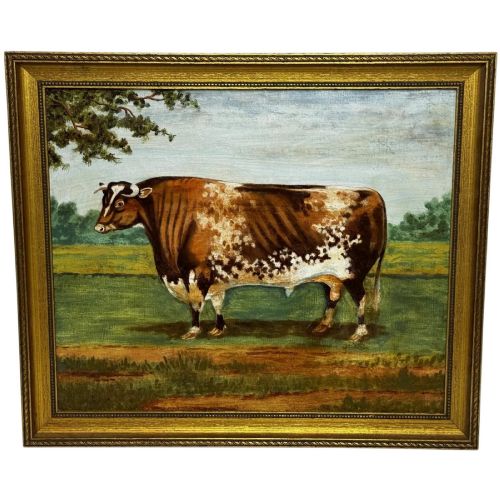
Several landscapes include small, intensely detailed livestock grazing quietly in corners while dramatic weather brews overhead.
Assessing Quality and Execution
Quality rests upon the confidence of the brushwork and the artist's handling of light, shadow and perspective within the landscape. Stronger examples display a clear command of tone and atmosphere, capturing the specific quality of a season or time of day.
The integrity of the physical object also matters, including the stability of the canvas, the preservation of the paint surface, and whether the artwork retains its period wooden frame. Finer pieces demonstrate careful attention to composition alongside well-preserved materials.
William Beattie-Brown·James Orrock·William H Myers·Frederick Marriott·John McDougal·David Roberts·Richard Redgrave·John Moore of Ipswich
The Brown Framed Landscape Artwork Glossary
- Oil on canvas
- Pigment mixed with drying oil applied to a woven fabric support. This technique permits rich colour saturation and subtle blending.
- Watercolour
- A paint consisting of colour suspended in a water-soluble vehicle, typically applied to paper. It yields translucent washes of light.
- Gilt frame
- A wooden moulding coated with gold leaf or metallic paint. It provides a bright contrast to darker landscape tones.
- Provenance
- The documented history of ownership of an artwork. It helps verify authenticity and past exhibition records.
Brown Framed Landscape Artwork: Frequently Asked Questions
How do I date a landscape painting?
Dating relies on stylistic clues, costume details in figures, and the construction methods of the canvas and stretcher. Pigment types and canvas stamps also offer chronological markers.
Examining the wooden frame can provide further evidence, as framing styles shifted across the Victorian, Edwardian and mid-century periods.
Are these artworks painted on canvas or paper?
The listings include both oil paintings on canvas and watercolours on paper. Oils offer a heavier texture, while watercolours are flatter and require glass protection.
Each medium dictates how the piece interacts with light and how it should be displayed on a wall.
How should I hang and light these pieces?
Hang paintings at eye level on walls away from direct sunlight and damp conditions. Consistent indoor temperatures protect both the canvas and the wooden frame.
Use picture lights with low heat output to illuminate the surface without causing gradual fading to the pigments.
What distinguishes an oil painting from a watercolour?
Oil paint employs a slow-drying binder that allows artists to build thick layers and rework areas over time. Watercolour uses a water-soluble medium that creates transparent, luminous effects on paper.
Oils are typically stretched over wooden frames, whereas watercolours are mounted behind glass to prevent moisture damage.