



Brown Forest Painting
These brown forest painting works capture quiet woodland scenes and pastoral landscapes through oil and watercolour, bringing a grounded slice of the countryside indoors.
Brown Forest Painting
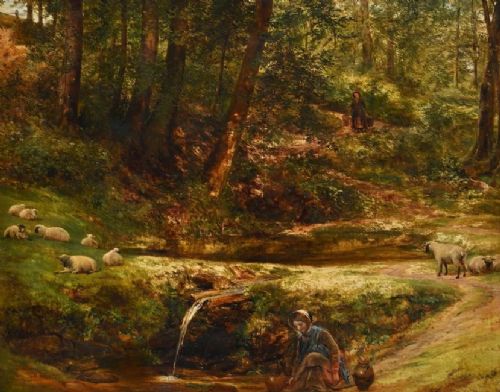
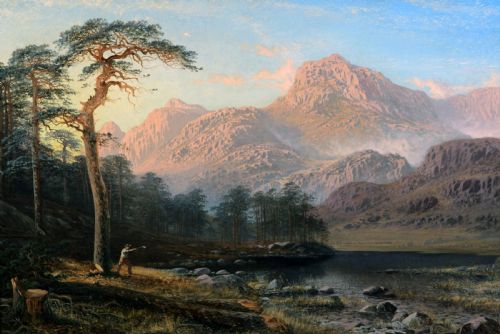
A brown forest painting brings together woodland scenes, rural landscapes and pastoral views executed across the nineteenth and twentieth centuries. Buyers searching for this phrase encounter oil on canvas, oil paint, watercolour on paper and carved wood, ranging from Victorian naturalism to mid-century depictions.
The selections on this page span several decades, featuring Victorian, Edwardian, alpine folk art and traditional pastoral styles. Formats vary from framed wall art to wooden sculptures, capturing the earthy tones and natural scenery of British and European rural environments.
Materials and techniques
Makers utilised canvas, paper and wood as primary supports, applying oil paint and watercolour to build up rich, organic colour palettes. The physical works rely on traditional brushwork and pigment layering to render foliage, earth and livestock.
Framed paintings utilise stretched canvas or heavy paper, while three-dimensional pieces employ carved wood. These traditional methods ensure the longevity of the pigments and the stability of the support structures.
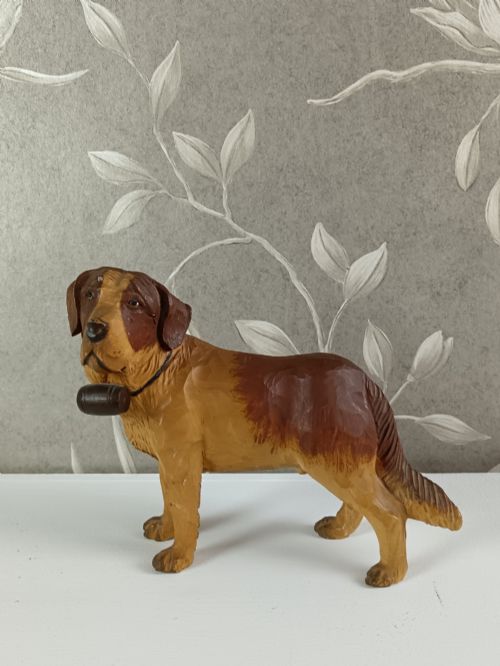
A solitary carved Saint Bernard dog stands guard among the flat canvases, ready for an alpine rescue.
Distinguishing quality
Quality rests in the handling of light, shadow and spatial depth within the woodland or landscape composition. Stronger examples demonstrate confident brushwork and a balanced palette that evokes the atmosphere of the natural setting.
The articulation of fine details in foliage, animals and water separates standard decorative pieces from more accomplished works. Provenance and clear artist signatures further distinguish the finer examples in this category.
William H Myers·Richard Redgrave·Edmund George Warren·Charles James Adams·Frederick Golden Short·J McIntyre·Charles Branwhite·Walter Emsley·Charles Pettitt
The Brown Forest Painting Glossary
- Oil on Canvas
- Pigment mixed with drying oil applied to a woven fabric stretched across a wooden frame. This medium allows for deep colour saturation and textured brushwork.
- Watercolour on Paper
- Pigment suspended in a water-based solution applied to a paper support. This technique produces translucent washes and delicate atmospheric effects.
- Victorian Naturalism
- An art movement focusing on the realistic depiction of the natural world without excessive idealisation. It emphasises accurate botanical and geographical details.
- Pastoral
- A genre of art depicting rural life, shepherds and peaceful countryside scenes. These works idealise the simplicity of country living.
Brown Forest Painting: Frequently Asked Questions
What periods do these paintings cover?
The works span from the mid-nineteenth century through the Victorian and Edwardian eras up to the mid-twentieth century. This timeline covers diverse aesthetic movements including traditional pastoralism and mid-century landscape painting.
Each period brings distinct stylistic choices regarding colour application, framing and subject matter, reflecting the shifting tastes of landscape artists over the decades.
How should I hang these artworks?
These pieces suit rooms with natural light and neutral wall colours that complement earthy brown and green tones. Placing them away from direct sunlight protects oil pigments and watercolours from fading.
Ensure secure fixings matched to the weight of the frame, particularly for heavier canvas oils or carved wooden sculptures.
Are these works signed by the artists?
Many pieces carry visible signatures, inscriptions or studio attributions left by the original painter or maker. Documentation in the titles often records specific locations such as Hampshire, Devon or Hertfordshire.
Unsigned works rely on stylistic evidence, material composition and period framing to indicate their approximate date and regional origin.
What is the difference between oil and watercolour?
Oil paintings utilise thick, viscous pigments that allow for heavy texture, impasto and layered revisions on canvas or panel. Watercolours use transparent, water-soluble pigments on paper to create luminous, lighter compositions.
Oils generally require a sturdy wooden stretcher frame, whereas watercolours require protective glass framing to prevent moisture damage.