



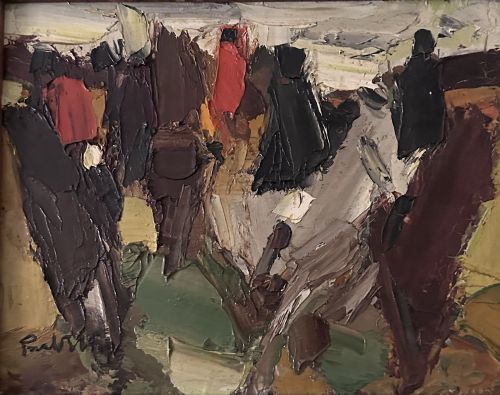

Brown Equine Canvas Art
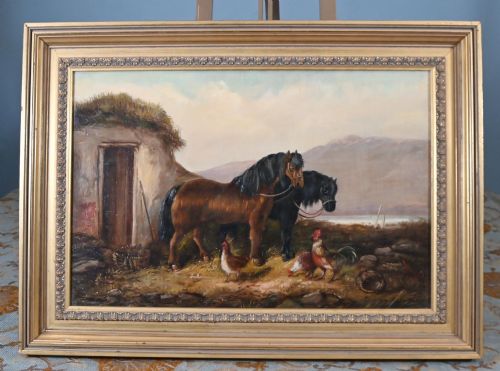
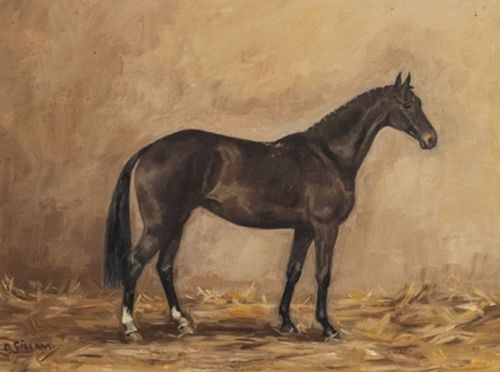
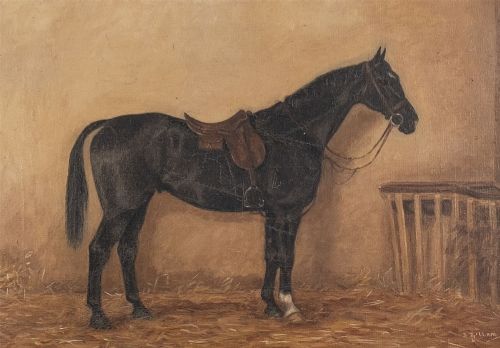
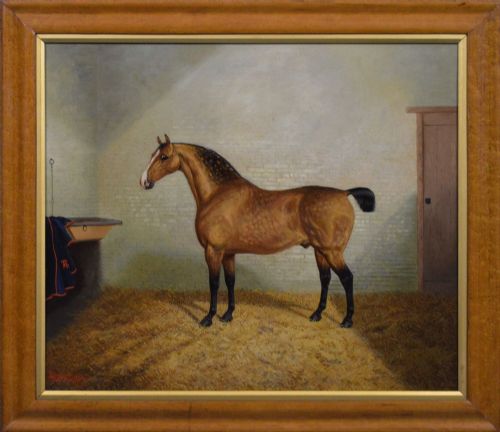
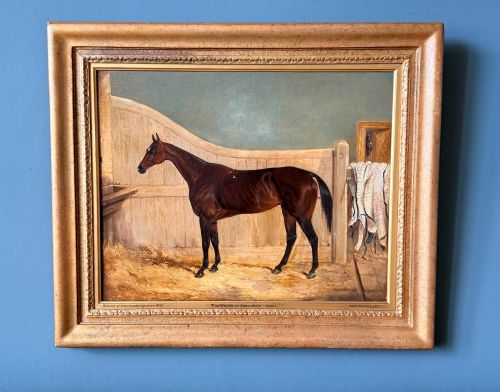
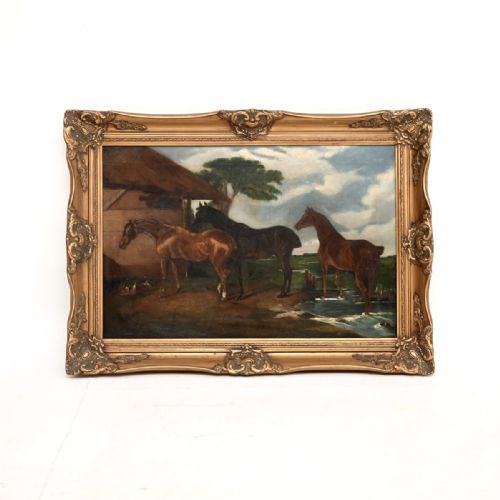
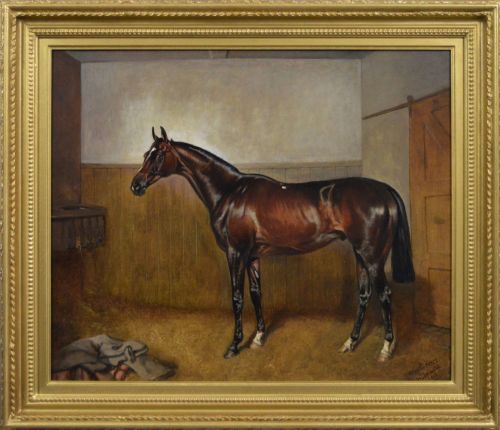
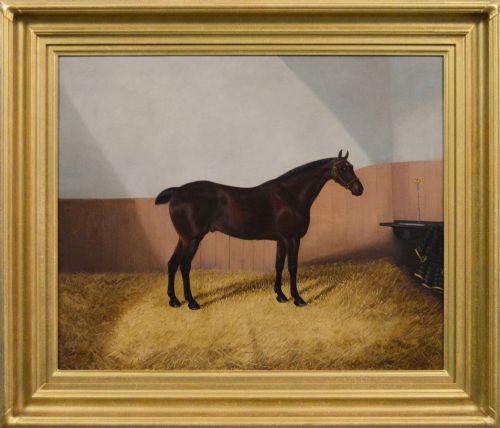
Brown equine canvas art captures the physical power and individuality of horses through oil pigment stretched across traditional woven supports.
Brown Equine Canvas Art
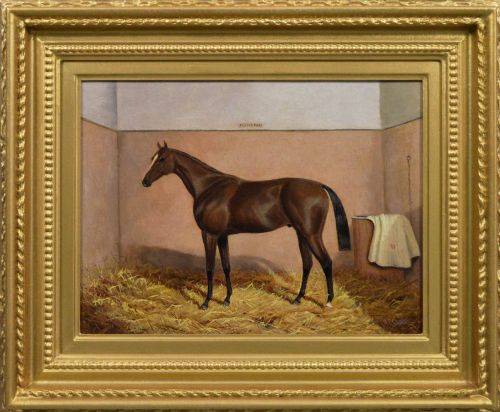
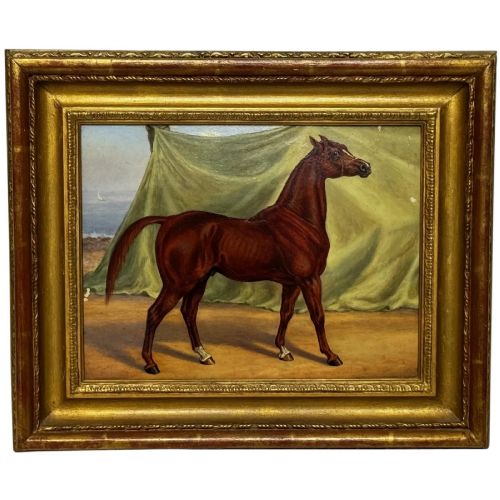
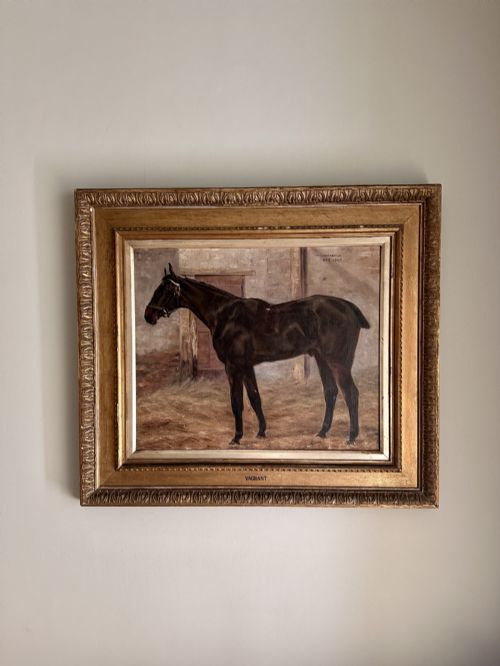
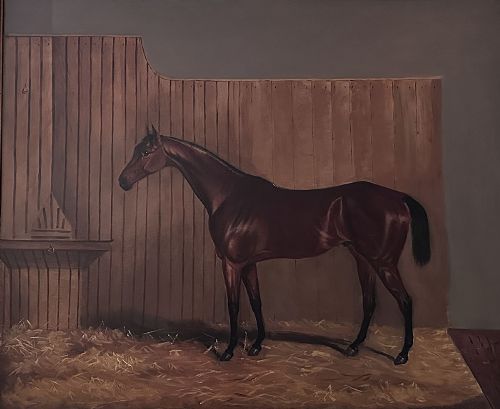
Brown equine canvas art brings together centuries of painting traditions, focusing primarily on individual portraits of racehorses, hunters, and stable scenes. Buyers searching this phrase encounter works dominated by rich earth tones, chestnut coats, and deep bay hues rendered by skilled hands.
The pieces available span from the Georgian era through the Victorian period and into the early twentieth century. Most works showcase specific named animals, historical winners, or working horses placed within pastoral landscapes and stable interiors.
The aesthetic of these canvases relies heavily on the naturalist depiction of animal anatomy combined with atmospheric backgrounds. Whether portraying a champion thoroughbred or a quiet farm pony, the art reflects a deep cultural engagement with horses.
Materials and Techniques
Artists applied oil paint directly onto prepared woven canvas surfaces, often mounted over wooden stretchers. This combination allowed for gradual blending of rich brown pigments, subtle shading of musculature, and the build-up of textured coats.
Giltwood frames frequently accompany these oil paintings, providing a traditional decorative border that complements the deep tones of the canvas. The application of gold leaf on the framing highlights the formal nature of nineteenth-century portraiture.
Brown Equine Canvas Art Retail Price Guide 2026
Typical asking prices for brown equine canvas art among the pieces listed under this phrase on Sellingantiques today, from the lower quarter to the upper quarter. They describe what is for sale here now, not the wider market.
Listings feature oil paintings on canvas depicting Victorian sporting art and Edwardian equestrian scenes.
Judging Quality
Quality rests upon the artist's command of equine anatomy and the subtle rendering of light across a horse's coat. Superior works capture the tension in muscle structures, alert expressions, and convincing textures rather than relying on stiff or formulaic outlines.
The handling of the surrounding environment, from detailed stable interiors to atmospheric river landscapes, separates standard decorative pieces from accomplished fine art. A sophisticated composition integrates the subject naturally into its setting with confident brushwork.
Henry Barraud·Albert Clark·John Alfred Wheeler·John Ferneley Senior·John Frederick Herring·Charles Bilger Spalding
The Brown Equine Canvas Art Glossary
- Bay
- A horse coat colour characterised by a reddish-brown body with black points on the mane, tail, and lower legs. This shade appears frequently across Victorian sporting art.
- Canvas
- A heavy woven fabric, typically linen or cotton, used as a sturdy support surface for oil painting. It provides the foundational texture visible beneath historical brushstrokes.
- Giltwood
- Wood carved and covered with a thin layer of gold leaf. Frames made in this manner frequently house antique equine portraits.
- Equestrian
- Relating to horse riding or the representation of horses in art. This descriptor covers everything from racing scenes to quiet stable portraits.
- Stretcher
- A wooden framework that holds a painted canvas taut. Traditional frames allow the fabric to maintain its tension over centuries.
Brown Equine Canvas Art: Frequently Asked Questions
What periods do these paintings come from?
The selections span from the early nineteenth century through the Edwardian era, encompassing Georgian, Victorian, and early twentieth-century artistic movements. These dates reflect the height of traditional equine portraiture.
Artisans and painters of these eras focused heavily on documenting prized livestock, racehorses, and rural working animals with meticulous detail.
How were these paintings originally displayed?
Owners typically hung these canvases in country houses, estate reception rooms, and stable offices to celebrate sporting achievements and prized bloodlines. Giltwood frames provided an ornate presentation suitable for formal domestic interiors.
Today, they transition easily into modern living spaces, serving as focal points above mantelpieces or within study walls.
How do I identify a named racehorse in a portrait?
Inscriptions on the canvas, stretcher bars, or framing often record the name of the winning horse, the jockey, and the specific race or date. Documentation like historical provenance further confirms the identity of celebrated animals.
Many Victorian works specifically commemorated turf victories and prominent studs owned by notable patrons.