
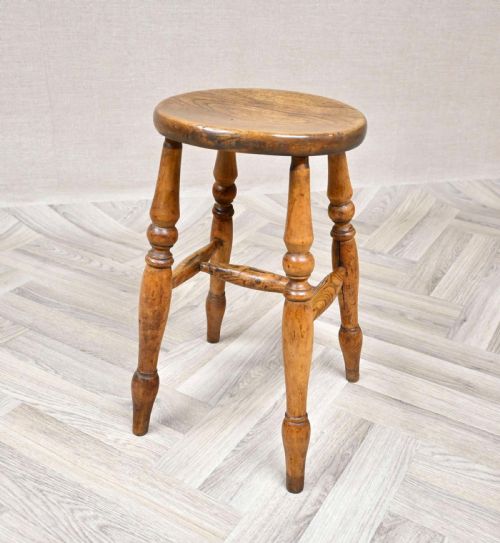


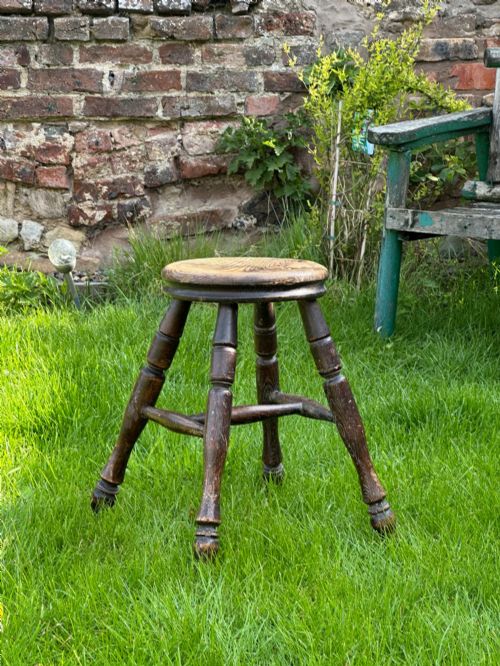
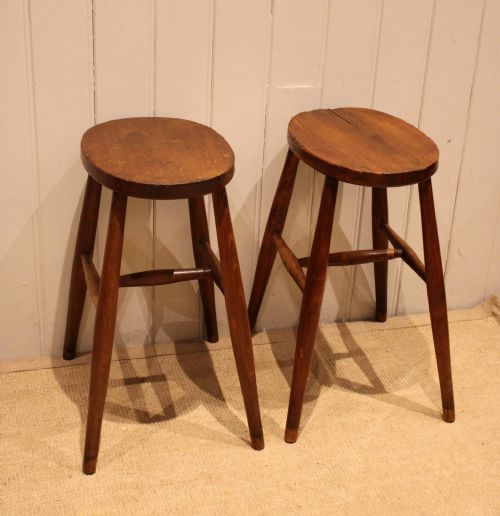


Brown Elm Wooden Stool
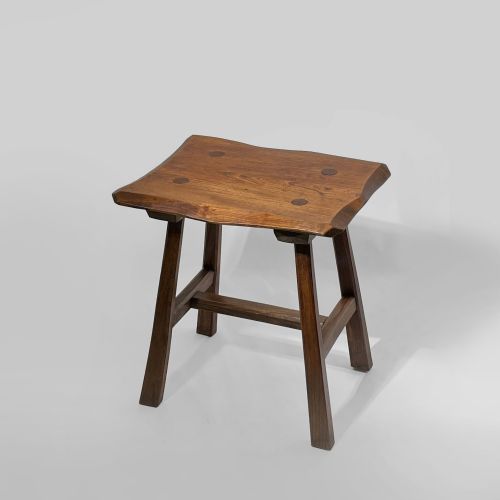
A brown elm wooden stool is a utilitarian rural seat, prized for its durable timber and honest vernacular character.
Brown Elm Wooden Stool
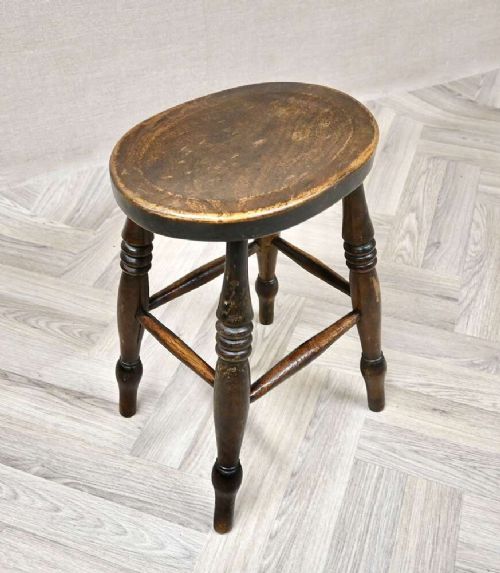
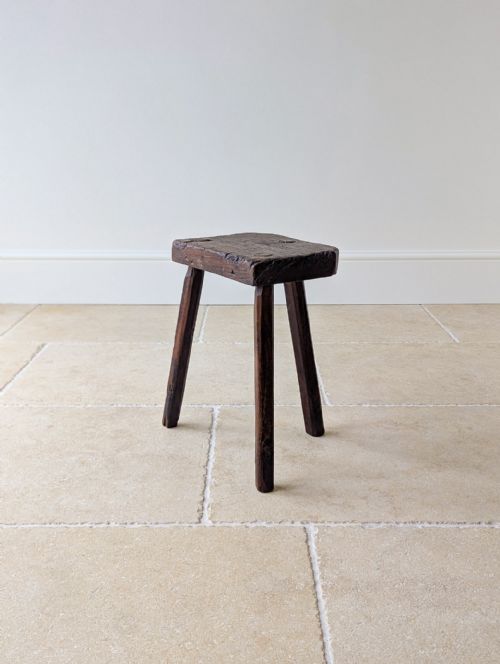
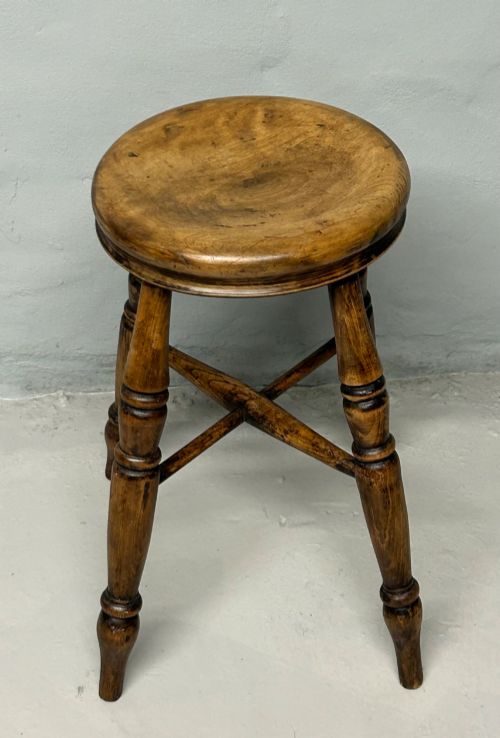
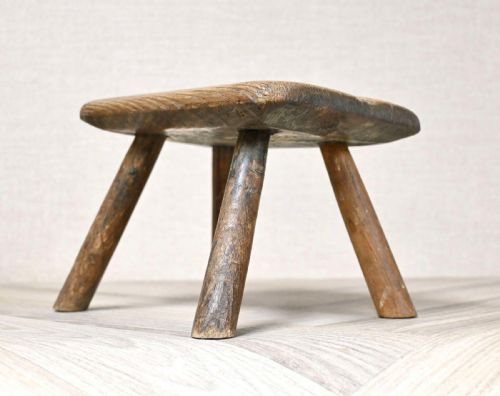
A brown elm wooden stool serves practical domestic or workshop needs across several periods, most frequently appearing in nineteenth-century country forms. These utilitarian seats span humble milking stools, tavern seating, and Windsor variants designed for daily labour.
The inventory on this page ranges from early eighteenth-century hearth designs to Edwardian footstools and mill worker variants. While the phrase specifies elm, many examples incorporate mixed woods like ash, beech, and oak in their construction.
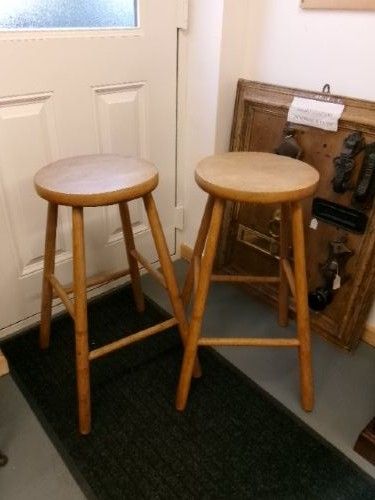
Makers shaped these pieces for specific trades and rural interiors, resulting in low country stools, tall bar formats, and specialised jeweler or cutler designs. Their robust timber construction prioritizes utility over ornamental polish.
What varies in quality
Quality rests in the integrity of the timber selection and the retention of original surface patination through decades of use. A deeply figured elm seat paired with well-turned legs commands greater appreciation than plain or heavily restored timber.
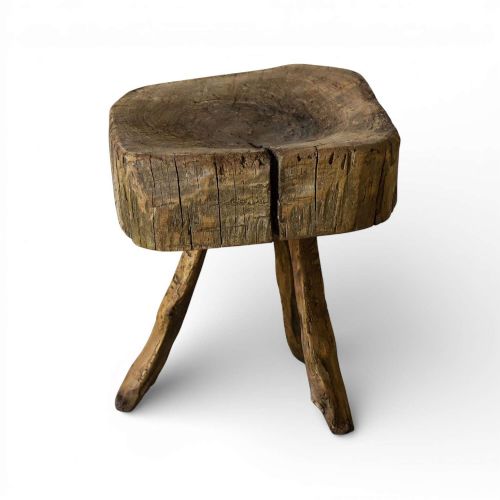
Proportion and structural honesty separate everyday utility pieces from scarcer workshop variants like jeweller or cutler stools. The survival of original gnarled supports or distinct regional vernacular touches elevates an individual example.
Materials documented across these pieces include solid elm, oak, ash, beech, and occasional brass fittings.
The Brown Elm Wooden Stool Glossary
- Elm
- A tough, durable hardwood with an interlocking grain that prevents splitting, traditionally chosen for seating slabs. Its distinctive figuring darkens gracefully with age and daily friction.
- Windsor
- A traditional chair or stool construction method where legs and spindles are wedged directly into a solid sculpted seat. This technique provides exceptional structural rigidity without heavy framing.
- Vernacular
- Objects designed by local craftsmen using regional materials to satisfy immediate practical needs rather than following academic architectural styles. These pieces reflect local traditions and available timbers.
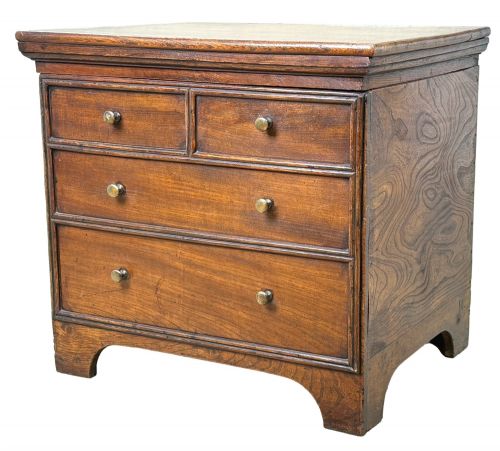
- Close stool
- An eighteenth-century piece disguised as a small chest or bedside cabinet containing a concealed chamber pot. It demonstrates dual-purpose craftsmanship typical of period domestic furniture.
- Treen
- Small handmade wooden household objects and utensils created by turners using lathes and hand tools. These items display the same timber characteristics found in larger country seating.
Brown Elm Wooden Stool: Frequently Asked Questions
What is a brown elm wooden stool used for?
These stools served diverse practical functions in homes, taverns, and workshops for specific trades like cutting or milling.
Today, owners utilise them as accent seating, small side tables, or decorative pedestals within rustic interiors.
How do I identify the age of an elm stool?
Age assessment relies on tool marks, construction methods, and the natural wear patterns accumulated on the wooden seat over generations.
Earlier eighteenth and nineteenth-century examples often feature hand- adzed surfaces and pegged joinery distinct from later mass production.
Are these stools made entirely from elm?
While the search specifies elm, many historical country stools feature mixed timber construction utilising ash, beech, or oak for legs and stretchers.
Elm was typically reserved for the solid top due to its resilience, while turned supports utilised other straight-grained hardwoods.
How should I care for antique elm wood?
Maintain the timber by applying occasional natural beeswax to nourish the dry grain without sealing the historic surface.
Keep pieces away from direct heat sources and sudden humidity shifts to prevent the solid elm top from splitting.