

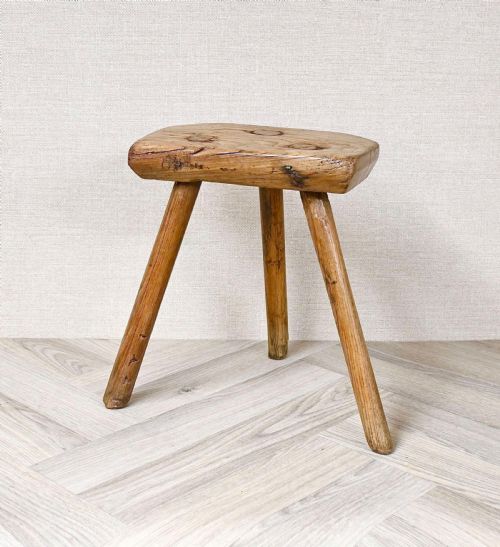


Elm Timber Country Stool
Elm timber country stool examples are honest domestic seating built for utility, offering rustic charm and solid construction for daily use.
Elm Timber Country Stool
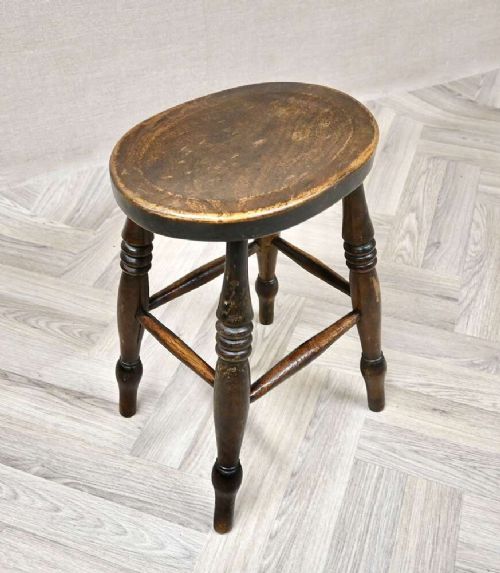
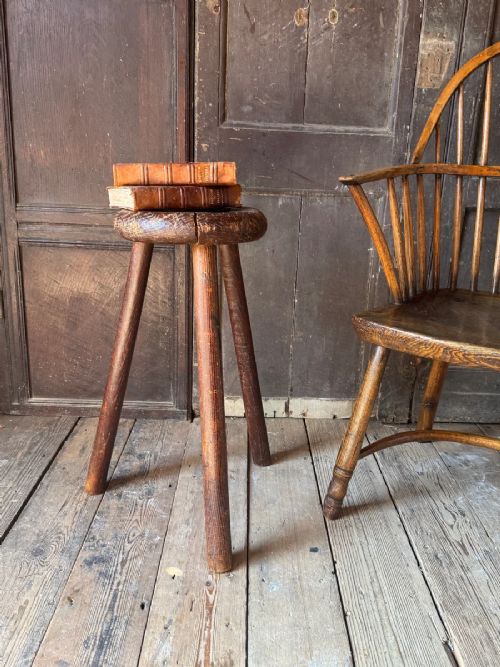
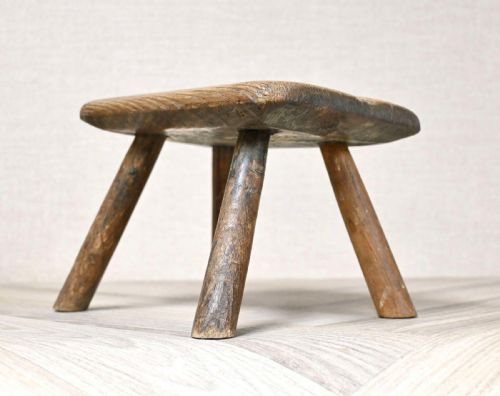
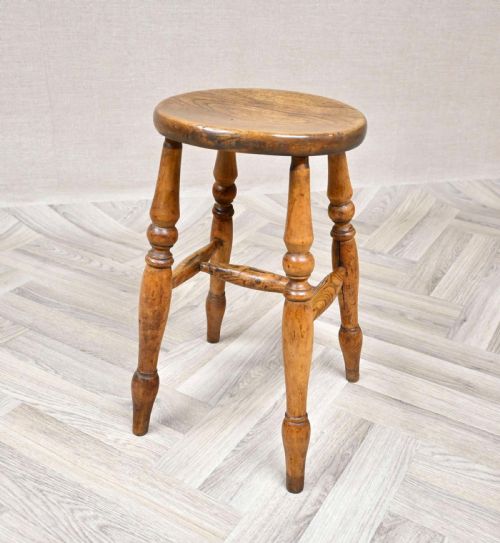
When you search for an elm timber country stool, you find humble seating created for practical tasks in rural homes and dairies. These pieces range from simple three-legged designs to low hearth stools and oval seat Windsor forms.
The versions you meet most frequently on this page date from the nineteenth century, though earlier eighteenth century and Georgian examples appear alongside later Edwardian footstools. Forms span low stools, milking stools, and occasional tables using elm tops.
Makers built these seats for function rather than display, utilising local timbers available in the countryside. Their enduring appeal lies in this straightforward purpose and the honest wear acquired over generations of use.
How they were made
Carpenters constructed these seats using solid native timbers, pairing elm for seats with oak, beech, or ash for legs and stretchers. Elm resisted splitting under pressure, making it the preferred choice for shaped tops.
Joinery techniques relied on simple pegged joints and tapered legs wedged directly through the seat plank. Artisans shaped oval and round seats with drawknives and adzes, leaving subtle tool marks across the timber.
Listings feature periods spanning from seventeen hundred through the Edwardian era, predominantly showcasing nineteenth century examples.
What varies in quality
Quality rests in the character of the timber and the balance of the proportions rather than decorative elaboration. Grain figure in the elm top and a pleasingly weathered patina elevate a piece above standard utility items.
Construction integrity defines the better examples, where legs remain firmly wedged and original feet show minimal timber loss. Modest primitive pieces command attention through untouched surfaces and honest regional character.
The Elm Timber Country Stool Glossary
- Elm
- A dense native hardwood prized for interlocking grain that resists splitting. Furniture makers selected it for seats where strength under pressure mattered most.
- Windsor
- A style of seating construction featuring turned legs and spindles socketed directly into a solid wooden seat. Oval seat country stools often share these characteristic framing methods.
- Primitive
- A descriptive term for vernacular items made without academic stylistic pretensions. These objects embody direct solutions to domestic needs using readily available local materials.
- Hearth
- A low stool designed for sitting near the fireplace. These pieces typically sat close to the floor for warmth during winter evenings.
- Stretchers
- Horizontal rails connecting the legs of a stool to provide structural rigidity. They prevent the legs from spreading under heavy weight.
Elm Timber Country Stool: Frequently Asked Questions
What is an elm timber country stool?
An elm timber country stool is a utilitarian rustic seat made by rural artisans for domestic or agricultural work. These pieces feature solid elm tops supported by sturdy wooden legs.
Most examples found here date from the eighteenth and nineteenth centuries. They reflect regional building traditions across the British countryside.
How were country stools used originally?
People utilised these stools for everyday tasks around the farmhouse, cottage, and dairy. Low variants served near the hearth or for milking livestock.
Some designs doubled as small occasional tables or footstools. Their portability allowed owners to move them easily around the home.
How do I live with a country stool?
These stools fit easily into modern interiors as bedside tables, plant stands, or spare seats. Their compact sizes suit small spaces and narrow hallways.
Treat the aged timber with gentle wax to preserve the historic surface. Avoid placing them in direct sunlight or near heat sources to protect the wood.
How do I tell the periods apart?
Eighteenth century pieces often display simpler, primitive construction with thick timber boards and minimal turning. Nineteenth century examples show greater variety, including Windsor styles and ball feet.
Later Edwardian versions tend to be lighter footstools. Examining the tool marks and leg fixings helps clarify the age of each piece.