


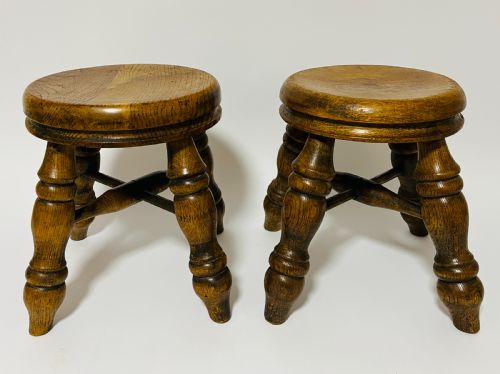
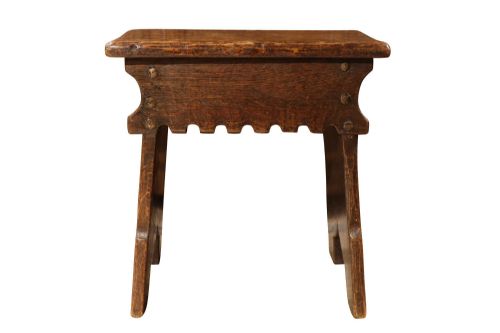


Dark Oak Milking Stool
These dark oak milking stool examples are solid wooden seats shaped by utilitarian purpose, offering robust everyday character for modern interiors.
Dark Oak Milking Stool
When you search for dark oak milking stool, you encounter low country seating designed for agricultural tasks and domestic utility. The inventory spans several centuries, notably featuring nineteenth-century items alongside Georgian and early twentieth-century examples.
Most entries showcase regional styles such as Victorian Country, Rustic Farmhouse, and English Country. These seating forms often double as small side tables within contemporary homes.
How they were made
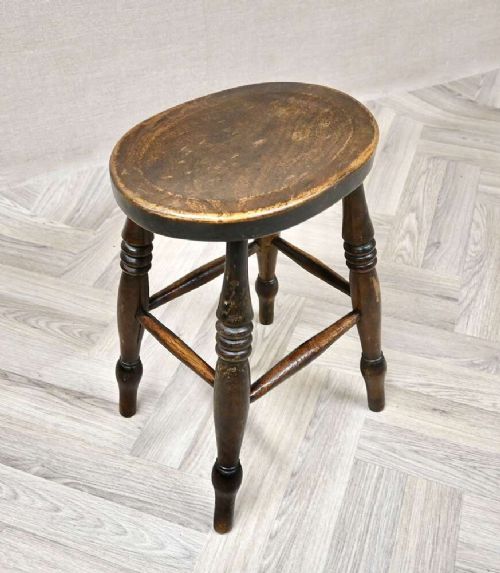
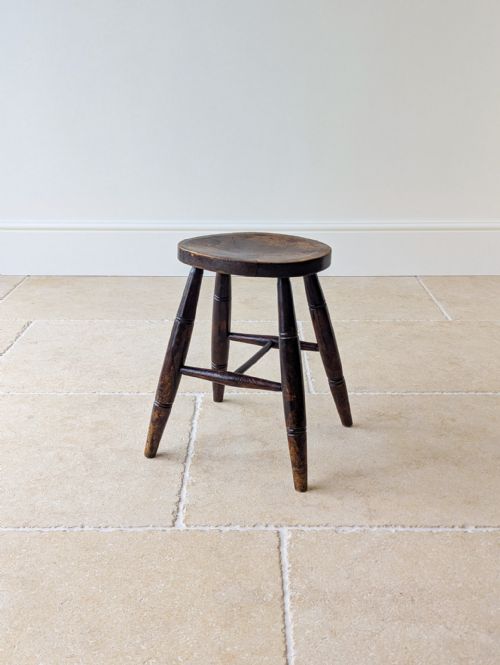
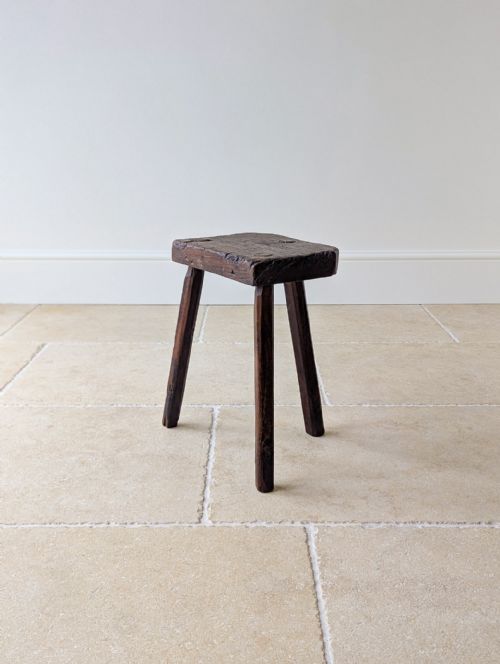
Maker construction relies heavily on solid timbers including oak, elm, ash, and beech combined using traditional pegged methods. Artisans shaped seats from single planks or Windsor configurations to ensure stability on uneven farmhouse floors.
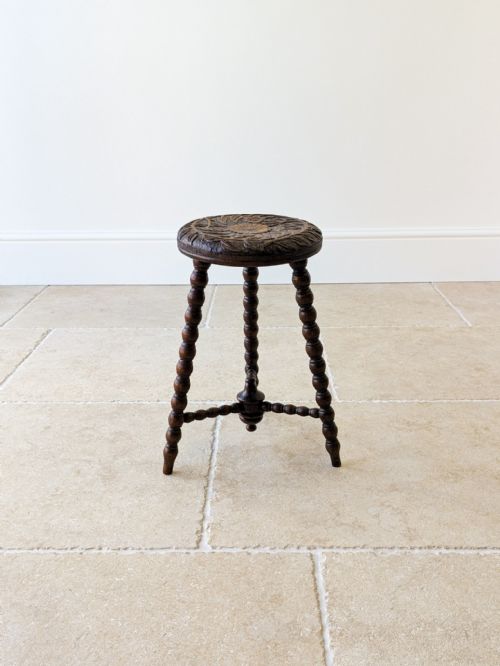
Selected pieces incorporate turned components like bobbin turning or carved circular tops. The resulting structures utilise durable native hardwoods built to withstand heavy daily use.
What varies in quality
Quality differences stem from the integrity of the timber and the honesty of the construction. Pieces featuring pegged joints and patinated solid oak or wild elm sit at the upper end of the scale.
The refinement of the seat sculpting and the balance of the turned legs dictate the visual appeal. Greater age and regional provenance enhance the character of individual examples.
The Dark Oak Milking Stool Glossary
- Pegged construction
- A method of joining wooden components using tight wooden dowels instead of metal fasteners. This technique allows the timber to expand and contract naturally over time.
- Windsor
- A seating style characterised by turned legs and spindles socketed directly into a sculpted solid wooden seat. It provides lightweight strength through distinct geometric bracing.
- Vernacular
- Everyday objects made by local craftsmen for practical use rather than high-style design. These pieces reflect regional traditions and readily available local materials.
- Bobbin turned
- A decorative woodwork technique featuring a series of rounded spheres or discs carved along the length of a leg or stretcher. It resembles a string of wooden bobbins.
- Elm
- A tough, interlocking hardwood frequently chosen by traditional craftsmen for seats because it resists splitting under heavy weight. It displays a distinctive grain pattern.
Dark Oak Milking Stool: Frequently Asked Questions
Are these genuine milking stools?
Many examples originate from agricultural and domestic workshops where low seating was standard for daily labour.
Over time, collectors grouped various low country stools under this descriptive term due to their compact scale and wooden construction.
How do I style a low stool at home?
These compact wooden seats function effectively as plant stands, bedside tables, or minimalist display surfaces in living spaces.
Their modest footprint allows them to fit easily into narrow hallways or corners without cluttering the room.
What woods were commonly used?
Craftsmen relied on durable British hardwoods such as oak, elm, ash, and beech sourced locally for everyday furniture production.
Wild elm and solid oak frequently appear in the seats and legs to provide structural longevity.
How can I tell the age of a stool?
Dating relies on examining tool marks, construction methods like pegged joinery, and the natural wear patterns on the timber.
Nineteenth-century examples often display deep patination and hand-sculpted surfaces shaped by decades of use.