

Brown Elm Desk
These brown elm desks and related seating bring together rich rural timbers and traditional craftsmanship from the eighteenth and nineteenth centuries.
Brown Elm Desk
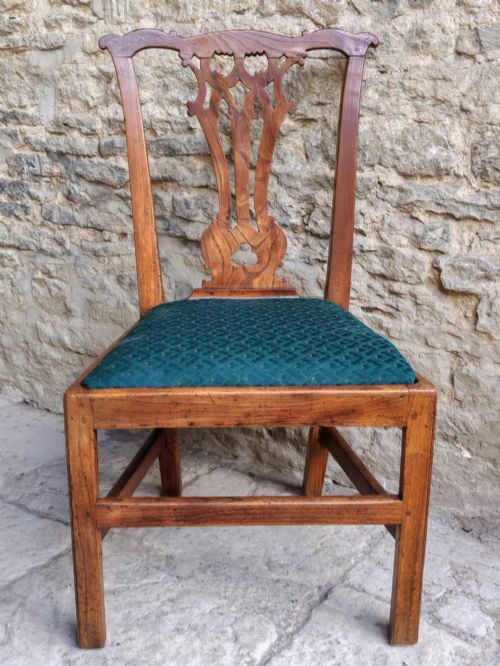
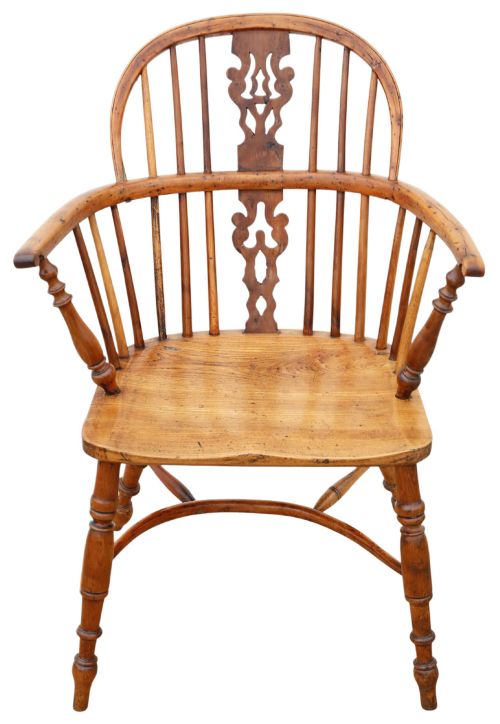
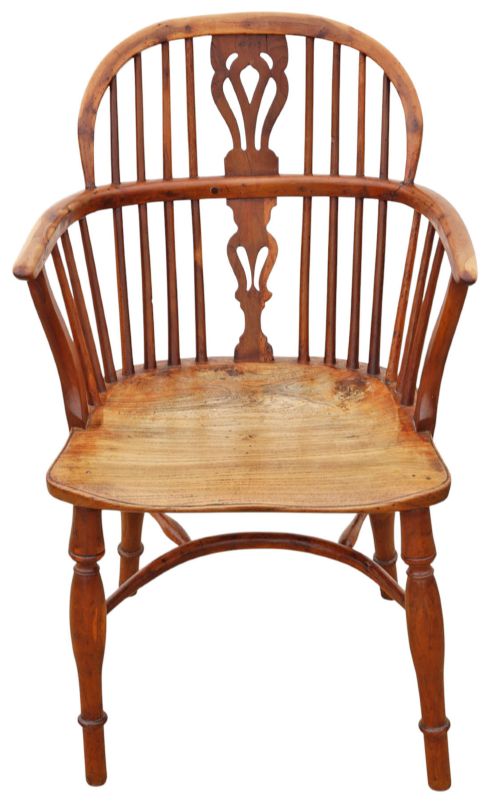
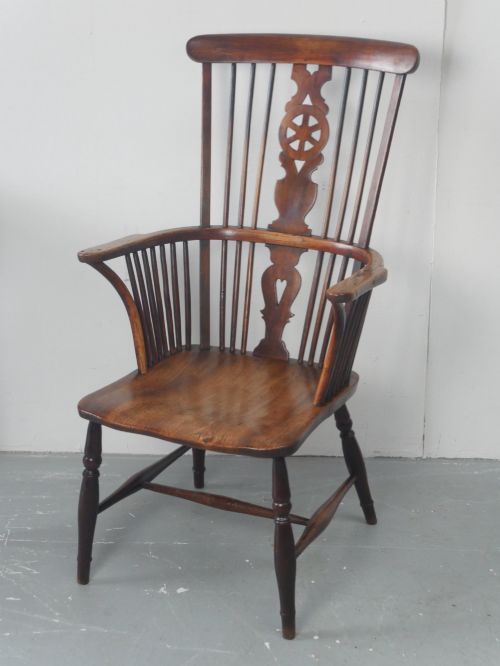
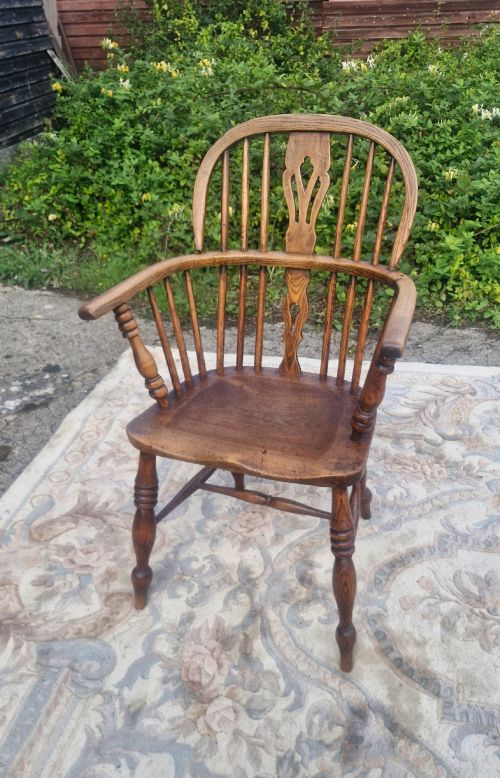
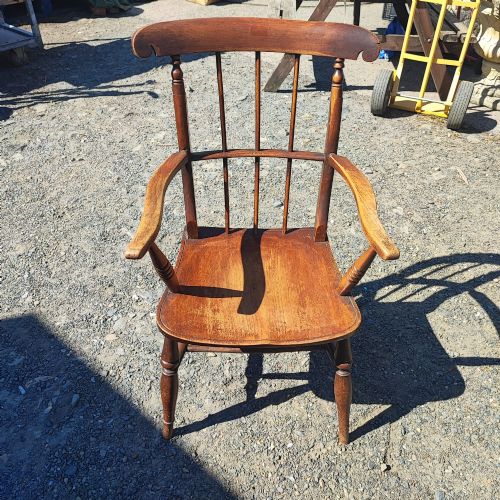
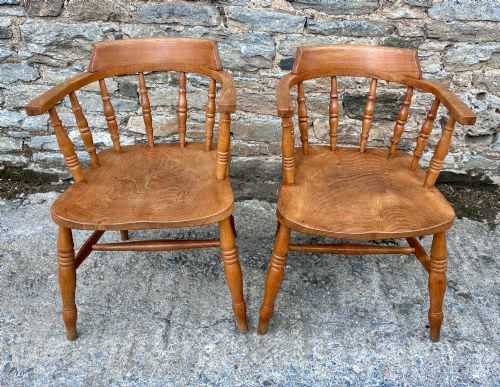
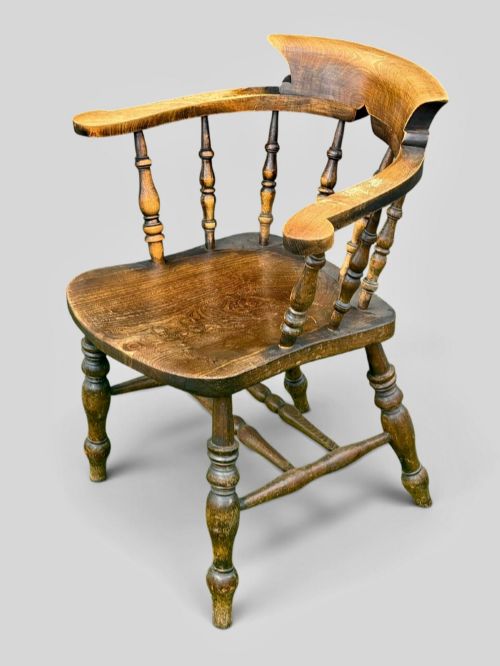
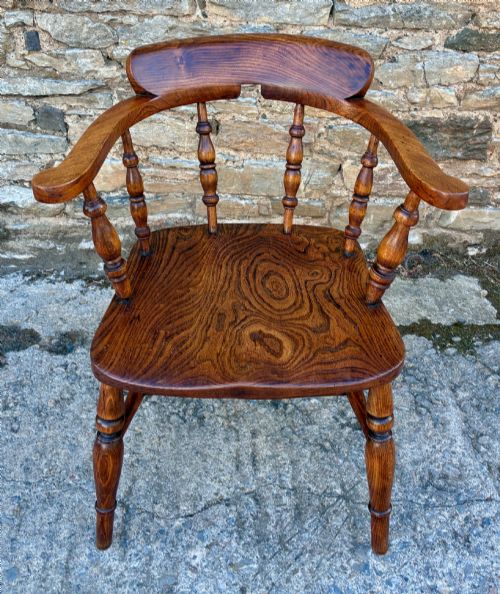
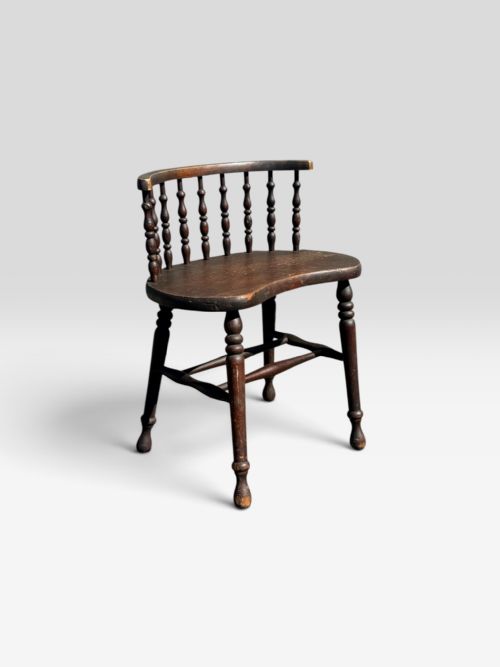
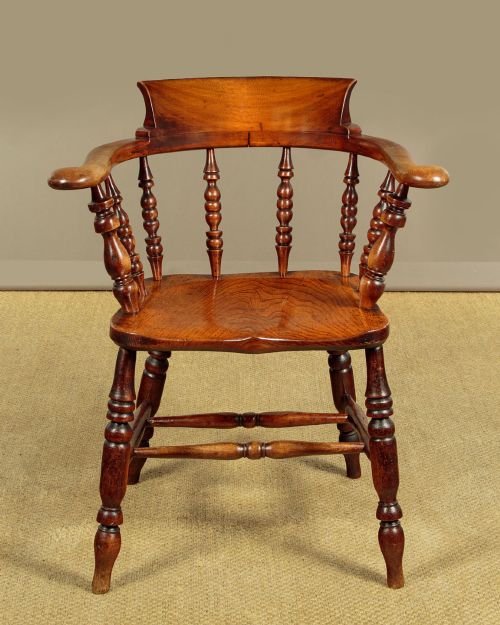
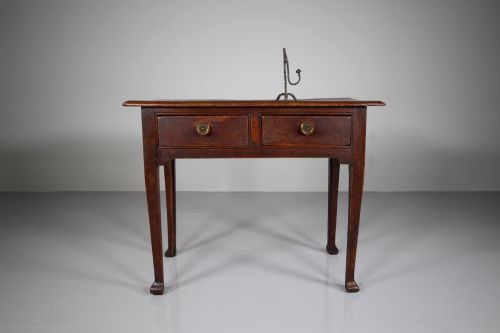
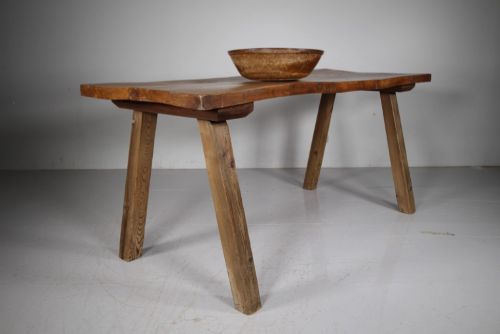
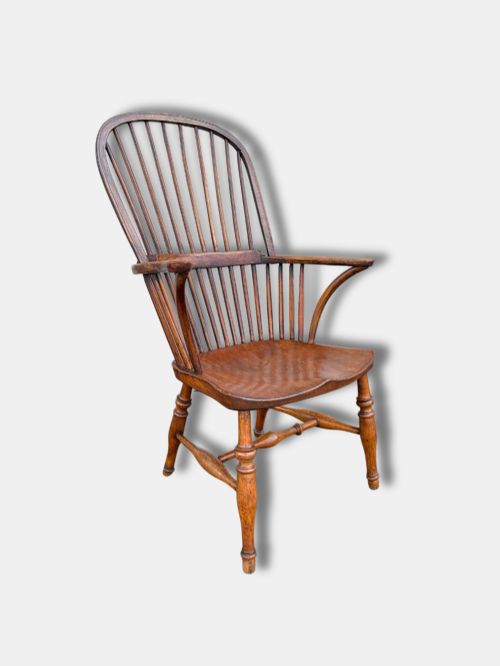
When searching for a brown elm desk, buyers encounter a selection spanning the eighteenth and nineteenth centuries, featuring regional furniture forms constructed for domestic and office use. The listings on this page lean heavily towards seating such as Windsor armchairs, Captains chairs, and smokers bows alongside occasional desks and tables.
The periods represented stretch from George II kneehole desks to Victorian farmhouse seating, reflecting English country vernacular and Georgian styles. Elm frequently teams up with beech, ash, yew, and fruitwood to create durable items intended for everyday utility.
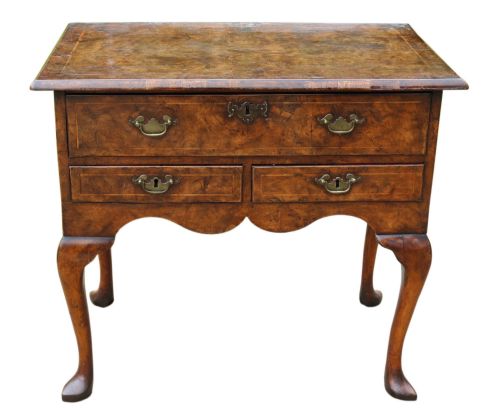
While formal desks appear in burr elm alongside walnut, the majority of the material comprises robust seating designed with curved backs and spindles. These pieces originate from various English counties and Scotland, showing regional variations in turnery and comb backs.
What varies in quality
Quality rests in the selection of the timber, particularly the depth of figure in burr elm panels and the soundness of the solid planks used for seats and tops. Superior examples display balanced proportions, crisp turnery on the spindles and legs, and minimal replacement parts.
Maker marks, regional idiosyncrasies in the comb back or arm design, and the survival of original patination elevate certain pieces above standard utilitarian items. The integration of contrasting woods like yew or fruitwood further distinguishes finer craftsmanship from simpler provincial work.
Listings feature elm combined with beech, ash, yew, and fruitwood across eighteenth and nineteenth-century periods.
J SPENCER
The Brown Elm Desk Glossary
- Windsor chair
- A wooden chair built with a solid sculpted seat into which the legs and back spindles are bored directly. This form developed deep regional variations across England.
- Smokers bow
- A low-backed Windsor armchair with a continuous curved armrail popular in nineteenth-century public houses and parlours. It shares much of its construction with Captains chairs.
- Burr elm
- A woody growth on an elm tree that produces highly figured, swirling grain patterns. Cabinet makers prized this wood for decorative veneers on desks and lowboys.
- Kneehole desk
- A writing table featuring a central recess for the legs flanked by pedestals of small drawers. Georgian examples often showcase figured timber veneers.
- Vernacular
- Furniture made by local tradesmen using regional traditions and readily available native woods rather than following strict metropolitan pattern books.
Brown Elm Desk: Frequently Asked Questions
What is a brown elm desk?
A brown elm desk is a writing table constructed using native elm timber, often featuring burr veneers and multiple drawers arranged around a central kneehole.
Such pieces date primarily from the Georgian and Victorian periods, showcasing traditional joinery and durable regional construction.
How were Windsor chairs made?
Windsor chairs were constructed by boring holes directly into a thick, solid wooden seat to insert turned legs and back spindles.
Craftsmen used steam-bending techniques for the bows and shaped elm, ash, and beech to create sturdy seating.
How do I care for elm furniture?
Elm furniture benefits from placement away from direct heat sources and sudden humidity changes to prevent the timber from splitting.
Routine dusting and occasional application of appropriate natural wax help maintain the lustre of the wood surface.
How can I tell the period?
Dating relies on observing construction details, tool marks, timber selection, and overall stylistic traits characteristic of Georgian or Victorian design.
Comparing the turnery style and joining methods against documented examples provides a reliable guide to age.