

Brown Earthenware Pottery
Brown earthenware pottery brings warmth and deep historical texture to a room through centuries of utilitarian and decorative forms.
Brown Earthenware Pottery
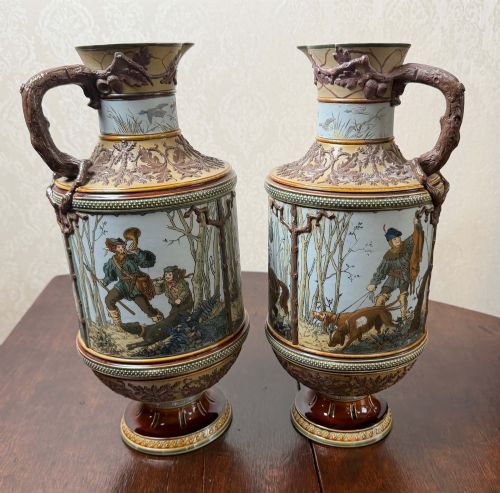
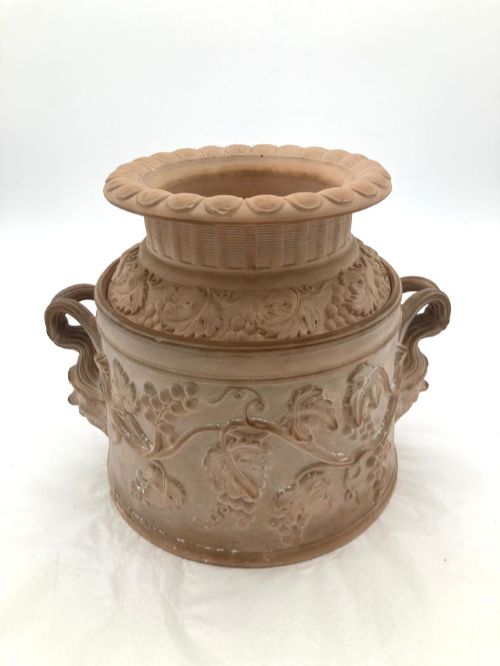
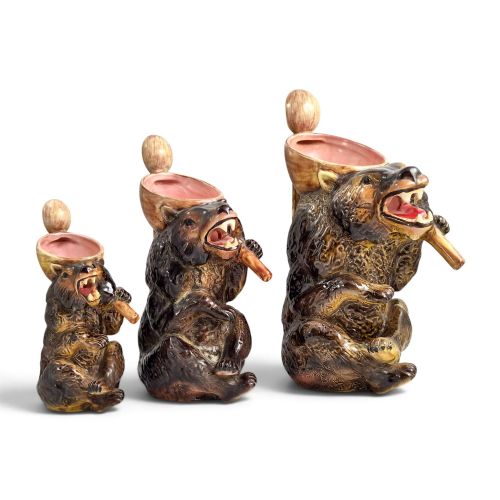
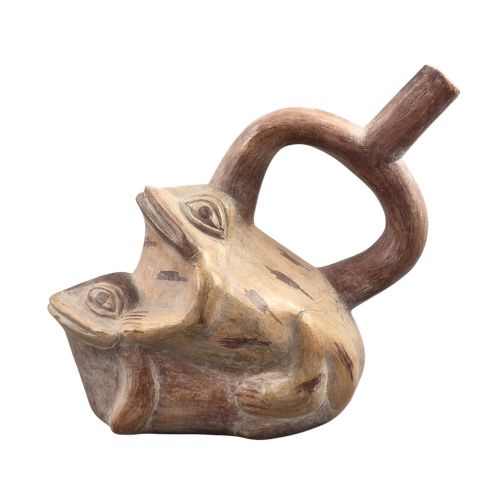
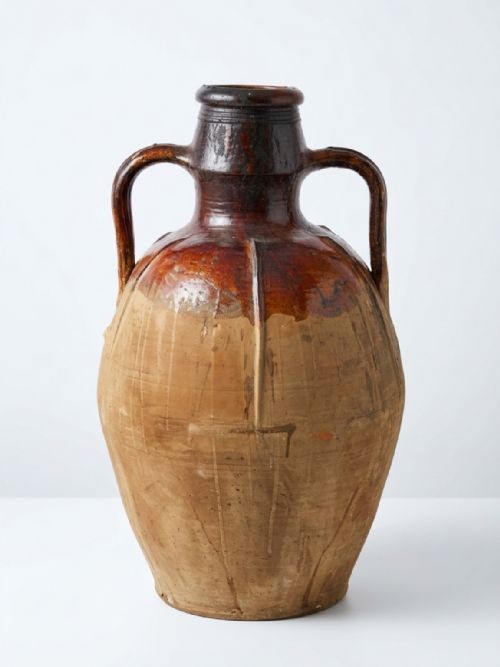
Brown earthenware pottery encompasses a diverse selection of utilitarian vessels, decorative figures, and architectural pieces originating from varied global traditions and eras. When exploring brown earthenware pottery, collectors encounter nineteenth-century dairy bowls, majolica animal jugs, and ancient terracotta vessels spanning several millennia.
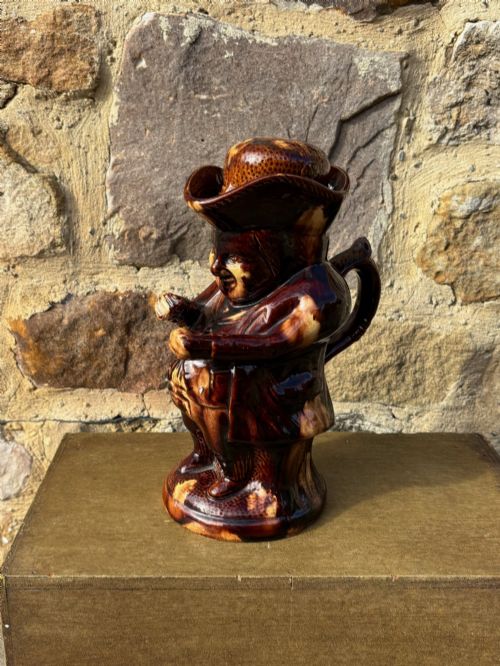
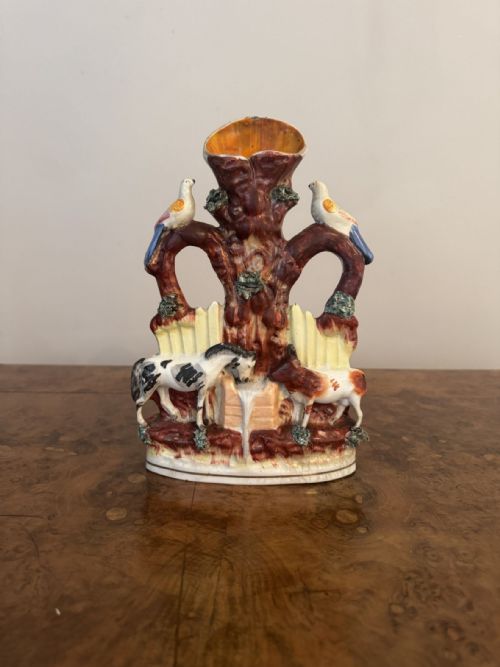
The objects on this page range from domestic Staffordshire figures and slipware bowls to large Italian terracotta wine jars and Chinese amphorae. Victorian country wares and art pottery feature prominently alongside earlier examples, demonstrating the enduring utility of iron-rich clay.
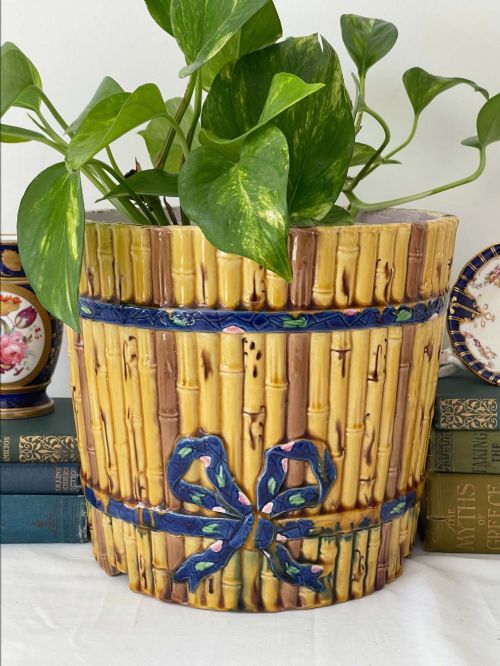
Vessels take many shapes, including teapots, flagons, jardiniere planters, and spill vases shaped as animals. Each piece reflects the specific regional kiln practices and domestic or ritual functions of its period.
How they were made
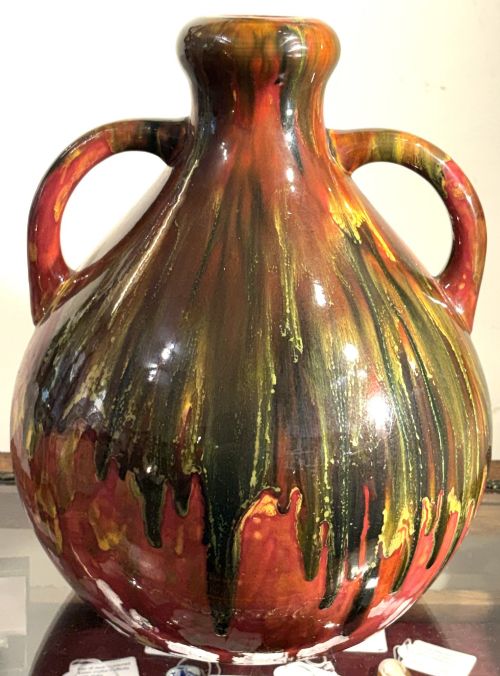
Potters utilised native iron-bearing clays, shaping them on wheels or moulding them by hand before applying lead glazes, salt glazes, or enamel finishes. The interaction between the metallic oxides in the clay body and the fluid glaze produces the characteristic rich amber, treacle, and deep brown surfaces.
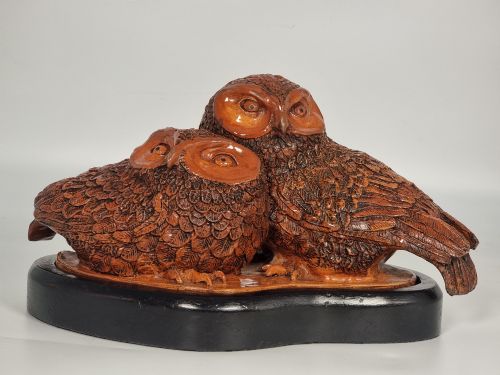
Many items display applied ornamentation, slip trailing, or hand-sculpted details such as foliage, figures, and animals. Subsequent kiln firings fused the vitreous coatings to the porous earthenware or denser stoneware bodies, sealing the vessel for storage or display.
Brown Earthenware Pottery Retail Price Guide 2026
Typical asking prices for brown earthenware pottery among the pieces listed under this phrase on Sellingantiques today, from the lower quarter to the upper quarter. They describe what is for sale here now, not the wider market.
Listings feature earthenware alongside stoneware, terracotta, and ceramic bodies spanning from ancient pre-historic cultures to the twentieth century.
What varies in quality
Quality in these ceramics depends upon the crispness of the modelling, the control demonstrated during the glaze firing, and the sophistication of the decorative execution. Pieces with deeply saturated lead glazes or carefully hand-modelled relief work display a greater artistic ambition than routine utilitarian production.
The survival of original surface patination and the integrity of applied decorative elements distinguish exceptional examples from standard wares. Master potters working within established factories or regional potteries achieved a harmonious balance between form and tactile glaze depth.
Royal Doulton·Burmantofts·Seaton Pottery·Doulton Lambeth·Minton
The Brown Earthenware Pottery Glossary
- Slipware
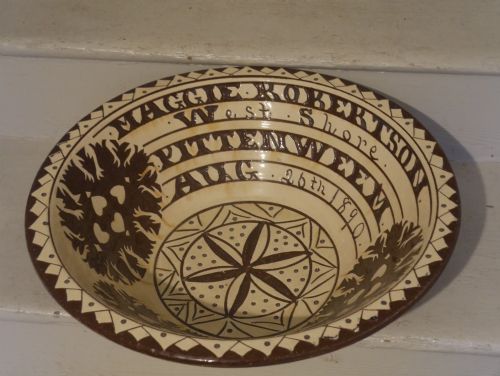
- Pottery decorated with a thin mixture of clay and water applied before firing, often producing contrasting linear patterns. This technique dates back centuries and remains popular in traditional country wares.
- Majolica
- A type of earthenware coated with an opaque tin-lead glaze and painted with metallic oxide colours. Victorian versions often feature vibrant naturalistic designs and animal forms.
- Terracotta
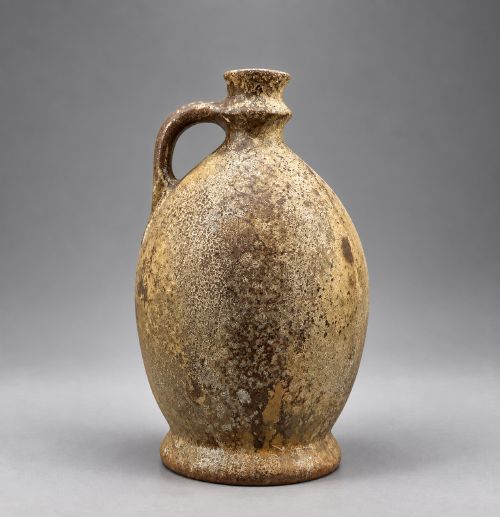
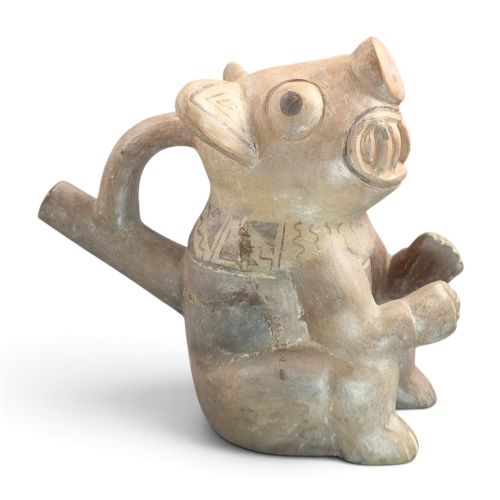
- Unglazed or glazed fired clay containing high iron content, resulting in a characteristic reddish-brown hue. It serves structural, utilitarian, and sculptural purposes across ancient and modern civilisations.
- Salt glaze
- A glassy, slightly textured finish achieved by throwing common salt into the kiln during high-temperature firing. The sodium reacts with the silica in the clay body to form a durable coating.
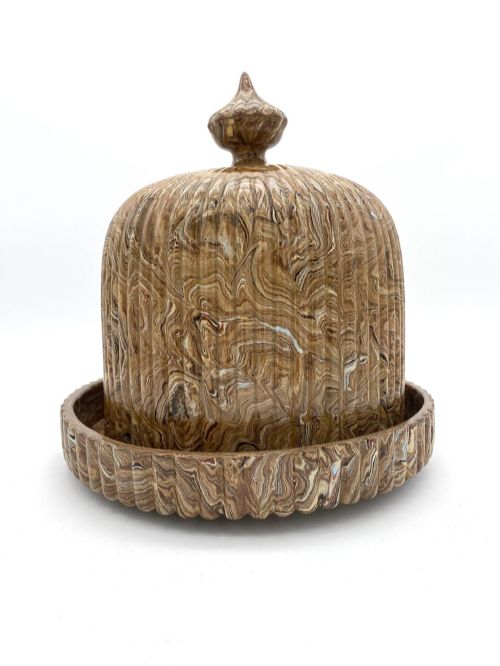
- Agateware
- Pottery made by blending different coloured clays to produce a mottled, stone-like grain pattern resembling natural agate. The technique requires careful preparation to prevent warping during kiln firing.
Brown Earthenware Pottery: Frequently Asked Questions
How were slipware bowls used?
Slipware bowls served primarily for food preparation and communal dining in domestic rural households. Their robust construction allowed daily handling in busy dairies and kitchens.
Over time, exposure to acidic foods and frequent washing created natural wear patterns across the interior slip decoration. Today, collectors value these items for their honest utility and tactile connection to rural life.
What is a majolica animal jug?
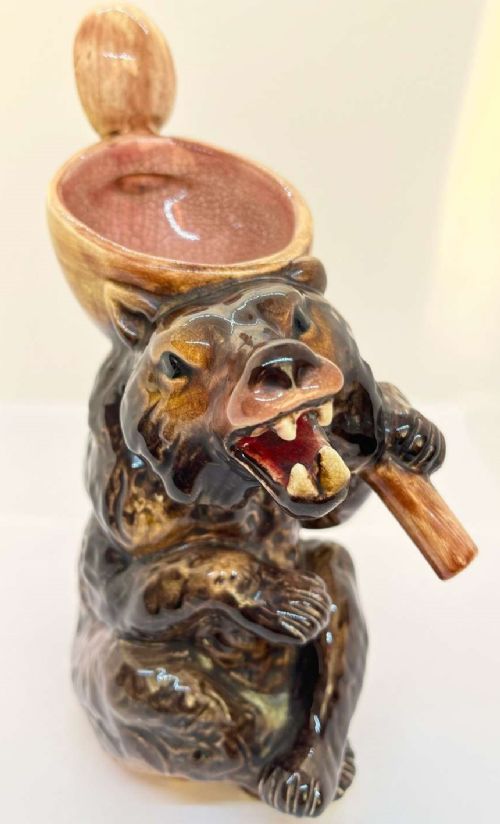
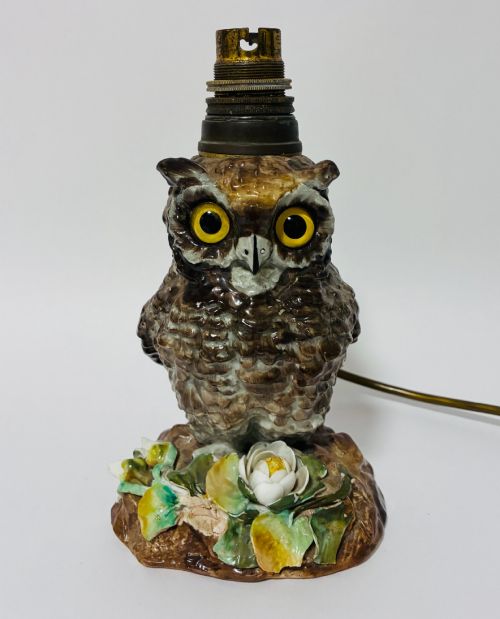
Majolica animal jugs are Victorian ceramic vessels shaped as bears, owls, or other creatures with brightly coloured lead glazes. They combined humorous domestic sculpture with practical pouring functions for ale and other beverages.
The sculptural modelling reflects nineteenth-century interests in naturalism and novelty tableware. Artisans painted each piece by hand before a final gloss firing to accentuate the fur and feather textures.
How do I care for terracotta vessels?
Terracotta requires gentle handling due to the porous nature of the fired clay body. Keeping pieces away from damp environments prevents moisture absorption and subsequent mineral salt deposition.
Cleaning should involve only a dry or barely damp cloth to preserve any historic surface patination. Placing them on stable surfaces prevents accidental chips to delicate rims and handles.
Can I date a piece by its glaze?
Glaze chemistry and application methods evolved significantly between the seventeenth and twentieth centuries. Early periods relied heavily on simple lead glazes, while later Victorian makers introduced complex coloured tin-lead formulations.
Examining the depth, craze lines, and interaction with the underlying clay reveals manufacturing techniques specific to particular eras. Comparing surface characteristics with documented factory examples helps establish an approximate date of origin.