



Brown Earth Tone Painting
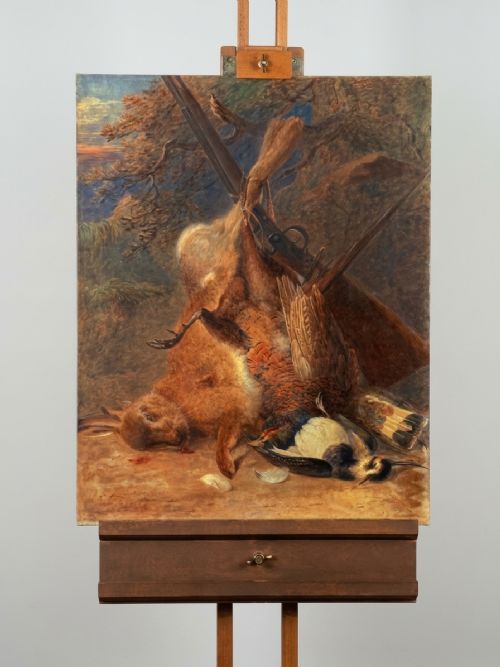
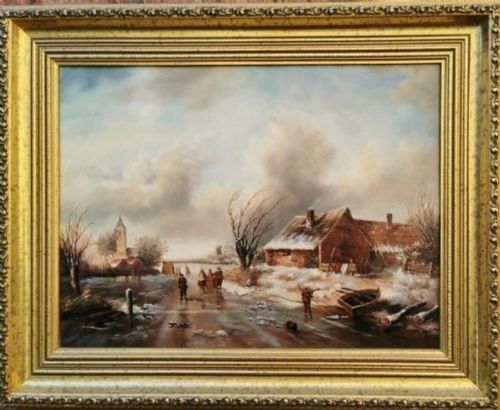
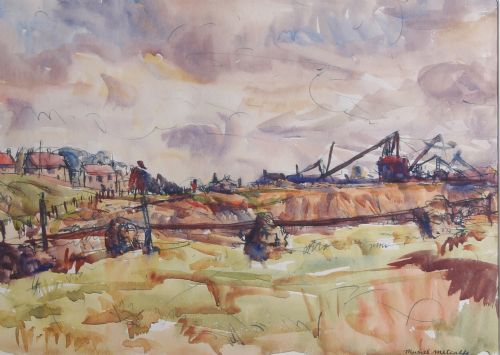
Brown earth tone painting pieces capture subdued British and Spanish landscapes and intimate genre scenes through historic watercolours and oils.
What these brown earth tone painting works are
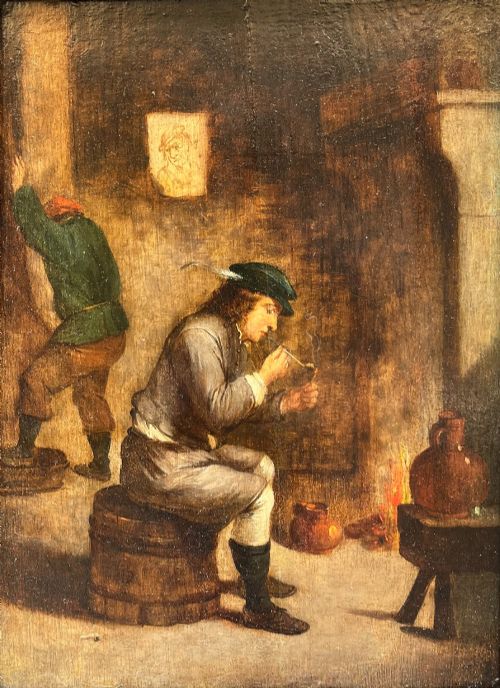
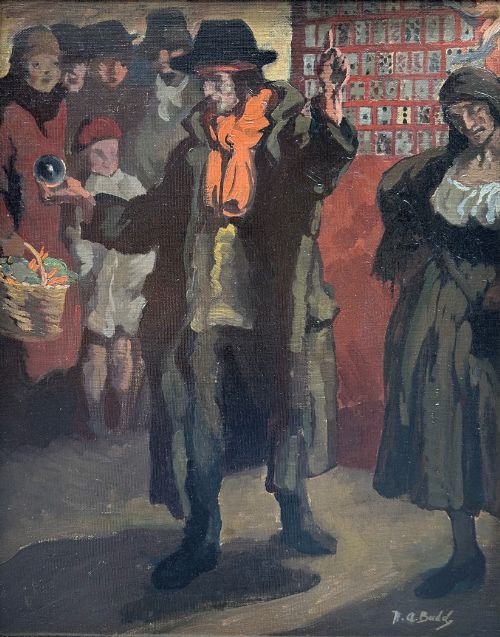
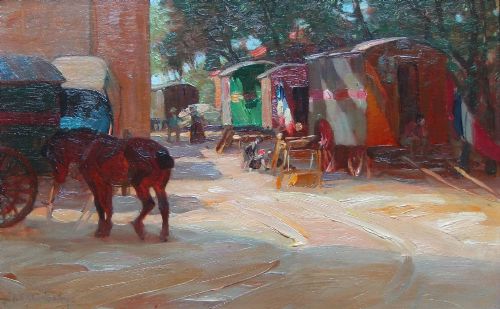
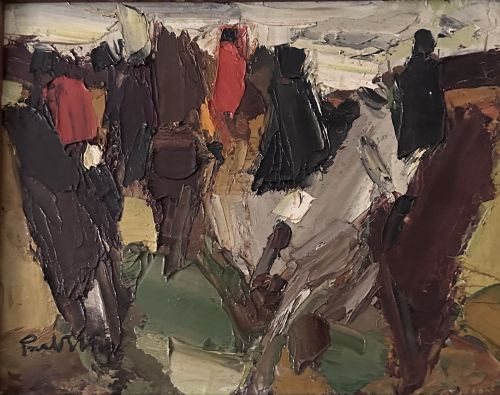
When you search for brown earth tone painting, you encounter original watercolours, oils on canvas, and graphite works dating from the eighteenth century to the mid twentieth century. These pieces span British Impressionism, Victorian Realism, Modern British, and Spanish Baroque styles.
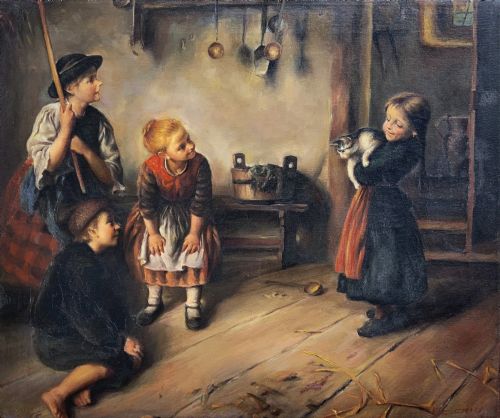
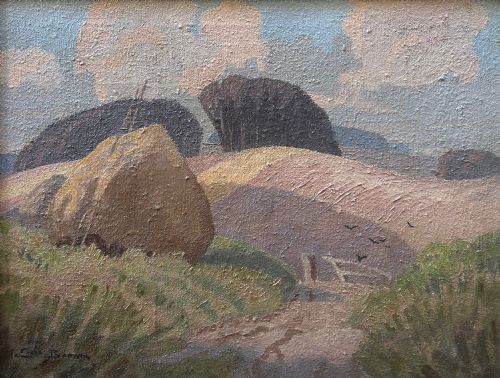
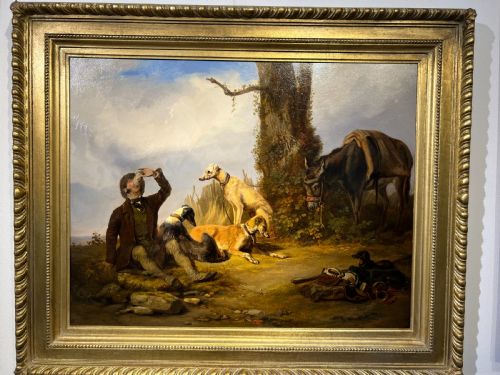
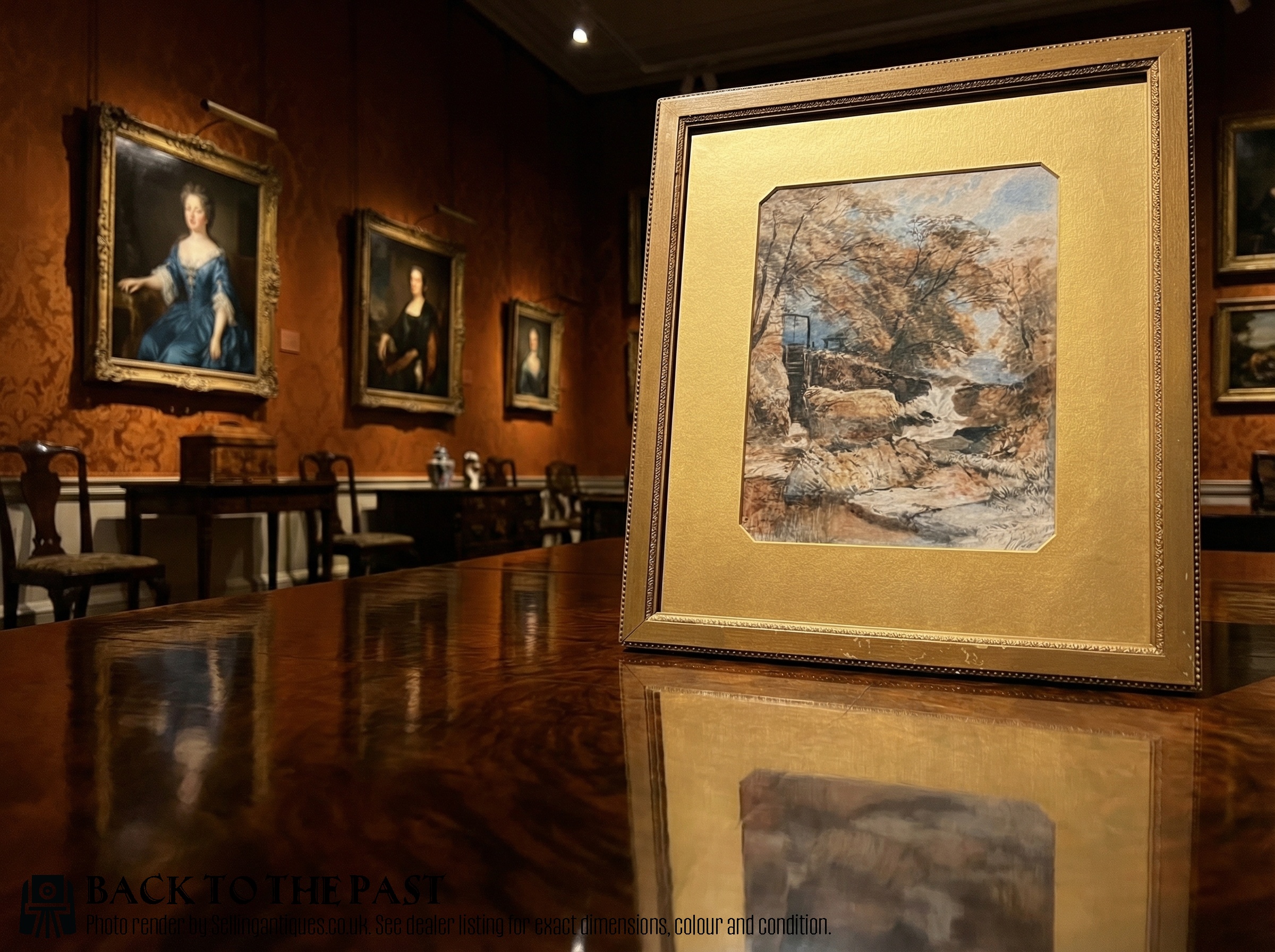
The selection here includes landscapes by notable artists such as John Syer and Herbert Royle, alongside genre scenes and historical architectural views. You meet watercolours on paper and oil paintings set within gilt wood frames.
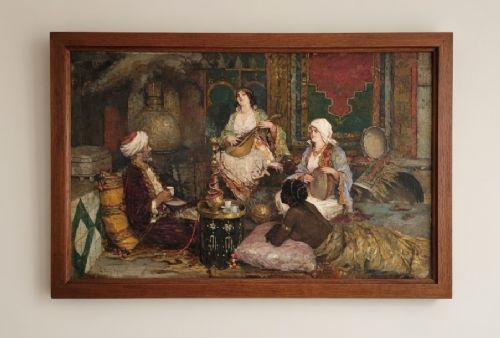
Subjects range from Welsh and northern English riversides to pastoral hayricks and figurative interior studies. Each piece reflects the specific palette and medium preferences of its period.
Materials and technique
Artists utilised oil paint on canvas and watercolours applied to paper, often supported by graphite underdrawings. These traditional media allowed for varied layering and tonal depth.
Many of the historical works are housed in period gilt wood frames that complement the rich pigments and earthy tones of the compositions.
Retail Price Guide 2026
Typical UK retail prices for brown earth tone painting, calculated from the Sellingantiques database of over a million retail prices indexed since 2003. This retail price guide relies exclusively on Sellingantiques data; no external sources or auction records are used, so the figures do not describe the wider market.
Grandmother is kept perpetually reading by an 1890 oil painter who captured her quiet afternoon concentration.
What separates the fine examples
Quality rests in the surety of the brushwork and the management of tonal values within a restrained palette. The distinction between standard decorative output and a compelling work lies in the artist's command of light across landscapes and interiors.
Condition of the paper or canvas, preservation of the original pigments, and the integrity of the associated gilt wood frames heavily influence the character and standing of each piece.
Muriel Metcalfe·John Syer·Juan Ruiz Soriano·Edwin Ridsdale Tate·John Cuthbert Salmon·Ralph Hedley·Herbert Royle
The Brown Earth Tone Painting Glossary
- Watercolour
- A paint consisting of pigment suspended in a water-soluble binder, traditionally applied to paper to create luminous transparent washes.
- Oil on Canvas
- A painting medium using pigments bound in a drying oil, applied to a stretched woven fabric surface that offers durability and rich texture.
- Gilt Wood
- Timber decorated with a thin layer of gold leaf or gold paint, frequently used for traditional picture frames during the eighteenth and nineteenth centuries.
- Genre
- A style of painting depicting scenes from ordinary life, often involving figures in domestic or rural settings rather than grand historical or mythological subjects.
Frequently Asked Questions
What periods do these paintings cover?
The selection spans from the eighteenth century through the nineteenth century and into the early decades of the twentieth century. You find examples representing Victorian Realism and British Impressionism.
Each period brings distinct subject matter, ranging from formal religious compositions to plein air rural landscapes.
How should I care for historic watercolours?
Watercolours on paper require protection from direct sunlight to prevent the fading of delicate pigments. Framing behind conservation glass helps block ultraviolet rays.
Keep them in rooms with stable humidity levels to avoid paper distortion and mould growth over time.
Are these paintings supplied in frames?
Many pieces come housed in their period gilt wood frames, which complement the historic nature of the artwork. The framing style often corresponds directly to the era of creation.
Check individual item details to confirm whether a specific frame accompanies the canvas or paper.
How do I distinguish between oil and watercolour?
Oil paintings utilise heavy pigments bound in oil on canvas, presenting a textured and light-reflecting surface. Watercolours employ translucent washes on paper beneath glass protection.
The visual weight and surface reflection instantly set the two media apart.