


Brown Cow Painting
A brown cow painting captures the pastoral charm of rural life, offering collectors a rich slice of agricultural heritage through traditional portraiture.
Brown Cow Painting
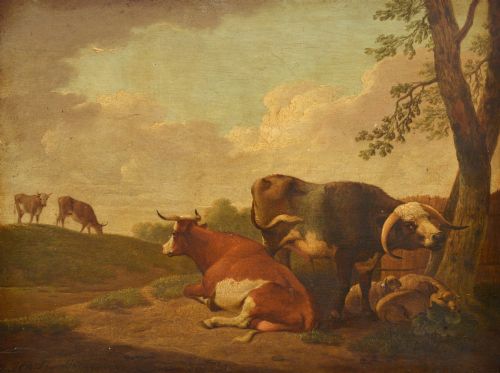
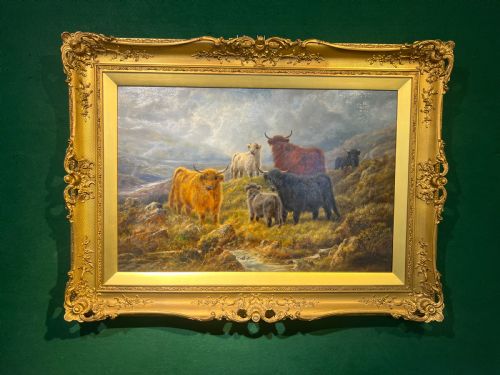
A brown cow painting depicts cattle within landscapes, farmyards, or Highland scenes, capturing the rural idyll that appealed to 18th-century, Victorian, and Edwardian patrons. The most common version met on this page is the oil painting on canvas, often housed in a giltwood frame, dating from the Victorian period through to the early 20th century.
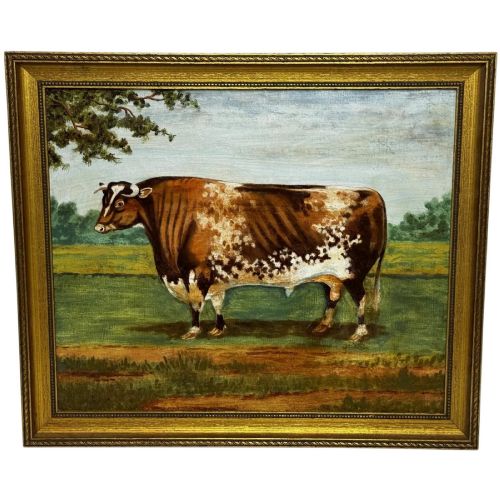
These works range from naive farmyard depictions to skilled pastoral realism and British Impressionism. Subjects span from prize-winning shorthorn bulls and recumbent Hereford cows to herds gathered by streams or driven through Highland mists.
How they were made
Artists worked primarily in oil paint on canvas or watercolour on paper, building depth through layered pigments to render the texture of hides and the atmospheric light of Scottish lochs and English pastures. Support frames often utilised wood, gesso, and gilt to create ornate giltwood surrounds that complemented the domestic interiors of the era.
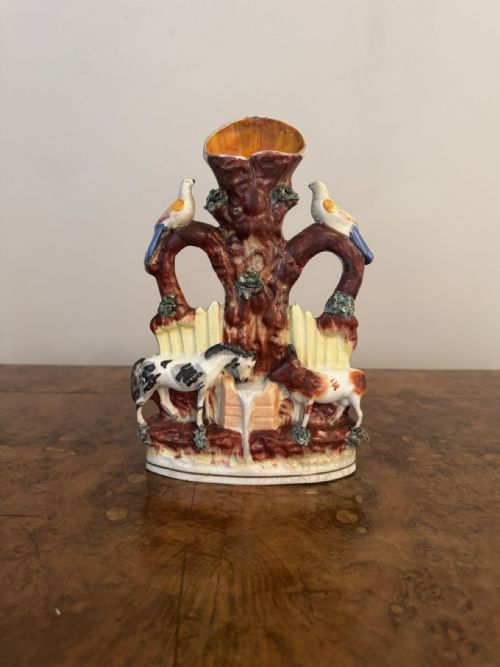
Watercolour pieces frequently employed delicate washes on paper, sometimes mounted in burr frames, while ceramic pieces such as Staffordshire figures and porcelain vases utilised moulded clay and hand-painted glazes to portray cattle in three dimensions.
Even a humble ceramic jug can find itself sharing space with prize shorthorns when cow parsley blooms.
What varies in quality
The anatomical accuracy and individual characterisation of the cattle separate standard decorative works from superior artistic achievements. Master artists convey the heavy bone structure, muscle tone, and distinct expressions of prized livestock with convincing weight and presence.
The handling of the surrounding landscape and atmospheric light dictates the overall artistic merit. Weaker works present formulaic backgrounds, whereas accomplished paintings integrate the animal into a coherent pastoral scene with nuanced handling of water, sky, and foliage.
Hendrik Willem Schweickhardt·Robert Watson·Henry Robinson Hall·Thomas Sydney Cooper·John W Morris·Gustave De Brianski·Frederick William Jackson·Charles Jones·Owen Bowen·William Huggins
The Brown Cow Painting Glossary
- Oil on Canvas
- A traditional painting medium where pigments bound in drying oil are applied to a stretched fabric support. This combination allows for rich colour blending and textured brushwork.
- Giltwood Frame
- A wooden picture frame coated with a thin layer of gold leaf or gilt powder, often applied over a prepared gesso base. These frames enhance the visual prominence of 19th-century fine art.
- Pastoral Realism
- An artistic style focusing on the realistic depiction of rural life, agriculture, and farm animals. It reflects a romanticised yet observant approach to the countryside.
- Watercolour Painting
- A method where paints are made of pigments suspended in a water-based solution on paper. It creates luminous, transparent washes favoured for delicate landscape and cattle studies.
- Spill Vase
- A hollow ceramic or porcelain vessel designed to hold taper spills for lighting fires. These decorative items often feature bovine or pastoral motifs.
Brown Cow Painting: Frequently Asked Questions
What periods do these paintings date from?
The works span from the 18th century through the Victorian and Edwardian eras, extending into the early 20th century. Most examples cluster around the 19th century.
Collectors encounter various regional schools and academic styles within this broad chronological range, reflecting changing tastes in agricultural portraiture.
How do I identify a Scottish Highland scene?
Scottish Highland scenes typically feature longhorn or Highland cattle set against misty lochs, rugged mountains, or heather-clad glens. Artists used these dramatic backdrops to add atmospheric tension to the composition.
Many of these works date from the late Victorian period, signed by established painters of the British School.
What is the difference between oils and watercolours here?
Oil paintings use heavy, pigmented paint on canvas to build rich textures and deep tones, usually presented in ornate giltwood frames. Watercolours utilise translucent washes on paper for a lighter, more delicate effect.
Both mediums capture rural subjects, but oils dominate the larger framed works while watercolours often appear in smaller, intimate formats.
Were these cows portraits of real animals?
Many Victorian works depicted prize-winning livestock commissioned by proud farmers or estate owners to record specific champion bulls and cows. Titles often name the animal or note its prize-winning status.
Other paintings use cattle as compositional elements to anchor pastoral landscapes rather than serving as individual portraits.