

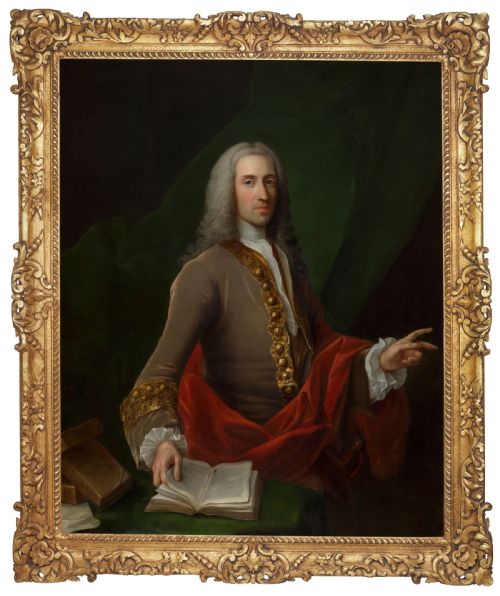
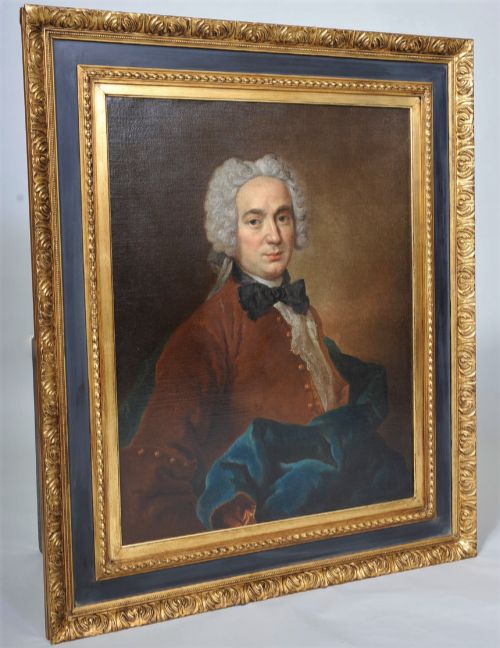
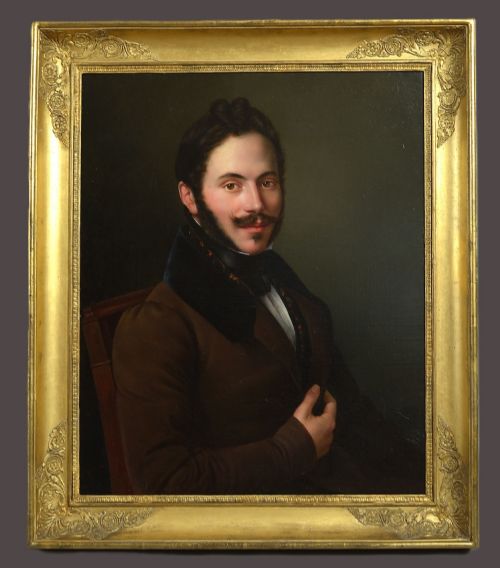
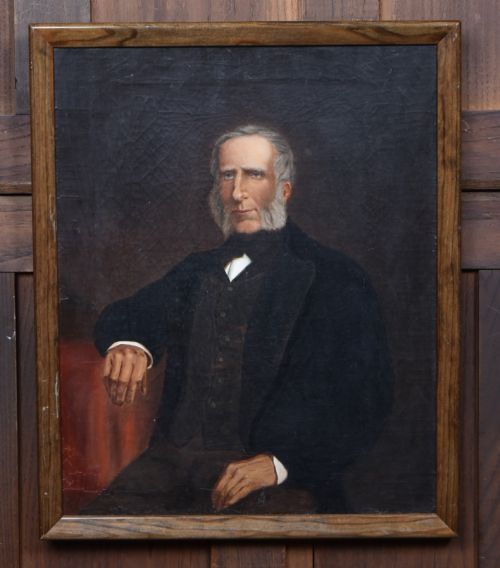
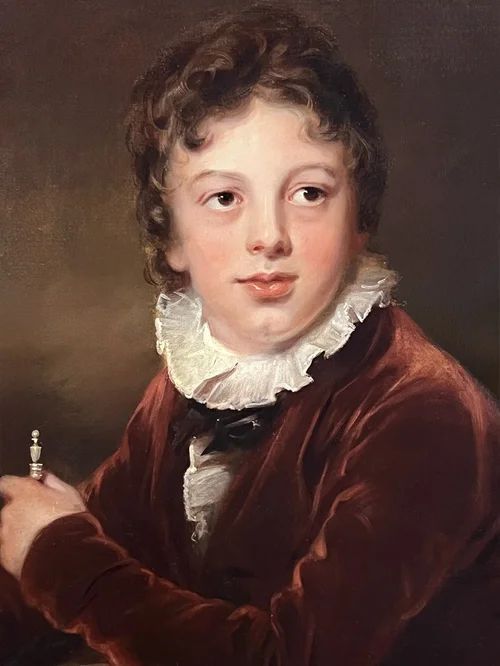
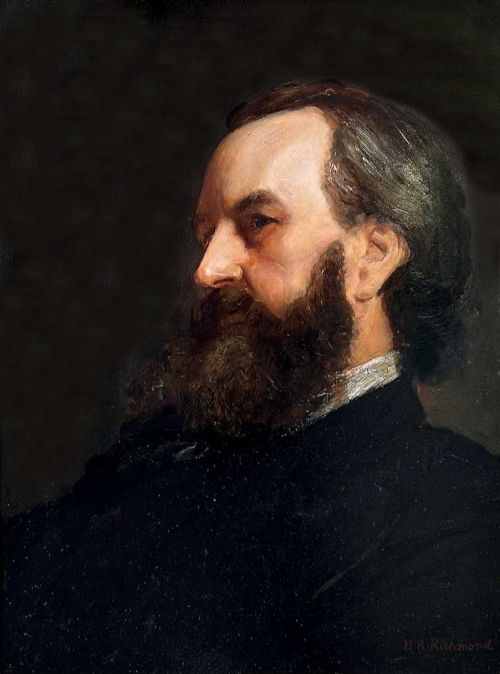


Brown Coat Portrait Painting
A brown coat portrait painting captures the dignified presence of historical figures through centuries of fine canvas work.
Brown Coat Portrait Painting
A brown coat portrait painting presents historical subjects ranging from seventeenth century ministers and eighteenth century merchants to nineteenth century officers, often set against subdued backgrounds. These works depict sitters in distinct attire, capturing the fashion and social standing of their respective eras through formal portraiture.
The selections available here span multiple centuries, incorporating seventeenth century English religious works, Georgian and Regency canvases, and Victorian examples. Buyers will frequently encounter depictions of gentlemen, military figures, and family members rendered in oil on canvas or delicate miniature formats.
How they were made
Artists constructed these works primarily using oil paint applied to woven canvas, supported by traditional wooden stretcher frames. Selected pieces utilise watercolours on paper or miniature formats housed behind protective glass.
Finishing touches often included ornate giltwood frames embellished with gold leaf, which complemented the deep brown tones and dark palettes characteristic of the period's portraiture.
Listings span from the seventeenth century through to the 1920s, featuring oil on canvas, wood, giltwood, gold leaf, and glass.
What varies in quality
The standard of execution depends heavily upon the artist's ability to render facial expression, fabric texture, and lifelike posture within the constraints of a dark palette. Masterful brushwork distinguishes named portraitists from anonymous English or continental school painters.
The preservation of the pigment layer and the original canvas tension greatly influence the overall integrity of the piece over centuries. Original giltwood frames matching the period of the painting also elevate the character of the work.
SIR WILLIAM BEECHEY R.A·JEREMIAH DAVISON·Edouard Pingret·MARGARET SARAH CARPENTER·William Blake Richmond·Richard Cosway RA·Thomas Hudson·Samuel John Egbert Jones·Francis Alleyne·Sir James Guthrie·Sir William John Newton·Lemuel Francis Abbott·Benjamin Marshall·Allan Ramsay·Sir Joshua Reynolds·Sir Godfrey Kneller·Sir William Charles Ross
The Brown Coat Portrait Painting Glossary
- Oil on canvas
- A traditional painting technique where pigments bound in oil are applied to a stretched cloth surface. This combination allows for rich colour blending and lasting durability.
- Miniature painting
- A small-scale portrait executed with meticulous detail, often created on a diminutive panel or ivory surface. These portable works were frequently kept as personal mementoes.
- Giltwood
- Wood that has been coated with a thin layer of gold leaf or metallic powder. It is commonly found on antique picture frames.
- Attributed to
- A term used by experts when a work displays the distinct style of a specific artist but lacks definitive documentation. It denotes a strong stylistic connection without absolute certainty.
- Georgian
- The period spanning the reigns of the first four Georges, characterised by distinct developments in fine art and portraiture. Works from this era often exhibit formal compositions and refined tailoring.
Brown Coat Portrait Painting: Frequently Asked Questions
What subjects appear in these portraits?
The sitters include merchants, ministers, military officers, and family members from various historical periods. Many wear formal attire suited to their social station.
Artists recorded the likenesses of notable historical figures alongside private citizens, preserving their appearance for future generations through oil and canvas.
How should I hang an oil portrait?
These paintings require stable environmental conditions away from direct sunlight and excessive moisture. Proper wall placement protects both the canvas and the original frame.
Securing the heavy wooden frames with appropriate wall fixings ensures the artwork remains safe and correctly displayed in a domestic setting.
How do I identify the period of a painting?
Stylistic clues such as the sitter's clothing, wig style, and facial hair help narrow down the date of execution. Portrait fashion changed steadily across the centuries.
Frame construction, canvas preparation, and any accompanying historical documentation or signatures further assist in determining the correct era.
Are all these portraits painted in oil?
While the majority utilise oil paint on stretched canvas, the selection also includes delicate watercolours and small miniature paintings on specialised surfaces.
Each medium offers a distinct visual texture, from the deep glazes of oil paintings to the fine detail of early watercolour works.