
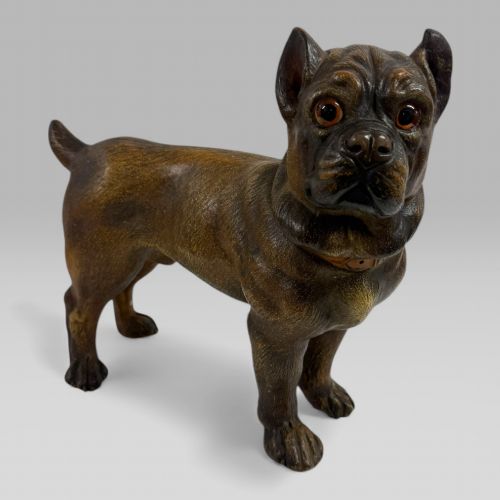


Brown Ceramic Sculpture
Brown ceramic sculpture brings warmth and tactile presence to a room through centuries of modelled clay and terracotta.
Brown Ceramic Sculpture
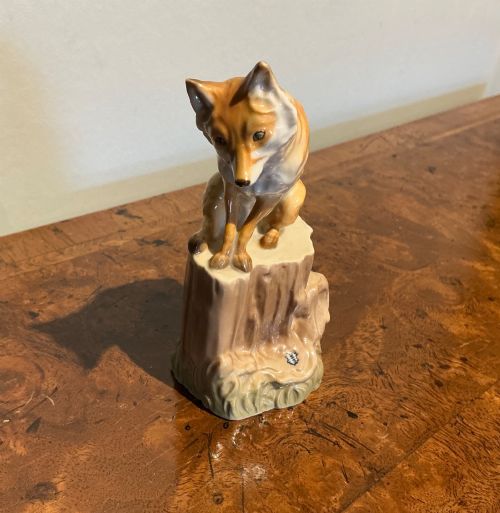
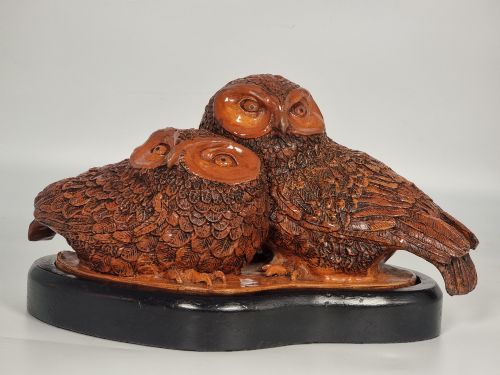
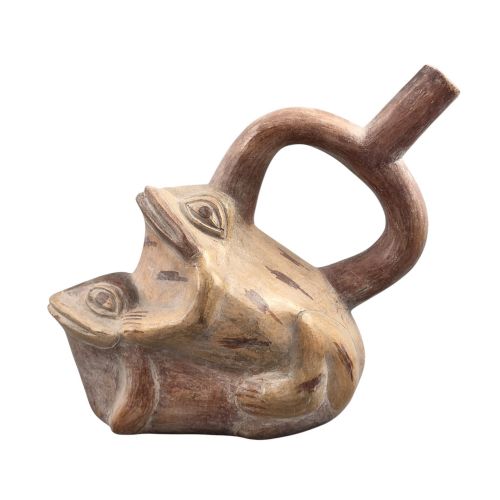
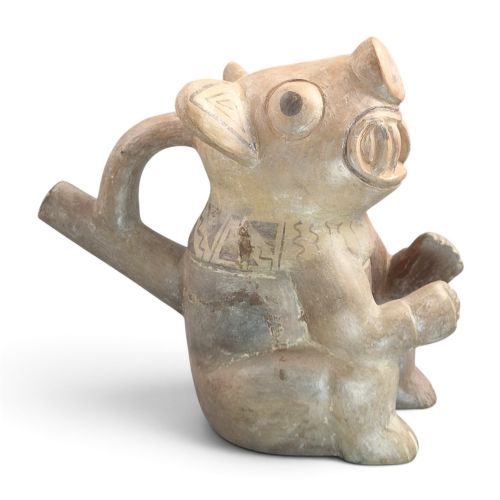
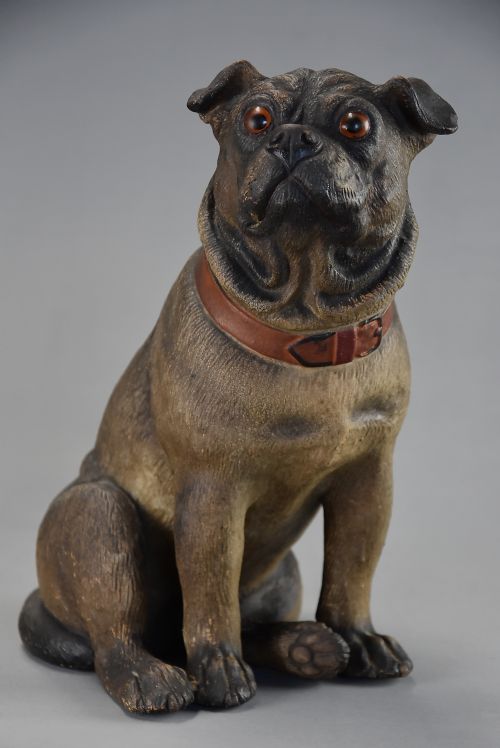
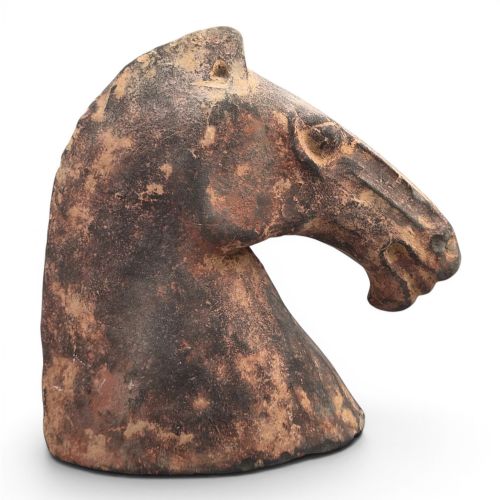
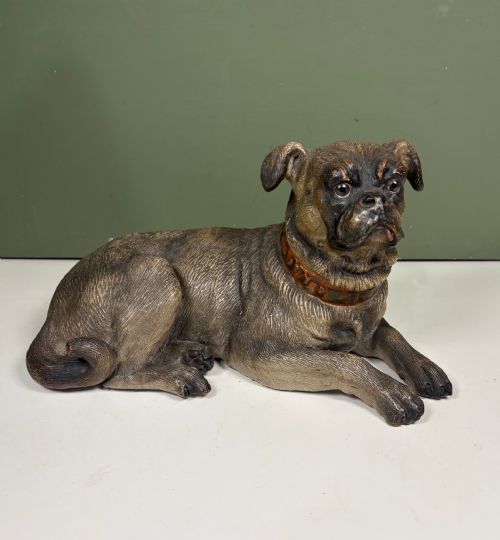
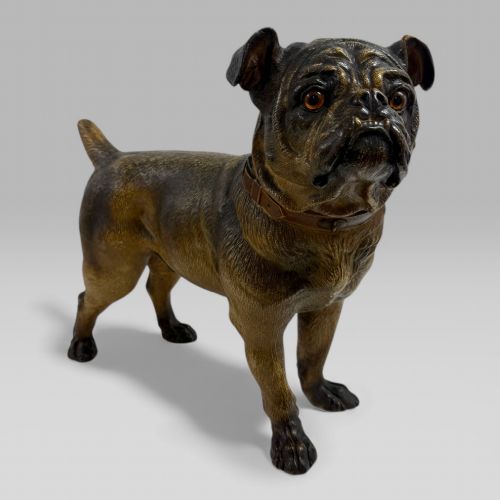
When you search for brown ceramic sculpture, you encounter a diverse array of figural works spanning multiple centuries and continents, from ancient vessels to European portrait busts. The selection relies heavily on nineteenth and early twentieth-century European terracotta, alongside ancient Pre-Columbian pottery and Asian wares.
The objects take many forms, including life-size animal figures like pugs and lions, classical maidens, and human busts modelled by notable European foundries. These pieces serve primarily as decorative ornaments, bringing organic earthy tones and detailed hand-sculpted textures into interior spaces.
How they were made
Makers shaped these brown ceramic sculpture pieces using direct hand-modelling or press-moulding in clay and terracotta, often finishing the surfaces with natural pigments, paint, or glazes. Many European works from the Victorian and Art Nouveau periods utilised fired terracotta that was subsequently painted or left with a natural porous finish.
Earlier archaeological items relied on fundamental earthenware techniques, sometimes incorporating mineral pigments or ancient glazes. Foundries and studio potters then fired these materials in kilns to achieve durable figures and vessels.
What varies in quality
Surface finish and patination also dictate standing, with original paint or glaze retaining subtle tonal variations rather than flat, uniform coverage. The reputation of the designer or the specific European foundry involved further elevates the piece.
Gilbert Privat·Georges Morin·Bernard Bloch·A.Gory·Friedrich Goldscheider
The Brown Ceramic Sculpture Glossary
- Terracotta
- A porous, fired clay body ranging in colour from pale buff to deep reddish brown. It serves as the primary medium for many figural sculptures and architectural ornaments.
- Earthenware
- Pottery fired at relatively low temperatures that remains porous unless glazed. This broad category includes much of the historic figural work found here.
- Bocage
- An ornamental background of carved or modelled foliage applied to porcelain and pottery figures. It frequently frames eighteenth and nineteenth-century ceramic animals and pastoral groups.
- Mingqi
- Chinese spirit or tomb artefacts placed in burials to serve the deceased in the afterlife. Examples include terracotta horse heads and dynastic figures.
- Glaze
- A vitreous coating fused to a ceramic body by firing to colour, decorate, or waterproof the piece. It ranges from a high-gloss finish to matte earthy surfaces.
Brown Ceramic Sculpture: Frequently Asked Questions
How do I clean terracotta sculpture?
Dust terracotta sculptures gently with a dry, soft-bristled brush to prevent dirt from settling into the porous clay pores.
Avoid using water or chemical cleaners on unglazed surfaces, as moisture can penetrate the body and cause permanent staining or structural damage.
Where should I display these figures?
Place heavier terracotta busts and animal figures on sturdy, level surfaces away from high-traffic walkways to prevent accidental tipping.
Keep the pieces out of direct sunlight and away from damp areas to protect any historical painted finishes or natural clay bodies.
How do I identify the period?
Examine the base and surface for maker marks, signatures, or foundry stamps that link the piece to known European makers and active dates.
Stylistic indicators such as Art Nouveau curves or Victorian realism also help narrow down the manufacturing era of each sculpture.
Are these figures waterproof?
Most historic terracotta and earthenware pieces are porous and will absorb water if left in damp conditions or used as planters.
Display them strictly indoors in dry environments unless the listing specifically notes a fully vitrified, glazed ceramic body.