


Brown Ceramic Pot
These brown ceramic pot selections span centuries of utility and display, offering robust earthenware and stoneware forms for the home and garden.
Brown Ceramic Pot
A brown ceramic pot encompasses utilitarian vessels, dairy crocks, salters, storage jars, and decorative garden planters. These pieces emerge from the nineteenth and early twentieth centuries alongside ancient traditions.
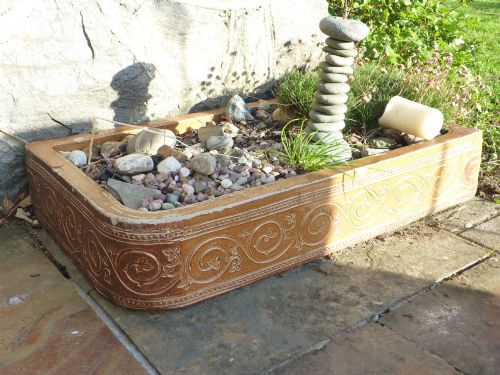
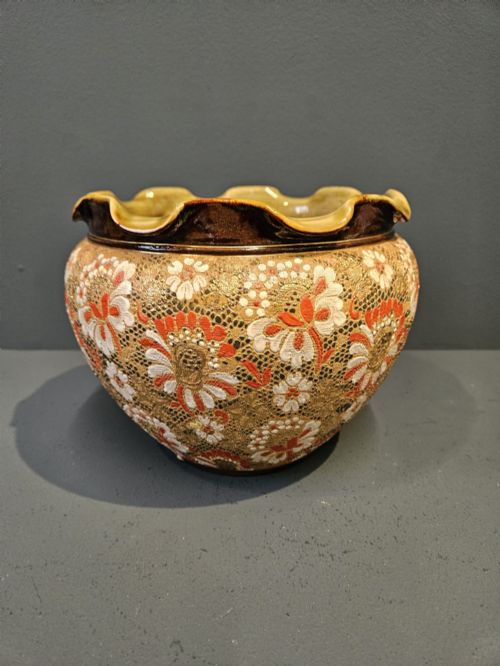
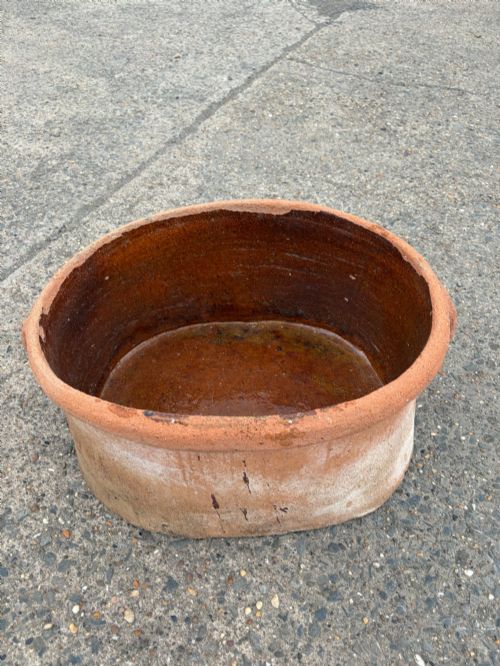
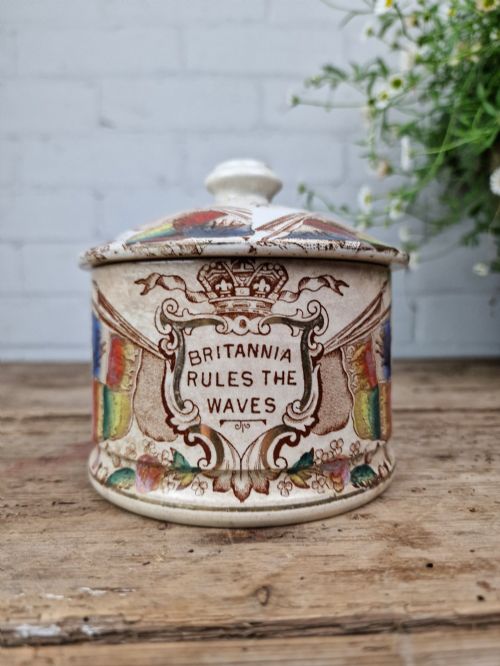
Domestic and horticultural forms dominate the selection, ranging from salt-glazed window planter troughs to large log bins and majolica jardinières. Buyers encounter vessels intended for daily food storage, tea service, and plant display.
Origins stretch across British, French, and Mediterranean workshops, encompassing regional earthenwares and London salt-glazed productions. Each form reflects the specific domestic or agricultural demand of its period.
Materials and construction
Potters utilised native clays, terracotta, earthenware, and heavy stoneware to shape these vessels on the wheel or press them into moulds. Salt glazing created durable, vitreous surfaces suited to holding liquids and damp earth.
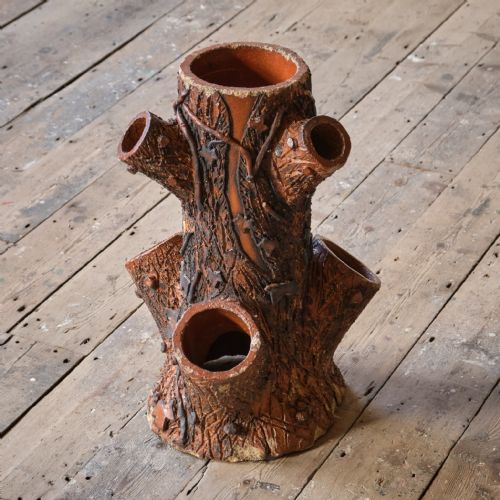
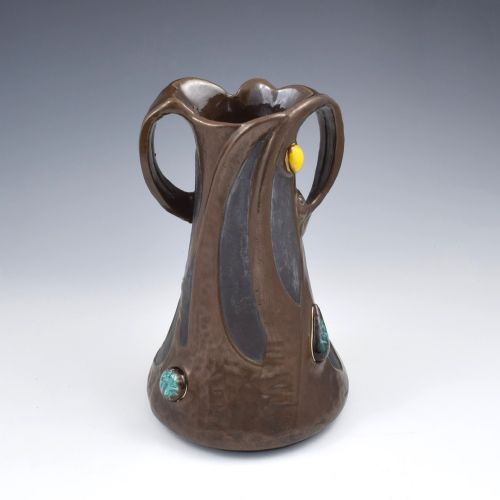
Moulded ornamentation, applied slip, and majolica glazes introduced rich copper, brown, and ochre tones to the surfaces. Faux bois finishes imitated natural wood grain, while copper effects and jewelled cabochons embellished late nineteenth-century vases.
Listings feature nineteen-century stoneware and earthenware forms, including Doulton Lambeth jardinières, French oil jars, and majolica planters.
Judging the range
Depth of glaze coverage and the crispness of moulded detail separate standard utility wares from factory art pottery. Well-defined botanical motifs or animal forms on majolica pieces indicate skilled modelling.
The integrity of the body, free from extensive structural compromise, dictates worth in heavy utilitarian crocks and garden troughs. Maker attributions and specific date marks elevate documented studio productions above unmarked domestic vessels.
Doulton Lambeth·Minton·Bretby Pottery·Linthorpe Pottery·Joseph Holdcroft
The Brown Ceramic Pot Glossary
- Majolica
- A type of earthenware glazed with lead-based colours fired over an opaque tin-white glaze. It produces vibrant green, brown, and purple tones popular during the Victorian era.
- Salt-Glazed Stoneware
- Pottery fired at high temperatures where common salt is thrown into the kiln, producing a hard, impervious surface with a characteristic orange-peel texture. This finish resists moisture and acids.
- Faux Bois
- Decorative technique imitating wood grain in ceramic, concrete, or metal. Victorian gardeners favoured planters moulded to resemble knotted timber and tree bark.
- Jardiniere
- An ornamental pot or stand designed to hold a living plant or floral arrangement. These vessels often sit on interior tables or floor pedestals.
- Terracotta
- Unglazed or glazed fired clay of a brownish-red hue. It remains porous unless treated, making it traditional for garden planters and oil jars.
Brown Ceramic Pot: Frequently Asked Questions
How were brown ceramic pots used historically?
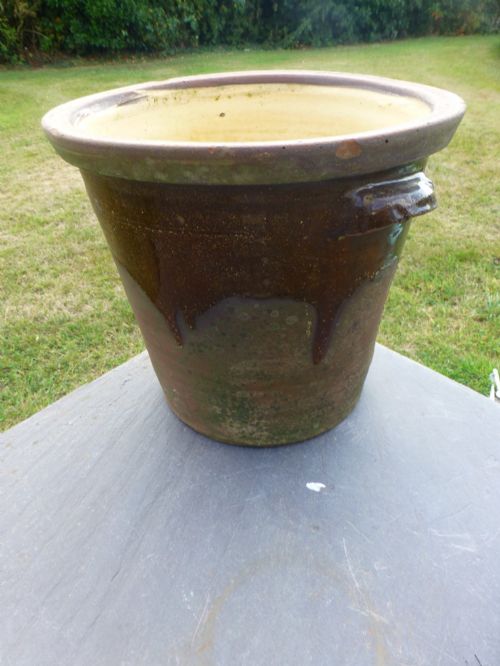
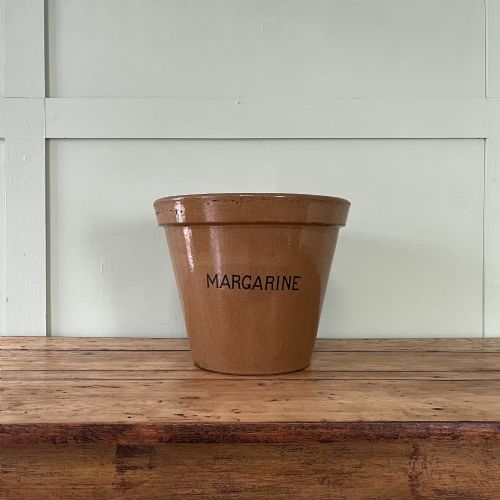
These vessels served practical roles in domestic kitchens, dairies, and apothecaries for storing butter, preserves, and oils. Larger crocks and jars held provisions, while troughs and jardinières accommodated indoor palms and garden flora.
Over time, utilitarian pieces transitioned into decorative interior furnishings as households embraced rustic and naturalistic styles. Horticultural pots remained functional fixtures on country house terraces and in Victorian parlours.
Can I use antique planters outdoors?
Many stoneware and terracotta pieces were built for garden use, but freeze-thaw cycles can damage porous historical earthenware. Stoneware and salt-glazed troughs withstand outdoor conditions better than softer red clays.
Protecting fragile pieces during winter months prevents cracking and preserves the historic glaze. Lining pots appropriately safeguards the original ceramic body from constant moisture.
How do I identify Victorian majolica?
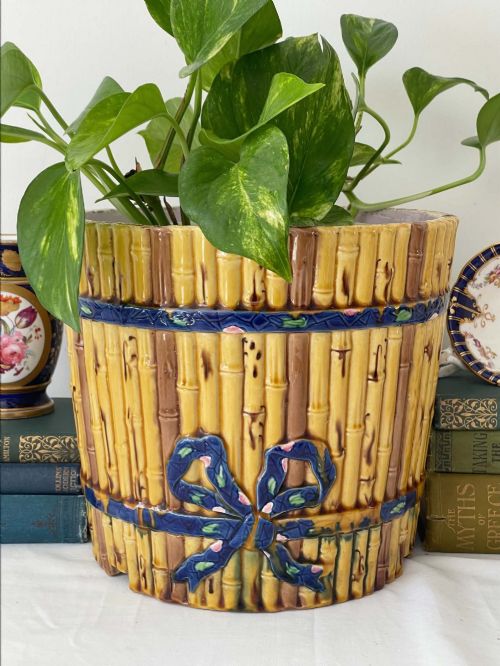
Victorian majolica displays rich, translucent coloured glazes applied over moulded sculptural reliefs, often featuring botanical or animal subjects. Common motifs include bamboo, leaves, and figures modelled in high relief.
Many pieces bear factory stamps or registration diamonds on the underside, though unmarked examples rely on stylistic execution and characteristic weight to confirm their period.
What is salt-glazed stoneware?
Salt-glazed stoneware is created by introducing common salt into the kiln during high-temperature firing, causing a chemical reaction with the silica in the clay. This process forms a dense, glossy, pitted surface resembling an orange peel.
The resulting glaze is impervious to liquids, making these vessels ideal for preserving foodstuffs, brewing beer, and storing oils without requiring internal sealants.