
Brown Carved Writing Table
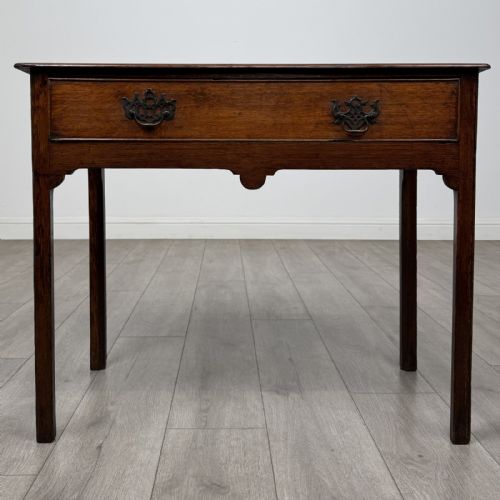
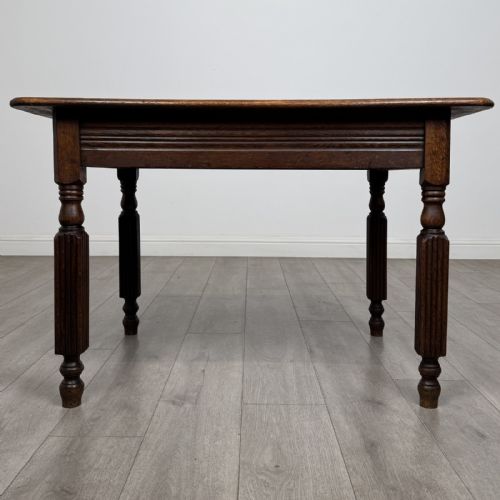
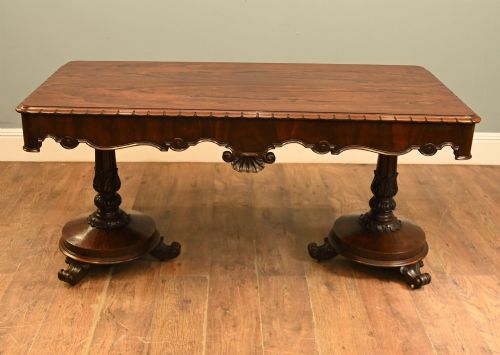
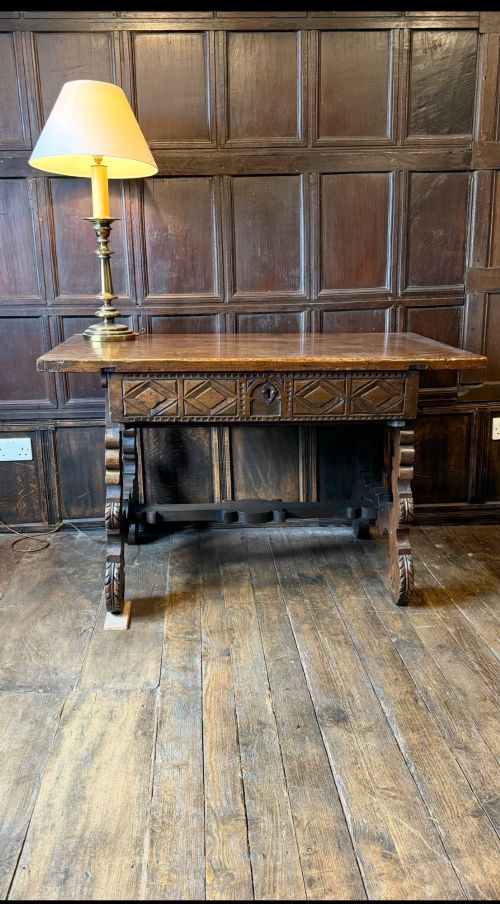
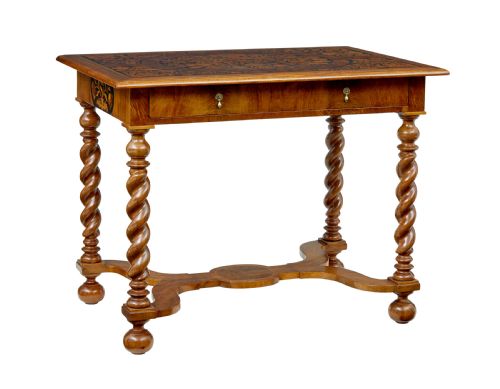
A brown carved writing table brings warmth and utility to a room, offering a solid timber surface shaped by traditional joinery and carved detail.
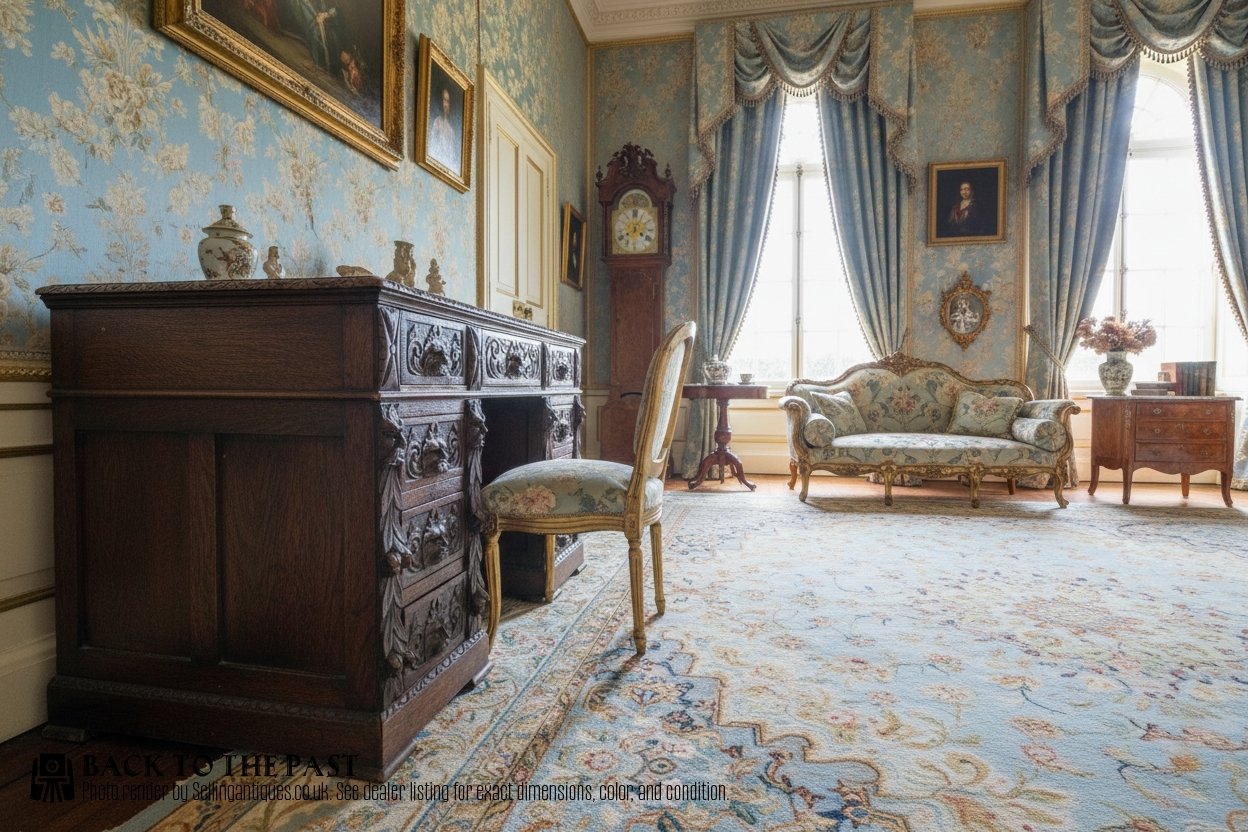
Brown Carved Writing Table
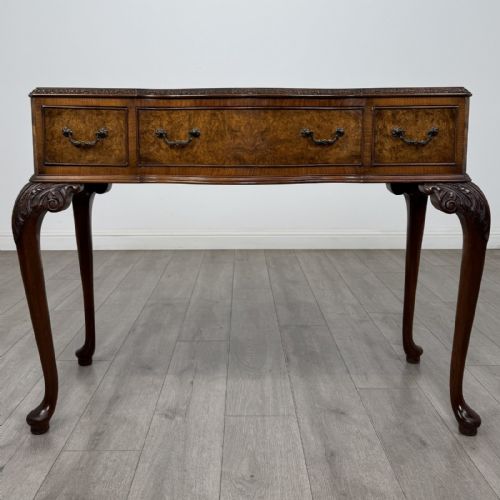
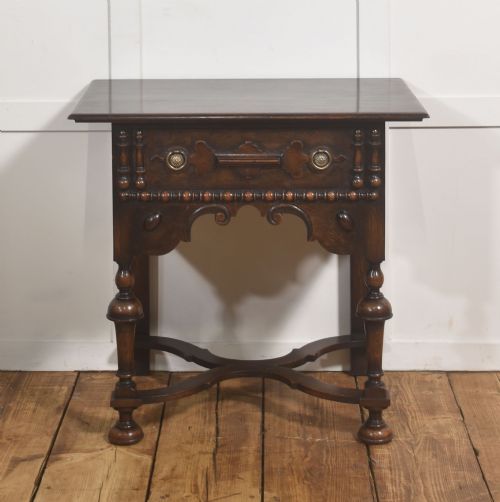
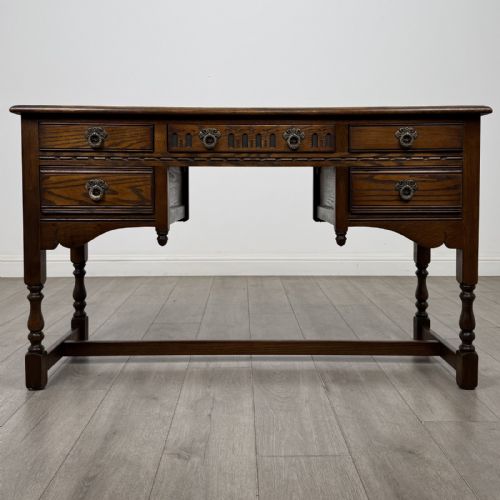
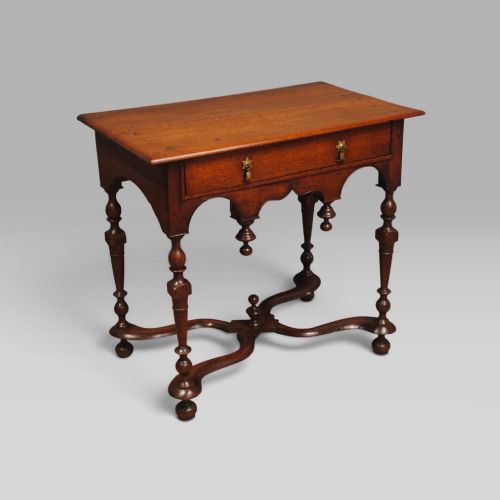
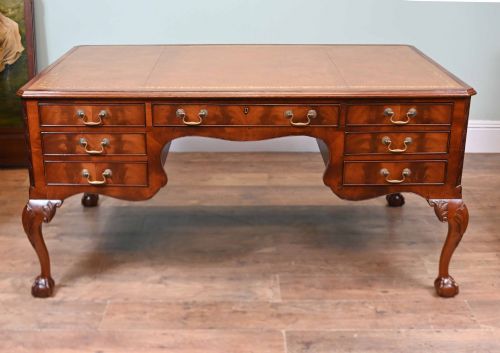
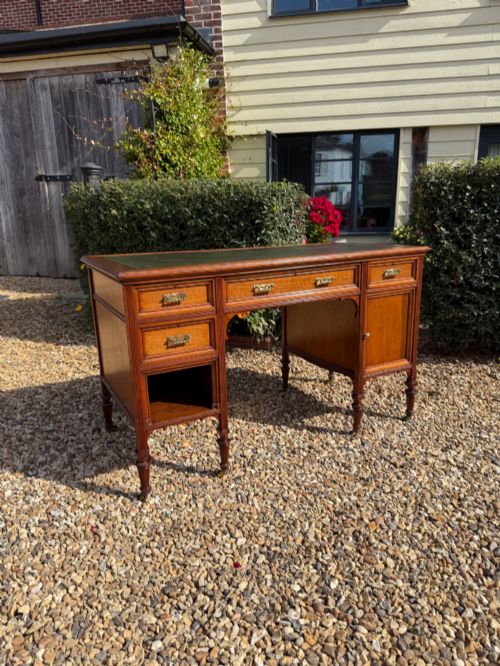
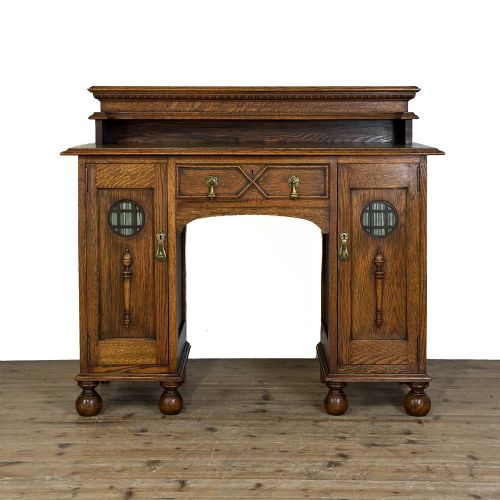
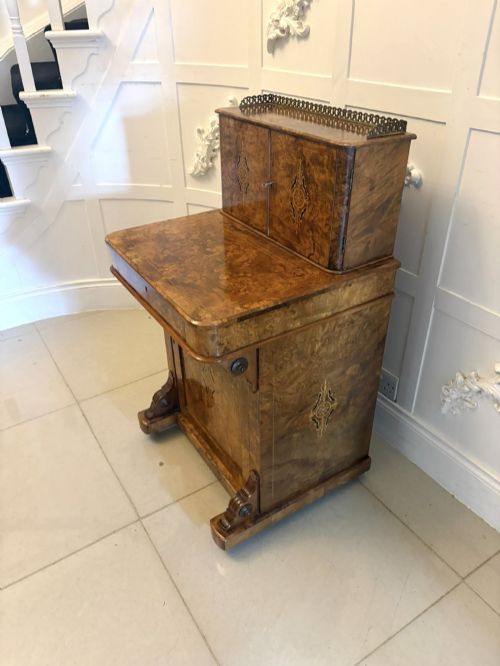
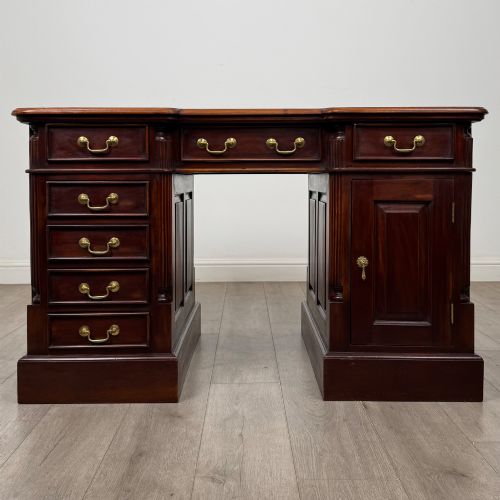
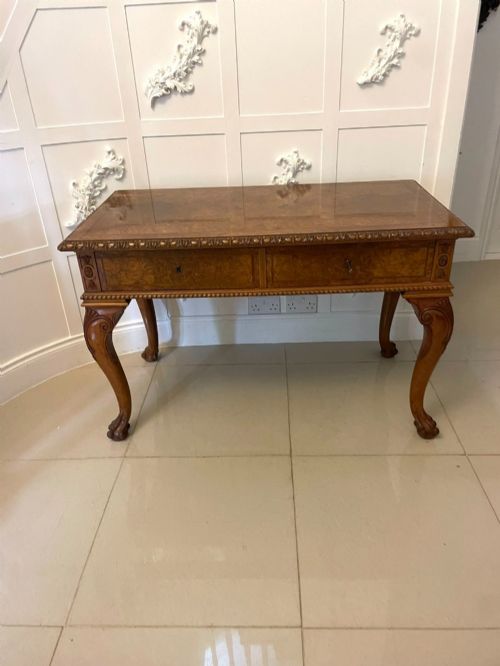
A brown carved writing table encompasses various practical desk forms designed for study and correspondence, predominantly originating from the Victorian, Edwardian, and Georgian periods. These pieces appear as kneehole desks, pedestal desks, and library tables, constructed primarily to provide a dedicated working surface.
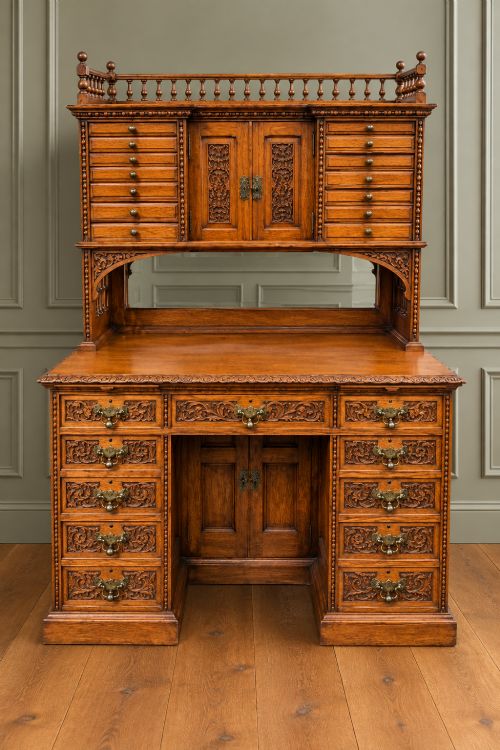
The materials used across these brown carved writing table examples rely heavily on rich timbers such as oak, mahogany, walnut, and burr walnut. Workshops integrated functional drawers and leather writing surfaces, blending structural sturdiness with decorative carved elements appropriate for domestic and library settings.
Materials and Technique
Cabinet makers built each brown carved writing table using solid hardwoods like oak, walnut, and mahogany, often applying burr walnut veneers to prominent surfaces for varied grain patterns. Brass hardware and tooled leather inserts complemented the timber construction, adding durability and refinement to the working area.
Joinery techniques involved traditional drawer framing and pedestal construction, paired with hand-carved ornamentation that defined styles from Gothic Revival to Chippendale. This combination of robust framing and surface carving ensured both longevity and a distinct decorative identity.
Brush pots carved from hard wood appear among the writing equipment, offering a curious eastern contrast to heavy British oak desks.
Evaluating Quality
The calibre of a brown carved writing table depends on the depth and crispness of the timber carving and the selection of figured veneers like burr walnut. Superior examples demonstrate careful matching of wood grain across drawers and panels, alongside refined secondary timbers in the drawer linings.
Construction integrity separates standard utility pieces from finer creations, visible in the tightness of the joinery and the original quality of brass fittings and leather inserts. Maker attribution, such as work associated with known firms, further elevates the standing of a desk.
Edwards and Roberts·Gillows
The Brown Carved Writing Table Glossary
- Pedestal desk
- A heavy writing desk comprising two supporting pedestals of drawers with a central desktop. This form provides substantial storage beneath the main writing surface.
- Kneehole desk
- A compact desk featuring a central recess for the legs, flanked by columns of small drawers. It typically sits flush against a wall.
- Library table
- A large freestanding table utilised for reading and writing, finished on all sides to allow placement in the centre of a room. These often incorporate drum or rectangular tops.
- Tooled leather
- A writing surface decorated with gilded patterns pressed into the leather hide using metal tools. This treatment adds a formal border to the desk top.
- Burr walnut
- A prized timber veneer sourced from the abnormal growth knots of walnut trees, yielding intricate, swirling grain patterns. It is frequently applied to high-status cabinet furniture.
Brown Carved Writing Table: Frequently Asked Questions
What is a brown carved writing table?
A brown carved writing table is a wooden desk or library table featuring decorative woodwork and a practical surface for correspondence. These pieces include pedestal desks and side tables made from timber such as mahogany, oak, and walnut.
They serve as both functional workspaces and decorative furniture pieces. Their designs range from plain Victorian utility models to elaborately carved revival styles.
How do I date an antique desk?
Dating relies on examining the timber species, construction methods, and hardware styling. Earlier pieces from the Georgian era often feature solid oak or mahogany frames with hand-cut dovetails, while Victorian and Edwardian examples introduce machine-sawn elements and varied veneers.
Secondary woods inside drawers and the presence of maker stamps also help narrow down the period of manufacture. Stylistic revival cues, such as Gothic or Chippendale motifs, offer further chronological markers.
How do I care for leather writing surfaces?
Maintain tooled leather inserts by keeping them away from direct sunlight and excessive heat sources. Dust the surface regularly with a soft, dry cloth.
Apply a specialist leather balsam periodically to prevent the hide from drying out and cracking. Avoid using household cleaning sprays or excessive water on the leather or surrounding wood.