




Brown Carved Wooden Head
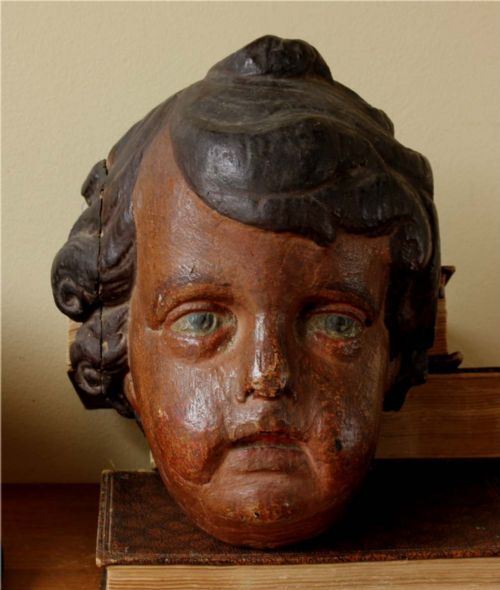
A brown carved wooden head brings together centuries of portraiture and regional craftsmanship in solid timber.
Brown Carved Wooden Head
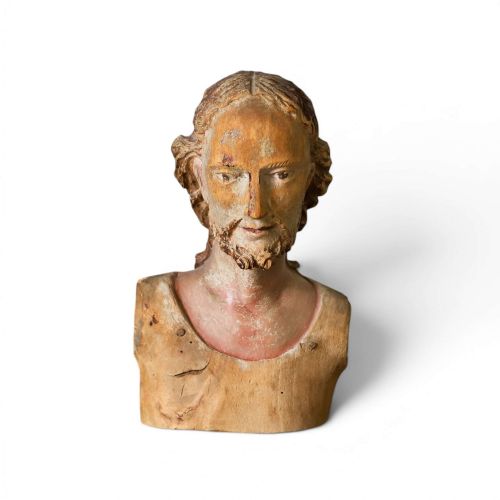
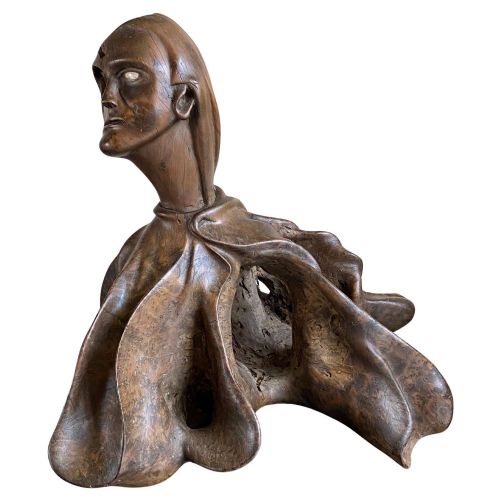
A brown carved wooden head encompasses sculptural busts, religious fragments, and folk art studies originating from European and global workshops. These pieces emerge from periods spanning the seventeenth century through to the early twentieth century, reflecting diverse cultural traditions.
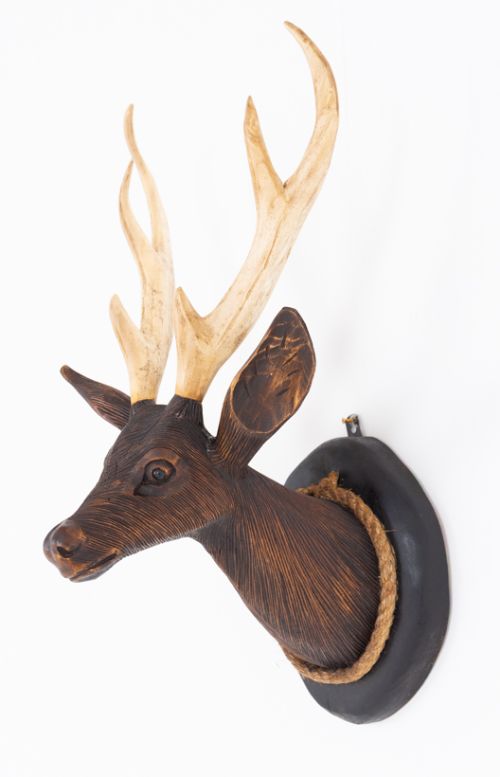
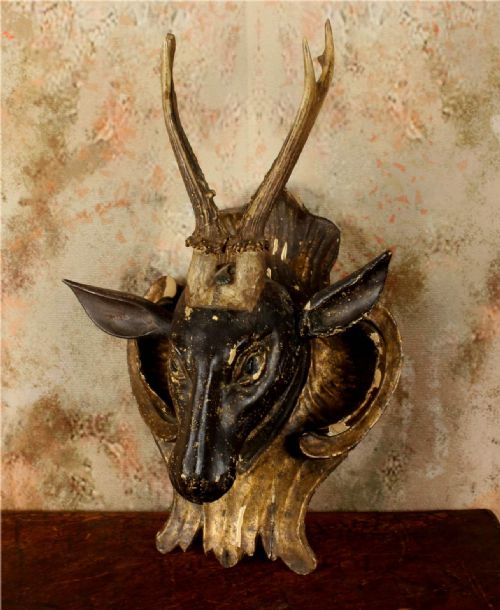
Buyers frequently encounter Continental religious carvings, such as Italian putti and French polychrome figures, alongside Black Forest animal trophies and folk art millinery forms. Each object demonstrates the distinct aesthetic priorities of its maker and geographic origin.
Materials and construction methods
Carvers shaped these heads from varied timbers including oak, walnut, pear wood, and exotic hardwoods, selecting each log for its grain pattern and density. Hand tools such as gouges and chisels created the primary form and surface texture.
Listings span from the seventeenth century to the 1930s, featuring oak, walnut, pear wood, and painted surfaces.
Assessing quality in carved wooden heads
The integrity of the original surface, whether bare timber or preserved polychrome, determines the historical value and visual impact of the piece.
Boudewijn Tuerlinckx
The Brown Carved Wooden Head Glossary
- Polychrome
- Decorated in multiple colours. This term describes wooden sculptures and heads that retain their original painted surfaces.
- Black Forest
- A style of wood carving originating from the Swiss-German border region. It typically depicts animals and naturalistic subjects with detailed texture.
- Putto
- A representation of a naked cherubic boy in art. These figures appear frequently in continental religious woodwork.
- Folk art
- Art produced by an indigenous culture or by peasant artisans. These pieces prioritize expressive utility over academic training.
- Écorché
- A figure drawn, painted, or sculpted showing the muscles of the body without skin. Such studies served artists and medical students.
Brown Carved Wooden Head: Frequently Asked Questions
How do I identify the period of a wooden head?
Dating relies on tool marks, timber choice, and stylistic conventions characteristic of specific centuries. Examining the base or back often reveals clues about the workshop origin.
Comparative analysis with documented regional carvings helps narrow down the production decade.
Where were these carved heads originally displayed?
Religious heads originated from larger altarpieces or church architectural elements, while secular busts served as artist models or interior ornaments.
Millinery heads functioned practically in shops for displaying hats before entering decorative collections.
How should I care for antique wooden sculptures?
Maintain stable humidity levels and keep wooden carvings away from direct heat sources to prevent timber splitting. Dust gently with a dry, soft brush.
Avoid applying modern polishes or oils unless recommended by a professional conservator.
What timber types are most common?
European walnut, oak, and regional fruitwoods like pear appear frequently in older Continental and British pieces. Hardwoods and exotic timbers feature in global trade pieces.
Each wood reacts differently to carving, influencing the fine detail achieved by the artisan.