
Brown Carved Wooden Dresser
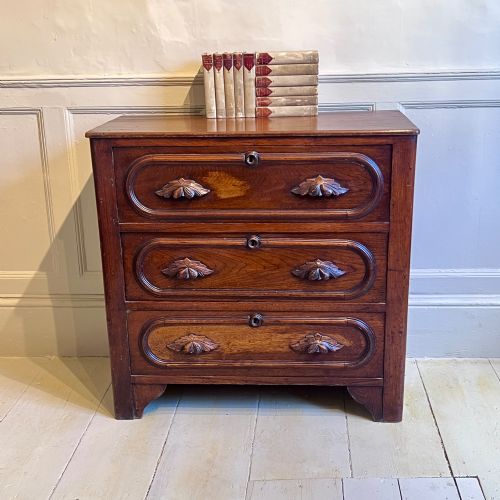
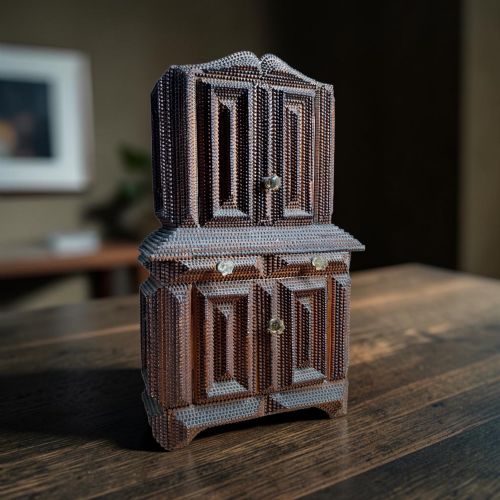
These brown carved wooden dresser examples unite centuries of domestic storage history, offering solid timber construction and rich period character for modern homes.
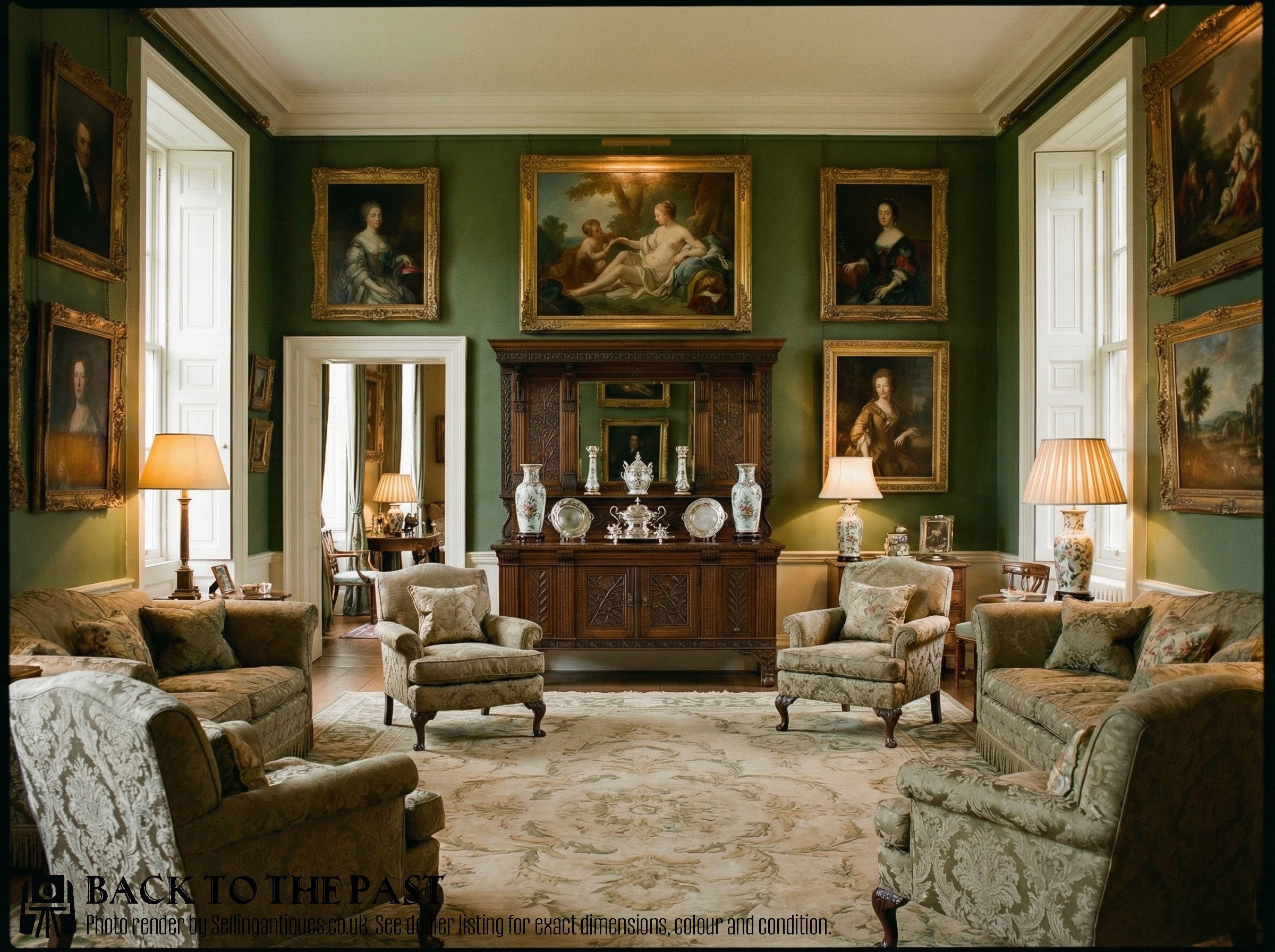
Brown Carved Wooden Dresser
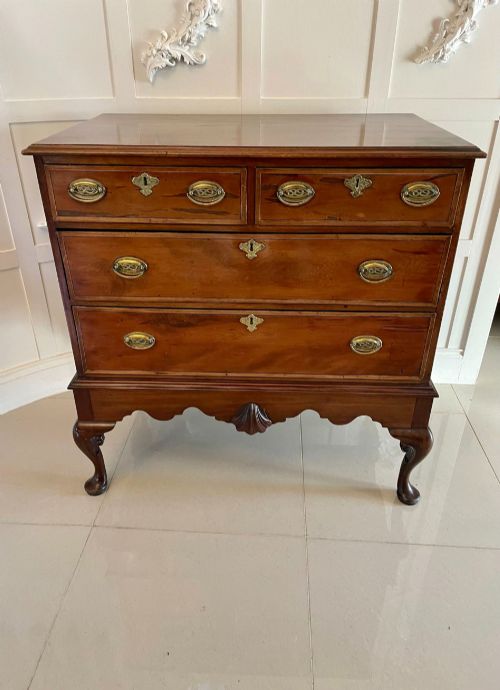
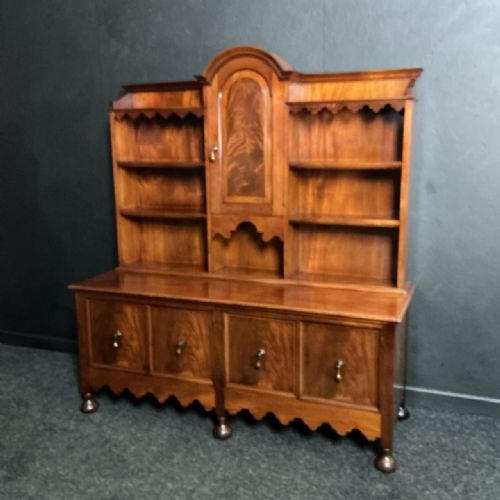
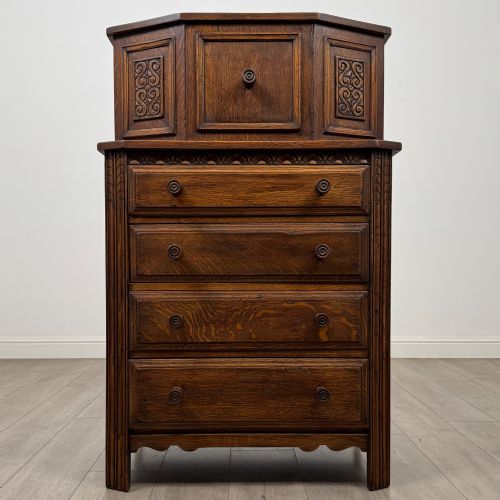
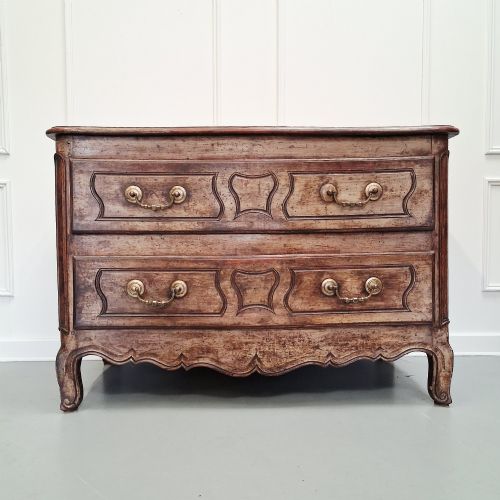
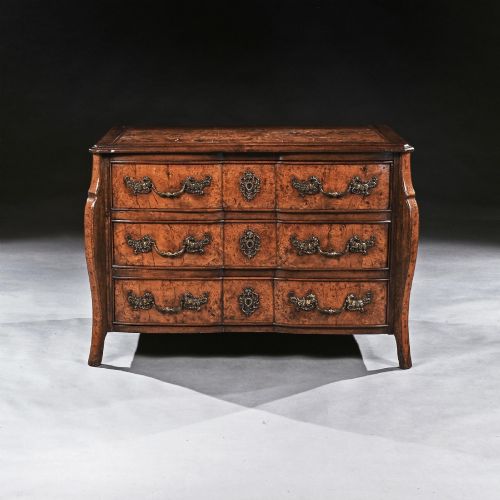
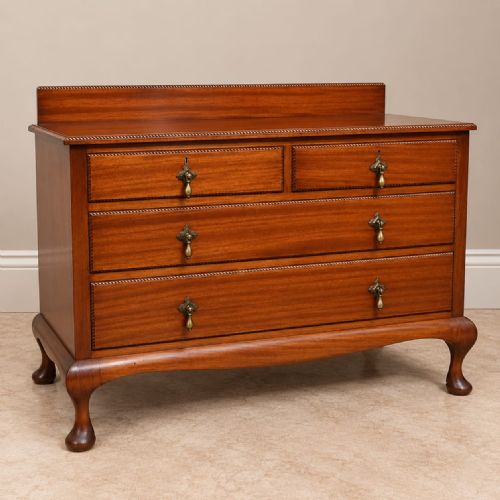
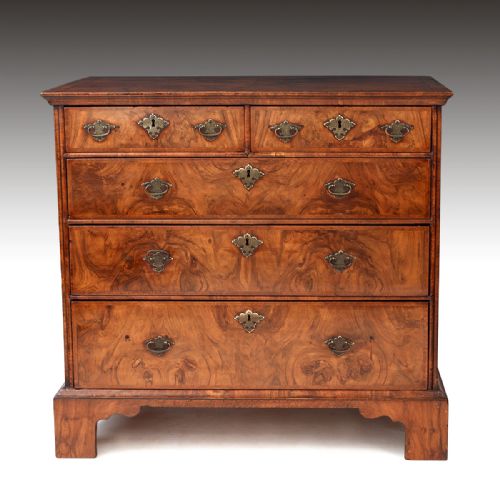
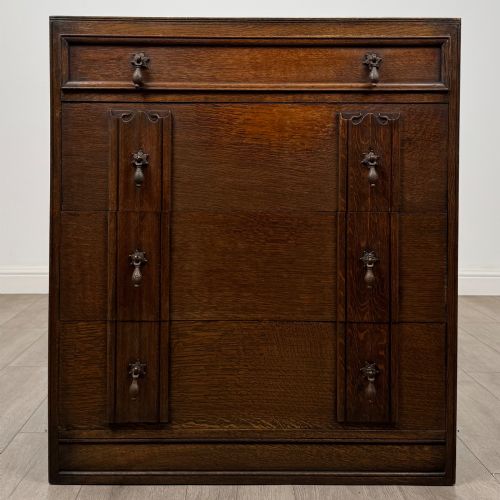
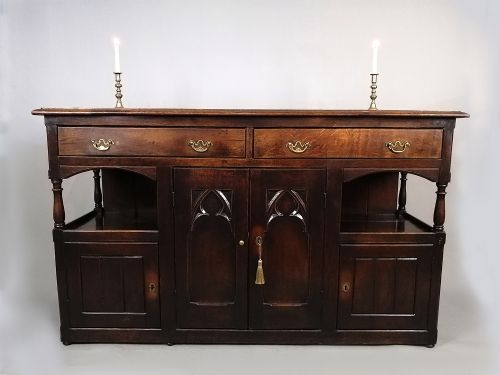
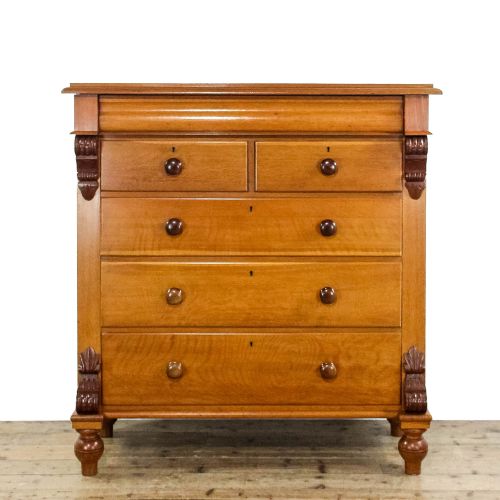
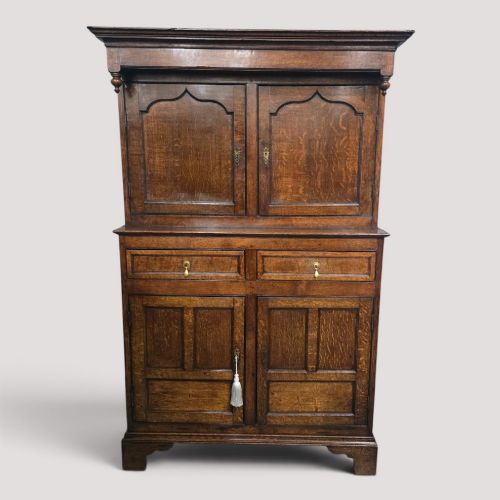
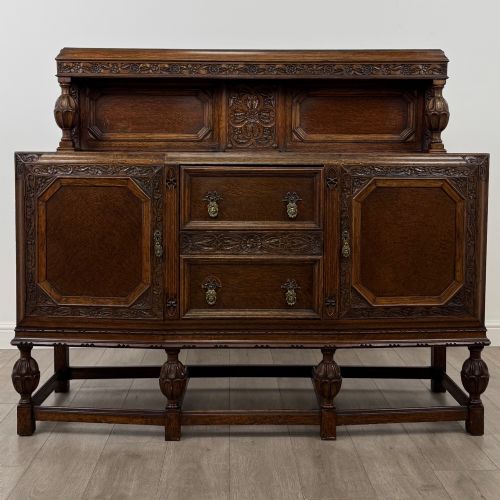
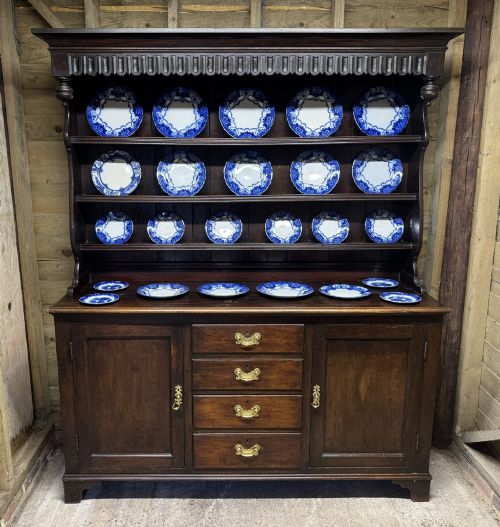
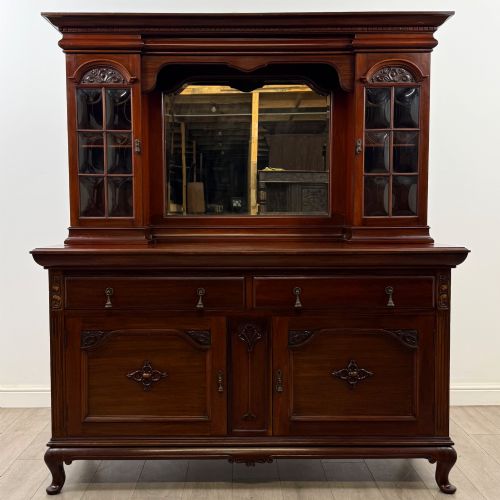
A brown carved wooden dresser brings together diverse regional forms from centuries past, spanning oak, mahogany, and walnut iterations. Buyers seeking a brown carved wooden dresser encounter everything from robust Welsh and kitchen dressers to refined George III pieces and French provincial commodes. The selection ranges through 17th Century, 18th Century, Victorian, and Edwardian periods, providing substantial storage with distinct craftsmanship.
Kitchen dressers, court cupboards, and dresser bases dominate the structural forms available. Many feature carved enrichment, panelled doors, and pot boards, reflecting the utilitarian origins of regional vernacular furniture. Makers utilised local timbers such as oak and elm alongside imported mahogany and walnut to satisfy domestic needs across Britain, Europe, and beyond.
Materials and construction
Cabinetmakers constructed these pieces primarily in solid oak, mahogany, and walnut, frequently selecting burr veneers for decorative emphasis on drawer fronts and top surfaces. Secondary woods like pine appear in internal linings, whilst brass hardware provides original pulls and escutcheons.
Joinery methods rely on traditional dovetailing for drawers and mortise and tenon frames for structural carcasses. Hand carving adorns panels and mouldings, demonstrating the manual labour involved before industrial mechanisation.
Several pieces preserve centuries of culinary history within their pot boards, having survived countless household meals and domestic shuffles.
Markers of quality
Superior examples exhibit tightly fitted drawer dovetails, uniform timber selection, and crisp, hand-cut carving rather than shallow machine profiling. Original brass handles and uncompromised structural integrity elevate a piece significantly above domestic alterations.
Surface finish and patination dictate visual success, where honest wax accumulation and minimal timber replacement preserve historical authenticity. Pieces retaining original backs, bases, and unrestored finishes command greater appreciation from discerning collectors.
The Brown Carved Wooden Dresser Glossary
- Pot Board
- An open lower shelf on a dresser base designed for displaying pewter or storing kitchen pottery. This architectural feature distinguishes base cabinets from standard sideboards.
- Bombe
- A convex, bulging shape characteristic of continental furniture styles, particularly French and Dutch commodes. This undulating contour requires advanced woodworking skill.
- Linenfold
- A carved wooden panel motif resembling folded drapery or linen. It appears frequently on pieces executed in oak during revival and early periods.
- Cofer
- A traditional heavy storage chest constructed with boarded or panelled timber walls. These sturdy containers predate domestic drawer configurations.
- Patina
- The surface sheen and colour acquired by timber through age, handling, and regular waxing. This quality indicates genuine historical use.
Brown Carved Wooden Dresser: Frequently Asked Questions
How do I date an oak dresser?
Dating relies upon examining construction marks, timber selection, and regional design traits. Hand-sawn boards and pegged joints typically indicate earlier centuries of manufacture.
Hardware configurations and secondary timbers also provide reliable clues for distinguishing Georgian and Victorian examples.
Where were these dressers made?
Origins span British workshops, French provincial towns, and wider European cabinetmaking traditions. Regional vernacular styles reflect local timber availability and domestic customs.
Chinese export workshops and colonial centres also contributed distinct forms utilising indigenous hardwoods like elm.
How do I maintain wood surfaces?
Maintenance involves applying traditional beeswax periodically to nourish dry timber and preserve the natural patination. Avoid modern silicone sprays and keep pieces away from direct heat sources.
Gentle dusting with a soft cloth prevents surface accumulation without disturbing the historical finish.