


Brown Carved Wooden Chair
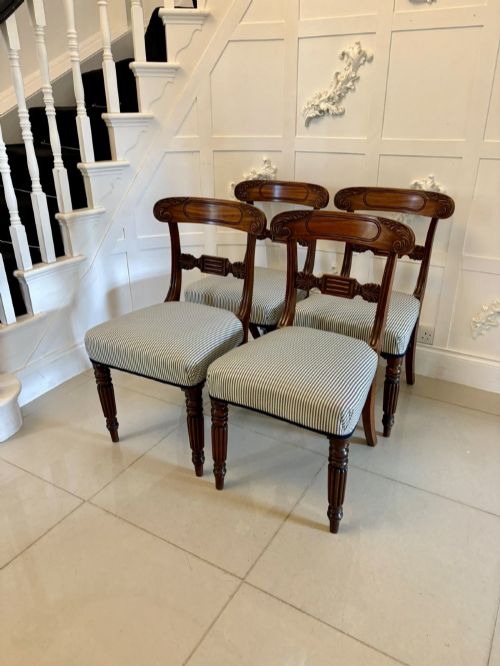
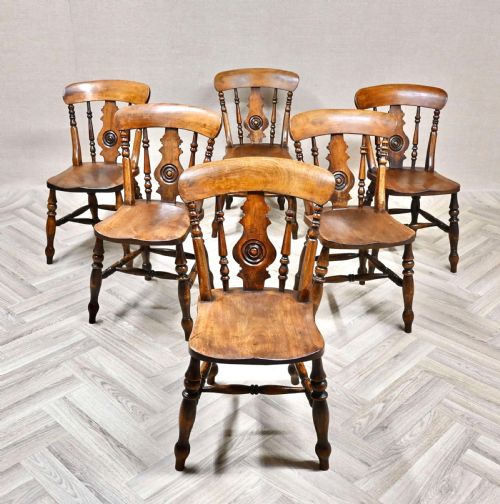
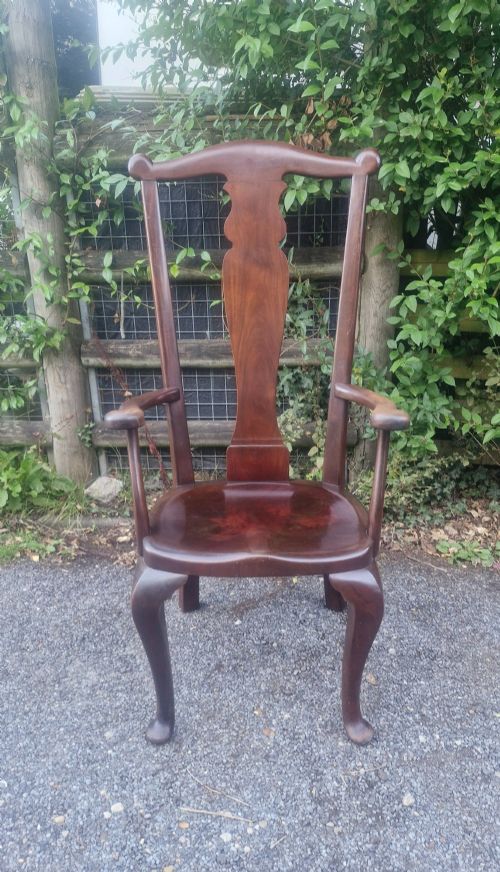
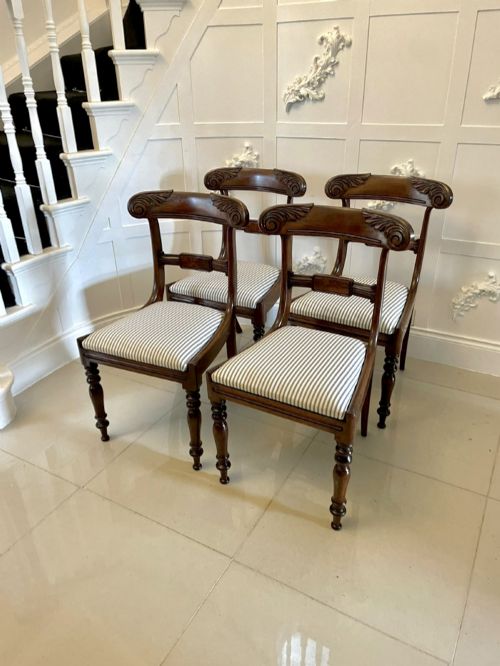
A brown carved wooden chair brings warmth and tactile depth to a room through dense timber and confident chisel work.
Brown Carved Wooden Chair
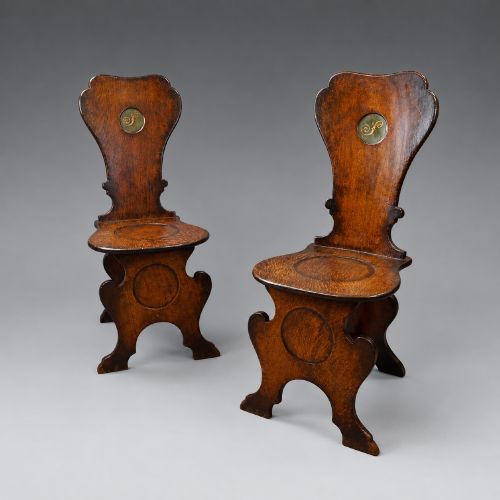
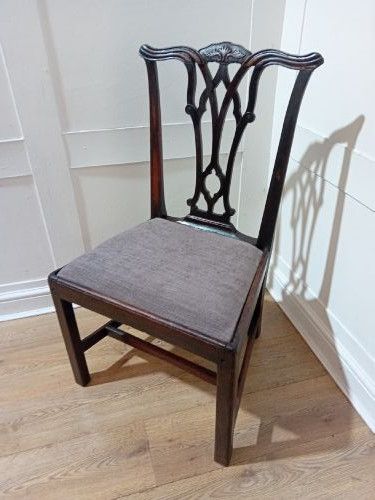
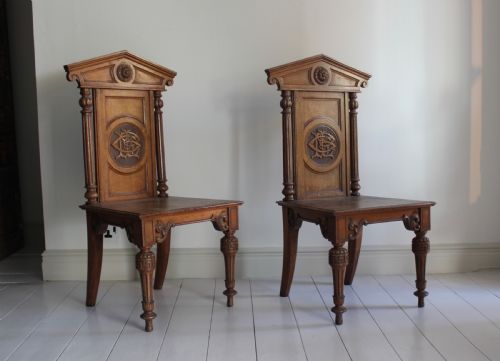
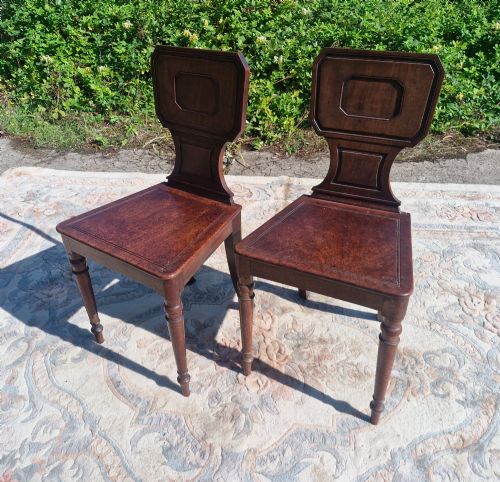
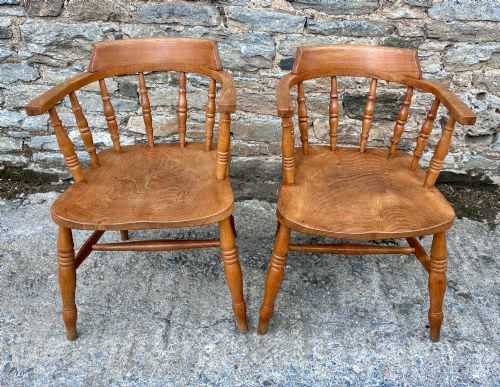
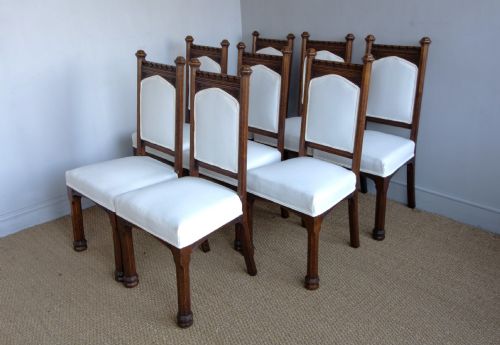
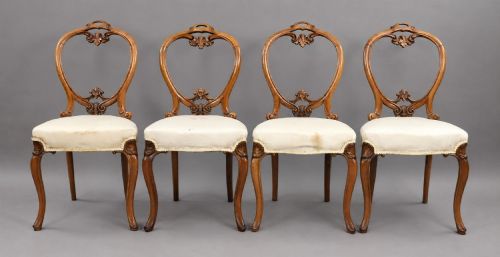
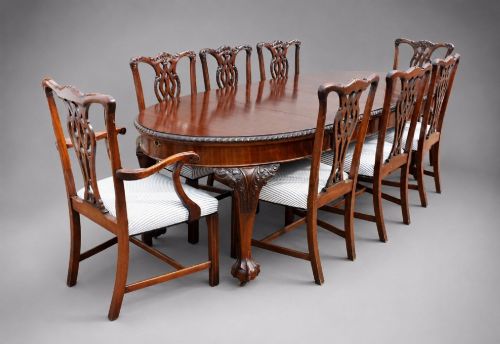
A brown carved wooden chair encompasses a wide variety of domestic forms spanning from the eighteenth century into the early twentieth century. Buyers searching this phrase meet everything from formal dining seats and sturdy hall chairs to low rocking chairs and expansive armchairs.
The materials reflect traditional woodworking preferences, predominantly featuring rich mahogany, durable oak, warm walnut, and rustic elm. These timbers provide the structural integrity required for decades of daily use while offering varied grain patterns.
Stylistic influences range from restrained Georgian and Regency designs to ornate Victorian, Gothic Revival, and English Country interpretations. Each period contributes specific carving motifs, from crisp shield backs and bar backs to elaborate strapwork and scroll arms.
Construction and Materials
Joinery relies heavily on traditional techniques such as mortise and tenon joints, dovetailing, and sturdy turned components. Carvers shaped solid hardwoods like mahogany and oak using chisels and gouges to produce relief decoration, fluting, and pierced splats.
Surface preparation involved hand planing and scraping followed by wax or polish applications that enhanced the natural colour and figure of the timber. Secondary woods often reinforced seat frames, while upholstery utilised horsehair, springs, and leather or fabric coverings fastened with brass tacks.
Listings span multiple eras including the 18th Century, Regency, Victorian, and Edwardian periods, utilising mahogany, oak, walnut, and elm.
Assessing Quality
The distinction between ordinary and superior examples lies in the depth and crispness of the hand carving, where skilled execution results in sharp edges and balanced proportions. Timber selection also dictates grade, with straight-grained or highly figured wood commanding greater appreciation than plain stock.
Structural rigidity without excessive restoration distinguishes better-surviving pieces, alongside the retention of original surface patination. Subtle details such as pegged joints, well-turned spindles, and properly integrated decorative panels elevate the overall standard.
The Brown Carved Wooden Chair Glossary
- Hall chair
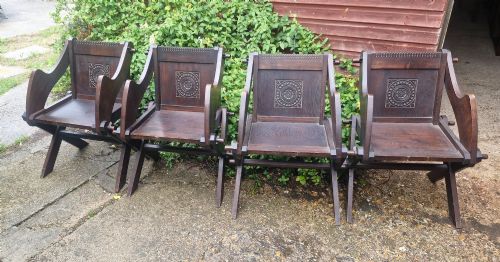
- A rigid wooden seat traditionally placed in entrance halls, often featuring a solid wood back carved with crests or coats of arms. These pieces served a decorative and functional purpose for callers.
- Windsor chair
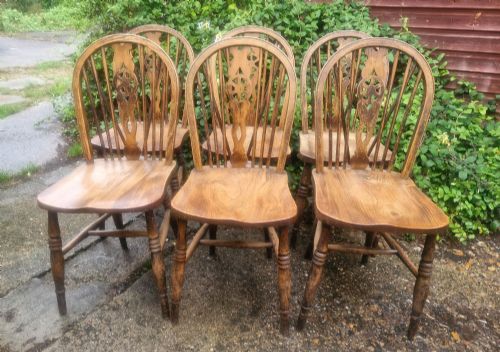
- A vernacular seating form featuring a solid wooden saddle-shaped seat into which turned legs and spindles are wedged directly. They frequently incorporate bentwood bows or high spindle backs.
- Sgabello
- An early Renaissance chair style characterised by a high, narrow back and solid board legs rather than traditional four-legged frames. They were often elaborately carved for display.
- Wainscot chair
- A heavy wooden armchair constructed primarily from oak with panelled backs, popular during the seventeenth and eighteenth centuries. They reflect sturdy joinery techniques borrowed from wall panelling.
- Balloon back
- A rounded, oval-shaped chair back resembling a balloon, highly characteristic of mid-nineteenth-century Victorian seating. This profile allowed for comfortable lumbar support.
Brown Carved Wooden Chair: Frequently Asked Questions
How do I date a wooden chair?
Dating relies on observing construction methods, timber choices, and stylistic traits typical of specific reigns or centuries. Tool marks, joinery style, and wear patterns offer reliable indicators of age.
Changes in furniture design from Georgian austerity to Victorian ornamentation help narrow down the period of manufacture.
Were these chairs used for dining?
Many examples on this page served as formal dining chairs, often produced in matching sets for large tables. Others were designed as single pieces for studies, halls, or bedrooms.
Function dictated the presence of arms, padding, and the height of the seat back.
How should I care for antique timber?
Maintaining these pieces involves keeping them away from direct heat sources and drastic humidity changes to prevent wood splitting. Regular dusting and occasional application of appropriate wax help preserve the surface.
Avoid modern silicone polishes which can degrade the historic finish over time.
What is patination?
Patination refers to the deep, lustrous surface sheen developed by wood through decades of handling, exposure to light, and careful polishing. It acts as a visual marker of authenticity and age.
A genuine aged surface cannot be easily replicated by modern chemical treatments.