
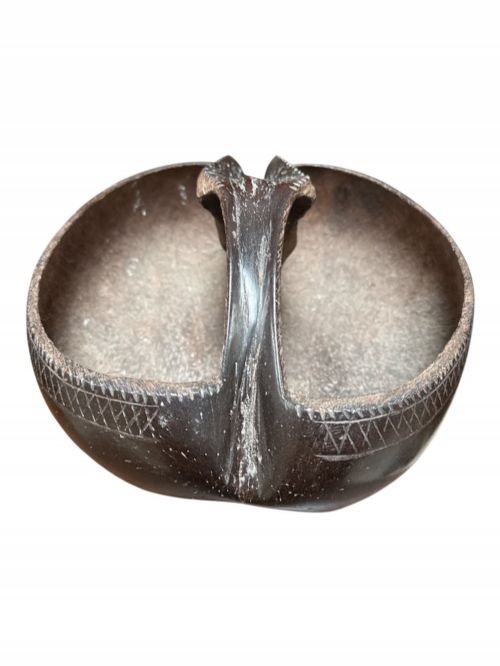
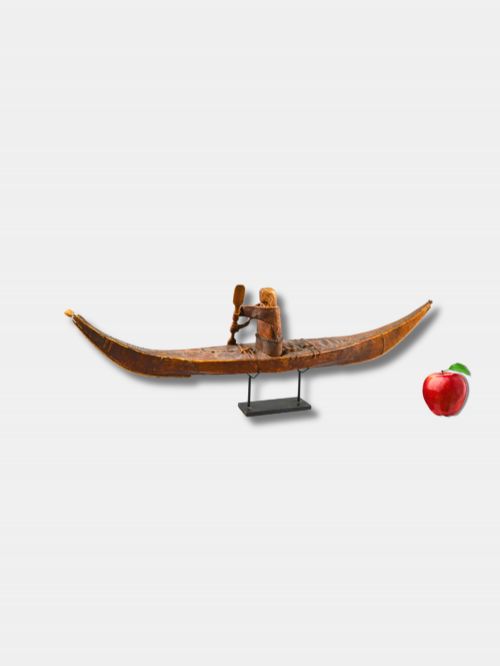
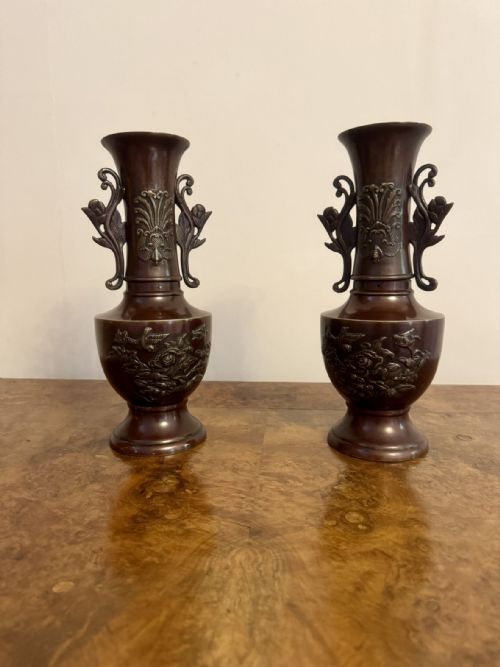
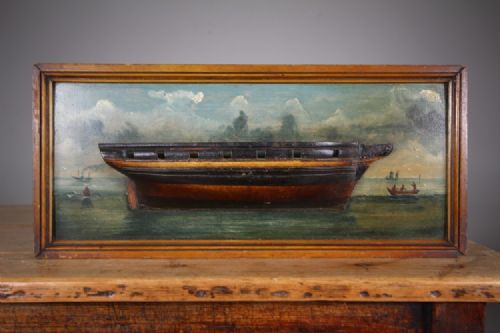
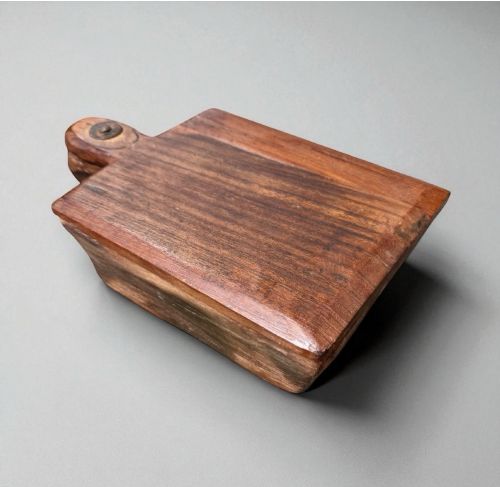
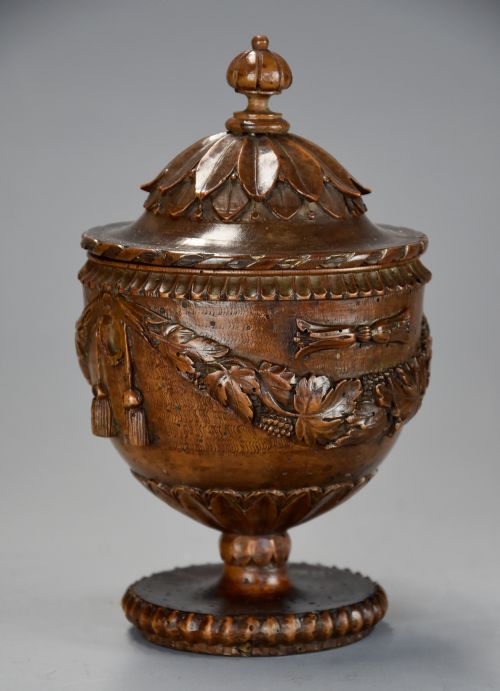

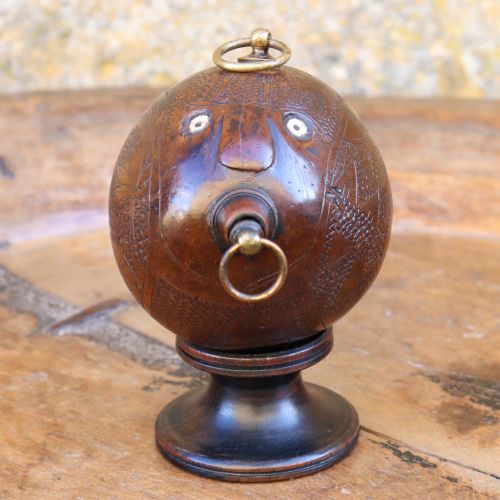
Brown Carved Vessel
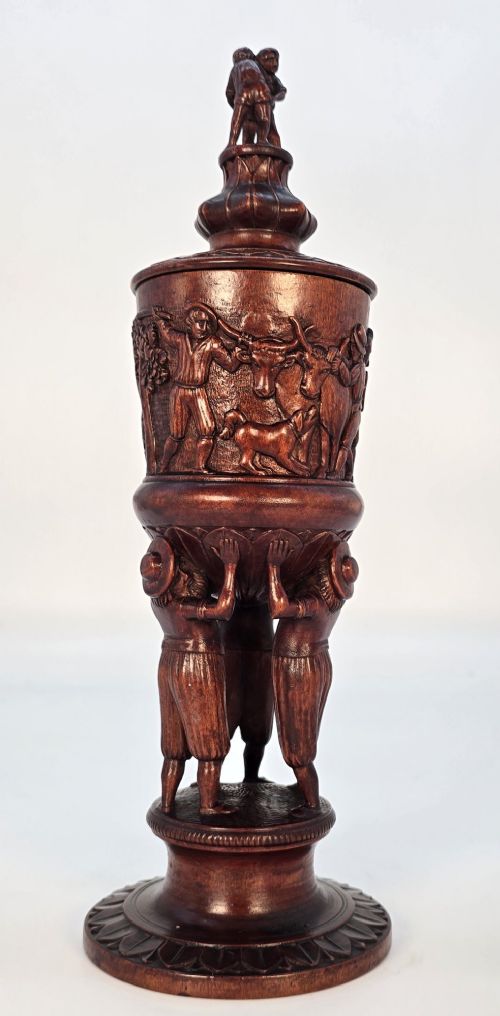
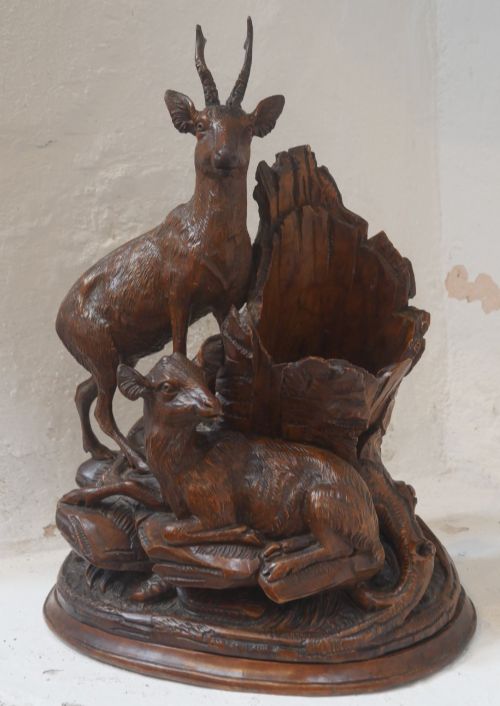
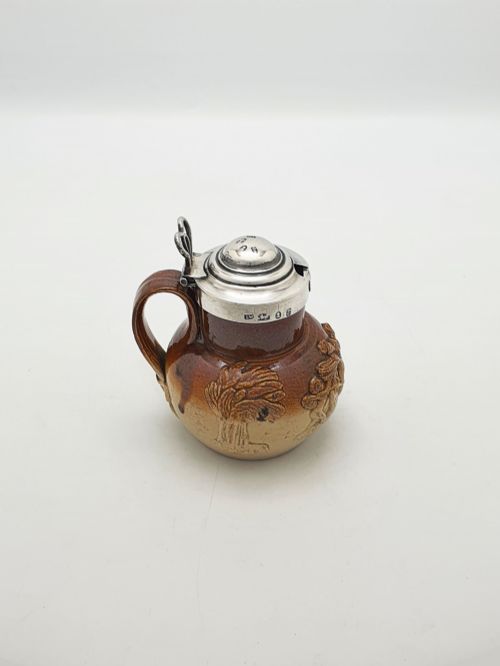
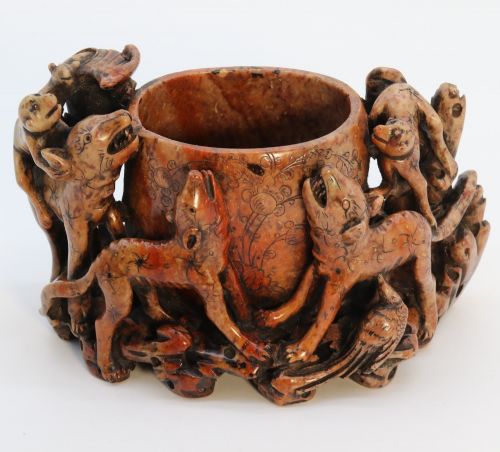
A brown carved vessel brings earthy texture and organic depth to an interior, offering functional form shaped from natural materials.
Brown Carved Vessel
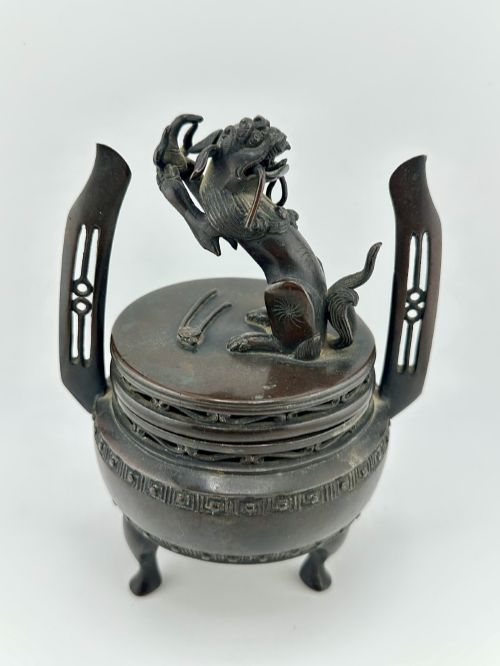
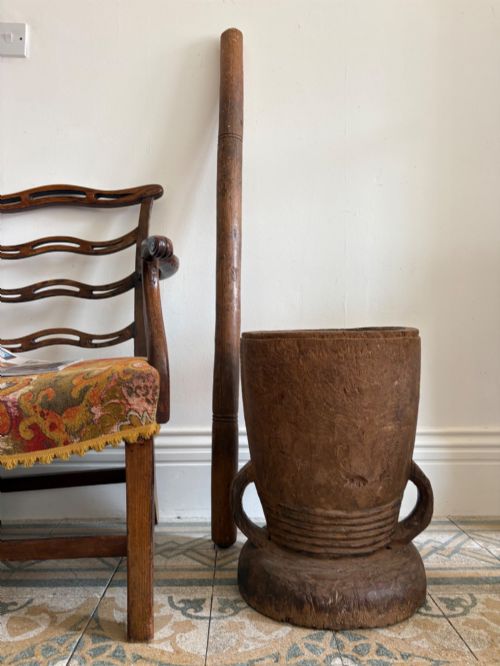
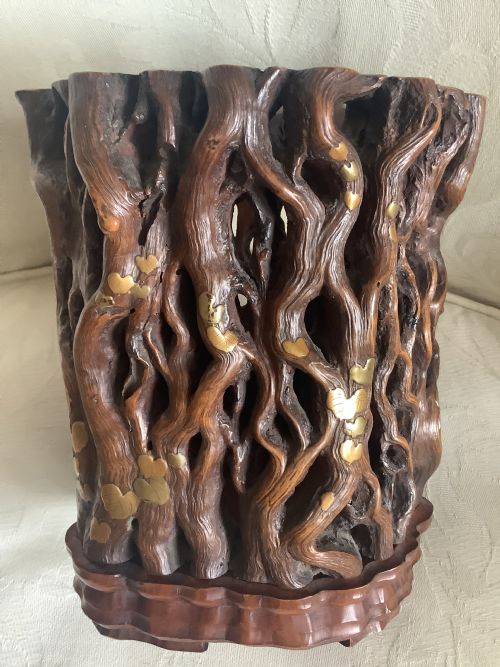
A brown carved vessel encompasses practical items and decorative forms shaped from timber, shell, stone and metal across centuries of craftsmanship. When searching for a brown carved vessel, buyers encounter pieces ranging from Chinese brush pots and Japanese bronze vases to rustic treen and primitive mortars.
The selection on this page draws primarily from nineteenth-century origins, alongside Georgian, Edwardian and early twentieth-century examples. These objects vary widely in function, including incense burners, lidded chalices, libation cups and simple storage containers.
Origins stretch from European workshops and English country houses to East Asian scholarly studios and African villages. Each item reflects the vernacular tastes and materials characteristic of its specific period and geographic source.
Materials and methods of construction
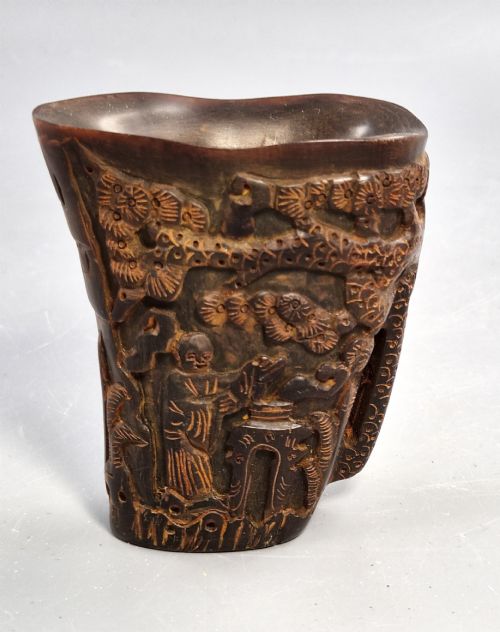
Makers utilised organic materials such as hardwood, bamboo, walnut, olive wood, coconut shell and water buffalo horn, shaping them with hand tools. Wood-turning, deep relief carving and cooperative construction using brass bands define many of the wooden and shell pieces.
Metal vessels rely on bronze casting techniques, often finished with detailed patination and intricate chased decoration. Stoneware and soapstone examples demonstrate alternative methods of kiln-firing and hand-sculpting utilised to achieve durable, textured containers.
Current listings demonstrate a broad geographic spread, uniting East Asian scholar's objects, European treen and African primitive utility items under organic brown tones.
Evaluating craftsmanship and execution
Quality rests in the precision and depth of the hand-carved detail, distinguishing fluid, confident relief work from stiff, hesitant execution. The natural figure and grain of the chosen wood, horn or stone greatly influence the visual success of the finished object.
Integrity of construction matters significantly, particularly in coopered barrels, lidded urns and joined vessels where joints must remain stable. The quality of the original surface patina, whether aged bronze or polished walnut, dictates the aesthetic power of the piece.
The Brown Carved Vessel Glossary
- Treen
- Small domestic wooden objects made by turning or carving. This term applies to utilitarian items shaped by hand for everyday household use.
- Libation cup
- A ceremonial vessel traditionally used for pouring liquids in ritual offerings. These pieces often feature highly detailed carvings of figures, landscapes and flora.
- Brush pot
- A cylindrical container used in East Asian scholarly studies for holding writing brushes. They are frequently carved from bamboo, wood, soapstone or horn.
- Coopering
- The method of constructing wooden vessels from staves bound together with metal hoops. This technique is typically seen in butter barrels and tubs.
- Patina
- The surface sheen and colour developed by a material through age and handling. A desirable patina shows natural depth without artificial enhancement.
Brown Carved Vessel: Frequently Asked Questions
How were these vessels used originally?
These vessels served diverse practical and scholarly roles, from holding writing implements on scholar's desks to storing food, spices and liquids in domestic settings. Many functioned as ritual objects, incense burners or decorative display pieces within period interiors.
Over time, utility shifted towards display, as collectors appreciated the organic textures and sculptural qualities of materials like carved wood, bronze and coconut shell.
Where should I place one at home?
A carved vessel suits placement on bookshelves, side tables, desks or mantelpieces where its tactile surface can be appreciated up close. Taller vases and urns work well as focal points, while smaller bowls and pots accommodate shelving arrangements.
Pairing natural wood and horn textures with contrasting smooth surfaces enhances their visual impact within both traditional and contemporary rooms.
How do I care for wooden and shell pieces?
Wooden, horn and shell objects require stable environmental conditions away from direct sunlight and rapid temperature fluctuations to prevent splitting. Periodic light dusting with a dry, soft cloth preserves the surface without stripping natural oils.
Harsh chemical polishes should be avoided entirely, as they damage historic patinas and degrade organic materials like coconut shell and unsealed timber.
Can I date a piece by its material?
Materials offer broad chronological clues, such as the distinct popularity of treen and coquilla nut items during the nineteenth century, or specific bronze casting styles found in Meiji period and Qing dynasty pieces. However, material alone rarely provides an exact date without considering tool marks, wear patterns and construction methods.
Combining observations of the wood grain, patination and carving style yields a more accurate understanding of when and where an object was made.